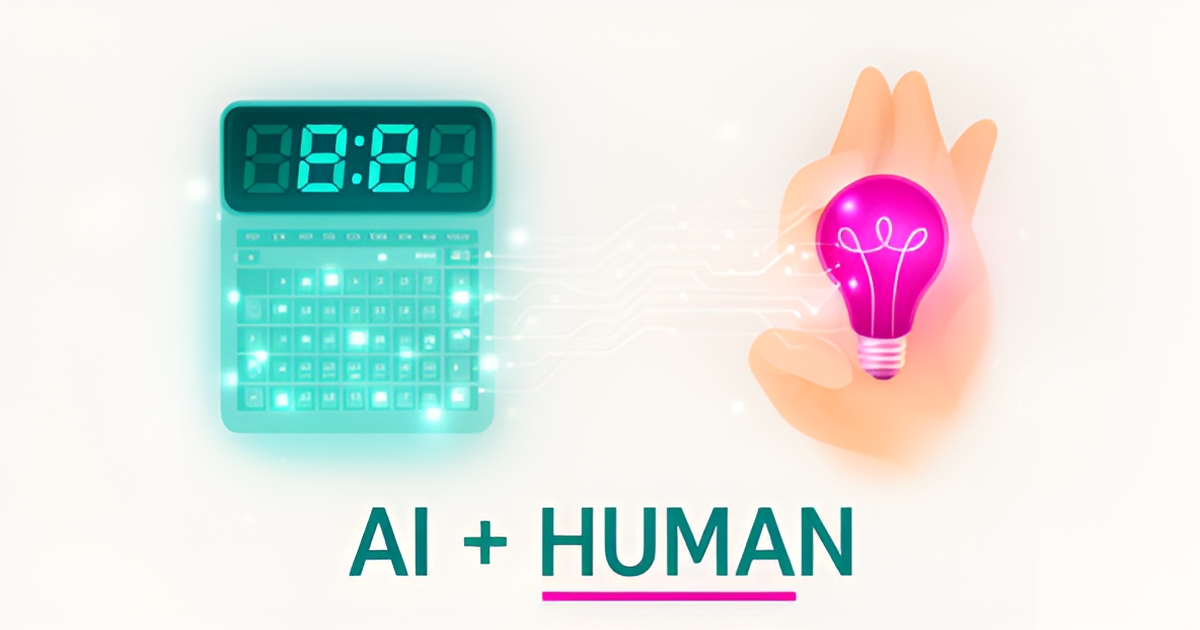
AI vs. Human Staff: Which Is Better for Managing Theater Showtimes and Scheduling?
Key Facts
- AI can typically resolve several times more routine inquiries without a human agent, according to customer service research
- As of late 2026, most organizations report using AI in at least one business function
- Demand for AI-fluent roles in workforce and staffing solutions has grown sharply in recent years
- AI delivers consistent, accurate responses, reducing human error in scheduling
- Human staff excel in empathy and complex problem-solving where AI falls short
- AI handles high-volume inquiries without performance drop-off, ensuring scalability
- Hybrid models let AI manage routine tasks while humans focus on guest experience
Hire a team member that works 24/7 — for less than a part-time wage.
AI receptionists, SDRs, dispatchers and 99+ roles. Trained on your business, fully managed.
Not sure where to start? Ask our AI planner
The Scheduling Bottleneck Theater Owners Face Today
Theater owners know the frustration all too well: a last-minute schedule change slips through the cracks, a patron calls to ask about showtimes and gets conflicting information, or staff spend hours each week manually updating spreadsheets and fielding routine inquiries. These scheduling bottlenecks aren't just inconvenient—they directly impact revenue and customer trust. Manual processes are prone to human error, especially when juggling multiple showtimes, special events, and last-minute adjustments across platforms. Inconsistent communication between box office staff, concession teams, and marketing leads to confusion, while slow response times to customer inquiries can drive patrons to competitors who offer instant, reliable information. Adding to the strain, staffing costs for roles dedicated to scheduling and front-desk coordination continue to rise, with salary, benefits, training, and turnover eating into tight SMB theater budgets. As of late 2026, most organizations report using AI in at least one business function, signaling a broad shift toward automation for operational efficiency. For theaters, this means an opportunity to eliminate repetitive scheduling tasks, reduce inquiry response times, and free up human staff to focus on enhancing the in-person experience—where empathy and judgment truly matter. Customer service research consistently shows that AI-powered systems can absorb a large multiple of routine inquiries without agent involvement, accelerating service while allowing teams to concentrate on complex, high-touch interactions. This approach not only improves speed and consistency but also reduces the cognitive load on employees, minimizing burnout and errors. For SMB theaters operating with lean teams, the payoff is clear: greater accuracy in showtime distribution, fewer missed updates, and measurable cost savings—all critical factors in staying competitive in an experience-driven market. Workforce analysis also shows sharp growth in demand for roles that blend technical fluency with human-centered service, underscoring where the industry is heading. By addressing these pain points head-on, theater owners can build a scheduling system that's not only efficient but resilient—one where technology handles the routine, and people shine where it counts. To explore how AI can specifically transform your theater's scheduling workflow, start with a 2-minute Fit Check to assess your biggest bottlenecks and identify high-ROI automation opportunities, then schedule your free 30-minute strategy call.
AI vs Human Staff for Showtime Management: What Research Shows
When a Friday night rush hits and three showtimes change at once, the difference between AI and human staff becomes very real. The question isn't which one wins—it's which one wins at what.
The research paints a clear picture of AI's strengths. Customer service studies consistently find that AI resolves several times more routine inquiries without a human agent, delivering faster service while freeing staff to focus on complex cases. For theaters, that means showtime questions, ticketing issues, and schedule confirmations handled instantly—even at midnight when no one's at the box office.
Three capabilities make AI particularly suited to scheduling work:
- Speed and efficiency: AI processes large volumes of data quickly and accurately, handling showtime updates and inquiries in seconds.
- Scalability: AI manages high volumes of questions without any drop in performance, whether it's opening night or a quiet Tuesday.
- Consistency: AI delivers accurate, uniform responses to every inquiry, reducing the risk of human error during busy periods.
But humans hold ground AI can't take. Research on AI's impact on staffing identifies empathy, complex problem-solving, and strategic thinking as distinctly human strengths. AI lacks emotional intelligence, depends heavily on data quality, and struggles with nuanced issues requiring judgment—like calming a frustrated guest whose screening was cancelled or negotiating a group booking with special needs.
This is where the hybrid model matters. The consensus in workforce research is that AI is not a replacement for human staff, but a tool to augment and enhance their capabilities. The same logic applies to theater operations: let AI absorb the repetitive, high-volume scheduling work, and let your team deliver the hospitality that keeps guests coming back.
The trend is already underway. As of late 2026, most organizations report using AI in at least one business function, and demand for AI-fluent roles in workforce solutions keeps climbing. Theaters that blend both will outpace those that choose a side.
The transition itself is where many theaters stumble, which is why AIQ Labs pairs every deployment with training and change management so staff move from fearing replacement to wielding a better tool. The best operators won't fear AI—they'll learn how to use it.
A Hybrid Model That Keeps The Human Touch While Scaling Operations
The sweet spot for theater showtime management is not AI or humans alone, it is both working together. AI handles the repetitive, data-heavy work at speed while human staff provide the empathy and judgment guests expect from a live experience.
AI excels at the operational backbone of scheduling. It can process large volumes of data quickly and accurately, and it delivers consistency and scalability without performance drop-off. In customer service contexts, AI can resolve several times more routine inquiries without an agent while freeing staff to focus on complex cases. That shift creates faster service for customers and more meaningful work for staff.
Humans remain essential where empathy and nuance matter. AI systems lack the emotional intelligence that human staff possess, which can hurt the guest experience if left unmanaged. The limitation applies directly to guests with special needs, group bookings, or last-minute changes that require judgment and rapport. Human strengths that complement AI include empathy and emotional intelligence, complex problem-solving, and strategic thinking.
A practical hybrid model separates tasks by strength:
- AI for repetitive scheduling tasks and data-driven showtime optimization, such as dynamic pricing, seat inventory syncing, and automated confirmation messages
- Humans for empathy-driven guest interactions, strategic programming decisions, and complex issue resolution
- Shared oversight where AI flags anomalies and humans approve exceptions
This approach mirrors how staffing-heavy industries are evolving. AI is automating repetitive tasks, improving screening, and providing data-driven insights, while human staff provide empathy and strategic decision-making. The consistent finding across workforce analysis: AI is a tool to augment and enhance human capabilities, not replace them.
Adoption succeeds when teams are prepared for the change. AIQ Labs supports theater owners through the transition with change management and training aligned to each role, so staff work comfortably alongside AI employees, use data-driven insights to inform strategic decisions, and maintain the human touch that defines hospitality.
The market is already moving. As of late 2026, most surveyed organizations report using AI in at least one business function, and demand for AI-fluent roles in workforce solutions continues to grow. That signals both opportunity and the need for structured adoption to avoid getting stuck at pilots.
A hybrid system keeps the human touch while scaling operations, letting theaters deliver efficient, accurate scheduling without losing the personal connection that brings audiences back.
How Theaters Can Implement AI Scheduling Without Disruption
Theater owners can modernize showtime management without disrupting guest experience by sequencing the change deliberately.
Start with an honest assessment. Map current scheduling workflows, ticketing integrations, and staff touchpoints to identify repetitive tasks that create bottlenecks. This baseline prevents over-automation and highlights where human judgment remains critical.
Automate the repetitive first. AI handles high-volume showtime updates, seat availability checks, and routine inquiries with speed and consistency. Industry research consistently shows AI can absorb a large multiple of routine inquiries without an agent while freeing staff for complex cases. That shift preserves service quality while reducing manual errors.
Upskill staff for high-value guest interactions. Human team members excel where empathy and complex problem-solving matter, such as handling special requests, accessibility needs, and last-minute changes. Investing in upskilling creates roles that emphasize fundamental human capabilities rather than data entry.
Integration must be seamless. Connect AI to existing ticketing systems, box office software, and calendars so updates flow in one direction. A unified system eliminates duplicate entry and gives both AI and staff a single source of truth for showtimes and inventory.
Implementation works best in controlled phases:
- Assess current workflows and map repetitive showtime and inquiry tasks for automation potential
- Automate routine updates and self-service inquiries while routing complex cases to human agents
- Upskill box office and front-of-house teams for relationship building and exception handling
- Integrate AI with existing ticketing and scheduling platforms for real-time sync
This phased approach mirrors how organizations adopt AI responsibly. As of late 2026, most organizations report using AI in at least one business function, yet successful rollout still depends on change management and training.
AIQ Labs supports theater owners through this transition with three entry points. AI Employees gives you a managed AI receptionist, dispatcher, or front-desk agent for a flat monthly plan—typically around 80% less than a human hire—with pause anytime. AI Workflow Builds rebuilds the one workflow that costs you the most, at a fixed price and in phases you approve. And AI Operating Systems delivers one connected operating layer for your whole theater, built in phases and owned outright when complete. Payment follows the same logic: Start Monthly, Build in Milestones, or Own It Outright—no fake prices, no lock-in games. See how the payment models work.
The result is a hybrid model where AI manages speed, scalability, and consistency and humans deliver empathy, strategic thinking, and complex problem-solving.
Still paying for 10+ subscriptions that don’t talk to each other?
We build custom AI systems you own outright. No vendor lock-in. Full control.
Not sure where to start? Ask our AI planner
Frequently Asked Questions
Will AI replace my box office staff for managing showtimes?
How much faster can AI handle showtime questions compared to humans?
Is AI actually being used by theaters and similar businesses right now?
What are the biggest risks if I rely only on AI for scheduling?
Can I implement AI scheduling without disrupting guest experience?
What's the practical hybrid model for showtime management?
Where AI and Human Touch Meet in Theater Operations
The future of theater showtime management isn't about choosing between AI and human staff—it's about combining their strengths to create a system that's both efficient and deeply human. AI excels at handling repetitive scheduling tasks, resolving routine inquiries instantly, and maintaining consistency during peak times, while human staff bring the empathy, judgment, and personal connection that turn transactions into memorable experiences. By automating routine updates and self-service inquiries, theaters can reduce errors, free up staff for high-value guest interactions, and scale operations without inflating payroll. The path forward starts with assessing your current workflows to identify where automation creates the most value. Ready to see how this hybrid model could work for your theater? Take the 2-minute Fit Check, then schedule your free 30-minute strategy call to explore your biggest bottlenecks and uncover high-ROI opportunities—no obligation, just clarity.
Make AI your competitive advantage — not just another tool.
Strategy, implementation and ongoing optimization. One partner, end to end.
Not sure where to start? Ask our AI planner