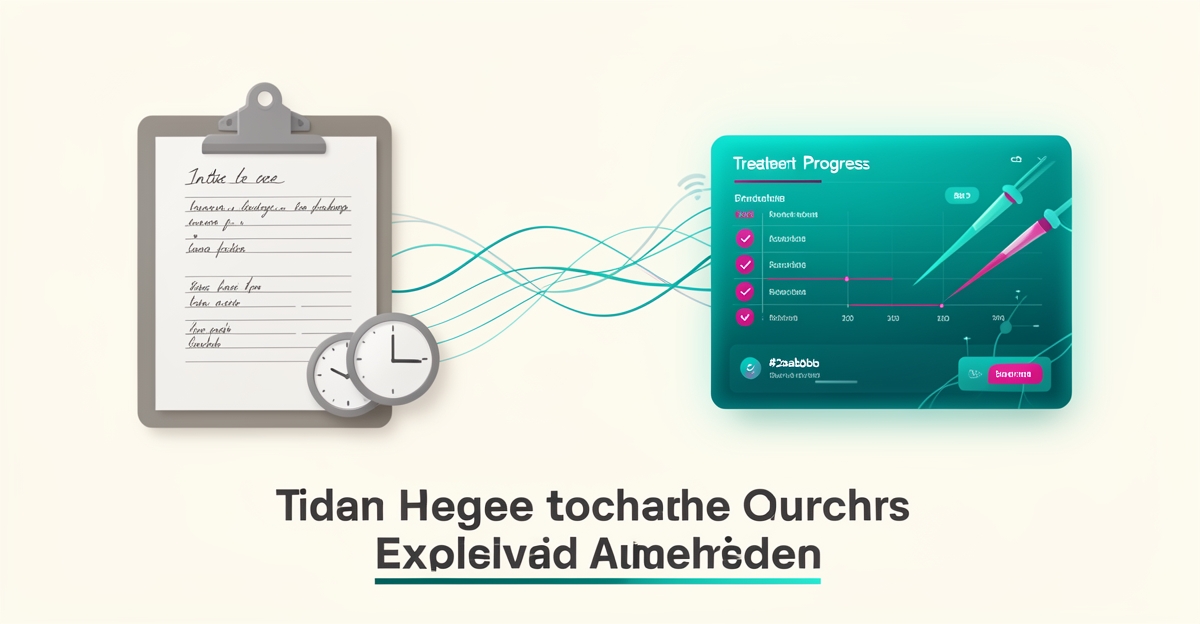
AI vs. Manual: Which Is Better for Tracking Patient Intake and Follow-Up in Acupuncture?
Key Facts
- A significant share of acupuncture patients drop off mid-protocol, often tied to weak tracking and follow-up
- Manual intake typically means duplicate data entry across scheduling, billing, and clinical notes
- Automated reminders and milestone-based follow-ups consistently reduce no-shows and missed care
- AI Employees can handle intake, visit logging, and follow-up around the clock at a fraction of a human hire's cost
- AIQ Labs has deployed 200+ multi-agent systems and runs 4 live SaaS products daily
Hire a team member that works 24/7 — for less than a part-time wage.
AI receptionists, SDRs, dispatchers and 99+ roles. Trained on your business, fully managed.
Not sure where to start? Ask our AI planner
The Hidden Cost of Manual Patient Tracking in Acupuncture Practices
Many acupuncture clinics still rely on paper intake forms and manual follow-up systems, creating an administrative burden that pulls practitioners away from patient care. This approach often results in missed appointments, inconsistent communication, and gaps in treatment continuity, directly impacting both patient outcomes and clinic revenue.
Acupuncture protocols typically require a series of visits, which makes follow-through unusually important. When intake data isn't centralized or automated, staff spend excessive time on data entry, appointment reminders, and chart updates, time that could be spent on clinical work or patient engagement. Patients who fall out of the loop mid-protocol rarely come back on their own.
- Manual intake forms require duplicate data entry across scheduling, billing, and clinical notes
- Follow-up calls and messages are often inconsistent or forgotten without automated triggers
- Lost patient progress due to poor tracking disrupts care continuity and reduces treatment efficacy
- Administrative overload contributes to staff burnout and limits clinic scalability
These inefficiencies don't just frustrate staff, they translate into measurable financial loss. Each dropped patient represents not only interrupted care but also lost revenue from incomplete treatment packages. For small and mid-sized acupuncture clinics operating on tight margins, this attrition can significantly undermine profitability and growth potential.
AIQ Labs addresses this challenge by building custom AI systems that automate intake logging, visit tracking, and personalized follow-up messages, reducing manual workload while improving patient retention. By replacing fragmented processes with a unified, intelligent workflow, clinics can close the gap in care continuity and reclaim time lost to administrative drag. The result is a more sustainable practice where practitioners focus on healing, not paperwork.
How AI-Driven Workflows Reduce Administrative Load and Improve Follow-Through
Acupuncture practices face a persistent challenge: a meaningful share of patients discontinue treatment before completing their care plan, undermining both outcomes and practice sustainability. Manual intake and follow-up processes often contribute to this drop-off, creating administrative bottlenecks that distract from patient care.
AI-driven workflows directly address this gap by automating routine tasks that consume staff time and introduce human error. Automated appointment confirmations, reminders, and post-treatment follow-ups keep patients engaged throughout their care journey. This not only reduces no-shows but also ensures consistent communication, a critical factor in treatment adherence.
AIQ Labs builds managed [AI Employees](/ai-employees) for roles like Patient Coordinator and Intake Specialist, which log visits, track treatment progress, and send personalized follow-ups without manual intervention. These AI Employees integrate with scheduling tools, EHR systems, and communication platforms to create a seamless workflow from intake to ongoing care. By handling repetitive administrative duties, they free practitioners to focus on clinical work while improving continuity of care, at roughly 80% less cost than a comparable human hire, across 99+ roles.
The practical gains come from reduced data entry, fewer missed appointments, and faster follow-up cycles, all of which contribute to better patient retention and operational flow. Clinics that replace paper-based intake and manual reminder calls with intelligent automation typically see the difference within the first few weeks of use.
- Automated intake captures patient history and symptoms accurately at first contact
- Visit logging and treatment tracking create a continuous care record
- Personalized follow-ups are triggered by treatment milestones or missed appointments
- AI Employees operate 24/7, ensuring no patient inquiry goes unanswered
- Administrative staff redirect time from paperwork to patient interaction and practice growth
The result is a practice where administrative load decreases, follow-through improves, and patients experience a more consistent, supportive journey from intake to recovery. AI doesn't replace the acupuncturist's expertise, it amplifies it by removing the friction that often interrupts healing. For clinics seeking to scale without adding staff or sacrificing care quality, [AI Workflow Builds](/workflow-builds) offer a practical, measurable path forward: rebuild the one workflow that costs the most, at a fixed price, in phases.
Implementing AI Patient Tracking: From Assessment to Owned Systems
Moving from understanding the value of AI to actually implementing it requires a structured approach that addresses the unique compliance and integration challenges of healthcare practices. The transition from manual spreadsheets to automated patient tracking demands more than just software installation, it requires a strategic roadmap that respects patient privacy while eliminating administrative bottlenecks.
The implementation journey begins with a comprehensive assessment of existing workflows. Acupuncture practices often underestimate the complexity of their manual processes until they map them out. This means identifying exactly where patient data gets stuck, whether in intake forms, treatment logging, or follow-up scheduling. AIQ Labs addresses this through a free 30-minute strategy call that identifies specific bottlenecks before any development begins, ensuring the solution targets actual pain points rather than generic problems. Start with the 2-minute Fit Check at [/apply](/apply).
Once bottlenecks are identified, the development phase focuses on building custom workflows that integrate with existing tools. Rather than forcing practices to abandon their current systems, effective AI implementation connects directly with calendars, CRMs, and communication platforms through secure APIs. The infrastructure exists; the challenge lies in creating HIPAA-compliant bridges between systems.
The milestone-based development approach allows practices to validate each phase before proceeding. This methodology reduces risk while ensuring the final system aligns with clinical workflows. Key components typically include:
- Automated intake processing that captures patient data directly into secure databases
- Intelligent scheduling systems that sync with practitioner calendars in real-time
- Compliance tracking with complete audit trails for regulatory requirements
- Personalized follow-up sequences based on treatment protocols and patient responses
Data security remains paramount throughout implementation. Healthcare technology faces rigorous validation requirements, and custom-built systems must incorporate encryption, access controls, and audit trails from the ground up, not as afterthoughts. This compliance-first architecture protects both patient privacy and practice liability.
Full ownership distinguishes sustainable implementations from temporary fixes. With AIQ Labs' payment models, Start Monthly, Build in Milestones, or Own It Outright, practices can choose how they pay, and those who own their systems outright eliminate vendor lock-in and gain complete control over future modifications. This ownership model supports long-term scalability without recurring subscription fees that erode margins as the practice grows. For clinics ready to connect intake, scheduling, follow-up, and reporting into one layer, an [AI Operating System](/ai-operating-systems) provides that connected foundation, built in phases and owned outright.
The result transforms administrative capacity. Practices implementing comprehensive AI tracking are typically able to scale operations without adding headcount, redirecting staff energy from data entry toward patient care. By automating the logging of visits, treatment details, and follow-up communications, practitioners reclaim hours previously lost to manual documentation while ensuring no patient falls through the cracks between appointments.
Still paying for 10+ subscriptions that don’t talk to each other?
We build custom AI systems you own outright. No vendor lock-in. Full control.
Not sure where to start? Ask our AI planner
Frequently Asked Questions
Why do so many acupuncture patients drop off mid-protocol?
How much admin time can AI actually save my clinic?
Is AI patient tracking HIPAA compliant and secure enough for healthcare?
Will AI replace my front desk staff?
What's the first step to move from paper intake to AI tracking?
Can AI systems integrate with the tools I already use?
Reclaim Your Practice by Letting AI Handle the Follow-Through
Manual intake and follow-up create the hidden drag that costs acupuncture clinics time, continuity, and revenue. AI-driven workflows replace duplicate data entry, inconsistent reminders, and lost progress notes with automated intake logging, visit tracking, and milestone-based follow-ups that keep patients engaged without adding staff. That shift frees practitioners to focus on clinical care while improving retention and operational scalability. AIQ Labs supports this transition with managed [AI Employees](/ai-employees) like Patient Coordinators and Intake Specialists, targeted [Workflow Builds](/workflow-builds), and full [AI Operating Systems](/ai-operating-systems), all built with compliance-first architecture and, if you choose, full ownership. With 200+ multi-agent systems deployed and 4 live SaaS products we run daily, we build systems we rely on ourselves. If you're ready to map where patients are slipping through the cracks, start the 2-minute Fit Check at [/apply](/apply) to book a free 30-minute strategy call, or reach us anytime at [email protected].
Make AI your competitive advantage — not just another tool.
Strategy, implementation and ongoing optimization. One partner, end to end.
Not sure where to start? Ask our AI planner