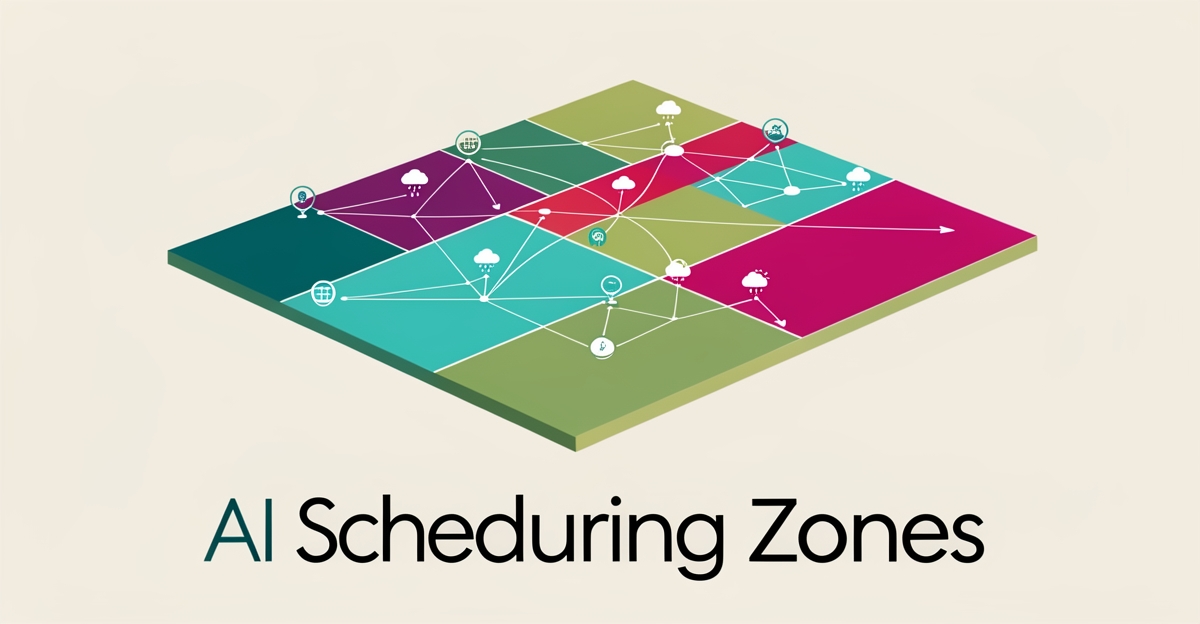
Can AI Handle Scheduling for Multiple Zones in a Large Weed Control Operation?
Key Facts
- Multi-season, multi-location datasets are widely regarded as the most valuable type of input for AI in agriculture
- In most applied AI agriculture programs, image-based datasets make up the majority of inputs, supplemented by sensor data and operator logs
- Practitioners consistently report that the majority of AI problems in agriculture can be fixed by improving the data collection pipeline
- Random web images are considered the least valuable type of dataset for field-specific AI applications
- Precision farming programs using AI have reported meaningful production gains and significant pesticide reductions by optimizing input timing and placement
- Growers using simple AI tools for weather alerts and pest detection have reported reduced crop losses within a single season
Hire a team member that works 24/7 — for less than a part-time wage.
AI receptionists, SDRs, dispatchers and 99+ roles. Trained on your business, fully managed.
Not sure where to start? Ask our AI planner
The Multi-Zone Scheduling Bottleneck
Manual scheduling breaks down the moment a weed control operation stretches beyond a single property and a single season. Dispatchers juggle paper logs, phone calls, and weather forecasts while crews sit idle or double back across zones. The result is missed treatment windows, duplicated routes, and inconsistent coverage.
Geography alone creates complexity. A large operation spans soil types, microclimates, and access constraints that change travel time and treatment feasibility. Weather variability compounds this. Rain delays in one zone can cascade into missed windows in another, and without real-time sensor input, decisions lag behind conditions.
Demand spikes amplify the strain. Spring flushes and seasonal outbreaks require rapid reprioritization across service types, yet manual boards cannot re-optimize fast enough. Data fragmentation is the underlying bottleneck. In most applied AI agriculture programs, image-based datasets make up the bulk of inputs, supplemented by sensor data and operator logs. When those streams live in separate spreadsheets, apps, and notebooks, scheduling models have nothing consistent to learn from.
Practitioners are consistent on one point: data quality drives scalability. Field-tested implementation experience shows that most AI problems in agriculture can be fixed by improving the data collection pipeline. For multi-zone operations, consistency beats volume. Multi-season, multi-location datasets are widely regarded as the most valuable type of dataset, while random web images are the least valuable.
Without standardized collection, operators face:
- Seasonal bias from training on single-season imagery that fails in different growth stages
- Calibration drift across smartphones, drones, and IoT sensors that makes zone comparisons unreliable
- Delayed digitization of field notes where delay equals lost accuracy
- Terminology drift where “early bloom” means different things to different crews
These friction points keep routing reactive instead of predictive. Crews get assigned by proximity, not by weed stage, weather windows, or treatment priority. Field validation is non-negotiable, yet manual systems rarely close the loop between what was scheduled and what was actually observed.
AI workflow automation changes the dynamic by learning patterns across zones and seasons. Systems can ingest imagery, weather station data, and operator logs into a unified pipeline, then dynamically assign tasks based on geography, weather, and demand. AIQ Labs builds these systems through AI Workflow Builds, a fixed-price, phased approach that rebuilds the one workflow costing you the most, with architectures that standardize data dictionaries, enforce weekly QA, and keep models grounded in real field examples.
When the foundation is consistent, scheduling scales. Operations move from chasing delays to anticipating them, with routing and treatment timing adjusted continuously as conditions evolve.
Why Data Quality Beats Algorithm Power
For AI scheduling to work across multiple zones in weed control, the quality of data matters far more than the sophistication of the algorithm. In most applied programs, image-based datasets form the majority of AI inputs, with sensor data and farmer logs making up the rest. This means consistent, well-collected imagery, sensor readings, and field observations form the backbone of any effective scheduling system. Without reliable data across all zones, even the most advanced AI will struggle to make accurate predictions about weed emergence or optimal treatment timing.
The most valuable datasets for multi-zone operations are those collected across multiple seasons and locations, as they capture the variability needed for robust scheduling decisions. In contrast, single-season or crowdsourced data offers limited value, and random images from the web are nearly useless for field-specific applications. Data consistency beats data volume, what matters is that collection protocols are uniform across zones so the AI can learn true patterns rather than noise from inconsistent inputs.
Field-tested implementation experience consistently finds that improving the data collection pipeline resolves the majority of AI problems in agriculture. This includes standardizing labels, using mobile apps for direct upload, automating data capture where possible, and performing weekly quality checks. For weed control scheduling, this means ensuring GPS-tagged imagery, calibrated soil probes, and timely digitization of field notes are prioritized across all operational zones. When data quality is high, AI can reliably learn when and where to deploy treatments, reducing guesswork and improving efficiency. AIQ Labs designs systems that prioritize these foundational data practices, ensuring AI scheduling tools are built on trustworthy inputs from day one.
How AI Learns Patterns for Dynamic Zone Scheduling
AI systems learn to schedule weed control across multiple zones by identifying patterns in geography, weather, and demand signals by analyzing consistent data streams from each operational zone. The foundation of this learning lies in high-quality, multi-season, multi-location datasets, widely regarded as the most valuable type of input for AI in agriculture because they capture how conditions vary across space and time. These datasets enable the AI to recognize zone-specific weed emergence cycles, optimal treatment windows, and how weather events shift scheduling needs, turning raw field data into actionable operational intelligence.
For weed control operations, this means training AI on consistent weed imagery across zones, paired with sensor data from weather stations and soil probes, and operator logs that record real-world treatment outcomes. When data collection protocols are standardized across all zones, ensuring uniform image angles, sensor calibration, and labeling practices, the AI develops reliable pattern recognition rather than learning noise or seasonal bias. This consistency is critical: practitioners consistently report that fixing the data collection pipeline resolves most AI problems in agriculture, making it the priority over algorithmic complexity.
Once trained, the AI dynamically assigns tasks by weighing real-time inputs against learned patterns. For example, if sensor data shows rising soil moisture in Zone A after rainfall, the AI may delay spraying there while prioritizing Zone B where conditions remain dry and weed growth is accelerating. Similarly, if image analysis detects early-stage weed outbreaks in Zone C earlier than historical norms, the AI can shift crews forward based on predictive patterns rather than fixed calendars. This adaptive scheduling mirrors results reported in precision farming programs, where AI-driven optimization of input timing and placement has produced meaningful production gains and significant reductions in pesticide use, and where AI-enabled early detection has prevented meaningful yield loss by triggering timely interventions.
To scale this capability, AIQ Labs builds multi-agent systems that process geography, weather, and demand signals in parallel. One agent might analyze satellite imagery for zone-specific weed density, another interprets weather forecasts for spray-window viability, and a third cross-references service demand logs to balance crew workloads. These agents collaborate through structured reasoning loops, continuously refining schedules as new field data flows in. With 200+ multi-agent systems deployed, AIQ Labs has seen this pattern hold: the result is not a static plan but a living operational model that learns from every treatment, adapts to zone-specific microconditions, and scales efficiently across hundreds of zones without manual rescheduling, turning variability into a structured advantage.
Implementation Blueprint for Field Operations
Scaling AI scheduling across zones fails when teams start with software instead of field data. Large weed control operations need a disciplined adoption path that mirrors how AI actually works in agriculture.
Pick one real problem first. Successful field AI starts with a single, specific pain point rather than broad productivity goals. For weed control this means targeting late detection in a priority zone or inefficient routing between sites, then building the schedule around that outcome. Clarity on the problem drives adoption faster than feature lists.
Choose one simple tool that fits daily routines. Operators adopt what fits existing workflows, not new habits. A single scheduling platform that ingests zone imagery, weather feeds, and crew notes reduces friction and builds trust. Data consistency beats data volume, and field validation is non-negotiable for multi-zone reliability.
Train with real examples and measure one result. Show crews how AI reorders visits based on weed pressure and travel time, then track one metric such as travel time reduced between zones or treatments completed on time. Growers using simple AI tools for weather alerts and pest detection have reported reduced losses within a single season.
Build local champions to scale trust. Train one supervisor who trains ten more; trust spreads faster than technology. This champion model also aligns with how AI employees are deployed alongside human teams, handling dispatch and coordination work at a fraction of the cost of an additional hire, while your people stay in the field.
Data collection is the foundation. Applied AI experience in agriculture consistently finds that most AI problems can be fixed by improving the data collection pipeline. For weed control scheduling, inputs typically break down to mostly image-based datasets, supplemented by sensor data and farmer logs and notes.
Multi-season, multi-location datasets are ranked as the most valuable type for predictive scheduling. Random web images are the least valuable. Data consistency across zones matters more than volume.
Data collection best practices for multi-zone operations:
- Build a data dictionary to standardize labels, units, and formats across all zones
- Use mobile apps for direct upload to avoid season-end USB chaos
- Run weekly QA checks for missing data, mislabeled images, and faulty sensors
- Capture metadata standards including GPS, date, weather, and crop stage for every record
Automate where possible with drones for canopy imagery, fixed cams for time-lapse, and IoT for weather. Back up everything in at least two places. With clean, consistent data and a disciplined adoption rhythm, AI learns patterns and dynamically assigns tasks based on geography, weather, and demand.
Still paying for 10+ subscriptions that don’t talk to each other?
We build custom AI systems you own outright. No vendor lock-in. Full control.
Not sure where to start? Ask our AI planner
Frequently Asked Questions
Can AI really handle scheduling for multiple zones in a large weed control operation?
What kind of data is most important for AI scheduling across multiple weed control zones?
Why does image-based data matter so much for weed control scheduling?
What’s the biggest bottleneck preventing AI from scaling in multi-zone weed control operations?
Do I need to overhaul my entire operation to start using AI for scheduling?
How does AI adjust scheduling in real time when weather or weed conditions change across zones?
From Data Chaos to Predictive Scheduling
Managing weed control across multiple zones doesn’t have to mean juggling spreadsheets, guessing treatment windows, or reacting to delays after they happen. As we’ve seen, the real bottleneck isn’t the algorithm, it’s the data. When imagery, sensor readings, and field notes are collected consistently across zones and seasons, AI can learn the patterns that drive smarter scheduling: anticipating weather impacts, prioritizing high-pressure areas, and optimizing crew routes in real time. The payoff is clear, less idle time, fewer missed treatment windows, and more predictable operations. For weed control businesses ready to move from reactive to proactive, the first step is simple: take the 2-minute Fit Check, then book a free 30-minute strategy call to see how AIQ Labs can help you build a scheduling foundation that scales. Prefer email? Reach the team at [email protected].
Make AI your competitive advantage — not just another tool.
Strategy, implementation and ongoing optimization. One partner, end to end.
Not sure where to start? Ask our AI planner