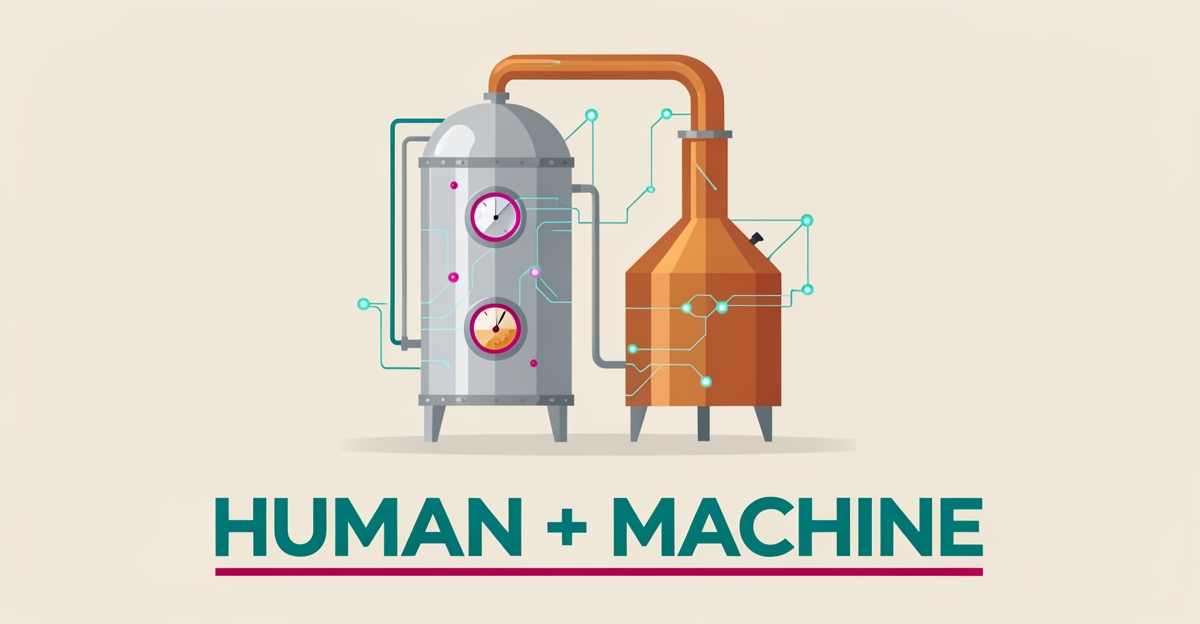
Can AI Replace Human Brewers in the Microbrewery Space? The Reality Check
Key Facts
- The global brewery automation market was valued at USD 2.37 billion in 2024 and is projected to reach USD 4.53 billion by 2033 according to industry research
- AI fermentation monitoring can prevent temperature excursions before they happen, typically reducing batch losses tied to process errors
- Specialized AI tools often break even within a few months by cutting dumped batches and rework according to platform analysis
- Enterprise AI platforms typically cost more and take months to deploy, while craft-focused tools start at lower monthly price points according to market comparisons
- AI handles data-heavy grunt work like inventory counts and scheduling so brewers can focus on recipe innovation and creativity
- The future of brewing isn't human versus machine, it's collaborative, with AI managing logistics while artisans craft the beer
- Breweries under 1,000 barrels annually should typically start with specialized agents for fermentation or inventory to avoid overkill according to implementation research
Hire a team member that works 24/7 — for less than a part-time wage.
AI receptionists, SDRs, dispatchers and 99+ roles. Trained on your business, fully managed.
Not sure where to start? Ask our AI planner
The Replacement Myth vs. Augmentation Reality
The fear that AI will replace human brewers in microbreweries is a persistent myth that overlooks how these technologies are actually being deployed. In reality, AI serves as a powerful augmentation tool, taking over data-heavy, repetitive tasks so brewers can dedicate more time to the creative and innovative aspects of their craft. This shift is not about elimination but empowerment, allowing skilled artisans to focus on recipe development, quality refinement, and responding to evolving consumer tastes.
Market data confirms this trend toward augmentation. The global brewery automation market was valued at USD 2.37 billion in 2024 and is projected to reach USD 4.53 billion by 2033, growing at a CAGR of 7.5% according to industry research. This growth is driven by microbreweries seeking efficiency without sacrificing the human touch that defines craft beer. Automation handles processes like fermentation monitoring and inventory management, freeing brewers for higher-value work.
AIQ Labs supports this augmentation approach by helping breweries integrate AI into existing workflows without displacing skilled staff. Rather than replacing brewers, AI systems manage scheduling, logistics, and quality control data, creating space for human expertise to shine. The result is a collaborative model where technology enhances artistry, ensuring that innovation in the microbrewery space remains firmly in human hands.
- AI handles repetitive tasks like inventory counts and equipment monitoring
- Brewers gain time for recipe experimentation and innovation
- Automation scales production while preserving craft quality
- Implementation timelines typically range from a few weeks for specialized tools to several months for enterprise systems
- ROI is typically achieved within months, depending on the solution and scale
Where AI Actually Fits in Microbrewery Operations
The brewery automation market is booming, valued at USD 2.37 billion in 2024 and projected to hit USD 4.53 billion by 2033, but the growth isn't driven by replacing brewers. It's driven by giving them better tools. Industry analysis shows automation lets microbreweries experiment with recipes and manage complex batches while skilled brewers focus on innovation.
Specialized AI agents are already solving specific microbrewery pain points. Fermentation monitoring systems use predictive analytics to catch temperature excursions before they happen, reducing batch losses tied to process errors. Inventory forecasting tools analyze seasonal demand patterns to reduce raw material waste, while production scheduling agents optimize tank sequencing and logistics. These aren't general-purpose chatbots, they're targeted agents that handle the data-heavy grunt work.
- Fermentation monitoring with predictive temperature control
- Inventory forecasting and raw material waste reduction
- Production scheduling and logistics optimization
- Quality consistency tracking across batches
The ROI patterns tell the real story. Specialized solutions like fermentation monitoring often break even within a few months by cutting dumped batches and rework, while full enterprise platforms take longer but automate end-to-end workflows across multi-location operations. Tool comparisons confirm the pattern: the right fit depends on scale, budget, and which operational bottleneck hurts most.
This mirrors what we see across industries at AIQ Labs, successful AI adoption isn't about replacing expertise. It's about deploying agentic systems that handle repetitive, data-intensive tasks so your people can do the creative, high-judgment work only humans can. The brewer still makes the beer. AI just makes sure the fermenter holds the right temperature at 3 AM.
Choosing the Right AI Approach for Your Brewery Size
Picking the wrong AI stack is the fastest way to waste budget in a microbrewery. The right fit depends on barrels produced, primary pain point, and how much integration your team can absorb.
Enterprise platforms are built for scale. These systems target large, multi-location breweries with end-to-end workflow automation across brewing, packaging and distribution. Implementation typically runs into five figures and several months for full deployment, with ROI following over subsequent quarters according to brewery AI market comparisons. That power is valuable above roughly 2,000 barrels annually, but can be overkill for smaller operations.
Craft-focused tools prioritize ease of use and speed. These platforms are designed for craft breweries wanting interfaces that mirror traditional brewing workflows, often with monthly pricing and rollouts measured in weeks rather than months per independent platform analysis. This tier matches breweries that need scheduling, inventory visibility and quality logging without a dedicated IT team.
Specialized solutions deliver targeted wins fast. Smart fermentation monitoring and demand-forecasting agents typically install in a few weeks and often break even within months. They handle fermentation temperature control, predictive excursion alerts, and raw material ordering, freeing brewers for higher-value work rather than replacing them.
The brewery automation market itself reflects this tiering. It was valued at USD 2.37 billion in 2024 and is projected to reach USD 4.53 billion by 2033, growing at 7.5% CAGR according to growth market research. Growth is driven by craft and microbreweries using automation to experiment with recipes and manage complex batches while protecting quality.
Match complexity to operational need:
- Barrels under 1,000 annually: start with a specialized agent for fermentation or inventory to avoid overkill and integration drag
- 1,000-2,000 barrels with growth plans: craft-focused platform with monthly pricing and a weeks-long rollout
- Multi-location or >2,000 barrels: enterprise platform with a multi-month implementation and dedicated integration resources
Integration risk rises with scope. Enterprise rollouts can demand significant weekly time from the brewing team during deployment, and not all tools integrate cleanly with systems like BrewNinja or Ekos Brewmaster. A focused roadmap prevents stalled pilots.
At AIQ Labs, we help breweries map solution complexity to barrels produced and primary operational need. A single AI Workflow Build rebuilds the one workflow that costs you the most, fixed price, phased, so AI supports human expertise by handling data, scheduling and logistics without replacing skilled artisans.
Implementation Roadmap Without Losing the Craft
For microbreweries considering AI integration, the path forward isn't about replacement, it's about strategic augmentation that preserves the brewer's artistry while enhancing operational precision. The first step is a thorough readiness assessment, evaluating current workflows, data infrastructure, and team capacity to identify where AI can handle repetitive tasks like inventory tracking, production scheduling, or quality monitoring without disrupting the creative core. This aligns with industry observations that automation frees skilled brewers to focus on innovation and product development, directly addressing pain points such as excessive time spent on manual inventory counts or equipment monitoring.
Next, workflow mapping clarifies exactly how AI tools will interface with existing processes, ensuring integration complements rather than overrides human expertise. For instance, specialized solutions for fermentation monitoring or raw materials management can often be deployed in a few weeks, targeting specific challenges such as preventing temperature excursions or reducing raw material waste. Integration with current brewery management systems is critical here; while some tools offer seamless connectivity, others may require custom bridges, a challenge AIQ Labs addresses by building AI agents that work within the brewery's established tech stack rather than around it.
Governance and human-in-the-loop controls form the backbone of responsible adoption, establishing clear boundaries where AI provides data-driven recommendations but final decisions, especially those impacting flavor profiles or experimental batches, remain with the brewmaster. This approach emphasizes audit trails, compliance, and continuous optimization. Finally, ongoing refinement ensures the system evolves with the brewery's goals, scaling from pilot workflows to broader departmental automation. With AIQ Labs you can start monthly, build in milestones, or own the system outright, so you keep ownership of both the AI assets and your craft.
Still paying for 10+ subscriptions that don’t talk to each other?
We build custom AI systems you own outright. No vendor lock-in. Full control.
Not sure where to start? Ask our AI planner
Frequently Asked Questions
Will AI actually replace my head brewer or brewing staff?
How much does it cost to implement AI in a small microbrewery?
What's the typical ROI timeline for brewery AI tools?
Which specific brewing tasks can AI handle right now?
Is my brewery too small to benefit from AI automation?
How do I implement AI without disrupting our current brewing workflow?
Brew Smarter, Not Harder: The Human-Machine Partnership
The reality check is clear: AI isn't coming for brewers, it's coming for the repetitive, data-heavy work that keeps them from brewing. From predictive fermentation monitoring that cuts batch losses to inventory forecasting and scheduling agents that free up time for recipe experimentation, the tools being adopted are augmentation layers, not replacements. The brewery automation market, valued at USD 2.37 billion in 2024 and projected to reach USD 4.53 billion by 2033 according to industry research, is growing because microbreweries want efficiency without losing craft. Success comes from matching complexity to need, specialized agents for under 1,000 barrels, craft platforms for growth-stage operations, and enterprise systems for multi-location scale, with clear governance and human-in-the-loop controls. If you're evaluating AI, start with a readiness assessment of workflows and data, map one high-impact pain point, and pilot a targeted solution with measurable ROI. AIQ Labs has deployed 200+ multi-agent systems and runs four live SaaS products daily, so we know what holds up in production. Start the 2-minute Fit Check at https://aiqlabs.ai/apply for a free 30-minute strategy call to identify your highest-ROI automation opportunity.
Make AI your competitive advantage — not just another tool.
Strategy, implementation and ongoing optimization. One partner, end to end.
Not sure where to start? Ask our AI planner