Can AI Replace Human Counselors in Student Intake? A Reality Check for Charter Schools
Key Facts
- AI can process large volumes of intake data quickly and accurately, making it well suited to screening and document handling.
- AI lacks the emotional intelligence and empathy human counselors provide, especially in sensitive conversations.
- AI can support self-discovery by asking structured, probing questions that help students reflect.
- AI agents can gather student information and verify basic eligibility 24/7 without fatigue.
- Human oversight remains essential to ensure compliance, sensitivity, and contextual understanding in intake.
Hire a team member that works 24/7 — for less than a part-time wage.
AI receptionists, SDRs, dispatchers and 99+ roles. Trained on your business, fully managed.
Not sure where to start? Ask our AI planner
The Intake Bottleneck Charter Schools Face Today
Charter schools face a growing intake bottleneck as enrollment demands rise and counselor resources remain stretched thin. Manual student intake processes, including data collection, form processing, and preliminary background checks, consume significant staff time that could otherwise be directed toward high-need student support. This imbalance creates scalability challenges, especially during peak enrollment periods when counselors must juggle routine administrative tasks with urgent emotional and academic interventions.
Without automation, counselors often spend hours on repetitive intake work, limiting their availability for students requiring personalized guidance or crisis support. This misallocation of effort not only increases operational costs but also risks inconsistent data handling across cases, as manual processes are prone to delays and human error under pressure.
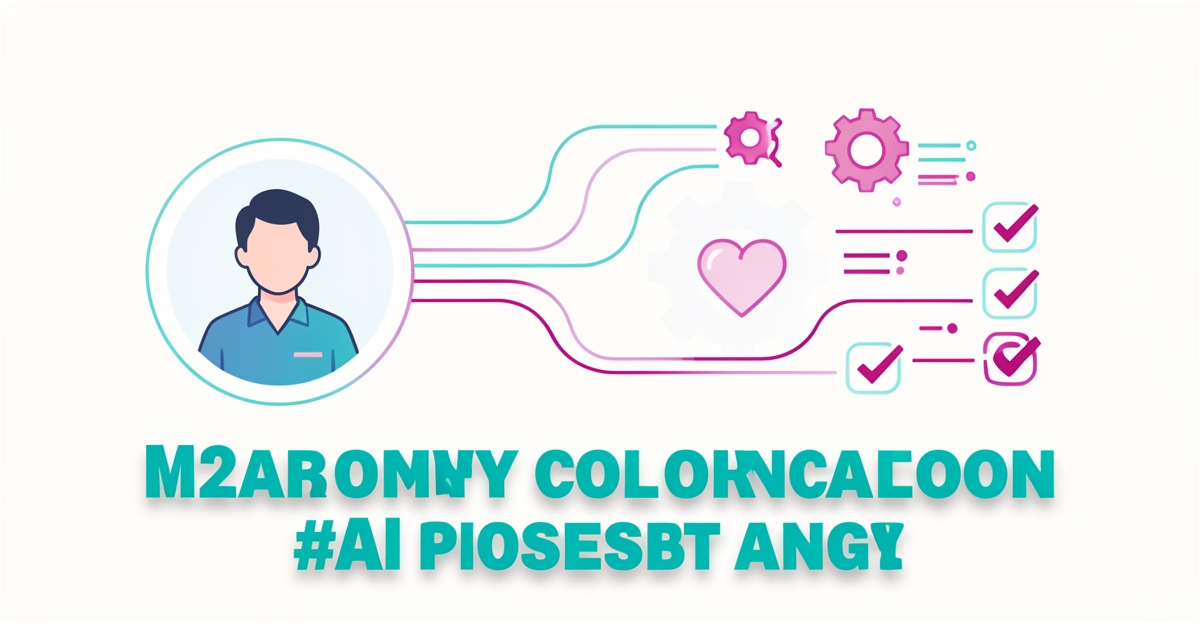
AI-powered tools can help address these challenges by handling initial screening and routine data collection at scale. For example, AI agents can gather student information, verify basic eligibility criteria, and flag inconsistencies for human review, all while operating 24/7 without fatigue. This allows counselors to shift focus from administrative throughput to meaningful engagement, particularly for students navigating complex personal or academic transitions. However, AI lacks the emotional intelligence and empathy essential for holistic student support, making human oversight critical to ensure compliance, sensitivity, and contextual understanding in every intake interaction. By integrating AI as a force multiplier rather than a replacement, charter schools can build a more responsive and equitable intake system. To explore how AI agents can streamline your student intake workflow while preserving the human touch, start the fit check at https://aiqlabs.ai/apply, then schedule a free 30-minute strategy call at https://aiqlabs.ai/book to identify high-ROI automation opportunities tailored to your school's needs.
Where AI Helps and Where It Falls Short in Intake
AI is reshaping how charter schools approach student intake, offering tools that handle the heavy lifting of data processing and initial screening. AI can process large amounts of data quickly and accurately, making it ideal for sorting applications, flagging missing documents, and identifying patterns in student preferences at scale. This allows counselors to shift focus from administrative tasks to the nuanced work of understanding student needs and guiding self-discovery.
AI can also support the process of self-discovery by asking probing questions that help students reflect on what truly attracts them to a school or what makes them unique for essay writing. By facilitating this reflective dialogue, AI-powered tools make valuable counseling insights accessible to a broader audience, especially in resource-constrained settings. However, this strength comes with clear boundaries, AI lacks the emotional intelligence and empathy that human counselors bring to sensitive conversations about trauma, identity, or family challenges.
- Rapid data processing and initial screening
- Self-discovery prompting through structured questioning
- Pattern recognition in student preferences and behaviors
- Scalable support for routine intake tasks
- Freeing counselors for complex, high-touch cases
While AI excels at efficiency, it cannot replace the human judgment required to interpret emotional cues, build trust, or ensure compliance with privacy regulations in student intake. Human oversight remains essential to validate AI-generated insights, intervene when nuance is missed, and uphold ethical standards. As AIQ Labs designs AI agents for intake workflows, the goal is not to replace counselors but to augment their capacity, handling routine tasks so professionals can dedicate their expertise where it matters most: supporting student well-being and growth.
A Hybrid Intake Model for Charter Schools
A hybrid intake model offers a practical path forward for charter schools seeking to balance efficiency with student-centered support. By leveraging AI agents for routine tasks like data collection, initial screening, and pattern-based self-discovery, schools can streamline the intake process without sacrificing the human touch. AI can process large amounts of data quickly and accurately, enabling faster identification of student needs while reducing administrative burden on counseling staff. It can also facilitate self-discovery, asking probing questions that help students reflect on their motivations and strengths, making valuable insights accessible even before a counselor meeting.
This approach allows counselors to redirect their focus toward complex cases, emotional well-being, and final decision-making, areas where human judgment and empathy are irreplaceable. AI lacks the emotional intelligence and empathy that human counselors provide, which is why it works best as a supportive tool, not a replacement, particularly when integrated thoughtfully into existing workflows.
AIQ Labs' AI Employees model enables this balance by deploying production-grade AI agents that handle repetitive intake workflows while integrating seamlessly with school systems. These agents operate 24/7, continuously learn from interactions, and escalate nuanced cases to human staff, ensuring compliance, accuracy, and timely intervention. Counselors retain oversight of high-touch interactions, using AI-generated insights to inform deeper conversations rather than replace them.
- Automate routine data collection and initial screening to reduce counselor workload
- Use AI to facilitate self-discovery through guided, pattern-based questioning
- Escalate complex or sensitive cases to human counselors for personalized support
- Maintain human oversight for final decisions, emotional support, and compliance
- Continuously monitor and refine AI performance based on counselor feedback
This hybrid model doesn't just improve efficiency, it enhances the quality of student support by ensuring that technology handles what it does best, while humans focus on what only they can do. For charter schools aiming to scale support without compromising care, this approach offers a sustainable path forward.
How to Implement AI-Assisted Intake Safely and Effectively
The schools seeing real results from AI-assisted intake aren't the ones that automated everything overnight, they're the ones that followed a deliberate, phased rollout. Here's the roadmap that separates successful implementations from expensive failures.
Start by auditing your intake workflow and flagging the routine, repeatable tasks: data collection, document gathering, appointment scheduling, and initial screening. These are the tasks AI handles reliably, processing large volumes of information quickly and accurately, while your counselors keep ownership of complex cases and student well-being. If you'd rather rebuild the one workflow that costs you the most, a fixed-price Workflow Build is often the fastest entry point.
Once routine tasks are automated, deploy AI where it adds unique value: self-discovery. AI can replicate the process of self-discovery, asking probing questions that help students understand what truly attracts them to a school or what makes them unique. This makes a counseling-style experience accessible to far more students than one-on-one sessions alone ever could.
From there, implementation follows five practical steps:
- Automate data collection and initial screening first, the lowest-risk, highest-volume tasks
- Deploy AI agents for routine intake so counselors focus on complex cases and student well-being
- Add AI-powered self-discovery tools that identify patterns in student preferences
- Train counselors to work alongside AI tools, with clear escalation paths for sensitive situations
- Monitor effectiveness continuously and adjust the human-AI balance as needed
Training is the step most schools underestimate. Counselors need hands-on support to use AI tools effectively, not just a login and a user manual. Staff who learn to supervise and interpret AI outputs now will define how well their schools adapt as adoption grows.
Compliance and human-in-the-loop controls are non-negotiable. Student intake involves sensitive personal data, so every automated workflow needs audit trails, privacy safeguards, and configurable escalation when a situation exceeds the AI's authority. AI lacks the emotional intelligence and empathy human counselors provide, which means a human must always review flagged cases, background check anomalies, and any decision affecting a student's placement.
Finally, treat implementation as an ongoing process, not a one-time project. Track metrics like counselor time saved, response speed, and student satisfaction, then refine the system quarterly. Partners like AIQ Labs structure this as a lifecycle engagement, building intake automation the school owns outright, with monitoring and optimization built in, rather than handing over software and walking away. For schools ready to connect intake with admissions, records, and communications in one system, an AI Operating System built in phases offers that connected layer.
The schools that succeed keep one principle at the center: AI handles the volume; humans handle the judgment. Build your roadmap around that division, and intake becomes faster without becoming colder.
Still paying for 10+ subscriptions that don’t talk to each other?
We build custom AI systems you own outright. No vendor lock-in. Full control.
Not sure where to start? Ask our AI planner
Frequently Asked Questions
Can AI completely replace human counselors in student intake for charter schools?
What specific intake tasks can AI handle effectively in a charter school setting?
How does AI support the self-discovery process in student intake?
Why is human oversight critical when using AI for student intake and background checks?
What is a hybrid intake model and how does it benefit charter schools?
The Human Touch, Amplified
As charter schools navigate the complexities of student intake, the role of AI is not to replace human counselors but to augment their capabilities. By automating routine tasks such as data collection and initial screening, AI can free up counselors to focus on what they do best: providing emotional support and guidance to students. However, human oversight remains essential to ensure compliance and sensitivity in every intake interaction. By embracing a hybrid intake model that combines the strengths of AI and human counselors, charter schools can build a more responsive and equitable intake system. To explore how AI agents can streamline your student intake workflow while preserving the human touch, start the fit check at https://aiqlabs.ai/apply and schedule a free 30-minute strategy call at https://aiqlabs.ai/book to identify high-ROI automation opportunities tailored to your school's needs.
Make AI your competitive advantage — not just another tool.
Strategy, implementation and ongoing optimization. One partner, end to end.
Not sure where to start? Ask our AI planner