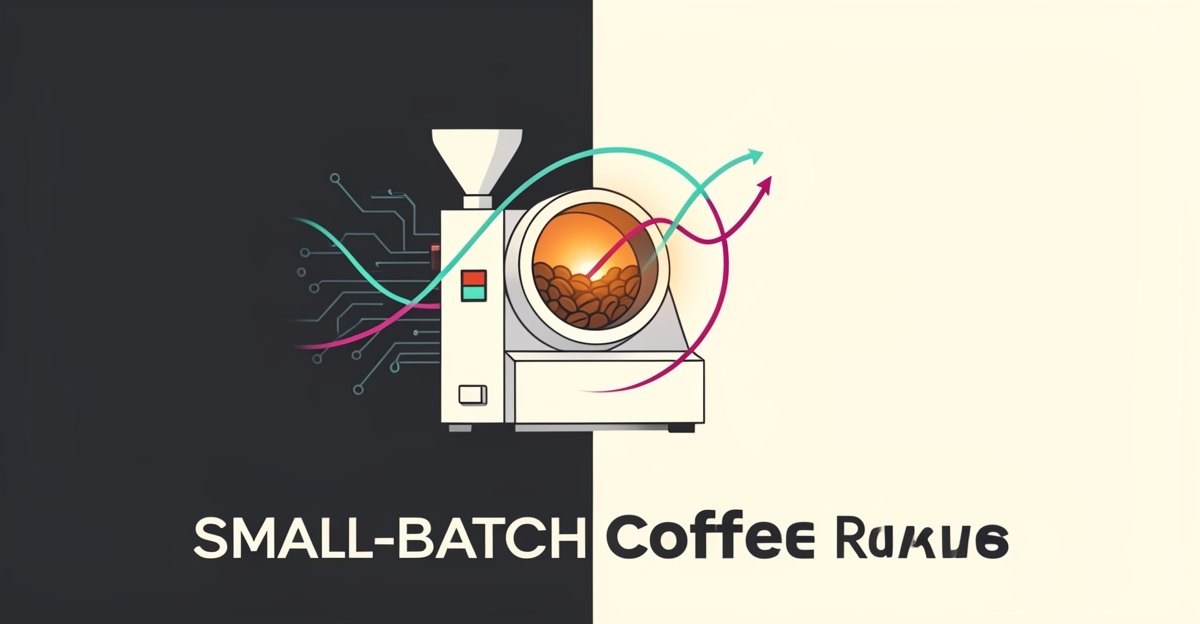
Can AI Replace Human Roasters in Small-Batch Operations? A Realistic Look at the Role of AI in Roasting
Key Facts
- Industry analyses report that AI-assisted roasting platforms can reduce roast-to-roast variation by roughly 40% according to industry analysis
- Practical implementation guides report gains in flavor consistency and complexity when AI-driven profiling guides roast parameters per implementation studies
- Cropster reports that a large majority of its roasters use its AI-assisted roasting features for consistent results per platform data
- AI handles repeatable monitoring and adjustment tasks while human roasters focus on sensory innovation and brand storytelling as noted in industry insights
Hire a team member that works 24/7 — for less than a part-time wage.
AI receptionists, SDRs, dispatchers and 99+ roles. Trained on your business, fully managed.
Not sure where to start? Ask our AI planner
The Precision Gap: Why Small-Batch Roasters Struggle with Consistency
Small-batch roasters often face a frustrating reality: even with meticulous attention to detail, roast-to-roast variation undermines flavor consistency and customer satisfaction. This inconsistency isn't a reflection of skill but rather the inherent challenge of managing dozens of variables, bean moisture, ambient temperature, airflow dynamics, without real-time feedback. For artisans committed to quality, this gap between intention and outcome can erode trust and limit scalability.
AI-assisted roasting platforms directly address this precision gap. Industry analyses report systems like Cropster's Roasting Intelligence can deliver a substantial reduction in roast-to-roast variation, figures around 40% are commonly cited according to industry analysis. This improvement stems from continuous monitoring of bean temperature, rate of rise, and environmental inputs, allowing micro-adjustments that human senses alone cannot consistently execute at scale.
The impact extends beyond consistency to quality gains. Roasters using AI-driven flavor profiling report improvements in both flavor consistency and overall complexity, as the technology identifies subtle parameter-flavor relationships invisible to traditional logging per practical implementation studies. These aren't incremental tweaks, they represent a shift from reactive troubleshooting to proactive profile optimization.
For small operations, this precision translates directly to business resilience. Reduced variation means fewer off-spec batches, lower waste, and greater confidence in subscription programs or wholesale contracts where consistency is non-negotiable. Yet the goal isn't to remove the roaster from the process, it's to free their expertise for what machines cannot replicate: sensory innovation, origin storytelling, and the nuanced judgment that defines a brand's voice. AI handles the repeatable; the human roaster shapes the exceptional. This balance is where true operational excellence begins, not as a replacement for craft, but as its most reliable enabler.
AI as a Roasting Amplifier, Not a Replacement: What the Data Shows
AI is reshaping how small-batch roasters approach their craft, but not by taking over the role of the human expert. Instead, platforms like Cropster, Ikawa, and Bellwether are proving most effective when they work alongside skilled roasters to enhance precision and repeatability. Industry reporting suggests AI-assisted roasting systems can reduce roast-to-roast variation meaningfully, leading to more consistent batches across production runs. This consistency directly supports operational goals, platforms like Cropster report that most roast targets are met when roasters use AI-informed profile data.
Beyond consistency, AI tools are also contributing to gains in flavor development. Implementation studies using multimodal flavor profiling systems have reported increases in overall flavor complexity when AI helps guide roast parameters based on real-time sensory and chemical feedback. These systems don't dictate the roast but instead provide roasters with deeper insight into how variables like temperature ramp and airflow influence taste, allowing for more informed, creative decision-making. The result is a process where technology handles the repetitive monitoring and adjustment tasks, freeing the roaster to focus on profile innovation and sensory evaluation.
Experts across the industry agree that AI functions best as an amplifier of human skill rather than a substitute. AI amplifies the roasting process by handling data-driven precision while leaving the artistry to the professional. This aligns with AIQ Labs' approach to building AI systems: custom workflows designed to augment human expertise in specialized operations, whether in roasting, customer service, or dispatch, ensuring that technology serves as a force multiplier for skilled teams rather than a replacement for their judgment. Roasters using these platforms report not only fewer inconsistencies but also greater confidence in replicating award-winning profiles at scale, a benefit that supports both quality and business sustainability.
From Insight to Action: Implementing AI in Your Roasting Workflow
Starting with AI-assisted roasting platforms provides the foundation for measurable improvements in consistency and waste reduction. According to industry research, these platforms can deliver significant reductions in roast-to-roast variation and overall inconsistency. For small-batch operations, this translates directly to fewer discarded batches and more predictable output, freeing up human roasters to focus on profile development and sensory evaluation rather than correcting avoidable errors.
Multimodal flavor profiling systems take the next step by linking roast parameters to sensory outcomes with new precision. As noted in practical implementation guides, these systems can drive gains in flavor consistency and complexity. However, their effectiveness depends on human interpretation, AI identifies patterns, but skilled roasters validate them against cupping notes and customer feedback to ensure alignment with brand intent and market expectations.
Real-time adaptive control closes the loop by adjusting variables like airflow and temperature during the roast to maintain target profiles despite bean or environmental fluctuations. Platforms such as Cropster demonstrate this capability in practice, with their data showing widespread adoption of AI-assisted features for consistent results. This level of precision minimizes human error under pressure while preserving the roaster's authority over final decisions.
For small-batch operations seeking to implement these systems without disrupting workflow, AIQ Labs' AI Employees offer a structured approach. Rather than replacing the roaster, a managed AI staff member can handle platform monitoring, data logging, and routine adjustments, tasks that consume valuable time but don't require sensory expertise. By integrating with tools like Cropster via API, the AI Employee ensures continuous optimization while the human roaster focuses on innovation, quality control, and customer engagement. This partnership model aligns with AIQ Labs' broader approach: building systems that augment human capability, not substitute for it. If your roasting operation has workflows beyond the drum that need rebuilding, AIQ Labs' AI Workflow Builds tackle the single costliest process at a fixed price.
Still paying for 10+ subscriptions that don’t talk to each other?
We build custom AI systems you own outright. No vendor lock-in. Full control.
Not sure where to start? Ask our AI planner
Frequently Asked Questions
Can AI actually replace a human coffee roaster?
How much does AI improve roast consistency in small-batch operations?
Does AI-roasted coffee actually taste better?
What AI roasting platforms should small-batch roasters consider?
What are the downsides or challenges of using AI in roasting?
How do I start adding AI to my roasting workflow without disrupting my business?
Where Precision Meets Craft: The Future of Small-Batch Roasting
The evidence is clear: AI isn't here to replace the roaster, it's here to elevate them. By reducing roast-to-roast variation and supporting flavor consistency, AI-powered platforms like Cropster give small-batch roasters the precision they need to scale quality without sacrificing soul. This isn't about automation for automation's sake; it's about freeing skilled artisans to focus on what machines can't replicate, sensory innovation, origin storytelling, and the nuanced judgment that builds brand loyalty. For roasters ready to turn inconsistency into opportunity, the next step is simple: see where AI can amplify your craft. Start the Fit Check, a free, two-minute assessment, to uncover your highest-ROI automation opportunities, then schedule a free 30-minute strategy call to map your path forward. Begin your Fit Check today and discover how managed AI systems can become your most reliable enabler of craft and consistency.
Make AI your competitive advantage — not just another tool.
Strategy, implementation and ongoing optimization. One partner, end to end.
Not sure where to start? Ask our AI planner