From Manual Logs to AI-Driven Progress Tracking: A Road Construction Case Study
Key Facts
- Road construction companies can cut reporting time substantially, often by as much as 80%, with AI-powered progress tracking.
- Manual progress tracking can consume the majority of reporting time, as teams transcribe field notes and reconcile data by hand.
- Modern document-processing AI can handle scanned logs and paperwork at a pace no human team can match manually.
- AI-driven systems deliver near real-time visibility versus hours or days for manual reports.
- Automated validation catches discrepancies immediately while manual checks miss errors until they compound.
Hire a team member that works 24/7 — for less than a part-time wage.
AI receptionists, SDRs, dispatchers and 99+ roles. Trained on your business, fully managed.
Not sure where to start? Ask our AI planner
The Hidden Cost of Manual Progress Tracking in Road Construction
Road construction teams often spend more time documenting progress than building it. While crews lay asphalt and pour concrete, someone back at the office transcribes field notes, reconciles GPS coordinates, and validates numbers, a cycle that can consume the bulk of reporting time on busy projects.
This manual grind creates a cascade of hidden costs. Field supervisors delay critical decisions waiting for yesterday's data to become today's reports. Administrative staff burn hours on repetitive data entry instead of analyzing trends or solving problems. Project managers make resource allocation choices based on stale information, while clients receive updates that describe last week's reality rather than current conditions.
The problem intensifies as projects scale. Document processing bottlenecks emerge when teams handle hundreds of daily logs, inspection reports, and equipment records. Modern document-processing AI can scan, extract, and validate paperwork at a pace no human team can match manually. Yet many road construction firms still rely on spreadsheets and handwritten logs, creating validation backlogs that compound daily.
This is why a growing share of construction leaders are increasing AI investment year over year. The shift recognizes that manual tracking doesn't just waste time, it actively undermines project outcomes through:
- Reporting delays that turn real-time problems into historical artifacts before managers see them
- Human error in transcription and calculation that skews progress metrics and billing accuracy
- Resource drain as skilled staff perform clerical work instead of applying their expertise
- Decision lag where stakeholders act on outdated information about timelines and budgets
The contrast becomes stark when comparing traditional methods to automated alternatives. Where manual processes require hours or days to compile comprehensive reports, AI-driven systems deliver near real-time visibility. This isn't merely about speed, it's about data integrity. Automated validation catches discrepancies immediately, while manual checks often miss errors until they compound into significant discrepancies.
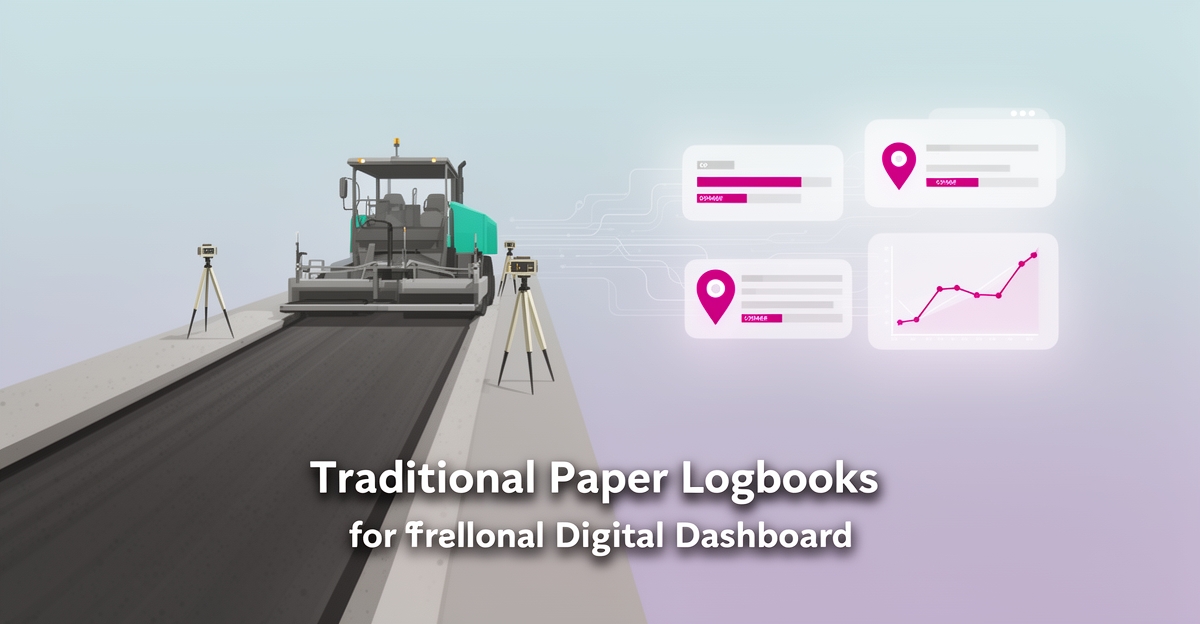
AIQ Labs addresses these specific pain points through AI Workflow Builds, custom monitoring systems that pull data directly from field tools, GPS devices, and existing logs. Rather than forcing teams to change how they work, these systems work alongside current processes, automatically aggregating information into dashboards that update continuously. The result transforms reporting from a retrospective chore into a proactive management tool.
The financial impact extends beyond labor hours saved. When reporting takes a fraction of the time it used to, project managers gain capacity to optimize crew deployment, address safety concerns faster, and maintain tighter budget control. Real-time visibility replaces guesswork, allowing teams to spot deviations from schedule or budget before they become costly overruns.
How AI-Powered Progress Tracking Transforms Construction Monitoring
Construction monitoring is undergoing a fundamental shift as AI-powered systems transform how progress is tracked and reported. Instead of relying on manual logs and periodic updates, modern solutions now automate data collection from GPS devices, field sensors, and digital tools into unified real-time dashboards. This integration eliminates the delays and errors inherent in manual processes, giving managers and clients immediate visibility into project status. Companies implementing these AI-driven systems typically report reporting-time reductions of up to 80%, freeing personnel for higher-value tasks.
The technical foundation of these systems lies in their ability to ingest and process diverse data streams with minimal human intervention. Field tools equipped with GPS continuously transmit location and activity data, while digital logs from equipment and sensors feed into centralized processing pipelines. AI algorithms then clean, correlate, and validate this information before presenting it through intuitive dashboards that highlight key metrics like completion percentages, schedule adherence, and resource utilization. This approach not only accelerates reporting but also improves data accuracy by reducing transcription errors and inconsistencies common in manual entry. For construction firms managing complex infrastructure projects, this shift from reactive to proactive monitoring enables faster issue identification and more informed decision-making.
AIQ Labs develops custom monitoring solutions that embody this transformation, building systems that connect directly to existing field infrastructure without requiring complete overhauls of current workflows. These platforms are designed to handle the specific data formats and communication protocols used in construction equipment, ensuring seamless integration with tools already in use on job sites. By focusing on interoperability and real-time processing, these systems deliver the immediate visibility that modern construction management demands while maintaining compatibility with legacy equipment that may not support native digital outputs. The result is a monitoring solution that enhances operational intelligence without disrupting established field practices.
Implementing AI Progress Tracking: A Step-by-Step Roadmap for Construction Teams
Implementing AI progress tracking transforms how road construction teams monitor projects by turning fragmented data into actionable insights. Teams that move from manual logs to AI-powered systems typically see reporting time drop by as much as 80%, because data collection from field tools, GPS, and logs flows automatically into real-time dashboards. This shift allows teams to move beyond reactive reporting toward proactive decision-making based on current, accurate information.
The implementation begins with assessing current manual processes to identify specific automation opportunities in logging and reporting workflows. Teams then catalog all data sources, including GPS devices, field sensors, equipment telematics, and daily logs, to ensure comprehensive data capture. Selecting an appropriate AI platform involves evaluating integration capabilities with existing construction tools and the system's ability to handle heterogeneous data formats common in field operations.
Integrating field data collection requires connecting GPS trackers, sensors, and digital tools to the AI system for continuous data flow, while configuring data processing pipelines establishes automated workflows for extracting and validating information from both digital records and scanned manual logs. Designing intuitive dashboard interfaces ensures managers and clients can instantly grasp project status through visual progress metrics, completion forecasts, and resource utilization trends.
Staff training focuses on interpreting AI-generated insights rather than manual data entry, emphasizing how the system supports higher-value activities like issue resolution and resource optimization. Continuous monitoring and optimization protocols refine the system based on field feedback, adjusting validation rules and dashboard configurations as project phases evolve. This structured approach ensures AI progress tracking delivers sustained value by freeing personnel from administrative tasks and enabling data-driven decisions that keep projects on schedule and within budget. For teams ready to explore this transformation, start with AIQ Labs' 2-minute Fit Check, then book your free 30-minute strategy call to map high-ROI automation opportunities specific to road construction workflows.
Still paying for 10+ subscriptions that don’t talk to each other?
We build custom AI systems you own outright. No vendor lock-in. Full control.
Not sure where to start? Ask our AI planner
Frequently Asked Questions
How much time can AI actually save on construction progress reporting?
Will we need to replace all our existing field tools and GPS equipment to use AI tracking?
How accurate is AI data compared to manual entry by experienced staff?
What's involved in implementing an AI progress tracking system for road construction?
Why are so many construction firms investing in AI right now?
Can AI handle the variability and unpredictability of actual construction sites?
Turning Data Into Direction: Your Next Move
Road construction teams no longer need to choose between building and documenting. As teams that switch to AI-powered tracking typically find, reporting-time reductions of up to 80% transform progress monitoring from a retrospective burden into a strategic asset. By connecting GPS devices, field sensors, and existing logs into real-time dashboards, firms gain immediate visibility that eliminates decision lag, reduces errors, and redirects skilled staff from clerical work to high-value problem solving. The technology integrates with current workflows rather than disrupting them, making the shift practical for operations of any scale. For construction leaders ready to reclaim those lost hours and gain true project visibility, AIQ Labs offers a free 30-minute strategy call to assess your current systems and map high-ROI automation opportunities specific to your workflows. Start with the 2-minute Fit Check, then book your free strategy call. This working session helps you identify exactly where AI can eliminate your biggest bottlenecks, no obligation, just a clear roadmap for turning your project data into actionable direction.
Make AI your competitive advantage — not just another tool.
Strategy, implementation and ongoing optimization. One partner, end to end.
Not sure where to start? Ask our AI planner