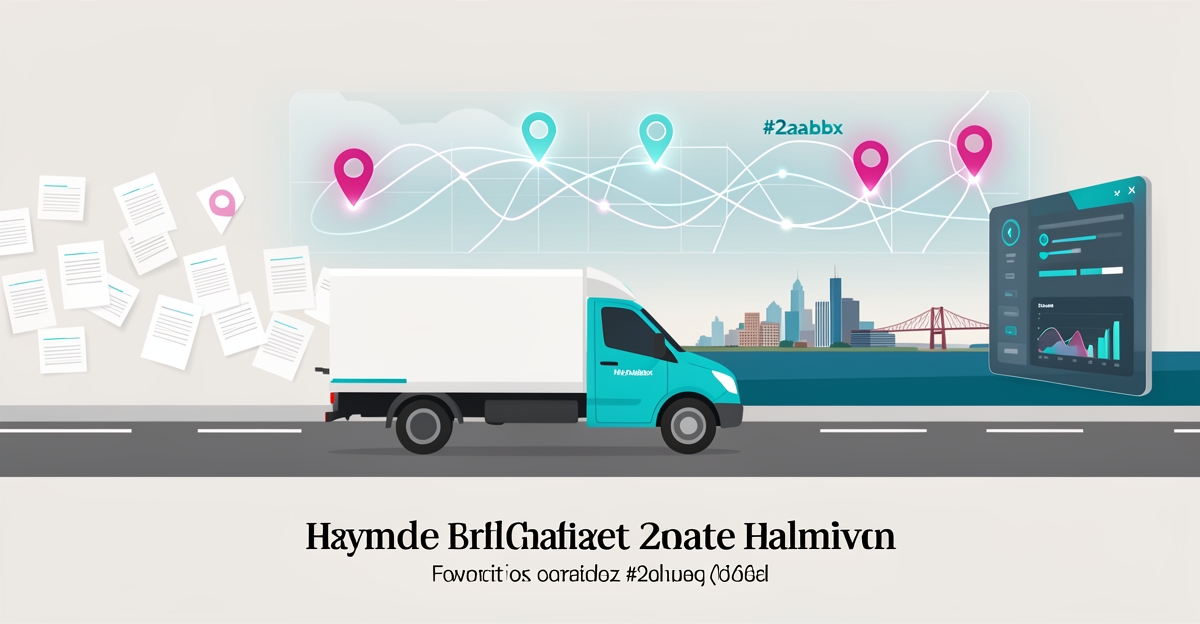
From Manual Logs to AI: How One Propane Business in Halifax Automated Delivery Tracking and Reporting
Key Facts
- Manual route planning typically consumes 2-3 hours of dispatcher time daily in propane operations.
- AI route optimization typically reduces fuel costs by 20-30% for propane fleets, depending on route density and fleet size.
- Real-time tracking eliminates the lag between what happens on the road and what the office knows.
- Propane route automation typically reaches ROI within a few months for mid-sized fleets.
- AIQ Labs has deployed 200+ multi-agent systems and runs 4 live SaaS products daily.
Hire a team member that works 24/7 — for less than a part-time wage.
AI receptionists, SDRs, dispatchers and 99+ roles. Trained on your business, fully managed.
Not sure where to start? Ask our AI planner
The Hidden Cost of Paper Logs in Propane Route Management
Paper logs don't just slow propane route management down, they quietly drain the budget every single day. For a Halifax fleet running on manual logs and spreadsheets, the hidden costs pile up in fuel, labor, and missed service windows.
Dispatchers typically spend 2-3 hours daily on manual planning just to build routes that are outdated before the trucks leave the yard. Manual planning creates detours, overloaded trucks, and last-minute emergency reroutes that burn fuel and driver hours.
Propane delivery trucks in this class typically achieve 6-8 MPG. With diesel prices fluctuating, an active route can easily run hundreds of dollars a day in fuel alone. That baseline makes inefficiency expensive fast.
Add driver wages on top, and those 2-3 hours of daily planning translate to meaningful labor overhead per dispatcher per day, before the cost of errors. Route optimization benchmarks generally show fleets can cut fuel spend by 20-30% and recover those planning hours for higher-value work.
The operational pain shows up in the field as more than numbers:
- Fuel waste from zig-zag routes and repeated trips
- Labor overhead from 2-3 hours of daily manual planning per dispatcher
- Missed or delayed emergency deliveries when paper logs can't reflect real-time tank levels
- Driver downtime waiting for updated instructions and manual service confirmations
Without real-time visibility, dispatchers can't monitor driver locations or delivery progress, which erodes customer service and makes emergency coordination reactive. Manual logs create a lag between what happens on the road and what the office knows, forcing conservative over-delivery and risking stockouts.
This is the context AIQ Labs encountered when building a custom AI workflow for propane route management and field operations, the kind of project that fits our AI Workflow Builds, where we rebuild the one workflow that costs the most, at a fixed price and in phases. The system was designed to replace paper-based tracking with automated delivery updates and real-time reporting, directly targeting the fuel and labor drains above.
The math is stark: fuel savings in the 20-30% range are commonly achievable with optimized routing, alongside hours of recovered planning time per dispatcher. Paper logs turn those savings into permanent overhead.
When route planning stays manual, propane businesses pay for inefficiency in every mile driven and every hour logged.
How AI-Driven Route Optimization Replaces Manual Planning
The propane delivery company in Halifax was spending 2-3 hours each day manually planning routes using paper logs and spreadsheets, a process that consumed valuable time and often led to inefficient routing. AIQ Labs designed a custom AI-powered system that replaced this manual workflow with intelligent route optimization, automatically calculating the most efficient paths based on real-time data. This shift eliminated guesswork and allowed dispatchers to focus on higher-value tasks rather than spending hours on route calculations.
The system uses capacity-based routing to ensure each truck is loaded to optimal levels without exceeding weight limits, while also factoring in DOT requirements and delivery time windows. By analyzing historical usage patterns and current tank levels, the AI prioritizes deliveries based on urgency, handling emergency propane refills with dynamic rerouting while maintaining scheduled service integrity. These capabilities directly address the complexity of propane logistics, where vehicle capacity and emergency responsiveness are critical to operational success.
Real-time adjustments are a core feature of the platform, enabling the system to recalculate routes instantly when delays occur, new emergency calls come in, or road conditions change. Drivers receive updated instructions through mobile interfaces, reducing the need for dispatcher intervention and minimizing disruptions to service. This adaptive routing ensures that even when plans shift, the business maintains high delivery accuracy and customer satisfaction.
The impact of this automation is measurable: the Halifax propane business achieved fuel cost savings in the 20-30% range through optimized routing, driven by reduced mileage, fewer idle hours, and better load distribution across the fleet. By replacing manual planning with AI-driven decision-making, the company not only cut operational costs but also improved scalability, handling more deliveries without adding drivers or vehicles. The system continues to learn from each route, refining its recommendations over time to further enhance efficiency.
Real-Time Tracking, Automated Updates and Reporting
Paper logs and end-of-day spreadsheets leave dispatchers blind between check-in and check-out. Real-time tracking and automated delivery status updates change that visibility into a live operational picture for the Halifax propane team.
Dispatchers now monitor driver locations and delivery progress as it happens, instead of waiting for manual calls or written logs. Automated status updates flow from the field to the office without driver data entry, keeping customers informed and enabling faster emergency coordination. This visibility supports the AI-driven workflows built for propane route management and field operations.
The shift removes the 2-3 hours of daily manual planning that traditionally consumed driver and dispatcher time. With planning automated, the team reallocates that time to exception handling and customer service rather than route reconstruction.
Labor efficiency compounds quickly. Recovering even a couple of hours per dispatcher per day adds up to thousands of dollars in monthly labor value across a fleet, value that currently goes to route reconstruction and paperwork.
Real-time tracking also improves emergency response. When a priority delivery arises, dispatchers see current location, remaining tank capacity, and next stops instantly, then re-sequence routes with minimal disruption. Customers receive proactive updates instead of reactive apologies, strengthening service reliability.
The system's reporting layer turns live data into actionable intelligence. Managers review completed stops, on-time performance, and exceptions without chasing paperwork. Automated delivery updates ensure the office and drivers share one source of truth, reducing miscommunication and duplicate calls.
Key operational gains from real-time visibility include:
- Live driver location and ETA sharing for dispatcher visibility
- Automatic customer notifications on arrival, delay, or completion
- Instant re-routing for emergency deliveries without manual replanning
- Daily and monthly reports generated without spreadsheet consolidation
Fuel efficiency benefits follow as well. Optimized, real-time routing typically contributes 20-30% fuel cost savings for propane fleets, reinforcing the financial case alongside labor savings.
AIQ Labs built the custom system around these field realities, replacing paper logs with an owned workflow that tracks deliveries, updates service status, and generates real-time reports. The result is a dispatch operation that is more responsive, accountable, and cost-effective without adding headcount.
From Pilot to Production: Implementing AI Workflows in Field Operations
Pilot success means nothing until it survives a full season of deliveries, DOT checks, and emergency fills. For the Halifax propane operator, the move from paper logs and spreadsheets to an automated system started with a contained pilot on one route and scaled through deliberate milestones.
The pilot validates AI route optimization against real-world constraints. AIQ Labs builds capacity-based routing that automatically calculates propane tank loads, respects time windows, and reprioritizes for emergency deliveries. Industry benchmarks generally show AI-powered optimization can deliver 20-30% fuel cost savings for propane fleets.
Mobile driver features remove the administrative drag that kills adoption. Drivers receive optimized stops, confirm deliveries, and update service status from the field, cutting the 2-3 hours of daily manual planning typical in propane operations. Real-time tracking gives dispatchers visibility into location and progress without phone check-ins.
Real-time reporting closes the loop for operations and ownership. Dashboards consolidate deliveries, fuel use, and service status so managers see performance daily, not monthly. The Halifax system generates automated delivery updates and live reporting that support both customer service and compliance.
Implementation follows a practical rollout sequence that mirrors how field teams actually work:
- Deploy AI route optimization with capacity and priority rules for emergency fills
- Enable mobile driver features for proof of delivery and status updates
- Establish real-time reporting for dispatch, customers, and management
- Calculate ROI from fuel, labor, and maintenance savings
ROI calculation anchors the business case. Fuel savings in the 20-30% range, plus recovered planning hours per dispatcher per day, typically add up to a payback period measured in months, not years, for mid-sized propane fleets.
Payment structure aligns with risk tolerance. Teams can Start Monthly with one AI employee on a flat monthly plan, Build in Milestones with a workflow or department system approved phase by phase, or Own It Outright for full ownership of code, agents, and data. Full details are on our pricing page, no fake prices, no invented numbers.
Production readiness separates pilots from lasting gains. Validation layers, human-in-the-loop escalation, and audit trails ensure AI-generated routes remain reliable under DOT requirements and weather disruptions. For operators ready to go further, an AI Operating System connects routing, dispatch, and reporting into one operating layer, built in phases and owned outright. With ROI typically arriving within a few months, the Halifax operation moves from manual logs to owned automation that scales with demand.
Start the 2-minute Fit Check at https://aiqlabs.ai/apply to map your biggest bottleneck and identify high-ROI automation opportunities.
Still paying for 10+ subscriptions that don’t talk to each other?
We build custom AI systems you own outright. No vendor lock-in. Full control.
Not sure where to start? Ask our AI planner
Frequently Asked Questions
How much time do propane dispatchers typically spend on manual route planning each day?
What fuel savings can propane businesses expect from AI-powered route optimization?
How does real-time tracking improve emergency propane deliveries?
What labor cost reductions result from automating propane route planning?
What is the typical return on investment timeline for propane companies implementing AI route optimization?
Can AI route optimization handle DOT requirements and delivery time windows for propane trucks?
From Paper Logs to Propane Profits: Your Next Step Forward
The Halifax propane business showed how manual logs drain resources, burning fuel, labor hours, and customer trust through inefficient routing and delayed updates. By switching to an AIQ Labs custom AI workflow, they achieved fuel savings in the 20-30% range, reclaimed hours of daily planning time per dispatcher, and gained real-time visibility that turns reactive scrambles into proactive service. The math is clear: optimized routing and automated reporting don't just cut costs, they build a foundation for scaling deliveries without adding headcount or vehicles. If your team still relies on paper logs or spreadsheets for route planning, the opportunity to recover those losses is waiting. Start the 2-minute Fit Check at https://aiqlabs.ai/apply to map your biggest bottleneck and uncover where AI-driven automation can deliver measurable ROI in your operations.
Make AI your competitive advantage — not just another tool.
Strategy, implementation and ongoing optimization. One partner, end to end.
Not sure where to start? Ask our AI planner