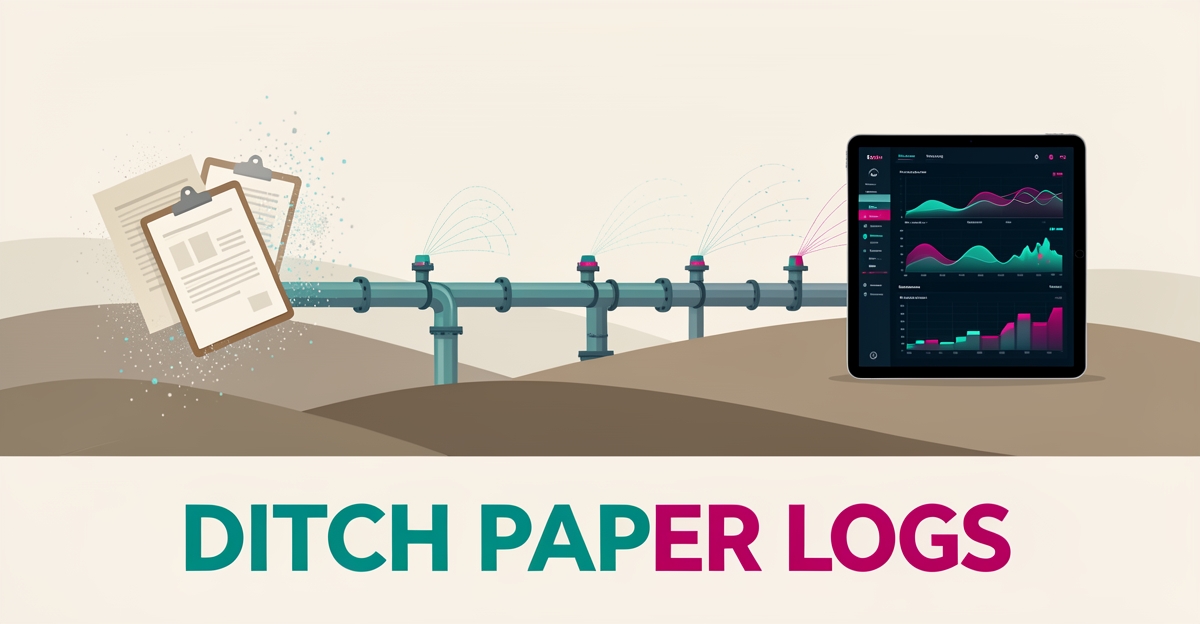
From Manual Logs to AI: How Pipeline Inspectors Can Automate Field Data Collection
Key Facts
- Manual transcription is one of the most common sources of error in field data collection, every hand-copied entry is a chance for a missing weld number or misread gauge
- Real-time validation flags incomplete or inconsistent records while inspectors are still on site, not days later
- Automated timestamping and tamper-evident trails make audit preparation faster and less stressful
- Digital capture feeds inspection data directly into reporting, compliance, and maintenance systems without re-entry
- Phased implementation, pilot first, then scale, remains the most reliable path from pilot to production
- AI shifts the inspector's role from data entry toward interpretation and decision support; skilled oversight still matters
Hire a team member that works 24/7 — for less than a part-time wage.
AI receptionists, SDRs, dispatchers and 99+ roles. Trained on your business, fully managed.
Not sure where to start? Ask our AI planner
The Hidden Cost of Paper Logs in Pipeline Inspection
Pipeline inspection teams still relying on paper logs face daily friction that slows operations and increases risk. Manual data entry in the field is inherently error-prone, with inspectors often juggling clipboards, pens, and harsh environmental conditions while trying to record critical measurements and observations accurately. This workflow not only consumes valuable time but also creates bottlenecks when information must later be transcribed into digital systems for reporting or analysis. As a result, inspection cycles take longer, and the window for timely maintenance decisions narrows.
Organizations still using manual logging methods typically experience efficiency losses and accuracy gaps that directly impact operational reliability. Across industrial operations, real-time equipment monitoring and AI-assisted maintenance processes have been gaining ground for years as of late 2026, and the direction of travel is clear. Teams that continue with paper logs miss the ability to instantly validate data, flag anomalies, or feed insights into predictive analytics pipelines, leaving potential issues undetected until they escalate.
The hidden costs of paper logs extend beyond inefficiency to include compliance and audit readiness challenges. Paper records are difficult to organize, search, and verify at scale, making regulatory inspections and internal audits time-consuming and stressful. Missing signatures, illegible handwriting, or lost pages can compromise data integrity and trigger costly follow-ups. In contrast, AI-powered mobile tools enable real-time data validation, automatic timestamping, and secure cloud synchronization, creating a tamper-evident trail that supports compliance with industry standards. By eliminating manual transcription steps, these systems remove the most common source of field data error, ensuring that inspection data is not only accurate but also instantly available for trend analysis, reporting, and decision-making.
- Eliminates delays caused by manual data entry and transcription
- Ensures data accuracy through real-time validation and error checking
- Creates audit-ready records with automated timestamps and audit trails
- Enables immediate access to inspection data for analytics and reporting
- Reduces administrative burden so inspectors can focus on field work
For pipeline inspection companies, the shift from paper to AI-driven data collection isn't just about modernization, it's about removing a persistent source of risk and inefficiency that undermines both safety and operational performance. AIQ Labs supports this transition through AI Workflow Builds, rebuilding the one workflow that costs you the most, at a fixed price, in phases, capturing, validating, and organizing field inspection data in real time without requiring inspectors to change how they work in the field. The result is a more reliable, responsive, and compliant inspection process that turns raw field data into actionable intelligence.
How AI-Powered Mobile Collection Changes Field Work
The clipboard and paper log are quietly costing pipeline inspection companies money every day, through transcription errors, delayed reporting, and audit findings that surface weeks after the field work is done. AI-powered mobile collection flips that model, capturing, validating, and organizing data the moment it's recorded.
The shift is already well underway across industrial operations. Real-time equipment monitoring and AI-assisted maintenance have moved from early-adopter territory into mainstream practice as of late 2026, and pipeline inspection sits squarely in the path of this trend.
What makes AI mobile tools different from simple digital forms is validation at the point of capture. Instead of discovering a missing weld number or an incomplete reading back at the office, the system flags gaps in real time, while the inspector is still standing at the pipeline.
The practical impact is what turns skeptics into advocates:
- Errors surface in the field, not weeks later, when they can still be corrected on site
- Audit packages assemble themselves from complete, timestamped records instead of chasing down paper
- Real-time analytics replace lagging paper reports, enabling faster, better-informed decisions
- Inspection data flows directly into maintenance and compliance systems without re-entry
That timing matters for inspection companies weighing the investment. The value doesn't arrive as a vague promise of future efficiency, it shows up quickly in cleaner records, faster report turnaround, and audit packages that are ready when regulators or clients ask.
AI creates real value when it tackles hard, physical problems, precisely the kind of field-level data challenges pipeline inspectors face daily. The machines and the miles of pipe have been generating information for years; the difference now is that organizations are finally building systems capable of listening.
Adoption still requires care. Integration with existing systems, data validation, cybersecurity, and crew training are the hurdles that separate successful deployments from stalled pilots. This is where purpose-built systems earn their keep: AIQ Labs builds AI data collection platforms that capture, validate, and organize field data in real time, systems the inspection company owns outright, with audit trails and validation layers designed in from the start rather than bolted on. For teams that want managed capacity alongside the platform, AI Employees can handle the back-office side, chasing incomplete records, compiling reports, and keeping compliance documentation current, at a fraction of the cost of additional headcount.
For inspection teams still logging by hand, the question is no longer whether AI mobile collection works. The operational evidence is clear, it's a question of how quickly you can phase it in.
From Pilot to Production: A Practical Automation Roadmap
Transitioning from manual logs to AI-powered field data collection requires a structured approach to ensure lasting value. Begin by assessing current processes to identify bottlenecks and data gaps, then select tools that align with field conditions and regulatory requirements. Integration with existing systems, such as maintenance management or compliance platforms, ensures data flows seamlessly across operations. Training personnel on new workflows builds confidence and adoption, while continuous monitoring validates improvements in accuracy and efficiency. This phased roadmap supports sustainable transformation, turning pilot successes into scalable, production-ready capabilities. AIQ Labs supports this journey through systems clients own outright, enabling long-term control and optimization without vendor lock-in. By focusing on ownership, integration, and measurable outcomes, inspection teams can move beyond pilots to achieve organization-wide automation benefits.
- Assess current data collection workflows for inefficiencies
- Select AI tools compatible with field environments and existing infrastructure
- Integrate captured data into compliance and maintenance systems
- Train inspectors on digital tools and validation protocols
- Monitor error rates, data completeness, and audit readiness over time
Teams that follow this roadmap position themselves to reduce manual effort, improve data integrity, and meet evolving regulatory expectations with confidence. The result is a resilient, auditable inspection process that scales with operational needs while minimizing reliance on error-prone manual entry. When the ambition grows beyond a single workflow toward one connected operating layer across scheduling, reporting, and compliance, AI Operating Systems provide that connected foundation, built in phases and owned outright.
Overcoming Integration, Security and Adoption Barriers
The shift to AI-powered field data collection brings significant benefits, but pipeline inspection companies must navigate real-world challenges to succeed. Data quality remains a top concern, as inaccurate sensor inputs or inconsistent field entries can undermine automated analysis and reporting. Cybersecurity risks also increase with digital systems, requiring robust encryption, access controls, and regular vulnerability assessments to protect sensitive infrastructure data. Integration with legacy systems, such as existing GIS platforms or maintenance databases, often demands custom APIs or middleware to ensure seamless data flow without disrupting current operations. Training field teams to trust and effectively use new tools is equally critical, as resistance to change can slow adoption even when technology performs well. Addressing these barriers requires a balanced approach: implementing human-in-the-loop validation where inspectors review and correct AI-generated entries before final submission, establishing clear data governance policies, and investing in role-specific training that emphasizes both technical use and the value of accurate, auditable records. Companies that phase implementation, starting with pilot projects in low-risk segments, can refine workflows, build confidence, and scale successfully. While AI reduces manual effort and improves data consistency, it does not eliminate the need for skilled oversight; instead, it shifts the inspector's role from data entry to interpretation and decision support. By combining custom AI systems with strong governance and continuous feedback loops, pipeline inspectors can overcome adoption hurdles and unlock the full potential of automated field data collection. To explore how these challenges can be addressed through tailored AI solutions, start the 2-minute Fit Check at https://www.aiqlabs.ai/apply, then schedule a free 30-minute strategy call at https://www.aiqlabs.ai/book to assess your current processes and identify high-impact automation opportunities.
Still paying for 10+ subscriptions that don’t talk to each other?
We build custom AI systems you own outright. No vendor lock-in. Full control.
Not sure where to start? Ask our AI planner
Frequently Asked Questions
How does AI-powered data collection improve accuracy in pipeline inspections?
What measurable benefits do organizations see from using AI in maintenance processes?
Can AI tools help with regulatory compliance and audit readiness in pipeline inspection?
What are the main challenges when adopting AI for field data collection in pipeline inspection?
How does real-time data collection change decision-making for pipeline inspectors?
Is AI-powered field data collection only for large companies, or can small inspection teams benefit too?
Turning Field Data into Forward Motion
Pipeline inspection teams still relying on paper logs are paying a hidden price in delayed reporting, transcription errors, and audit risks, costs that compound over time and erode operational confidence. As this article has shown, AI-powered mobile data collection eliminates these friction points by capturing, validating, and organizing inspection data in real time, creating audit-ready records the moment they're made. The shift isn't just about digitizing forms; it's about empowering inspectors to focus on what they do best, assessing pipeline integrity, while automated systems handle data integrity and compliance behind the scenes. The path forward is clear: assess your current workflow, pilot a targeted solution, and scale what works. To see how this applies to your inspection process, start with the free Fit Check at https://www.aiqlabs.ai/apply to identify your highest-impact automation opportunity, then schedule a no-obligation strategy call at https://www.aiqlabs.ai/book to map out your next steps.
Make AI your competitive advantage — not just another tool.
Strategy, implementation and ongoing optimization. One partner, end to end.
Not sure where to start? Ask our AI planner