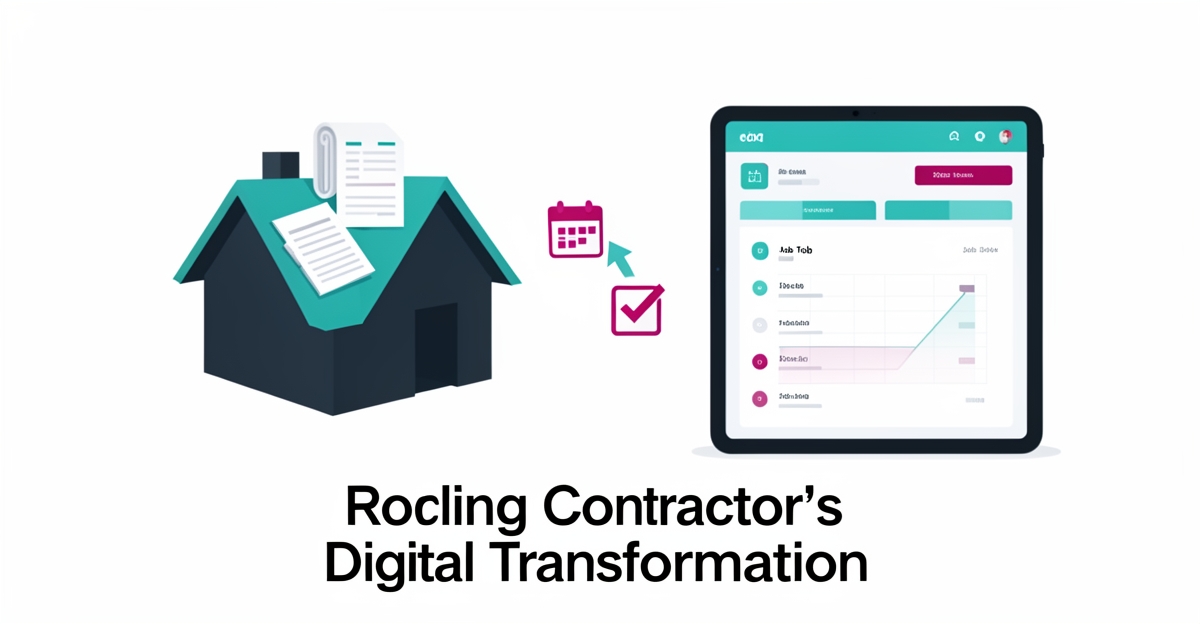
From Manual Logs to AI: How Roofing Contractors Can Streamline Job Tracking
Key Facts
- Industry research indicates roughly half of contractors in the trades are considering investing in AI within the next three years according to industry research
- AI can reduce labor hours, improve route planning, and prevent expensive mistakes like sending the wrong crew or ordering incorrect materials per research findings
- The global construction sector has faced projections of a shortfall of millions of skilled workers by 2030 per LinkedIn industry coverage
- AI robotics can address labor shortages and boost productivity on construction jobsites per industry analysis
- AI-driven task scheduling can analyze workloads, resources, and priorities in real time to coordinate from personal calendars to company-wide schedules per research on AI scheduling
Hire a team member that works 24/7 — for less than a part-time wage.
AI receptionists, SDRs, dispatchers and 99+ roles. Trained on your business, fully managed.
Not sure where to start? Ask our AI planner
The Hidden Cost of Paper Logs and Spreadsheets
Roofing contractors start their day juggling paper logs, scattered texts, and spreadsheets that demand constant double data entry. This manual tracking creates a growth ceiling where crews get dispatched to the wrong sites, materials arrive late or incorrect, and real-time visibility into job progress remains impossible. The hidden cost isn't just in wasted hours, it's in missed opportunities, preventable errors, and frustrated teams stuck in reactive mode.
According to industry research, a majority of trades contractors are considering AI investment within the next three years, recognizing that manual methods can't scale with growing demand. AI-driven solutions directly address pain points like sending the wrong crew or ordering incorrect materials by improving accuracy in measurements, damage documentation, and cost tracking. Research shows AI can reduce labor hours, prevent expensive mistakes, and enhance customer satisfaction through real-time updates and faster response times, turning administrative bottlenecks into streamlined workflows.
- Eliminates double data entry between field notes and office systems
- Prevents costly errors like wrong crew dispatch or material shortages
- Provides real-time visibility into job progress and crew availability
- Standardizes data collection for consistent estimating and reporting
- Frees skilled workers from admin tasks to focus on complex roofing work
For contractors still relying on paper and spreadsheets, the shift to AI isn't about replacing expertise, it's about removing friction so teams can focus on what they do best. AIQ Labs helps roofing businesses automate job tracking, material management, and dispatch through AI Workflow Builds that integrate with existing tools, delivering the visibility and control needed to grow beyond the limits of manual tracking.
What AI Job Tracking Actually Does for a Roofing Shop
Roofing contractors still rely on paper logs or spreadsheets to track jobs, materials, and crew availability, creating delays and errors that ripple through operations. AI job tracking transforms these manual processes into streamlined, real-time workflows that reduce administrative burden and improve decision-making. As the industry shifts toward automation, industry research indicates a majority of contractors in the trades are thinking about investing in AI in the next three years, recognizing its potential to modernize core functions.
AI-assisted inspections analyze photos or videos to detect damage like missing shingles, hail hits, or granule loss, standardizing assessments and reducing guesswork. Automated estimating pulls dimensions from aerial or site images, calculates square footage and pitch, and feeds accurate data directly into quotes, improving consistency and speeding up turnaround. Smart scheduling assigns jobs based on crew size, skill level, location, and urgency, dynamically adjusting when weather delays or material shortages occur. On-site, AI documentation captures material usage, repair notes, and approvals instantly, eliminating lost paperwork and ensuring compliance.
- AI improves accuracy by standardizing how teams record measurements, document damage, track costs, and build estimates
- AI reduces labor hours, improves route planning, and prevents costly mistakes like sending the wrong crew or ordering incorrect materials
- AI enhances customer satisfaction by speeding up response times and providing real-time updates to homeowners
For roofing shops looking to modernize without overhauling existing systems, AIQ Labs rebuilds the one workflow that costs the most, whether that's dispatch, material tracking, or job documentation, through AI Workflow Builds at a fixed price, delivered in phases. For shops that want coordination handled end to end, AI Employees like dispatchers and receptionists can run day-to-day job tracking at a fraction of the cost of a human hire.
Traditional vs. AI-Driven Workflows: Why the Gap Widens as You Grow
Phone calls, paper logs, and spreadsheets still run most roof repair shops. The workflow works until volume grows, storms hit, and crews get stretched thin.
Traditional operations rely on people remembering the next step. Dispatchers juggle spreadsheets, text threads, and voicemails to assign jobs. Material orders live in notebooks, and job progress is updated after the crew returns. That friction compounds as you add crews.
AI-driven workflows replace manual tracking with real-time visibility. Scheduling adapts as conditions change, and job details capture automatically on-site. According to industry research, AI can reduce labor hours, improve route planning, and prevent expensive mistakes such as sending the wrong crew or ordering incorrect materials.
The gap widens with growth because manual systems do not scale. A recent analysis of trades adoption found a majority of contractors are thinking about investing in AI in the next three years as phone-and-spreadsheet limits become costly.
Labor shortage pressure makes the shift urgent. The global construction sector has faced projections of a shortfall of millions of skilled workers by 2030, according to LinkedIn industry coverage. AI is not replacing roofers; it is augmenting crews by handling coordination so technicians focus on skilled work.
AI-driven task scheduling automates planning, prioritizes tasks, and adapts quickly to changes. Research on AI scheduling shows systems can analyze workloads, resources, and priorities in real time and coordinate from personal calendars to company-wide production schedules.
Traditional vs AI-driven operations show up daily:
- Dispatch by memory and spreadsheets vs assignments based on crew size, skill level, location, and job urgency with real-time re-routing
- Manual photo uploads and notes after hours vs automatic upload of photos, repairs, materials used, and approvals while still on-site
- Static plans that break on late deliveries vs adaptive scheduling that reacts to storms, supplier delays, and overruns
The result is faster response times, fewer double entries, and better profitability visibility. AI can improve accuracy by standardizing how teams record measurements, document damage, track costs, and build estimates.
AIQ Labs builds owned AI systems that integrate with existing tools and provide real-time visibility into job assignments, material use, and technician availability. For roofing contractors moving from manual logs, that means digitizing workflows without replacing the people who do the work, starting with a single Workflow Build or scaling up to a full AI Operating System you own outright.
How to Implement AI Job Tracking Without Disrupting Your Crews
Many roofing crews still rely on paper logs or spreadsheets to track jobs, which creates delays and increases the risk of errors. Starting with a single automated workflow, like scheduling or material tracking, allows teams to see immediate time savings without overhauling their entire process. According to industry research, a majority of contractors in the trades industry are considering AI investment in the next three years, showing growing recognition of its value. A phased rollout builds confidence and reduces disruption.
Consolidating all job data into a single system ensures AI has reliable, consistent information to work from. When data is scattered across texts, emails, and personal notes, AI recommendations become less accurate and harder to trust. By centralizing information, such as crew availability, job urgency, and material usage, contractors enable AI-driven task scheduling to automate planning, prioritize work, and adapt quickly to changes like weather delays or late supplier deliveries. This single source of truth is essential for AI to deliver real-time visibility into job progress and profitability.
Choosing tools that eliminate time-consuming admin work, like automated job logging or profit-per-job tracking, lets crews focus on skilled labor instead of paperwork. AI can improve accuracy by standardizing how teams record roof measurements, document damage, and build estimates, reducing costly mistakes such as ordering incorrect materials or sending the wrong crew. To address safety and liability concerns, opt for software with role-based access, secure logins, and mandatory human reviews for critical decisions. These safeguards ensure AI augments rather than replaces human judgment, keeping crews safe and compliant while improving efficiency. AIQ Labs supports this approach through phased builds, you can start monthly, build in milestones, or own the system outright, so the system scales with your business.
Getting Started: Map Your Biggest Tracking Bottleneck
Most roofing shops still run on paper logs and spreadsheets, and the cost shows up in missed updates, double entry, and crews waiting on information. Mapping the first bottleneck to automate is how you get real ROI instead of adding another tool.
Start by tracing where time and errors actually leak. Industry research shows a majority of contractors in the trades are thinking about investing in AI in the next three years, largely to stop wasting time on manual tasks, spreadsheets, and endless phone calls. The highest-impact targets are usually the points where data is retyped, delayed, or lost.
Look for the friction that repeats daily and scales with growth. Job tracking pain tends to cluster in a few places that are easy to audit in one week:
- Crew assignments and route changes that require phone tag and manual rescheduling
- Material use and estimates that rely on handwritten notes and memory
- On-site documentation like photos, damage notes, and approvals that never make it back to the office
- Customer updates that are sent late because status lives in a foreman’s notebook
AI can reduce labor hours and prevent expensive mistakes such as sending the wrong crew or ordering incorrect roofing materials, according to service industry analysis. It also improves accuracy by standardizing how teams record measurements, document damage, track costs, and build estimates. When those steps are consistent, scheduling and profitability become visible in real time.
The labor context matters. The global construction sector has faced projections of a shortfall of millions of skilled workers by 2030, and AI can help address labor shortages and boost productivity on jobsites. That pressure makes real-time visibility into job progress and technician availability a competitive necessity, not a nice-to-have.
A practical way to choose your first win is to pick one workflow, collect all data in one place, and measure before and after. AI-driven task scheduling can automate planning, prioritize tasks, and adapt quickly to changes by analyzing workloads, resources, and priorities in real time. For roofing, that often means automating job assignment based on crew size, skill level, location, and urgency, then adjusting automatically when a storm hits or a delivery runs late.
This is where a focused working session helps. AIQ Labs offers a free 2-minute Fit Check at https://aiqlabs.ai/apply followed by a free 30-minute strategy call at https://aiqlabs.ai/book. It’s a no-obligation working session to map your biggest bottleneck and identify high-ROI automation opportunities. If there isn’t a clear win, the team will say so.
After the call, you receive real numbers in writing, not vague promises. That written outline covers the scope, integration points with existing tools, and the cheapest way to get the win, whether through Start Monthly, Build in Milestones, or Own It Outright. You can compare the options at https://aiqlabs.ai/pricing.
Still paying for 10+ subscriptions that don’t talk to each other?
We build custom AI systems you own outright. No vendor lock-in. Full control.
Not sure where to start? Ask our AI planner
Frequently Asked Questions
How can AI job tracking help roofing contractors reduce errors like sending the wrong crew or ordering incorrect materials?
Will using AI for job tracking replace my roofing crew or require them to learn complex new systems?
Why are so many trades contractors considering AI investment in the next three years?
How does AI improve customer satisfaction for roofing jobs?
What’s a practical first step for a roofing contractor looking to implement AI without disrupting their team?
How does AI address labor shortages in the roofing and construction industries?
Turn Your Biggest Bottleneck into Your Competitive Edge
From paper logs and scattered spreadsheets to AI-powered job tracking, roofing contractors now have a clear path to eliminate double entry, prevent costly errors, and gain real-time visibility into every project, without replacing the skilled teams that make their business run. By starting with a single workflow like scheduling or material tracking, contractors can see immediate time savings while building a foundation for scalable growth. AI doesn’t replace expertise; it removes friction so crews can focus on complex roofing work instead of administrative tasks. With a majority of trades contractors already considering AI investment in the next three years, the opportunity to modernize is no longer optional, it’s essential for staying competitive. The first step is simple: map your biggest tracking bottleneck in a free, no-obligation session. Start the 2-minute Fit Check at https://aiqlabs.ai/apply, then schedule your free 30-minute strategy call at https://aiqlabs.ai/book to see exactly where AI can deliver real ROI for your roofing shop.
Make AI your competitive advantage — not just another tool.
Strategy, implementation and ongoing optimization. One partner, end to end.
Not sure where to start? Ask our AI planner