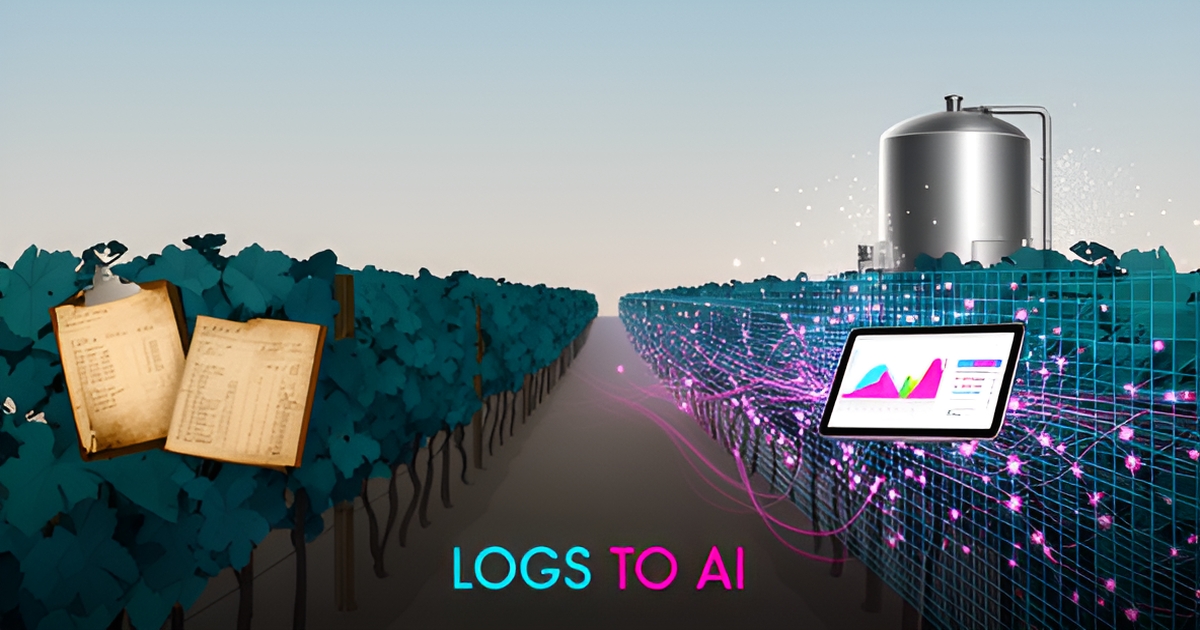
From Manual Logs to AI: Modernizing Vineyard Inventory Tracking
Key Facts
- A single fermentation tank can generate thousands of data points during primary fermentation, according to winery data preparation research.
- Most organizations still lack accurate visibility into their software and data spend, per industry reporting as of late 2026.
- Modern sensors can capture temperature, humidity, and CO2 levels every few minutes, replacing manual twice-daily recordings.
- Four foundational data categories—production, inventory, customer, and compliance—must be structured before AI can deliver value.
- AIQ Labs has deployed 200+ multi-agent systems and runs 4 live SaaS products daily, building production-ready systems that reduce human error and provide real-time visibility.
Hire a team member that works 24/7 — for less than a part-time wage.
AI receptionists, SDRs, dispatchers and 99+ roles. Trained on your business, fully managed.
Not sure where to start? Ask our AI planner
The Hidden Cost of Fragmented Vineyard Data
Fragmented records turn vineyard operations into a guessing game. When grape stock, wine batches and aging timelines live in different places, teams make decisions on partial information and lose hours to manual checks.
Most wineries operate with a patchwork of data collection methods that evolved organically over years of growth. A typical day may involve updating inventory in one platform, logging fermentation data in handwritten cellar books, managing customer orders through an ecommerce tool, and tracking compliance in separate Excel files. This separation forces manual reconciliation processes that consume hours of valuable time and introduce human error at every step.
Cellar masters and tasting room managers often work in disconnected systems, forcing manual reconciliation that consumes hours and introduces human error. Manual data silos create operational blindspots, making it impossible to get a complete operational picture. Without clean, structured, and accessible data, even the most sophisticated wine production automation will fail to deliver meaningful results.
Legacy platforms compound the problem. Many established wineries rely on older versions of industry-standard tools that weren't designed for modern data integration. Years of customized Excel templates and Access databases contain valuable historical information locked away from automated analysis. The seasonal nature of winery operations amplifies the challenge—harvest data from five years ago could predict optimal picking schedules if accessible alongside current weather and grape development metrics.
Production data loss is especially costly. Temperature logs are the most critical production data stream, yet rather than relying on manual twice-daily recordings, modern sensors can capture temperature, humidity, and CO2 levels every few minutes. Winery data preparation research highlights that a single fermentation tank can generate thousands of data points during primary fermentation. That volume is invisible when logs stay on paper.
The blindspots show up as:
- Inventory mismatches between cellar books and platform records
- Delayed aging decisions because barrel-level tasting notes are not linked to batch IDs
- Compliance reporting that requires manual cross-referencing of TTB volumes and transfers
- Lost predictive value from historical harvest metrics trapped in isolated spreadsheets
These gaps prevent wineries from leveraging historical harvest data for predictive decisions. AIQ Labs builds production-ready systems that reduce human error and provide real-time visibility across operations. Transitioning from paper-based inventory to AI-driven tracking enables efficient and accurate inventory management.
Unifying production, inventory, customer and compliance data into four foundational categories is the first step toward visibility. Real-time visibility replaces reconciliation with confidence, and structured history becomes fuel for forecasting instead of a filing problem. For wineries that want one connected layer instead of another point tool, an AI Operating System approach ties these systems together in phases.
Four Data Pillars AI Needs to Transform Operations
Manual cellar books and scattered spreadsheets hide the real story of a vineyard. AI can surface it, but only after the underlying data is structured for machine use.
Most wineries operate with a patchwork of data collection methods that evolved organically over years of growth. A typical day may involve updating inventory in one platform, logging fermentation data in handwritten cellar books, and tracking compliance in separate Excel files. This separation forces manual reconciliation that consumes hours and introduces human error at every step.
Without clean, structured, and accessible data, even the most sophisticated wine production automation will fail to deliver meaningful results. The biggest obstacle to AI implementation in wineries is not algorithm selection but preparing fragmented data to feed AI systems effectively.
Four foundational data categories must be structured before AI can deliver value.
- Production Data — grape reception through bottling, including grape analysis results, fermentation curves, aging conditions, and quality assessment scores
- Inventory Data — stock tracking across production stages with barrel-level traceability
- Customer Data — orders, purchases, and tasting room interactions
- Compliance Data — TTB reporting requirements for production volumes, transfers, and inventory levels
Production data is the most sensor-intensive pillar. Modern sensors can capture temperature, humidity, and CO2 levels every few minutes, replacing manual twice-daily recordings. Industry analysis of winery AI readiness notes a single fermentation tank can generate thousands of data points during primary fermentation. That granularity enables pattern detection that manual logs miss.
Inventory data needs the same discipline. Data preparation best practices for wineries recommend building barrel-level inventory tracking linking individual barrel IDs to tasting notes, topping records, and blend destinations. Connecting case goods data across systems by integrating production quantities, sales history, and forecasts removes blind spots between cellar and warehouse.
Customer and compliance data complete the foundation. Standardizing compliance records so TTB reporting data is accessible without manual cross-referencing reduces risk. Organizing customer orders, purchases, and tasting room interactions into a unified view supports predictive demand and personalized engagement.
Structuring these four pillars creates the visibility AI needs to reduce human error and provide real-time operations insight. With structured production, inventory, customer, and compliance data in place, vineyards can move from manual logs to AI-driven tracking of grape stock, wine batches, and aging timelines. If the bottleneck is one specific workflow—say, barrel-to-blend reconciliation—a targeted AI Workflow Build rebuilds that single process at a fixed price.
From Audit to Automation: Preparing Your Winery for AI
Most wineries don't have an AI problem—they have a data architecture problem. The fermentation tanks, barrel rooms, and case goods stacks generate thousands of signals daily, yet the majority of this intelligence sits trapped in disconnected spreadsheets, handwritten cellar books, and isolated platforms.
A single fermentation tank can produce thousands of data points during primary fermentation alone. When temperature, humidity, and CO2 readings rely on manual twice-daily logs instead of continuous sensor streams, the resolution needed for predictive modeling disappears. Production-ready AI systems require structured, accessible inputs across four foundational categories: production data from grape reception through bottling, inventory tracking across every stage, customer interactions from tasting room to direct shipping, and compliance records for TTB reporting.
The transition starts with a ruthless audit of every data source:
- Map every spreadsheet, Access database, and legacy platform currently housing historical vintage data
- Catalog sensor endpoints versus manual entry points across the cellar, lab, and warehouse
- Identify reconciliation workflows where staff manually bridge systems—these are your highest-error, highest-cost processes
- Document compliance reporting chains to ensure audit trails survive digitization
Standardization follows. Lab reports, harvest analyses, and barrel tasting notes need consistent schemas linked to immutable batch and barrel IDs. Continuous logging infrastructure replaces periodic entries, feeding time-series databases that AI models can actually learn from. Industry reporting as of late 2026 shows most organizations still lack accurate visibility into their software and data spend—a statistic that mirrors the data blindness in cellar operations. Without pipeline observability, you cannot measure what the system produces.
AIQ Labs architects these continuous data pipelines as part of custom AI engagements, replacing manual entry with automated ingestion that preserves historical context while enabling real-time decision-making. The goal isn't digitization for its own sake—it's building the data foundation that makes predictive fermentation management, dynamic inventory optimization, and automated compliance reporting possible.
Real-Time Visibility Across Stock, Batches, and Aging
Imagine walking into your cellar and instantly knowing the exact status of every barrel, tank, and case—without flipping through a single logbook. That level of clarity is no longer a luxury; it's the new baseline for competitive vineyard operations.
Most wineries still operate with fragmented data, where a typical day might involve updating inventory in one platform, logging fermentation data in handwritten cellar books, and managing orders through another. This patchwork creates operational blindspots that force staff into manual reconciliation, consuming hours and introducing human error at every step. The result is a reactive environment where stockouts surprise you and excess inventory quietly drains cash flow.
AI-driven tracking changes this by unifying four critical data streams into a single live view. Modern sensors now capture temperature, humidity, and CO2 levels every few minutes, generating thousands of data points from a single fermentation tank during primary fermentation. Instead of relying on twice-daily manual recordings, this continuous feed allows AI to monitor fermentation curves in real time, flagging deviations before they compromise a batch.
The system extends this visibility across your entire operation:
- Grape reception logs analysis results and links them directly to production batches
- Barrel-level tracking connects individual barrel IDs to tasting notes, topping records, and blend destinations
- Case goods forecasting integrates production quantities with sales history to predict demand
- Compliance data stays audit-ready without cross-referencing disconnected spreadsheets
When these elements converge, the impact is measurable. AIQ Labs builds production-ready systems that leverage this unified data to cut stockouts and reduce excess inventory—typically by meaningful margins, though exact results depend on your starting data quality. Because every barrel and batch is tracked digitally, TTB reporting becomes a byproduct of daily operations rather than a monthly scramble through paper logs.
This shift matters more than ever as visibility challenges plague the broader business world. Recent industry reporting found that most organizations lack accurate visibility into their software spend, highlighting how rare true operational clarity remains. Vineyards that solve this problem gain a distinct advantage: they stop reacting to inventory crises and start predicting them, turning their cellar into a source of strategic intelligence rather than administrative burden.
Your Next Step: A Working Session, Not a Sales Pitch
Manual logs and scattered spreadsheets were built for a smaller harvest, not for real-time decisions across grape stock, wine batches, and aging timelines. The gap between what vineyards know and what they can act on widens every season.
Most wineries operate with a patchwork of data collection that evolved organically. A typical day may involve updating inventory in one platform, logging fermentation data in handwritten cellar books, and tracking compliance in separate Excel files. That separation forces manual reconciliation that consumes hours and introduces human error at every step.
The biggest obstacle to AI implementation is not algorithm selection but preparing fragmented data to feed systems effectively. Without clean, structured, and accessible data, even sophisticated wine production automation will fail to deliver meaningful results. Modern sensors can now capture temperature, humidity, and CO2 levels every few minutes, replacing manual twice-daily recordings.
A single fermentation tank can generate thousands of data points during primary fermentation. AI systems need four foundational categories to work: production, inventory, customer, and compliance. Preparing those categories means auditing sources, standardizing formats, and linking barrel-level inventory to tasting notes and blend destinations.
Visibility problems are not unique to vineyards. Industry reporting shows most companies lack accurate visibility into their software spend, and wasted spend is rising as stacks grow more complex. That scramble for control starts with knowing where data lives today.
This is where a focused working session helps. A free 30-minute strategy call with an AI engineer maps your biggest inventory bottleneck, assesses data readiness, and identifies the highest-ROI automation opportunity with no obligation.
In the session we will:
- Map your current inventory flows for grape stock, batches, and aging timelines
- Review data readiness across production, inventory, customer, and compliance sources
- Identify one high-impact automation target and a candid assessment of fit for AI
- Outline next steps if AI is right, and what to avoid if it is not
AIQ Labs has deployed 200+ multi-agent systems and runs 4 live SaaS products daily. Depending on fit, that could mean managed AI Employees handling intake and follow-ups, a single rebuilt workflow, or a phased AI Operating System you own outright. The goal is clarity, not a pitch.
Start the 2-minute Fit Check at https://aiqlabs.ai/apply and book a free strategy call at https://aiqlabs.ai/book. If there isn't a clear win, we'll say so.
Still paying for 10+ subscriptions that don’t talk to each other?
We build custom AI systems you own outright. No vendor lock-in. Full control.
Not sure where to start? Ask our AI planner
Frequently Asked Questions
Why is my vineyard inventory always out of sync between cellar books and the platform?
How much data am I actually losing with twice-daily manual logs?
What data does AI actually need to modernize vineyard tracking?
Is AI just for big wineries with clean data already?
How bad is visibility really across the industry?
Can AI really reduce human error in inventory and aging decisions?
Turn Your Cellar Into a Strategic Advantage
From fragmented spreadsheets and manual logs to real-time visibility across grape stock, wine batches, and aging timelines, the path forward is clear: structure your data first, then let AI unlock its value. By unifying production, inventory, customer, and compliance data into four foundational pillars, vineyards eliminate costly blind spots, reduce human error, and shift from reactive fixes to predictive decisions—like forecasting harvest needs or optimizing barrel aging with confidence. The result isn't just cleaner records; it's a cellar that works for you, turning operational clarity into measurable gains in efficiency, compliance, and cash flow. Ready to see where your biggest opportunity lies? Start with the 2-minute Fit Check and a free, no-obligation strategy call to map your inventory bottlenecks and assess your data readiness—no pitch, just clarity. Book your session at https://aiqlabs.ai/book and discover if AI-driven tracking is the right next step for your vineyard.
Make AI your competitive advantage — not just another tool.
Strategy, implementation and ongoing optimization. One partner, end to end.
Not sure where to start? Ask our AI planner