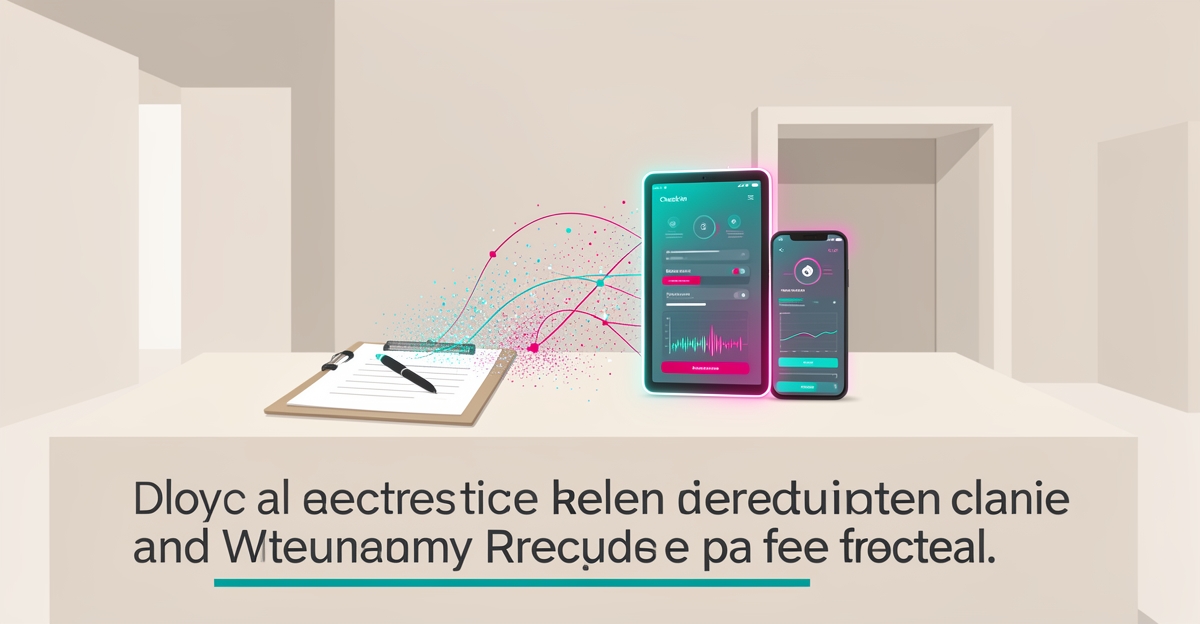
From Manual Sign-Ins to AI: Automating Visitor Check-Ins in Real Time
Key Facts
- Roughly 88% of organizations report using AI tools in at least one business function, per widely cited enterprise adoption research
- Only about a third of organizations have scaled AI beyond isolated tools, per the same body of research
- Estimates suggest just 5% of enterprises have AI genuinely integrated into end-to-end workflows
- AI systems that automate routine check-ins and data synthesis are commonly reported to save 3–6 hours per employee weekly
- Organizations that focus on employee performance during AI transitions are reported to be 4.2 times more likely to outperform peers
- Around 23% of organizations test AI but never achieve enterprise-wide adoption
- AIQ Labs' custom AI check-in captures visitor details and sends real-time reminders via mobile apps and parent portals
Hire a team member that works 24/7 — for less than a part-time wage.
AI receptionists, SDRs, dispatchers and 99+ roles. Trained on your business, fully managed.
Not sure where to start? Ask our AI planner
The Manual Check-In Bottleneck Museums Can't Ignore
Paper sign-in sheets at the front desk feel simple until the line backs up and the data disappears. Museums still rely on manual check-ins that create friction for visitors and blind spots for teams.
Desk-based sign-ins produce inaccurate attendance data that compounds over time. Handwritten names are misread, group sizes are guessed, and visitors leave without being logged. The result is unreliable reporting and missed follow-up opportunities that could support programming and funding.
Bottlenecks form quickly during peak hours. Staff stop engaging guests to process paper, wait times rise, and the first impression suffers. Widely cited enterprise research suggests 88% of organizations now use AI tools in at least one business function, yet only about a third have begun scaling AI across the enterprise. Museums are still in that gap between experimentation and real workflow integration.
Poor data quality also limits action. Without clean, real-time check-in records, teams cannot track attendance patterns, send timely reminders, or personalize outreach. Some estimates put the share of enterprises with AI genuinely integrated into workflows at just 5%, which mirrors how manual processes persist even when better options exist.
Manual visitor check-ins tend to create:
- Long entry queues that reduce visitor satisfaction during busy periods
- Inconsistent or incomplete attendance records that undermine reporting
- Lost follow-up opportunities because contact details are missing or illegible
- Staff time tied to data entry instead of guest engagement
The cost of poor data shows up in planning and retention. Museums cannot optimize staffing, marketing, or programming without accurate, timely attendance signals. AI-powered visitor check-ins address this by automating capture, validation, and follow-up at the point of entry.
AIQ Labs builds automated workflows that integrate with mobile apps and parent portals, allowing museums to replace paper with a seamless, mobile-first check-in experience. The system captures visitor details, tracks group sizes, and sends reminders, improving attendance and data accuracy while freeing staff for higher-value interactions.
Moving from manual to automated check-in is a workflow and task automation challenge. When check-in becomes reliable and real time, the entire visitor journey improves.
How Real-Time AI Check-In Improves Attendance and Data Accuracy
The front desk is where most museum visits begin, and where data quality quietly falls apart. Illegible handwriting, missing phone numbers, and headcounts that never match the actual group size all start there.
A mobile-first AI check-in workflow fixes this at the source. Visitors enter their details on their own phones or a kiosk, the system validates entries in real time, and group sizes are captured as structured data rather than scribbled estimates. Every record lands clean, complete, and immediately usable.
The attendance gains come from what happens before the visit. Automated reminders, sent by SMS or email at the right intervals, keep booked groups from forgetting, and confirmations flow back into the same system so staff see expected headcount in real time. This is the same class of workflow automation that AIQ Labs builds for clients: automated workflows that integrate directly with mobile apps and parent portals, so a school group booking triggers confirmations, reminder sequences, and day-of check-in records without staff touching a spreadsheet.
The operational case for this shift is well documented:
- Enterprise adoption research suggests 88% of organizations now use AI in at least one business function, visitor operations is increasingly one of them.
- Yet only about a third have scaled AI beyond isolated tools, which is exactly the gap a fully integrated check-in workflow closes.
- Practitioner reporting indicates AI systems that automate routine check-ins and records save 3–6 hours per employee, time front-desk teams can redirect to actual visitor experience.
Data accuracy compounds these gains. Modern AI tools can fix formatting, remove duplicates, extract text, and organize large datasets quickly, meaning even legacy sign-in records can be cleaned and merged into a single reliable visitor database.
The result is a closed loop: accurate capture at check-in, proactive reminders that lift attendance, and clean data flowing into every downstream report. Museums stop guessing how many people walked through the door and start knowing.
From Pilot to Production: A Practical Implementation Roadmap
Most museums don't fail at AI because the technology falls short, they fail because they skip the unglamorous groundwork between pilot and production. Enterprise adoption research suggests that while 88% of organizations now use AI in at least one function, only about a third have successfully scaled beyond initial experiments.
Start by documenting exactly where your current process breaks down. Are school groups arriving without confirmed chaperone counts? Do membership renewals stall because front-desk staff are manually typing names into spreadsheets? Identify whether you need simple attendance tracking or complex workflows that sync visitor data with membership databases and parent portals.
This diagnostic phase matters more than the technology selection. Museums that rush to buy software before understanding their data flows often end up with expensive tools that digitize chaos rather than eliminate it.
Choose solutions that connect natively with your existing tech stack, ticketing platforms, CRM systems, and mobile apps, rather than standalone tools that create new data silos. The goal is a unified workflow where a single check-in updates attendance records, triggers reminder sequences, and adjusts staffing alerts in real time.
AIQ Labs approaches this through custom API integrations that treat check-in as one node in a larger operational ecosystem, not an isolated event. This prevents the "pilot purgatory" that traps the roughly 23% of organizations who test AI but never achieve enterprise-wide adoption.
Resist the urge to flip the switch for every visitor type simultaneously. Start with a single group, perhaps weekday school tours, where the pain is acute and the feedback loop is tight. Run this pilot for four to six weeks while maintaining your paper backup system.
- Week 1-2: Staff training and parallel testing with live data
- Week 3-4: Full automation for pilot group with daily accuracy audits
- Week 5-6: Workflow refinement based on edge cases and user feedback
Technology only works if your team trusts it. Research on AI transitions indicates that organizations focusing on their people's performance during change are 4.2 times more likely to outperform peers. Train front-desk staff not just on which buttons to click, but on how to interpret AI-flagged anomalies, like a group size that suddenly spikes beyond fire-code capacity.
Establish baseline metrics before go-live: check-in duration, data entry error rates, and no-show frequencies. Post-implementation, track these weekly. Look for the 3-6 hours per week commonly recovered when administrative synthesis shifts from manual to automated.
Security cannot be an afterthought. AI agents that take actions, like updating visitor records or processing payments, require strict access controls and audit trails. Ensure your system encrypts visitor data both in transit and at rest, with clear protocols for data retention and parental consent where minors are involved.
The difference between a stalled pilot and a production system lies in treating implementation as organizational change, not just software installation. Start narrow, integrate deeply, and let proven accuracy, not novelty, drive your expansion.
Why Custom-Built AI Outperforms Off-the-Shelf Sign-In Tools
Manual sign-in sheets feel simple until a school group arrives late, a parent forgets to check in, and attendance data is lost before the day ends. Museums need real-time accuracy, not paper trails that create work after hours.
Manual visitor check-ins offer lower upfront costs and easier implementation. The drawbacks are immediate: inaccurate data, lower attendance visibility, and staff pulled away from engagement. AI-powered visitor check-ins flip that trade-off toward improved attendance and data accuracy, with higher upfront costs and potential integration issues.
Only about a third of organizations have begun scaling AI to the enterprise, per widely cited adoption analysis. Some estimates suggest just 5% of enterprises have AI genuinely integrated into workflows. That gap explains why off-the-shelf sign-in tools stall: they are configured, not built for your process.
Off-the-shelf tools force museums into generic forms and limited mobile app integration. Data lives in a vendor portal, reminders are batch-sent, and group size tracking requires manual edits. Custom-built AI removes those constraints by owning the workflow end-to-end.
With a custom system, AI captures visitor details at arrival, tracks group sizes automatically, and sends real-time reminders to mobile apps and parent portals. True ownership means the museum controls data, branding, and future enhancements without subscription lock-in.
AIQ Labs builds this as an owned, integrated solution for SMB museums through its three-pillar model. AI Development Services architects production-ready mobile-first check-in systems that integrate with existing ticketing and CRM tools. AI Employees provide always-on intake and reminder agents that work 24/7 alongside staff. AI Transformation Consulting guides adoption, training, and governance so the system scales.
The contrast shows up in daily operations:
- Manual: paper or basic tablet forms, delayed data entry, no automated follow-up
- Off-the-shelf: templated workflows, limited integration, vendor-owned data
- Custom AI: real-time capture, automated reminders, owned data and workflows
Implementation challenges remain consistent across approaches. Data quality and accuracy, integration with existing systems, user adoption and training, and security and privacy concerns all require planning. Custom builds address them by design rather than workaround.
Museums that move from manual sign-ins to AI-powered automation gain cleaner attendance records, fewer missed groups, and staff time returned to visitors. Custom AI delivers that shift as a sustainable asset, not a rented feature.
Still paying for 10+ subscriptions that don’t talk to each other?
We build custom AI systems you own outright. No vendor lock-in. Full control.
Not sure where to start? Ask our AI planner
Frequently Asked Questions
How does AI-powered visitor check-in actually improve attendance at museums?
What specific problems do manual sign-in sheets create for museum operations?
Is it true that most organizations are already using AI in their workflows?
How much time can museum staff realistically save by switching to AI-powered check-in systems?
Why should museums choose a custom-built AI check-in system over off-the-shelf tools?
What steps should a museum take to successfully implement AI-powered check-in without getting stuck in pilot mode?
Turning Check-Ins Into a Competitive Advantage
Museums that replace paper sign-ins with AI-powered check-ins gain more than faster lines, they unlock reliable attendance data, reduce no-shows through automated reminders, and free staff to focus on visitor experience instead of data entry. As this article shows, the shift isn't just about technology; it's about closing the gap between AI experimentation and real workflow integration, where only a third of organizations have successfully scaled. By starting with a focused pilot, like weekday school tours, and building on proven accuracy, museums can transform a routine bottleneck into a source of operational insight and engagement. The path forward is clear: assess your current check-in pain points, choose a solution that integrates with your existing systems, and let measurable improvements guide your expansion. To explore how a custom AI check-in workflow could work for your museum, book a free strategy call with AIQ Labs, we'll map your biggest bottleneck and identify high-ROI opportunities, whether you want us to build it with you in phases or own the finished system outright.
Make AI your competitive advantage — not just another tool.
Strategy, implementation and ongoing optimization. One partner, end to end.
Not sure where to start? Ask our AI planner