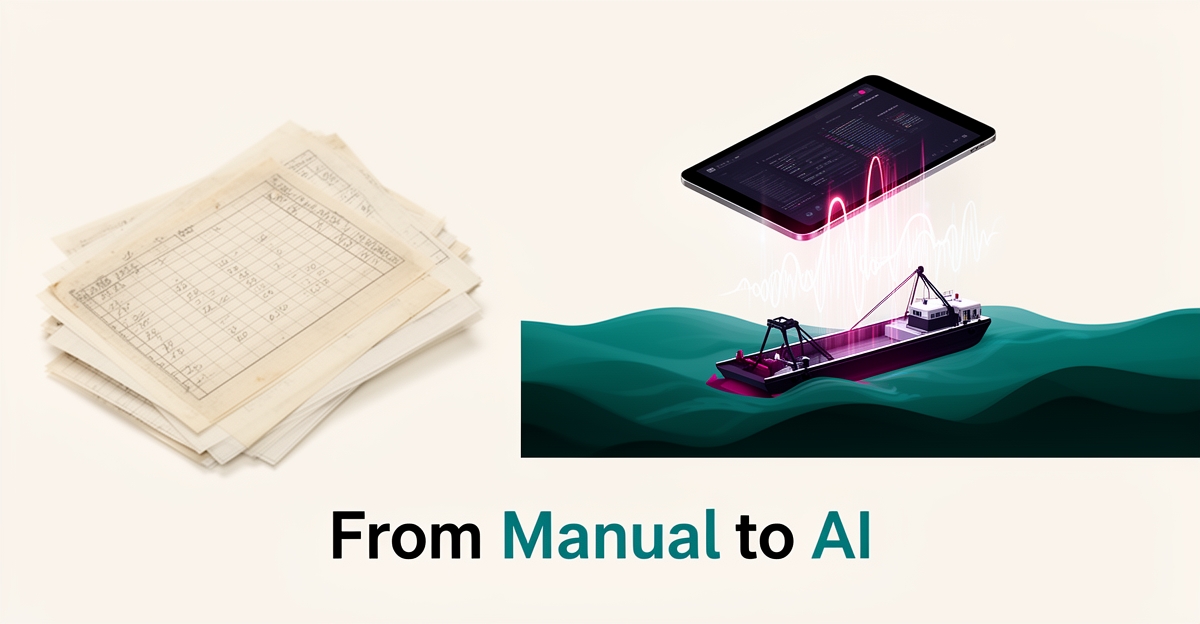
From Manual to AI: How Dredging Companies Can Optimize Field Data Collection
Key Facts
- A strong majority of construction leaders have been increasing their AI investment year over year, as of late 2026
- AI can impact nearly every aspect of the design, preconstruction, and building process, and the same applies to dredging field operations
- AI-powered document management can simplify file management and automatically extract data from drawings and logs
- The use of AI in maintenance typically leads to meaningful cost savings and improved productivity
- The industrial sector continues to adopt AI solutions to improve efficiency and productivity
- AIQ Labs has deployed 200+ multi-agent systems and runs 4 live SaaS products daily as demonstrated in their production portfolio
- AI Employees typically cost around 80% less than an equivalent human hire while working 24/7/365 based on AIQ Labs' cost comparison
Hire a team member that works 24/7 — for less than a part-time wage.
AI receptionists, SDRs, dispatchers and 99+ roles. Trained on your business, fully managed.
Not sure where to start? Ask our AI planner
The Hidden Cost of Manual Data Collection in Dredging Operations
Paper logs and handwritten field notes still dominate many dredging sites, and the cost is compounding every shift. Delayed entries, lost forms, and inconsistent formats create a lag between what happens on the water and what the office can act on.
Manual data collection carries low upfront costs but creates time-consuming, error-prone workflows. Crews spend hours transcribing measurements, reconciling spreadsheets, and chasing missing pages. That friction slows decision-making and increases operational risk when conditions change quickly.
Industry surveys in recent years have consistently shown a strong majority of construction leaders increasing their AI investment, a trend that has continued into 2026. The shift reflects pressure for earlier access to information and better decision-making across field operations.
The hidden costs show up in predictable patterns:
- Transcription errors and illegible entries that require rework and verification
- Delayed reporting that pushes decisions to the next day or shift
- Fragmented records across paper logs, photos, and spreadsheets that prevent a single source of truth
- Increased exposure to compliance and safety risk when data is incomplete or late
AI can impact nearly every aspect of the design, preconstruction, and building process, and the same principle applies to dredging field data. Manual systems force supervisors to search for issues instead of solving them—a constraint that industry workflow analysis links directly to productivity loss.
The industrial sector continues to adopt AI solutions to improve efficiency and productivity. In dredging, that means real-time capture and validation at the point of work rather than after the fact. Without it, teams operate on assumptions and yesterday's numbers.
Maintenance planning also suffers. The use of AI in maintenance typically leads to meaningful cost savings and improved productivity. Manual logs make anomaly detection reactive, extending downtime for pumps, cutter heads, and support vessels.
Replacing paper logs with AI-driven field data collection changes the risk profile. AI captures, validates, and analyzes real-time data from job sites, enabling faster decision-making. AIQ Labs builds these systems through AI Workflow Builds that integrate with existing dredging equipment and software—rebuilding the one workflow that costs you the most, at a fixed price and in phases, without forcing a rip-and-replace of operations.
The result is fewer errors, faster reporting cycles, and decisions grounded in current site conditions rather than reconstructed memory.
How AI-Powered Field Data Collection Transforms Real-Time Decision-Making
When dredging crews capture data manually on paper logs, decision-makers often wait hours—or days—before they can act on critical site conditions. AI-powered field data collection eliminates this lag by capturing, validating, and analyzing information as it happens, transforming how dredging operations respond to changing conditions.
The shift toward intelligent automation is accelerating across heavy industries. Construction and industrial leaders have been increasing AI investments year over year, recognizing that efficiency gains and faster decision-making depend on real-time data access. For dredging companies, this means survey measurements, equipment performance metrics, and material volumes flow directly from sensors and field devices into centralized systems without manual transcription.
AI systems validate data at the point of capture, flagging inconsistencies or missing values before they corrupt project records. This immediate quality control prevents the costly rework that occurs when supervisors discover errors days later during report compilation.
Real-time analysis enables proactive operational adjustments that manual processes cannot match. Consider these capabilities:
- Instant anomaly detection: AI algorithms identify unusual equipment vibrations or hydraulic pressures immediately, allowing crews to address potential failures before they cause downtime.
- Dynamic production tracking: Continuous monitoring of dredge output and location data lets project managers optimize vessel positioning and pipeline routing without waiting for end-of-shift reports.
- Automated compliance logging: Environmental parameters and disposal site verification occur automatically, creating audit trails without diverting crew attention from operations.
- Predictive maintenance triggers: Machine learning models analyze performance trends to schedule servicing during planned downtime rather than after breakdowns.
The maintenance benefits alone deliver substantial value. Intelligent monitoring systems typically generate meaningful cost savings by predicting equipment failures before they occur. In dredging, where unplanned downtime can idle expensive vessels and crews, these predictive capabilities directly protect project margins.
Beyond equipment monitoring, industrial AI adoption demonstrates how machine learning optimizes complex operational workflows. AI systems process multiple data streams—weather conditions, sediment characteristics, equipment status, and production targets—to recommend optimal dredging parameters. This analysis happens continuously, allowing supervisors to adjust strategies based on current conditions rather than outdated assumptions.
AIQ Labs builds these integrated systems for dredging operations—whether as a single workflow rebuild or a full AI Operating System connecting field sensors, vessel telemetry, and office software into one layer you own outright. Our systems eliminate the gap between data collection and decision-making, ensuring that when conditions change, your operational response changes with them—immediately.
The result is decision velocity that manual processes cannot achieve. Project managers access live dashboards showing exactly what is happening across all active sites, enabling resource allocation and problem-solving while there is still time to impact outcomes.
Practical Steps to Implement AI-Driven Data Collection in Dredging Workflows
AI-powered field data collection transforms how dredging companies capture and use information on the job site. By replacing paper logs and manual entry with intelligent systems, teams can access accurate, real-time data that drives faster decisions and reduces costly errors. AIQ Labs builds custom solutions that integrate directly with existing dredging equipment and software, ensuring seamless adoption without disrupting current operations.
The process begins with implementing AI-powered document management to automate the extraction and organization of data from site drawings, logs, and reports. This eliminates time-consuming manual filing and enables instant retrieval of critical project information. AI-powered document management can simplify file management and automatically extract and manage data from drawings, leading to meaningful time savings and improved productivity.
Next, companies deploy AI-driven sensors and mobile capture tools to collect real-time field data such as sediment levels, equipment performance, and environmental conditions. These systems validate data at the source, flagging inconsistencies before they impact project timelines. AI can impact nearly every aspect of the design, preconstruction, and building process, enabling dredging teams to shift from reactive reporting to proactive planning based on live site insights.
Finally, AI-powered maintenance solutions analyze equipment usage patterns to predict failures before they occur. By detecting anomalies in vibration, temperature, or operational metrics, these systems reduce unplanned downtime and extend asset lifespans. The use of AI in maintenance typically leads to meaningful cost savings and improved productivity, allowing dredging firms to schedule interventions precisely when needed rather than following fixed intervals.
- Assess current data workflows to identify manual bottlenecks
- Pilot AI document management on one active project
- Integrate real-time sensors with existing monitoring systems
- Train field teams on AI-assisted data validation protocols
- Scale predictive maintenance across the fleet based on pilot results
This structured approach ensures AI enhances—not complicates—field operations while building a foundation for long-term digital transformation. You can start monthly, build in milestones, or own the system outright—whichever payment model fits how you want to scale.
Still paying for 10+ subscriptions that don’t talk to each other?
We build custom AI systems you own outright. No vendor lock-in. Full control.
Not sure where to start? Ask our AI planner
Frequently Asked Questions
Why is manual data collection so costly for dredging operations?
How does AI-powered field data collection speed up decisions?
Can AI really help with maintenance on dredging equipment?
Is the construction and industrial sector actually investing in AI right now?
What are the first practical steps to move from paper logs to AI data collection?
Will AI replace crews or require a complete rip-and-replace of equipment?
Turning Data Into Decisions: Your Path Forward
The shift from paper logs to AI-powered field data collection isn't just about technology—it's about closing the gap between what happens on the water and what your team can act on. By capturing, validating, and analyzing data in real time, dredging companies can eliminate transcription errors, accelerate reporting, and move from reactive fixes to proactive adjustments—whether that's spotting equipment anomalies before they cause downtime, optimizing vessel positioning with live production tracking, or ensuring compliance without disrupting operations. These improvements directly support faster decision-making and reduce operational risk, creating measurable value in safety, efficiency, and project margins. If you're ready to assess where manual processes are slowing you down, start with a free two-minute Fit Check to identify your highest-impact automation opportunities, then book a free 30-minute strategy call with our team to map out a practical path forward—built around your existing workflows and goals. You can reach us anytime at [email protected].
Make AI your competitive advantage — not just another tool.
Strategy, implementation and ongoing optimization. One partner, end to end.
Not sure where to start? Ask our AI planner