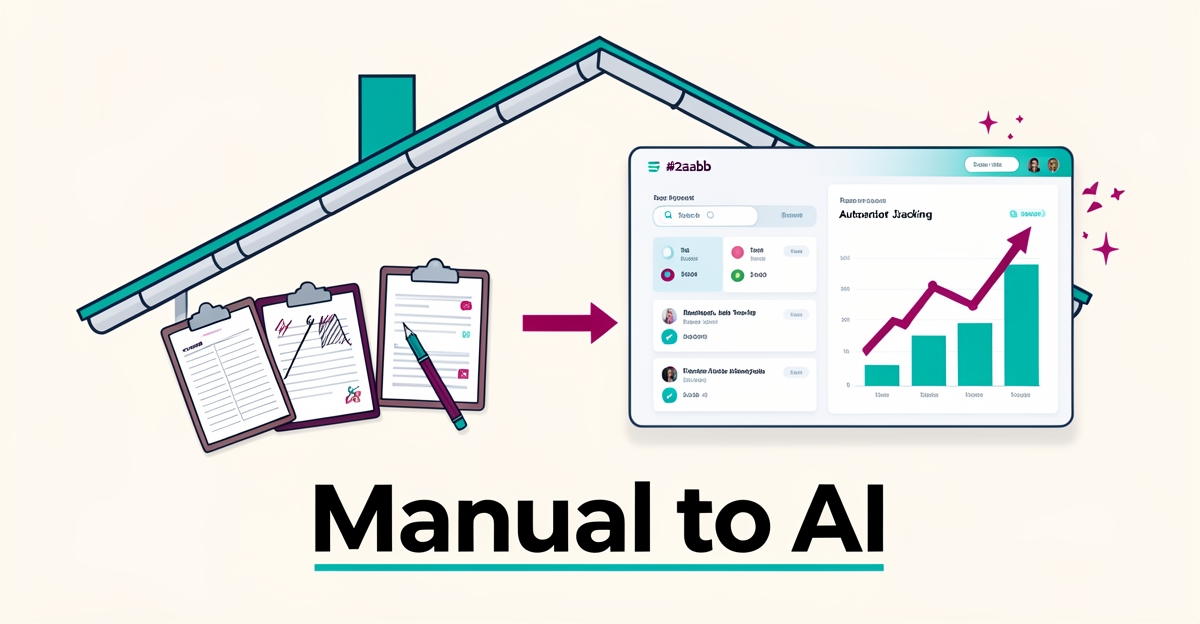
From Manual to AI: How Gutter Cleaning Operations Can Automate Job Tracking & Reporting
Key Facts
- Gutter service demand is heavily seasonal, with most calls concentrated in fall and spring, exactly when manual tracking systems strain the most.
- Gutter neglect can trigger water damage claims that dwarf the cost of routine maintenance, making precise job documentation critical for liability protection.
- Bundled subscription platforms typically cost less than piecing together standalone tools, but come with customization limits and recurring fees.
- AIQ Labs builds custom AI systems businesses own outright, eliminating vendor lock-in while automating job logs, status updates, and real-time reporting.
Hire a team member that works 24/7 — for less than a part-time wage.
AI receptionists, SDRs, dispatchers and 99+ roles. Trained on your business, fully managed.
Not sure where to start? Ask our AI planner
The Manual Tracking Trap Costing Gutter Companies Time and Revenue
Gutter cleaning businesses run in a fragmented, highly seasonal market. Demand concentrates heavily in fall and spring, and that predictable surge strains manual tracking systems exactly when efficiency matters most. Relying on paper logs, spreadsheets, and phone notes creates avoidable delays and errors during peak seasons.
These outdated methods directly impact revenue and trust. Missed follow-ups from disorganized notes lead to lost jobs, while inaccurate reporting frustrates customers expecting timely updates. Worse, gutter neglect can trigger water damage claims that cost thousands, far exceeding the modest cost of routine maintenance, making precise job documentation critical for liability protection and customer confidence.
AI-powered job tracking eliminates these risks by digitizing logs, automating status updates, and generating real-time reports. Field crews can log completed work via mobile apps, triggering instant notifications to customers and managers. This reduces administrative lag and ensures no service falls through the cracks during high-volume periods.
AI document processing transforms chaotic field notes into structured, searchable records. Instead of deciphering handwritten tickets or chasing down voicemails, dispatchers access complete job histories instantly. This clarity supports accurate invoicing, resolves disputes faster, and builds trust through transparent service history.
Automated reporting turns raw data into actionable insights. Managers receive real-time dashboards showing job completion rates, technician performance, and seasonal trends, without manual compilation. This visibility enables proactive scheduling during peak fall and spring windows, maximizing crew utilization and revenue potential.
The cost of inaction is clear: fragmented tracking increases operational friction exactly when demand peaks. Companies still using manual methods risk slower response times, billing errors, and damaged reputations, all preventable with AI-driven systems designed for field service accuracy. Gutter businesses that modernize tracking gain more than efficiency; they build reliability customers can count on, season after season.
How AI Digitizes Job Logs, Status Updates and Real-Time Reporting
Gutter cleaning businesses are moving beyond paper logs and manual follow-ups by adopting AI-powered systems that digitize job tracking and deliver real-time reporting. These tools transform how field teams capture service details, update job status, and communicate with customers, eliminating delays and reducing errors. Mainstream field service platforms like Jobber, Housecall Pro, and ServiceTitan now bundle scheduling, GPS dispatch, and automated review collection into unified workflows that sync with office systems. This shift not only improves accuracy but creates a single source of truth for both technicians and managers, ensuring every job is documented consistently from start to finish.
AI-driven automation significantly cuts down on repetitive customer inquiries by handling common questions through intelligent chatbots and self-service portals. Businesses that automate appointment confirmations, service reminders, and post-job feedback requests typically see fewer inbound support calls, freeing staff to focus on complex issues and proactive outreach. This streamlined communication improves response times and enhances the customer experience without increasing administrative load.
Real-time reporting capabilities give managers immediate visibility into crew performance, job completion rates, and upcoming service needs, critical during peak seasons when most gutter service calls hit in fall and spring. With live dashboards and automated alerts, businesses can quickly identify delays, reassign crews, and prevent missed appointments. GPS dispatch and job status tracking speed up routing, while remote measurement tools reduce on-site assessment time. These features enable faster quoting, better route optimization, and more accurate billing, all contributing to smoother operations during high-demand periods.
When comparing tools, the cost math reveals important trade-offs between bundled and piecemeal solutions. A mid-tier subscription plan plus a standalone measurement tool and a separate AI receptionist can easily add up to several hundred dollars per month, often more than a single bundled platform charges for comparable capabilities. This highlights how integrated platforms can lower total cost of ownership while reducing integration complexity. However, businesses with specialized needs may still benefit from combining best-in-class tools, such as using an enterprise platform for project management alongside a dedicated AI chatbot for 24/7 customer support, depending on their scale and workflow demands. Ultimately, the right choice depends on balancing feature depth, ease of use, and long-term scalability against specific operational goals.
Implementation Roadmap for Field Teams and Management
Gutter cleaning teams often hit a wall when trying to scale, paper logs, missed follow-ups, and inconsistent reporting slow everything down. Moving from manual to AI starts with spotting where time is leaking, like during job intake or post-service reporting, which can consume a meaningful chunk of a technician's day. By targeting these friction points first, companies lay the groundwork for smoother automation without overwhelming staff.
Begin by mapping your current workflow: track how long it takes to log a job, update status, and generate a customer report. Identify repetitive tasks, such as manual data entry into spreadsheets or chasing signatures, that create bottlenecks. Once pinpointed, select a single workflow to pilot, like automating job completion reports using AI-powered document processing. This focused approach builds confidence and delivers quick wins, making broader adoption feel achievable rather than disruptive.
Resistance to change is common, especially when teams fear AI will replace their roles. Address this by involving technicians early, show them how AI handles tedious paperwork so they can focus on higher-value work like customer education or preventive maintenance tips. Integration challenges can be mitigated by choosing tools that sync with existing scheduling or invoicing software via APIs, ensuring data flows smoothly between systems. Data security concerns are valid; prioritize solutions with audit trails, role-based access, and compliance with privacy standards, especially when handling customer property details or service histories.
AIQ Labs supports this transition by building production-ready custom systems that eliminate vendor lock-in while ensuring full ownership and control over job tracking and reporting tools. Their approach starts with a single workflow fix, such as digitizing job logs or automating status updates, then scales based on proven results. By starting small, proving value, and expanding gradually, gutter cleaning operations can turn automation from a risk into a reliable advantage. See how a phased AI Workflow Build works in practice.
Building an Owned AI System vs. Subscription Tool Stack
Gutter cleaning leaders are choosing between renting a subscription stack and owning the system that runs their field operations. Off-the-shelf FSM platforms promise speed, but they also lock teams into recurring fees, limited customization, and reporting that rarely matches compliance or customer needs.
With demand concentrated in fall and spring, the cost of manual job tracking compounds quickly. Every missed follow-up and delayed report during peak season is revenue you don't get back.
Subscription tools like Jobber, Housecall Pro and ServiceTitan bundle scheduling, estimating and chatbots under a monthly plan. They launch fast and can automate routine customer communication. The trade-off is customization limits, data silos, and ongoing subscription dependency as workflows scale.
A custom AI system flips the model from renting features to owning operations. AIQ Labs builds production-ready systems that digitize job logs, track service status in real time, and generate consistent reports for customers and management, eliminating paperwork and reducing errors across field teams.
Building owned AI aligns with three entry points.
- AI Employees, managed AI staff like receptionists, SDRs, and dispatchers across 99+ roles, at roughly 80% less cost than a human hire
- AI Workflow Builds, rebuild the one workflow that costs you the most, at a fixed price, delivered in phases
- AI Operating Systems, one connected operating layer for the whole business, built in phases and owned outright
Ownership changes payment and risk. Start Monthly delivers one AI employee with setup plus a flat monthly plan less than a part-time hire, with build, training and integrations included and the ability to pause or adjust anytime. Build in Milestones splits a workflow or department system into phases you approve and pay per phase, keeping everything built so far. Own It Outright delivers a full AI operating system with full ownership of code, agents and data when complete.
For gutter businesses, the impact shows up in compliance and reporting. Custom systems can unify measurements, service notes and photos into a single source of truth, automate real-time status updates to customers, and produce management dashboards without manual exports. That matters when water damage claims from gutter neglect can cost thousands more than a year of routine maintenance.
Subscription stacks work for quick wins. Owned AI works when consistent compliance, real-time reporting and long-term cost control drive competitive advantage.
Still paying for 10+ subscriptions that don’t talk to each other?
We build custom AI systems you own outright. No vendor lock-in. Full control.
Not sure where to start? Ask our AI planner
Frequently Asked Questions
Why should a gutter cleaning company switch from paper logs and spreadsheets to AI job tracking?
How much money can AI automation actually save a gutter business?
What AI tools are available for gutter cleaning companies, and what do they cost?
Will my technicians resist AI, and will it replace their jobs?
Should I rent subscription software or build a custom AI system I own?
How do I start implementing AI in my gutter business without disrupting operations?
Season-Ready Operations Start With Owned Automation
Moving from paper logs and spreadsheets to AI-powered job tracking isn't just about tidier records, it's about protecting revenue when demand spikes. With most gutter service calls concentrated in fall and spring, manual tracking creates missed follow-ups, billing errors, and liability exposure where costly water damage claims can follow neglected documentation. Digitizing logs, automating status updates, and generating real-time reports gives crews and managers a single source of truth that reduces admin lag, improves customer trust, and lets you schedule proactively during peak windows. The practical path is to start small: map where time leaks in intake and reporting, pilot one workflow like automated job completion reports, and prove value before scaling. For gutter businesses evaluating build vs. rent, AIQ Labs builds production-ready systems that digitize job logs, track service status in real time, and generate consistent reports for customers and management, with ownership and control built in. Start the 2-minute Fit Check at https://aiqlabs.ai/apply to book a free 30-minute strategy call and map your biggest bottleneck, no pitch, just clarity on your next step.
Make AI your competitive advantage — not just another tool.
Strategy, implementation and ongoing optimization. One partner, end to end.
Not sure where to start? Ask our AI planner