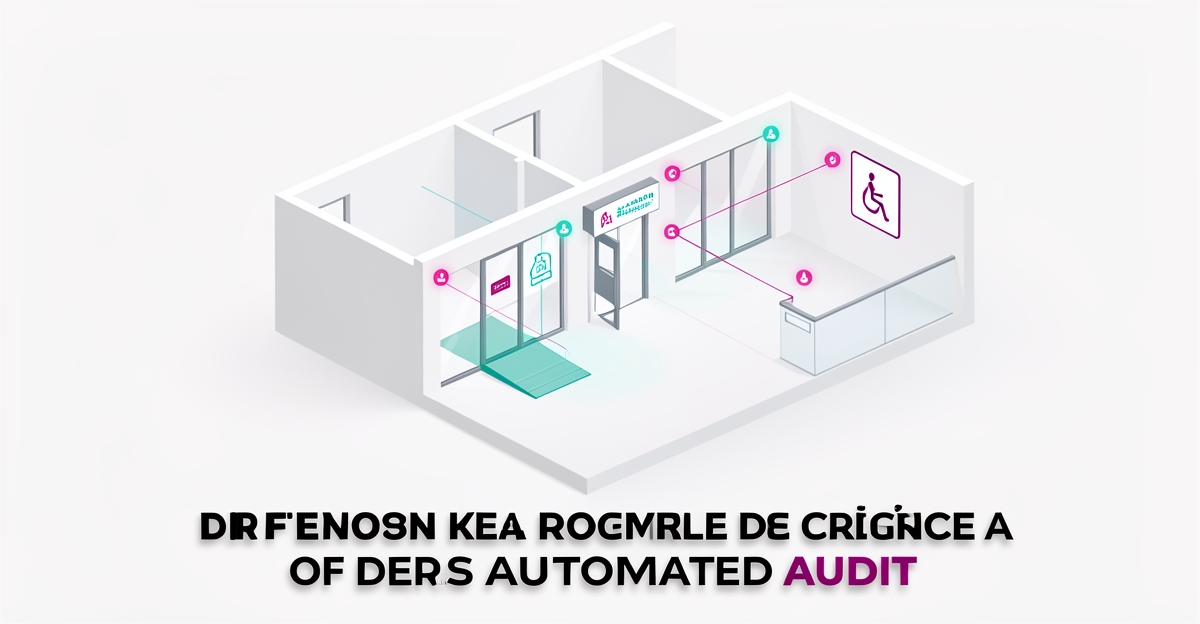
From Manual to AI: Transforming Accessibility Compliance in Real Estate Offices
Key Facts
- Manual audits typically take hours per property and produce inconsistent documentation across agents and offices.
- AI-powered scanning tools can review entire websites and listing portals in minutes, flagging issues like missing alt text and poor color contrast.
- Continuous AI monitoring catches new violations as content is added, rather than waiting for a scheduled annual audit.
- Accessibility failures remain a common source of ADA-related legal complaints against U.S. businesses, including real estate firms.
- Inclusive design expands market reach: a meaningful share of prospective tenants and buyers have a disability or live with someone who does.
- AI is transforming accessibility implementation to be faster, smarter, and more scalable, as industry observers have noted.
Hire a team member that works 24/7 — for less than a part-time wage.
AI receptionists, SDRs, dispatchers and 99+ roles. Trained on your business, fully managed.
Not sure where to start? Ask our AI planner
The Cost of Manual Accessibility Audits in Real Estate Offices
Manual accessibility audits in real estate offices are no longer just inconvenient—they're a significant operational liability. The traditional approach requires staff to manually inspect properties, review listings, and document compliance gaps across multiple touchpoints, a process that consumes time and resources on every single property. As intelligent automation spreads across property management and client-facing operations, firms relying on manual processes risk falling behind in both compliance and client service.
These manual audits often lead to inconsistent reporting, where accessibility features are documented differently across agents or offices, creating confusion for clients with disabilities and increasing legal exposure. Without standardized criteria, one agent might note a ramp's slope as compliant while another flags it as inadequate, resulting in unreliable data. This variability undermines trust and makes it difficult to track progress toward universal design goals. Moreover, the time-intensive nature of these audits—frequently requiring hours per property—diverts staff from higher-value activities like client engagement and deal closing.
The financial and opportunity costs extend beyond labor inefficiencies. When accessibility details are inaccurately or incompletely reported, real estate offices miss chances to serve the substantial market of clients with disabilities—people who are actively looking for housing and commercial space and are underserved by inconsistent listing data. Proactive accommodation not only meets legal standards but also expands market reach and enhances brand reputation. Firms that continue to rely on manual processes are not only spending more to achieve less—they're actively excluding a significant portion of potential clients.
- Inconsistent documentation across agents and offices
- High labor costs per property audit
- Risk of non-compliance due to human error
- Missed opportunities to serve clients with disabilities
- Delayed reporting and decision-making
By clinging to manual methods, real estate offices turn accessibility compliance into a bottleneck rather than a competitive advantage. AIQ Labs helps firms transition from reactive, manual checks to proactive, AI-driven systems—whether that's a focused rebuild of the compliance workflow that costs you the most or a broader connected operating layer. The goal is consistent, scalable compliance across listings and office spaces, freeing teams to focus on serving all clients effectively.
How AI Automates and Scales Accessibility Compliance
AI is reshaping how real estate offices approach accessibility compliance by automating audits and enabling continuous monitoring of both digital and physical environments. Traditional manual checks often miss subtle barriers and take significant time, but AI-powered tools can scan entire websites in minutes, identifying issues like poor color contrast or missing alt text with greater consistency. This speed and precision reduce the risk of human error while ensuring broader coverage across listings, client portals, and internal systems. Industry observers note that AI is transforming accessibility implementation by making it faster, smarter, and more scalable—critical advantages for firms managing multiple properties and high volumes of client interactions.
These tools go beyond one-time scans by providing real-time compliance reports and ongoing surveillance of accessibility standards such as ADA and WCAG. AI can continuously analyze website updates, flag new violations as content is added, and even suggest fixes like auto-generated alt-text or contrast adjustments. Some platforms also integrate with property management systems to assess physical office layouts, identifying potential mobility barriers in leasing offices or client meeting spaces. This dual capability allows real estate firms to maintain compliance dynamically rather than reacting to issues after they impact users or trigger regulatory concerns. Leading AI accessibility tools offer real-time monitoring and AI-powered suggestions that streamline remediation and support long-term adherence to inclusive design.
AIQ Labs supports real estate offices in deploying these intelligent systems as part of a broader accessibility strategy—combining custom development with ongoing optimization so tools remain effective as standards evolve. Whether you start with a single fixed-price workflow build or grow toward a full AI operating system your firm owns outright, the approach is phased and predictable. By automating repetitive audit tasks and enabling proactive compliance tracking, AI frees up teams to focus on client service and property innovation. The result is not just adherence to legal requirements but a more welcoming experience for tenants, visitors, and employees with diverse needs—aligning accessibility with both risk management and brand reputation in a competitive market.
Implementing AI for Ongoing Accessibility in Real Estate Workflows
Real estate firms can begin integrating AI accessibility tools by first auditing their digital and physical workflows to identify recurring compliance gaps. AI-powered platforms such as Visme, Stark, and UserWay offer automated scanning and real-time suggestions that reduce manual review time while improving accuracy in detecting WCAG violations across property listings and office websites. These tools can be embedded directly into CRM and property management systems via API, enabling continuous monitoring without disrupting existing operations. The broader shift toward intelligent automation in real estate is well underway, driven by demand for scalable solutions.
Training teams to work alongside AI accessibility tools requires a shift from reactive fixes to proactive monitoring. Staff should be trained to interpret AI-generated reports, prioritize high-impact fixes, and validate suggestions through human oversight—addressing known limitations like false positives or incomplete detection. AIQ Labs supports this transition with role-specific enablement aligned to real estate workflows, ensuring agents and property managers understand how to act on AI insights. Continuous learning loops, where feedback from audits informs model retraining, help improve tool precision over time.
Establishing feedback loops is essential for sustaining accessibility compliance as listings and office environments evolve. Firms should schedule regular AI-driven audits, track remediation timelines, and involve diverse user groups in testing to validate real-world usability. Integrating these insights into property management dashboards allows leaders to measure progress and allocate resources effectively. The best AI accessibility tools transform digital inclusion by making compliance more efficient and scalable—turning accessibility from a one-time task into an ongoing, measurable practice.
Still paying for 10+ subscriptions that don’t talk to each other?
We build custom AI systems you own outright. No vendor lock-in. Full control.
Not sure where to start? Ask our AI planner
Frequently Asked Questions
How much time do real estate offices typically spend on manual accessibility audits per property?
Why does the growth of AI in real estate matter for accessibility compliance?
How does AI improve the accuracy and consistency of accessibility audits compared to manual methods?
What are the risks of relying on manual accessibility audits in real estate offices?
Can AI tools help real estate offices maintain ongoing accessibility compliance, and how?
What should real estate teams do to effectively work alongside AI accessibility tools?
Turning Accessibility Into Your Competitive Edge
Manual accessibility audits drain resources, create inconsistent reporting, and risk excluding clients with disabilities—while AI-driven solutions offer speed, scalability, and continuous compliance across digital and physical environments. By automating audits, providing real-time monitoring, and integrating with existing workflows, AI helps real estate firms reduce human error, serve a market that competitors routinely overlook, and turn compliance into a brand differentiator. The shift isn't just about meeting standards—it's about building trust, improving client experiences, and freeing teams to focus on high-value activities like deal closing and tenant engagement. To see how AI can transform your accessibility approach without disrupting operations, start with the free two-minute Fit Check to identify your biggest opportunities. From there, schedule a no-obligation 30-minute strategy call to map out a clear, high-ROI path forward—because the future of inclusive real estate isn't manual, it's intelligent.
Make AI your competitive advantage — not just another tool.
Strategy, implementation and ongoing optimization. One partner, end to end.
Not sure where to start? Ask our AI planner