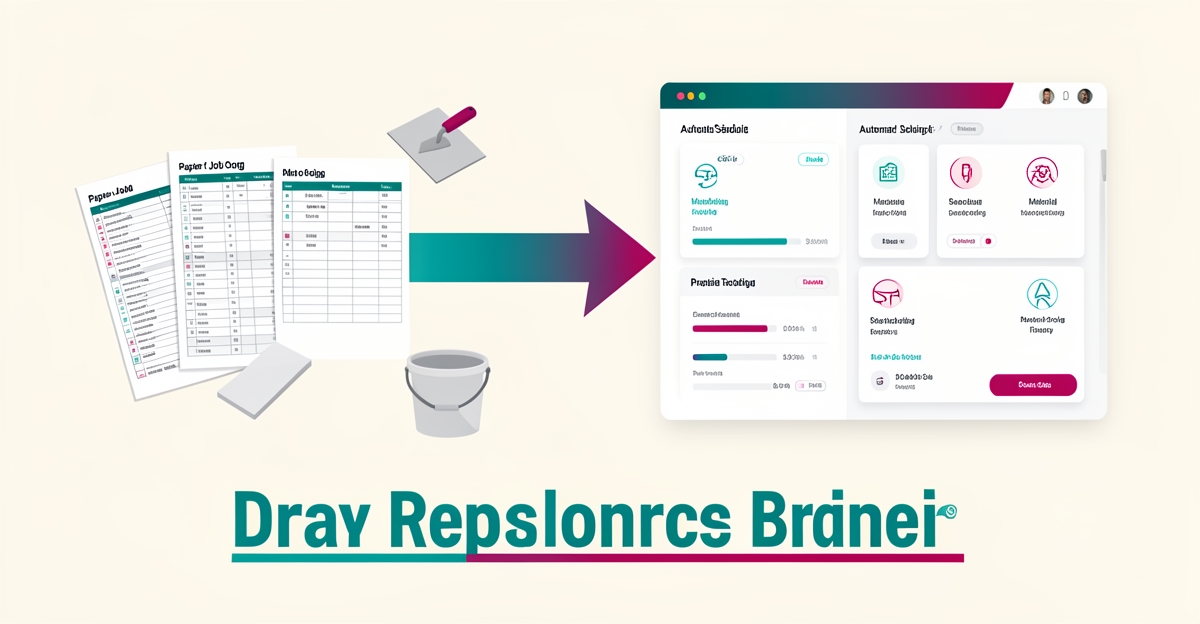
From Manual to AI: Transforming Drywall Repair Job Tracking with Automated Systems
Key Facts
- Manual tracking creates accountability gaps: jobs slip through cracks, schedules drift, and materials get over-ordered or forgotten
- AI systems can process ambiguous inputs, recognize patterns, and make decisions based on context, unlike rigid rule-based automation
- AI workflow automation can typically scale to handle large volumes of jobs without performance degradation, maintaining consistent accuracy
- AI-powered tracking learns from historical job data to improve scheduling accuracy and flag delays before they cascade
- Owned systems eliminate vendor lock-in, subscription volatility, and third-party data risks
- AIQ Labs has deployed 200+ multi-agent systems and runs 4 live SaaS products daily
Hire a team member that works 24/7 — for less than a part-time wage.
AI receptionists, SDRs, dispatchers and 99+ roles. Trained on your business, fully managed.
Not sure where to start? Ask our AI planner
The Manual Tracking Tax on Drywall Shops
Drywall repair shops still running on paper logs and spreadsheets are paying a hidden tax: lost time, missed details, and avoidable waste. Every handwritten note or manual entry creates an accountability gap where jobs slip through cracks, schedules drift, and materials get over-ordered or forgotten. These aren't just minor inconveniences, they directly erode profitability and customer trust in an industry where precision and timing are everything.
The problem isn't the technicians' skill, it's that their expertise is being buried under administrative overhead. When crews spend hours updating spreadsheets or chasing down paper tickets, they're not patching walls or matching textures. They're doing data entry that could be automated, pulling focus from the craftsmanship that actually builds reputation and repeat business. AI systems change this dynamic by handling the complexity of permutations, like scheduling multiple crews across overlapping jobs, tracking material usage in real time, or adjusting timelines when inspections delay a phase, without requiring constant human intervention.
AI automation excels where manual processes hit limits: processing ambiguous inputs, recognizing patterns in chaotic data, and adapting to changing conditions without reprogramming. For drywall shops, this means the system can automatically reschedule a ceiling repair when a humidity delay pushes back drywall installation, or flag when joint compound inventory is running low based on actual usage rates across active jobs. This isn't about replacing workers, it's about freeing them to do what they do best: deliver quality repairs that keep customers coming back.
The cost of sticking with manual tracking goes beyond inefficiency, it creates real operational risk. Paper logs get lost or damaged; spreadsheets version-control themselves into confusion; missed alerts lead to late material deliveries or double-booked crews. These errors compound: a single scheduling mistake can push back an entire week of jobs, triggering overtime costs, customer dissatisfaction, and rushed work that increases callback rates. AI workflow automation prevents these failures by continuously monitoring job status, material levels, and crew availability, then triggering actions, like automatic reorders or technician reassignment, before small issues become big problems.
Consider how traditional automation fails in dynamic environments: it follows rigid rules and breaks when conditions change. AI automation, by contrast, learns from data and adapts. When a drywall shop uses an AI-powered tracking system, it doesn't just follow a fixed script, it observes patterns (like how long texture matching typically takes in different room sizes) and adjusts estimates accordingly. This adaptive capability reduces the guesswork that leads to material waste and labor overruns, and it can typically scale to handle large volumes of jobs without performance degradation, ideal for shops juggling multiple repairs with varying complexity.
The shift from manual to AI tracking isn't just about technology, it's about reclaiming human potential. Technicians hired for their eye for detail and hand for finish shouldn't be wasting cognitive load on remembering whether they logged a sheetrock delivery or texted a customer about a delay. AI systems take on that mental burden, providing real-time visibility into every job's status while ensuring nothing falls through the cracks. The result is a shop where accountability is built into the workflow, not hoped for, and where skilled workers spend more time doing the work they were trained to do, rather than managing the paperwork that comes after it.
How AI Job Tracking Differs From Traditional Automation
Drywall repair businesses moving beyond basic automation quickly encounter a critical distinction: rule-based systems follow fixed instructions, while AI-powered tracking adapts to real-world complexity. Traditional automation handles predictable tasks like sending appointment reminders when a job is marked complete, but falters when faced with ambiguous inputs such as vague customer descriptions of damage or inconsistent material delivery notes. AI automation, by contrast, processes unstructured data like voice memos, photos of job sites, or handwritten logs to recognize patterns and make context-aware decisions without requiring constant reprogramming. This adaptability stems from machine learning models that improve over time, allowing the system to refine scheduling accuracy and resource allocation as it processes more job data. AIQ Labs designs these capabilities into custom workflow builds that learn from historical drywall repair patterns to predict timelines and flag potential delays before they impact schedules.
Unlike rigid rule-based systems that degrade under increased volume, AI job tracking typically scales efficiently without performance loss, maintaining consistent accuracy whether managing ten jobs or a hundred simultaneously. This is a crucial advantage for growing repair shops facing seasonal demand spikes. The technology excels at managing multi-step workflows, such as automatically triggering material orders when insulation installation is logged, adjusting crew schedules based on weather-related delays, and sending proactive customer updates, all while identifying exceptions that need human review. This capability transforms job tracking from a reactive log into an intelligent coordination system that anticipates needs rather than merely recording past events.
The evolution toward autonomous AI agents represents the next frontier, where systems receive high-level goals like "keep completion times on schedule" rather than specific task instructions. These agents independently determine optimal approaches by analyzing constraints, available resources, and historical outcomes, then execute complex sequences with minimal human oversight. For drywall repair, this means AI could dynamically reassign jobs across crews based on skill proximity, material availability, and customer priority while continuously optimizing for efficiency and quality. Such systems understand the nuanced trade-offs between rushing a finish versus allowing proper drying time, balancing speed with craftsmanship in ways rule-based automation cannot replicate. By handling the intricate permutations of scheduling, logistics, and communication, AI empowers technicians to focus on the skilled application of their trade, where human expertise delivers the quality customers value most.
To explore how AI job tracking differs from basic automation for your specific drywall repair workflow, start with a free strategy call to identify high-ROI automation opportunities. AIQ Labs helps businesses map their biggest bottlenecks and determine whether rule-based systems, AI workflows, or autonomous agents best match their operational needs and growth trajectory. This working session clarifies where intelligent automation delivers measurable improvements in accountability and error reduction without requiring massive upfront investment. Schedule your free 30-minute strategy call to see how AI transformation applies to your job tracking challenges.
Building an AI-Powered Job Tracking System for Drywall
Drywall repair shops still relying on paper logs and spreadsheets face avoidable delays and miscommunication that erode profitability. Manual tracking creates blind spots where jobs fall through cracks, materials go untracked, and technicians waste time chasing updates instead of finishing work.
An AI-powered job tracking system transforms this by auto-updating timelines, assigning tasks based on crew availability and job priority, and sending real-time alerts when materials are low or deadlines shift. Such systems can typically process many requests simultaneously while learning from historical data to improve scheduling accuracy over time. This allows shop owners to scale operations without adding dispatch staff and cut the administrative drag that manual tracking creates. The system becomes a single source of truth that eliminates version control errors plaguing shared spreadsheets.
Implementation follows a practical path aligned with AIQ Labs' three entry points. First, assess current workflows to document pain points like missed follow-ups or incorrect material orders, start with the 2-minute Fit Check at /apply. Next, rebuild the one workflow that costs the most through an AI Workflow Build: a fixed-price, phased project that integrates with your existing tools, scheduling software (like Jobber or Housecall Pro), accounting platforms (QuickBooks), and communication channels (SMS, email). This creates seamless data flow where a completed drywall job automatically triggers invoicing and customer follow-ups. Finally, deploy an AI Employee as a virtual dispatcher to manage routine updates, allowing human staff to focus on complex client consultations and quality inspections. Pilot the system with one crew before scaling, using performance metrics like job completion time and error rates to refine workflows. Continuous optimization ensures the system adapts to seasonal demand shifts and new service offerings, maintaining long-term value without vendor lock-in. Shops that want scheduling, dispatch, invoicing, and reporting connected as one layer can step up to AI Operating Systems, built in phases and owned outright.
Risks, Ownership and Why Custom Beats Subscription
Many drywall repair shops still rely on paper logs and spreadsheets to track jobs, creating data quality risks that cascade into scheduling errors and billing disputes. Manual systems struggle with ambiguous inputs and inconsistent data entry, leading to missed updates when handling complex job variables like material deliveries or crew availability. AI automation systems excel at processing unstructured data and adapting to changing conditions without reprogramming, directly addressing the core limitations of paper-based tracking.
Subscription-based AI tools often introduce new problems despite promising simplicity, particularly around vendor lock-in and ongoing cost unpredictability. When businesses depend on proprietary platforms, they risk losing control over customization, face steep exit costs, and may encounter privacy concerns as data resides on third-party servers, a critical issue for trades handling client property details and payment information. Over-reliance on external technology creates vulnerabilities if services change pricing, discontinue features, or suffer downtime, leaving shops unable to access their own operational history during critical periods.
AIQ Labs' true ownership model eliminates these risks by ensuring clients retain full control of their custom-built job tracking systems, including code, data, and future modifications. Unlike subscription models that lock businesses into perpetual payments for limited functionality, owned systems let drywall repair shops pay through flexible options, Start Monthly, Build in Milestones, or Own It Outright, while maintaining complete autonomy. This approach transforms AI from a recurring expense into a permanent operational asset, directly supporting the human-AI collaboration model where technology handles complexity so technicians can focus on craftsmanship and customer relationships. By owning their AI infrastructure, shops avoid the chaos of managing multiple subscriptions while gaining a system that scales with their business, integrates seamlessly with existing tools, and improves accountability through reliable, self-controlled data workflows.
- Eliminates vendor lock-in and platform dependencies
- Ensures data privacy and security control
- Provides long-term cost predictability versus subscription volatility
- Enables full customization for trade-specific workflows
- Creates a permanent asset instead of ongoing operational expense
Still paying for 10+ subscriptions that don’t talk to each other?
We build custom AI systems you own outright. No vendor lock-in. Full control.
Not sure where to start? Ask our AI planner
Frequently Asked Questions
Why should I switch from paper logs and spreadsheets to AI-powered job tracking?
What's the difference between traditional automation and AI-powered job tracking?
How does AI job tracking actually work for a drywall repair shop?
Will AI replace my technicians or dispatchers?
What are the risks of using subscription-based AI tools for job tracking?
How do I get started with AI job tracking for my drywall business?
Reclaim the Craft, Automate the Chaos
Moving from paper logs and spreadsheets to AI-powered job tracking isn't about adding technology for its own sake, it's about removing the manual tracking tax that erodes profit and trust. When drywall shops automate timelines, crew assignments, material alerts and customer updates, they stop losing jobs in the cracks and start building accountability into the workflow itself. AI handles the complexity and permutations of scheduling, delays and inventory so technicians can focus on the finish work that builds reputation. The shift from rigid rule-based tools to adaptive AI systems means fewer double-booked crews, less material waste and faster responses when conditions change. If you're ready to see where that leverage exists in your shop, start with a clear assessment of your current pain points and a pilot with one crew. AIQ Labs can map your highest-ROI automation opportunities in a free working session with no obligation. Start the 2-minute Fit Check at https://aiqlabs.ai/apply to book a free 30-minute strategy call, or reach the team directly at [email protected].
Make AI your competitive advantage — not just another tool.
Strategy, implementation and ongoing optimization. One partner, end to end.
Not sure where to start? Ask our AI planner