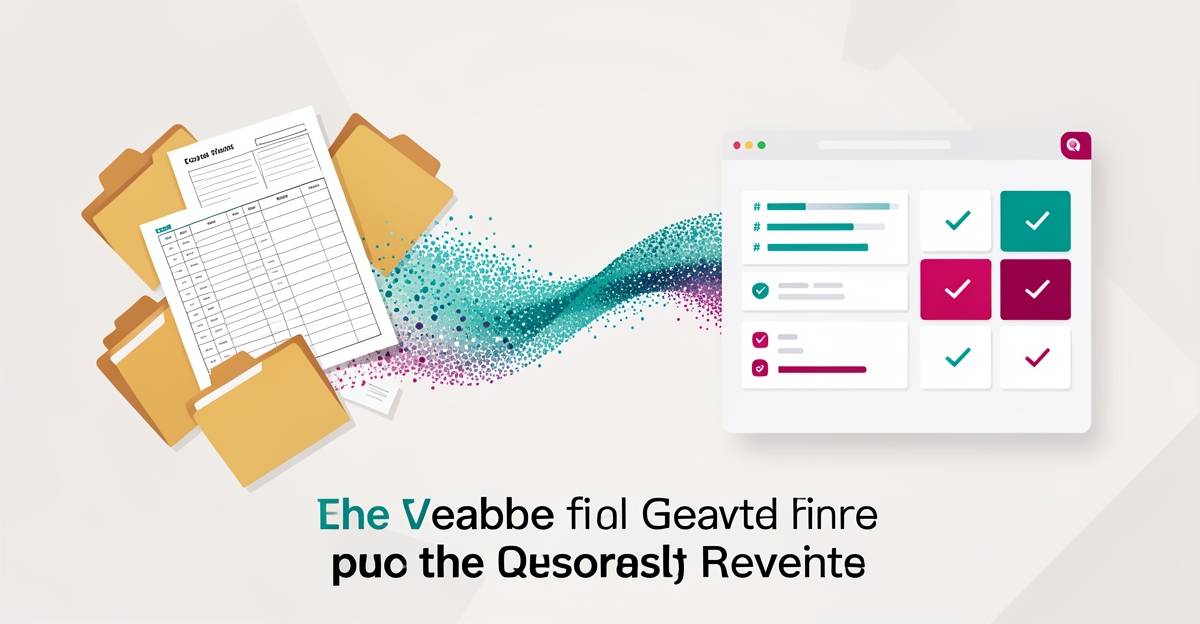
From Manual to AI: Transforming Hoarding Cleanup Job Tracking with Automation
Hire a team member that works 24/7 — for less than a part-time wage.
AI receptionists, SDRs, dispatchers and 99+ roles. Trained on your business, fully managed.
Not sure where to start? Ask our AI planner
The Hidden Cost of Manual Job Tracking in Hoarding Cleanup
Every hour your team spends on manual job tracking is an hour not spent on actual cleanup work. In hoarding cleanup services, where jobs are complex and client trust is paramount, these inefficiencies compound quickly into lost revenue and damaged relationships.
Manual job tracking demands significant time and effort that most cleanup companies can ill afford. Every intake call means re-typing details into a spreadsheet. Every schedule change means chasing down crew leads by phone. Every photo, assessment, and permit lives in a different place, usually someone's inbox.
The hidden costs extend far beyond the obvious time sink. Consider these operational drains:
- Inconsistent record-keeping that creates confusion about job status and client history
- Difficulty scaling operations when each new job adds administrative burden
- Slow response times that frustrate clients already dealing with sensitive situations
- Increased error rates that lead to scheduling conflicts and missed appointments
Manual processes simply cannot keep pace with the demands of a growing hoarding cleanup business. Spreadsheets and paper files create bottlenecks that delay project completion and frustrate clients, and the cost of falling behind compounds every month you stay on manual tracking.
The scalability problem becomes particularly acute as your business grows. What works for tracking five concurrent jobs collapses under the weight of twenty. Manual tracking invites transcription errors, misplaced client information, and costly miscommunications that erode trust.
At AIQ Labs, we have deployed 200+ multi-agent systems across service businesses, and we run four live SaaS products of our own every day. We have seen how these manual inefficiencies compound. The transition from spreadsheets and paper files to intelligent automation is not merely about convenience. It represents a fundamental shift in how cleanup companies can allocate their most valuable resource: human attention.
When your team spends less time on data entry, they spend more time delivering compassionate, thorough cleanup services. The result is a business that scales without sacrificing quality, and clients who receive the responsive, professional experience they deserve during challenging times.
How AI Automation Solves Core Challenges in Job Intake and Progress Tracking
Manual intake forms, scattered property notes, and phone updates create delays that compound across hoarding cleanup crews, property managers, and clients. AI-powered automation replaces that fragmentation with a single, intelligent system that captures, organizes, and tracks work from first call to final clearance.
Digitizing job intake starts at first contact. AI agents capture client details, property access constraints, and safety notes from calls, emails, or web forms, then structure them into a unified job record. This eliminates repetitive manual data entry and the variability that slows manual tracking. For many service businesses, an [AI receptionist or dispatcher](/ai-employees) handles after-hours intake so no lead slips through because someone missed a call.
Once intake is digitized, property records stay organized and accessible. AI systems ingest photos, assessments, permits, and communications, then auto-tag and link them to the correct job. Teams gain a real-time source of truth without chasing spreadsheets or paper files. The result is faster handoffs between estimators, crew leads, and compliance staff, and fewer errors when timelines or requirements change.
Real-time progress tracking closes the loop for clients and operations. Automated status updates, photo logs, and milestone checks are pushed to dashboards as work happens, replacing end-of-day phone calls. Scheduling, dispatch, and documentation move in parallel rather than in sequence, which compresses cycle times across the whole job lifecycle.
The efficiency gains show up in measurable operational metrics:
- Intake and triage move from days of back-and-forth to minutes with automated classification
- Crew scheduling and site visit coordination happen automatically instead of by phone tag
- Job activation and crew assignment speed up because records are complete from day one
For hoarding cleanup companies, the practical entry point is usually an [AI Workflow Build](/workflow-builds): rebuild the one workflow that costs the most, typically intake and job setup, at a fixed price, in phases. Businesses that want a fully connected operation across intake, scheduling, dispatch, and client communication can graduate to an [AI Operating System](/ai-operating-systems), built in phases and owned outright.
The shift is from reactive updates to proactive visibility. Automated intake and record organization reduce manual effort and create audit-ready documentation. Real-time tracking improves client trust and crew coordination. Together they turn a fragmented manual process into a repeatable, scalable operation.
Implementation Roadmap: From Manual Workflows to AI-Driven Systems
Hoarding cleanup businesses often start with spreadsheets and paper logs to track jobs, but these manual methods create delays, errors, and scalability limits as volume grows. Transitioning to AI-driven systems doesn't require a full overhaul, it begins with a clear, phased approach.
Start by conducting a detailed process audit to map current workflows, pinpoint bottlenecks in job intake or progress tracking, and identify where manual effort is highest. Organizations that get the strongest return from automation almost always begin with a clear assessment of pain points before selecting tools.
Next, select AI tools that integrate seamlessly with existing systems like scheduling software or CRM platforms, avoiding isolated solutions that create new silos. Begin automation with high-volume, repetitive tasks such as job intake forms or property record organization, where quick wins build team confidence and demonstrate measurable impact.
Finally, invest in team training and establish clear metrics to track progress, such as reduction in data entry time or improvement in job completion visibility. As comfort grows, expand AI across adjacent workflows like disposal tracking or client communication. Scaling should follow proven pilots, ensuring each phase delivers value before moving forward. With this roadmap, hoarding cleanup businesses can transform manual tracking into a streamlined, AI-powered system that scales with confidence.
Still paying for 10+ subscriptions that don’t talk to each other?
We build custom AI systems you own outright. No vendor lock-in. Full control.
Not sure where to start? Ask our AI planner
Frequently Asked Questions
How much time does manual job tracking actually cost my hoarding cleanup business?
Will AI automation really improve accuracy for our property records and job intake?
How fast can we expect to see results after implementing AI job tracking?
Is AI job tracking only for large cleanup companies, or can smaller teams benefit too?
What's the first step to moving from spreadsheets to an AI-driven system?
How does real-time tracking improve client trust during sensitive hoarding cleanup jobs?
From Chaos to Clarity: Your Path Forward in Hoarding Cleanup Automation
The shift from manual to AI-driven job tracking isn't just about adopting new technology, it's about reclaiming your team's time, reducing costly errors, and delivering the compassionate, reliable service your clients deserve during vulnerable moments. By automating intake, organizing property records, and enabling real-time progress tracking, hoarding cleanup businesses can scale operations without sacrificing quality or trust. Every month on manual tracking is a month of compounding delays and errors. If you're ready to replace spreadsheet chaos with a streamlined, scalable system, start by identifying your biggest bottleneck. Take the first step with a free, no-obligation strategy call to see where AI can deliver the highest return for your specific workflow, no sales pitch, just clarity on your opportunity.
Make AI your competitive advantage — not just another tool.
Strategy, implementation and ongoing optimization. One partner, end to end.
Not sure where to start? Ask our AI planner