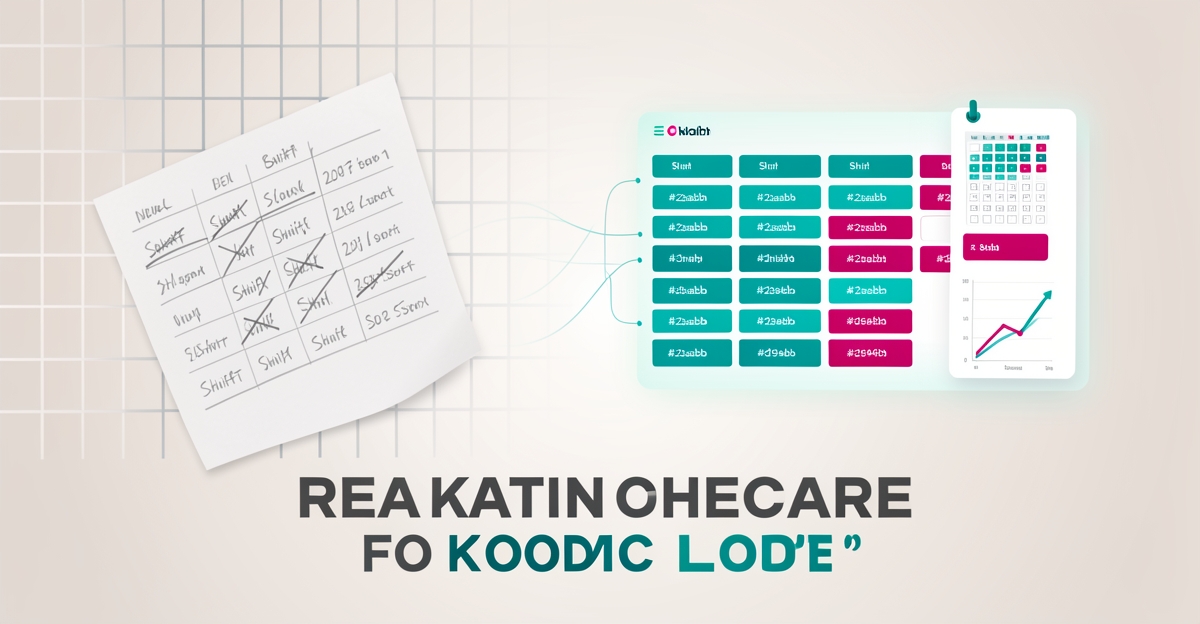
From Manual to AI: Transforming Kitchen Staff Scheduling with Predictive AI
Key Facts
- Overstaffing pays wages that generate no revenue; understaffing drives up ticket times and burns out teams. Both are symptoms of scheduling on gut feel instead of demand signals.
- Predictive AI ingests POS data, reservation curves, weather, and local events, signals no manager can manually correlate at scale.
- Hospitality operators are shifting budgets toward AI as of late 2026, with a growing share of IT spend directed at automation and forecasting tools.
- AIQ Labs has deployed 200+ multi-agent systems and runs 4 live SaaS products daily, scheduling orchestration is a proven category, not a lab experiment.
- Clean, centralized data is the prerequisite: without connected POS, reservation, and scheduling feeds, even the best models underperform.
Hire a team member that works 24/7 — for less than a part-time wage.
AI receptionists, SDRs, dispatchers and 99+ roles. Trained on your business, fully managed.
Not sure where to start? Ask our AI planner
The Cost of Manual Kitchen Scheduling
Every Friday afternoon, a kitchen manager sits down with a spreadsheet, last month's sales figures, and a gut feeling, and builds a schedule that will be wrong by Tuesday. This ritual plays out in thousands of restaurants every week, and it costs money in ways most operators never fully measure.
Manual scheduling fails because it is fundamentally reactive. Managers build schedules on historical averages and intuition, then discover, only after the dinner rush collapses or the kitchen sits idle, that staffing never matched demand. The industry conversation has moved from optimization to orchestration: dynamically adjusting workflows in real time rather than tweaking templates after the damage is done. Most kitchens are still stuck in the optimization era.
The cost of that gap shows up on both sides of the ledger:
- Overstaffing pays wages for labor that generates no revenue during slow shifts.
- Understaffing drives ticket times up, burns out the team, and sends guests elsewhere.
- Last-minute changes trigger overtime, shift chaos, and constant swap requests.
- Manager hours vanish into schedule-building instead of floor leadership.
The broader economy is moving fast while kitchens stay manual. Hyperautomation, combining AI, machine learning, and robotic process automation, has been a major growth category since 2024, and enterprises across sectors are automating a rapidly growing share of their operational workflows as of late 2026. Scheduling is precisely the kind of multi-step, data-heavy workflow this wave targets.
Hospitality operators are not blind to this. As of late 2026, a clear majority of hospitality decision-makers report planning meaningful AI investment within their IT budgets, a signal that the industry's technology-averse reputation is shifting. Yet many operators remain trapped by legacy systems, layering add-ons onto outdated platforms until they end up with dozens of disconnected tools and little positive impact.
The alternative is a unified approach: AI systems that analyze historical sales, reservation patterns, weather, and local events to predict staffing needs, then adjust schedules in real time. This is exactly the kind of workflow transformation AIQ Labs builds for operations-heavy businesses through AI Workflow Builds, replacing manual, error-prone processes with owned, AI-driven systems that cut labor costs and improve staff utilization.
Until scheduling moves from guesswork to prediction, every shift is a bet the kitchen pays for either way.
How Predictive AI Orchestrates Kitchen Labor
Kitchen labor has moved beyond spreadsheets and manager intuition. Predictive AI now orchestrates the entire staffing system by reading demand signals in real time and aligning people, prep, and service before the rush hits.
The shift is from optimization to orchestration. Instead of fixed weekly templates, schedules become living plans that respond to POS spikes, reservation curves, and external inputs, redesigning the staffing process dynamically rather than adjusting it after the fact.
Hyperautomation provides the framework: AI, machine learning, and automated workflows working together. For kitchens, AI algorithms analyze historical sales and reservation patterns, ML models surface inefficiencies, and automated workflows trigger schedule adjustments when real-time data deviates from predictions.
AI agents make the orchestration autonomous. These systems execute repetitive, multi-step tasks across enterprise software using conversational intent recognition, API integrations, and workflow orchestration. In practice, an agent can monitor reservation systems and point-of-sale data, cross-reference staffing against predicted demand, and automatically adjust shift assignments or notify managers when coverage gaps appear.
Demand forecasting becomes multi-signal. Predictive models ingest data that managers can't manually correlate at scale:
- POS and reservation volume by hour and day part
- Weather patterns and local events that shift traffic
- Historical traffic patterns and holiday calendars
- Real-time inventory and prep capacity constraints
This data foundation is non-negotiable. Hospitality research consistently warns that before investing in AI, companies need strong, sustainable data aggregated across all touchpoints, otherwise the AI will underperform. For kitchen scheduling that means clean POS feeds, reservation exports, and scheduling platforms connected via API-first integration.
Hospitality is already moving. A growing share of hotel and restaurant operators are directing IT budget toward AI tools as of late 2026, reflecting broader backend transformation. The same orchestration logic applies to restaurants, where predictive workflow intelligence replaces reactive overstaffing and understaffing.
AIQ Labs helps restaurants deploy AI-driven scheduling systems that cut labor costs and improve staff utilization across shifts by building owned, multi-agent orchestration layers rather than point tools. Human managers retain final judgment on staffing decisions while AI handles the data-intensive prediction and dynamic alignment, a man-with-machine model that keeps the human touch in service.
Building an AI Scheduling System That Works
Manual spreadsheets and manager gut feel can't keep up with a dinner rush that changes with the weather. Building an AI scheduling system that works starts with readiness, not software.
Assess AI readiness and data foundations first. Assess your current workflows and identify integration areas before investing in tools. Without strong, sustainable data that aggregates sales, reservations and traffic across touchpoints, AI will underperform. Clean, centralized data is the prerequisite for predictive staffing.
Consolidate data and design an orchestration layer. Process intelligence begins with analyzing workflow data and event logs to identify bottlenecks, service risks, and high-impact automation opportunities. For kitchens, that means connecting POS, reservation systems, and scheduling platforms via API-first integration and event-driven patterns. This creates the orchestration layer where forecasting, prep planning, and labor alignment reinforce each other.
Hyperautomation provides the framework for staffing optimization. In practice:
- AI algorithms analyze historical sales, reservation patterns and external factors to predict staffing needs
- ML models identify inefficiencies in current scheduling practices and suggest actionable improvements
- Automated workflows trigger schedule adjustments when real-time data deviates from predictions
Implement predictive workflow intelligence with human-in-the-loop control. Apply predictive models to forecast workload distribution and detect anomalies, while designing scalable architectures with human-in-the-loop orchestration. AI handles data-intensive prediction; managers retain final decisions on staffing levels and employee relations. Many strategic choices require judgment and accountability and must remain human-led.
Deploy AI agents for autonomous execution and continuous learning. Agents can monitor reservations and POS in real time, cross-reference staffing against predicted demand, and generate notifications for shift swaps. This is where AI Employees come in, managed AI staff that handle the monitoring and coordination work at a fraction of the cost of an additional administrative hire.
Privacy, training and observability complete the system. Prioritize transparent policies for employee and guest data, train managers to interpret AI recommendations, and implement telemetry for continuous optimization. AIQ Labs builds custom, owned systems with human-in-the-loop controls and privacy by design, delivered in phases so you can verify value at each milestone.
From Pilot to Owned AI Advantage
The gap between a successful pilot and a fully owned AI scheduling system is where most restaurant transformations stall. Most organizations get stuck at the pilot stage, unable to scale their AI initiatives into production systems that deliver lasting value. Moving beyond this inflection point requires a deliberate shift from experimentation to ownership, and the right development approach makes all the difference.
The methodology is straightforward: process intelligence, predictive modeling, and agent deployment. AIQ Labs applies this approach to restaurant scheduling through AI Operating Systems, one connected operating layer built in phases and owned outright, rather than licensed subscription software. This ownership model eliminates vendor lock-in and creates a permanent operational asset that appreciates with your business.
- Custom development replaces fragmented scheduling tools with unified systems that integrate directly with your POS, reservation platforms, and payroll infrastructure.
- AI Employees function as dedicated scheduling coordinators, monitoring real-time demand signals and autonomously adjusting shift assignments within parameters you define.
- Ownership structures ensure you control the code, data, and future development, no recurring platform fees or forced upgrades.
The financial case for ownership is straightforward. Precise demand forecasting eliminates overstaffing waste and reduces overtime, while owned systems avoid perpetual subscription fees for generic scheduling software. AIQ Labs doesn't publish invented savings numbers, real figures come after a conversation about your actual operation. What we can say: 200+ multi-agent systems deployed, and payment models (Start Monthly, Build in Milestones, Own It Outright) designed so you never pay for value you haven't seen.
The human element remains essential. Successful AI implementation augments rather than replaces managerial judgment. AIQ Labs builds this philosophy into every deployment: AI Employees handle data-intensive prediction and routine adjustments, while your managers retain final authority over staffing decisions, employee relations, and exception handling. This "man with machine" approach preserves the human touch that defines hospitality while capturing efficiency gains.
Scalability follows ownership. Once your scheduling system proves value in one location, the same infrastructure extends across multiple sites without additional licensing costs. The predictive models continuously retrain on your accumulating data, improving accuracy as your dataset grows. This creates a durable competitive advantage, an owned operational capability that competitors cannot easily replicate with off-the-shelf solutions.
Still paying for 10+ subscriptions that don’t talk to each other?
We build custom AI systems you own outright. No vendor lock-in. Full control.
Not sure where to start? Ask our AI planner
Frequently Asked Questions
How does predictive AI improve kitchen staff scheduling compared to manual methods?
What data sources does AI use to forecast kitchen staffing needs accurately?
Will AI replace kitchen managers or remove the human element from scheduling decisions?
How does owning an AI scheduling system differ from using subscription-based scheduling software?
What cost savings can restaurants expect from AI-driven kitchen scheduling?
Is AI scheduling technology too complex or risky for small restaurants to adopt?
The Schedule That Writes Itself
Manual kitchen scheduling is a bet placed every Friday, and the house always wins. Predictive AI changes the game by turning staffing from reactive guesswork into orchestrated precision: real-time demand signals, multi-source forecasting, and autonomous agents that adjust shifts before the rush hits. The data foundation is non-negotiable; without clean POS, reservation, and traffic feeds, even the best models underperform. But with the right orchestration layer, restaurants move from weekly templates to living plans that balance labor, prep, and service dynamically. AIQ Labs helps restaurants deploy owned AI scheduling systems that cut labor costs and improve staff utilization, keeping managers in control of final decisions while AI handles the prediction. The next step isn't another tool; it's a system that learns your kitchen. Start with the 2-minute Fit Check at aiqlabs.ai/apply, then book a free 30-minute strategy call to see where the leverage lives.
Make AI your competitive advantage — not just another tool.
Strategy, implementation and ongoing optimization. One partner, end to end.
Not sure where to start? Ask our AI planner