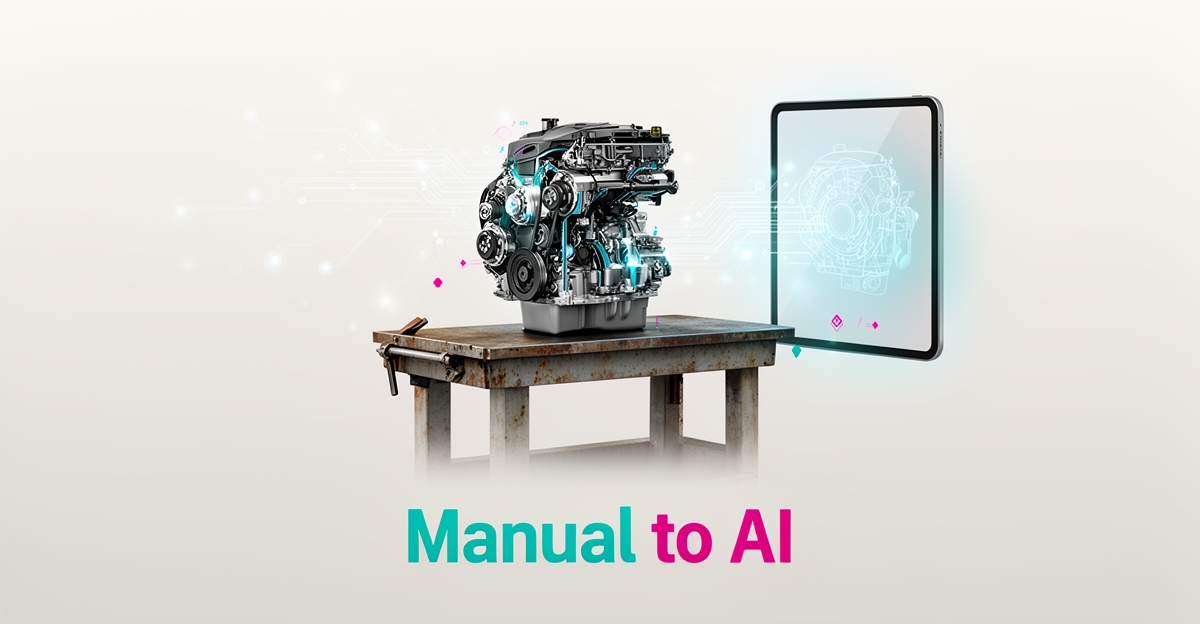
From Manual to AI: Transforming Marine Engine Repair Workflows in Small Shops
Key Facts
- AI adoption in maritime has accelerated sharply in recent years, with small and medium-sized businesses playing a leading role in practical, workshop-ready tools.
- The biggest gains come from rebuilding one high-cost workflow at a time—not overhauling everything at once.
- AI works best as a second brain: handling parts lookup, documentation, and diagnostic research so technicians focus on complex repairs.
- Most shops that attempt AI adoption alone stall at the pilot stage; structured change management is what makes it stick.
- AIQ Labs has deployed 200+ multi-agent systems and runs four live SaaS products daily—this is operational experience, not theory.
Hire a team member that works 24/7 — for less than a part-time wage.
AI receptionists, SDRs, dispatchers and 99+ roles. Trained on your business, fully managed.
Not sure where to start? Ask our AI planner
Introduction
The marine engine repair industry is at a turning point, where traditional manual processes are giving way to AI-powered workflows that promise greater efficiency and safety. For small repair shops, this shift represents both a challenge and an opportunity to modernize operations while maintaining the hands-on expertise that defines their craft.
As of late 2026, AI adoption across the maritime sector has accelerated markedly, and much of the practical innovation is coming from smaller operators rather than large corporations. That matters for independent repair shops: the tools being built today are increasingly designed with real workshop constraints in mind, from limited IT infrastructure to the need for intuitive, field-ready interfaces.
Small and medium-sized enterprises are not just adopting AI; they are driving its innovation in the maritime sector. This grassroots involvement ensures that AI tools are developed with practical repair environments in mind—limited budgets, lean staff, and no dedicated IT department.
- Workers using AI often report shifts in how they approach tasks within the first few hours of use
- AI is being used to transform underlying workflows, not just automate outputs
- Successful adoption requires a mindset reset around human-AI collaboration
The concept of an "AI second brain" is gaining traction among marine technicians, who describe using AI not just for diagnostics or parts lookup, but to augment their decision-making and reduce cognitive load during complex repairs. This shift allows experienced mechanics to focus on high-value troubleshooting while AI handles routine data processing, documentation, and procedural guidance.
AIQ Labs supports this transformation by partnering with small marine shops to redesign workflows from manual to AI-optimized, ensuring that technology adoption aligns with shop culture and operational realities. Through tailored change management and hands-on training, we help teams navigate resistance, build confidence in new tools, and realize measurable improvements in repair accuracy and turnaround time—without losing the human expertise that remains at the heart of marine engine repair. For shops that want managed AI staff rather than another dashboard, our AI Employees handle roles like service coordinators and intake dispatchers at a fraction of a human hire's cost.
Key Concepts
The maritime sector, often perceived as traditional and resistant to change, is now embracing AI with real momentum. Small and medium-sized entities have emerged as pivotal drivers of practical adoption, and the tools available to independent shops have matured accordingly. What was experimental a few years ago is now deployable at small-shop scale and budget.
For marine engine repair shops, this transformation centers on a fundamental concept: the AI second brain. Workers frequently report shifts in how they work within the first few hours of adopting these systems, moving beyond simple output generation to transforming the underlying thinking process itself. True transformation requires AI to help with the unseen 80% of effort behind the first draft — the diagnostic reasoning, parts research, and workflow coordination that consume a technician's day.
- Predictive maintenance models that analyze engine telemetry and historical failure patterns
- Intelligent parts lookup and cross-referencing across manufacturer databases
- Automated work order generation with step-by-step repair procedures
- Knowledge capture systems that preserve tribal expertise when senior technicians retire
- Real-time compliance tracking for emissions and safety regulations
The challenge for small shops isn't whether AI works — it's navigating the maturity curve from experimentation to embedded capability. Most organizations stall at the pilot stage, unable to scale isolated tools into cohesive workflows. AIQ Labs guides marine repair businesses through this progression with structured change management and hands-on transformation support, ensuring AI adoption sticks. The goal isn't replacing skilled technicians — it's giving them an intelligent partner that handles the cognitive overhead so they can focus on the complex mechanical work that demands human judgment.
Best Practices
The journey from manual to AI-optimized marine engine repair begins with deliberate, incremental steps that respect both technical realities and human dynamics. Small shops benefit most when they start by mapping their current workflows to identify repetitive tasks—like parts lookup, service scheduling, or diagnostic note-taking—that consume disproportionate technician time. Rather than adopting a dozen tools at once, the highest-return move is typically to rebuild the single workflow that costs the most. That's the philosophy behind our Workflow Builds: one workflow, fixed price, delivered in phases.
Successful transformation hinges on preparing the team before introducing new technology. Begin with short, focused training sessions that frame AI as a collaborator—not a replacement—for skilled mechanics, emphasizing how it handles routine cognitive labor so technicians can focus on complex troubleshooting and customer interaction. The AI second brain concept highlights that workers often report shifts in their work patterns within just a few hours of using AI tools designed to augment thinking, not just automate outputs. Pair this training with clear communication about how AI integration aligns with shop goals—such as reducing turnaround time or capturing early-payment discounts through faster invoicing—to build buy-in and alleviate fears of obsolescence.
Implement changes in phases, starting with a single high-impact workflow like automated service reminders or AI-assisted parts identification using image recognition. Pilot the solution with one technician or bay, collect feedback rigorously, and refine before expanding. Key practices include: maintaining human oversight for critical safety checks, documenting both time savings and quality improvements, and creating simple feedback loops where staff can report pain points or suggest enhancements. Persistent context and reusable assets—like AI-generated service histories or standardized repair templates—allow workers to reuse prior effort rather than rebuilding knowledge from scratch each time. This approach transforms not just individual tasks but the shop's overall capacity to handle complex jobs consistently.
Throughout the process, leverage external expertise to avoid common pitfalls. AIQ Labs' transformation support helps small marine shops navigate change management by designing role-specific training, establishing clear success metrics, and providing ongoing optimization support—ensuring the technology evolves with the shop's growing needs. Measure progress not just in time saved per task, but in improved first-time fix rates, reduced overtime, and increased customer satisfaction. Remember that sustainable adoption requires celebrating small wins early: when a technician completes a diagnosis noticeably faster using AI-assisted symptom analysis, or when automated work order generation cuts administrative time substantially, share those results openly. These tangible improvements reinforce the value of the transition and motivate broader team engagement, turning initial skepticism into active participation in the shop's AI-powered future.
Implementation
Marine repair shops are discovering that AI transformation doesn't require overhauling everything at once. Starting with a single, high-impact workflow—like predictive maintenance scheduling or parts inventory tracking—allows teams to build confidence while measuring real results.
Small shops benefit most when they align AI implementation with clear operational pain points. For example, automating work order intake can free technicians from hours of weekly data entry, letting them focus on complex repairs rather than paperwork. The AI second brain concept supports this shift, with workers often reporting changes in how they approach tasks within just a few hours of using AI tools that handle routine cognitive loads.
Successful implementation hinges on structured change management. AIQ Labs guides shops through a phased process: assessing current workflows, developing custom AI agents tailored to marine-specific needs, integrating with existing systems like scheduling or invoicing software, and deploying with role-based training. Teams learn to collaborate with AI employees that handle repetitive tasks—such as generating service reminders or updating parts databases—while humans retain oversight for judgment-based decisions. Shops that want everything connected over time can graduate to a full AI Operating System: one connected operating layer, built in phases, owned outright by the shop.
- Begin with a workflow audit to identify bottlenecks
- Pilot one AI agent in a controlled environment
- Measure time savings and error reduction weekly
- Scale only after staff report improved workflow satisfaction
Resistance often stems from fear of replacement, not the technology itself. Open communication about AI's role as a force multiplier—amplifying human expertise rather than replacing it—helps ease transitions. Shops that involve technicians in the design phase see faster adoption, as staff feel ownership over tools that solve their daily frustrations. With AI adoption accelerating across the maritime sector as of late 2026, early adopters gain a competitive edge in efficiency and service quality. Small shops aren't just participants in this transformation—they're leaders.
Conclusion
The maritime sector, often seen as traditional and slow to change, is now embracing AI with real momentum—and small marine engine repair shops are no exception. The question is no longer whether to adopt AI, but how to do it without disrupting the skilled work your team already does well.
The case is straightforward. AI tools that were experimental a few years ago are now practical at small-shop scale, and the operators moving first are building capabilities their competitors will struggle to match later.
As we've seen throughout this article, a successful transition from manual to AI-optimized workflows comes down to a handful of fundamentals:
- Start with a readiness assessment of your current tools, data, and team capabilities before committing to any technology
- Address change resistance early with role-specific training and clear communication about what AI will and won't replace
- Build governance and security controls in from the outset, not as an afterthought
- Begin with one high-value workflow—diagnostics, scheduling, or intake—before scaling across the shop
The mindset shift matters as much as the technology. The AI second brain concept shows that workers often report changes in how they work within the first few hours of using AI—not because the tools are magic, but because they rethink how the underlying work gets done. Real transformation comes from AI handling the unseen 80% of effort behind the first draft.
This is where structured support makes the difference. Most shops that attempt AI adoption on their own stall at the pilot stage, while those working with hands-on transformation partners—like the approach AIQ Labs takes with SMBs, backed by 200+ multi-agent systems deployed and four live SaaS products we run daily—move from strategy through training to full staff adoption under a single accountable partner.
Your next steps are straightforward. Assess where manual processes cost you the most time, pick one workflow to transform first, and invest in training your team alongside the technology. The market is moving quickly, and the shops that build these capabilities now will hold a durable advantage over those still waiting.
If you're ready to map your shop's biggest bottleneck, start with the two-minute Fit Check at aiqlabs.ai/apply, followed by a free 30-minute strategy call with an AI engineer. It's a working session, not a sales pitch—and if there isn't a clear win for your shop, they'll tell you that too.
Still paying for 10+ subscriptions that don’t talk to each other?
We build custom AI systems you own outright. No vendor lock-in. Full control.
Not sure where to start? Ask our AI planner
Frequently Asked Questions
Will AI replace my experienced marine technicians?
Is my shop too small to benefit from AI?
Where should I start if I want to bring AI into my shop?
How long does it take for technicians to adapt to AI tools?
What if my team resists using AI?
How much does AI implementation cost for a small marine shop?
Your Next Move: From Manual to AI-Optimized
The shift from manual to AI-powered marine engine repair isn't a distant trend—it's happening now, and small shops are leading the charge. The tools and support systems are more accessible than ever. The key to success lies in starting small: identify one high-impact workflow, pilot it with your team, and scale from there. Remember, AI isn't here to replace your technicians—it's here to handle the repetitive cognitive work so they can focus on the complex, hands-on repairs that define your shop's expertise. If you're ready to map your biggest bottleneck and explore what AI transformation could look like for your operation, start with the two-minute Fit Check at aiqlabs.ai/apply, followed by a free 30-minute strategy call with an AI engineer. It's a working session, not a sales pitch—and if there isn't a clear win, you'll know that too.
Make AI your competitive advantage — not just another tool.
Strategy, implementation and ongoing optimization. One partner, end to end.
Not sure where to start? Ask our AI planner