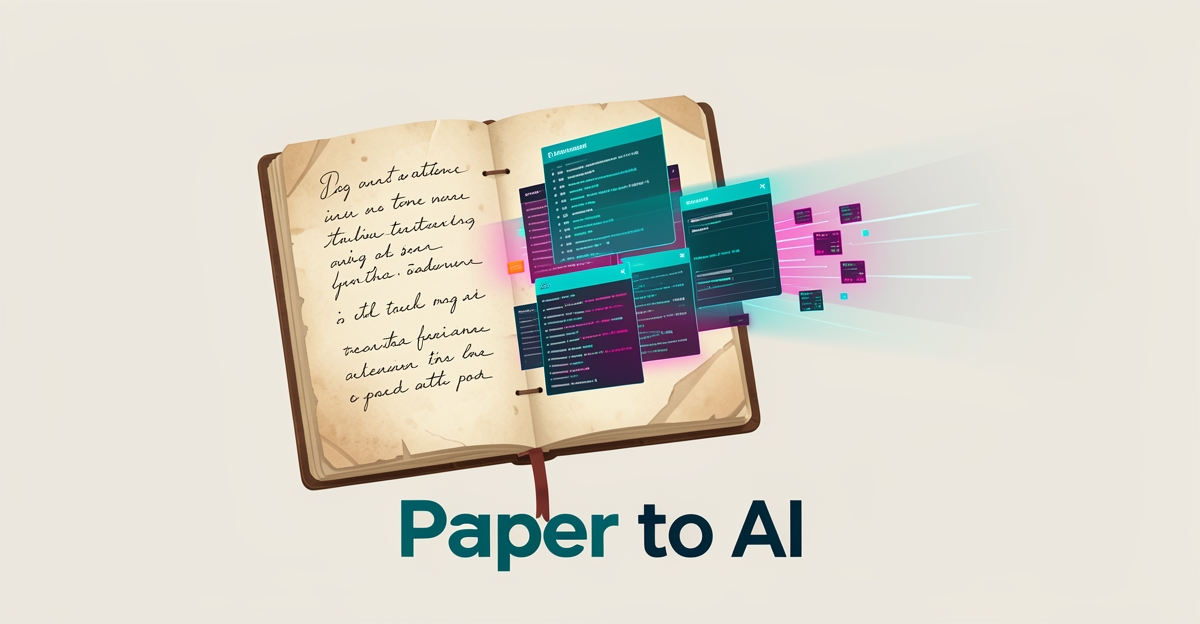
From Paper Logs to AI: How Appliance Removal Teams Can Automate Pickup Tracking
Key Facts
- Paper logbooks are typically hard to read, easy to lose, and impossible to search, three failures that compound as a fleet grows
- Spreadsheets introduce their own problems: no automatic reminders and version conflicts when multiple dispatchers edit the same file
- AI document processing creates audit-ready trails with timestamps, photos, and digital signatures for compliance inspections
- OCR accuracy typically drops on handwritten notes and poor-quality scans, so human review still matters for edge cases
- AIQ Labs has deployed 200+ multi-agent systems and runs 4 live SaaS products daily
Hire a team member that works 24/7 — for less than a part-time wage.
AI receptionists, SDRs, dispatchers and 99+ roles. Trained on your business, fully managed.
Not sure where to start? Ask our AI planner
Why Paper Pickup Logs Fail Removal Teams
Imagine your appliance removal team finishing a busy day of pickups, only to realize that the paper logbook recording customer signatures got left behind at a job site, or worse, contains illegible scribbles that no one can decipher. This scenario plays out daily across service industries, where manual documentation creates operational chaos that compounds with every missed detail.
Paper logbooks fundamentally undermine operational reliability through their physical limitations. They are hard to read, easy to lose, and impossible to search, creating immediate barriers when teams need to verify pickup details or resolve customer disputes. When a removal technician hands off a crumpled manifest with coffee-stained handwriting, critical information about appliance conditions or special handling instructions becomes permanently inaccessible.
Excel spreadsheets offer marginal improvement but introduce their own critical failures. Spreadsheets typically suffer from no automatic reminders and version conflicts, meaning teams often work from outdated pickup schedules or overwrite each other's entries. For appliance removal operations managing multiple daily routes, this version chaos can result in missed appointments, duplicate trips, and frustrated customers awaiting confirmation of completed services.
Communication channels like text messages or chat apps create additional visibility gaps. Important pickup confirmations and customer agreements get buried in conversation threads, making it nearly impossible to track completion status or retrieve specific service details during disputes. This scattered documentation approach leaves removal teams vulnerable when they need to verify service timelines or demonstrate compliance with waste disposal regulations.
The operational stakes extend beyond daily inconvenience into significant compliance risk. Without comprehensive audit trails featuring timestamps, photos, and digital signatures, appliance removal businesses struggle to verify proper disposal procedures or confirm customer authorizations. During regulatory inspections or insurance claims, these documentation gaps transform from administrative headaches into serious legal liabilities.
Key vulnerabilities of paper-based systems include:
- Permanent loss of pickup records due to physical damage or misplacement
- Inability to quickly search historical data for specific customer agreements or appliance types
- Version control failures when multiple team members update schedules simultaneously
- Buried communication threads hiding critical customer confirmations
Modern AI document processing addresses these failures by converting paper trails into structured, searchable digital assets. Solutions like those built by AIQ Labs enable removal teams to scan pickup logs and customer agreements instantly, extracting key data points without manual entry. This transformation ensures that every appliance removal is documented with precision, creating an audit-ready trail that protects both the business and its customers while eliminating the daily frustrations of paper-based tracking.
How AI Document Processing Automates Pickup Tracking
Every appliance removal team knows the frustration of trying to decipher a crumpled pickup log at the end of a long day. The good news? AI document processing is eliminating this daily headache, and adoption across service industries keeps accelerating as of late 2026.
Modern AI systems use computer vision and optical character recognition to transform paper pickup logs, delivery confirmations, and customer agreements into searchable digital records. Widely available scanning apps demonstrate how AI can instantly convert handwritten notes and printed forms into editable, organized data, no specialized hardware required beyond a phone camera.
The technology goes beyond simple scanning. Natural language processing enables AI to extract key information like customer names, pickup addresses, appliance types, and service dates from unstructured documents. This means your team can photograph a customer agreement on-site, and the AI automatically populates your tracking system with relevant details.
Mobile logging capabilities are particularly valuable for field crews. Staff can log tasks with photos and timestamps while on the go, creating comprehensive records without returning to the office. When these capabilities are wired into a purpose-built system, dispatchers see completed pickups in real time instead of waiting for end-of-day paperwork.
Key AI capabilities for pickup tracking include:
- Automated data extraction from forms and signatures
- Real-time photo documentation with GPS timestamps
- Instant categorization of documents by type and customer
- Audit-ready report generation with digital signatures
- Integration with existing dispatch and scheduling systems
AIQ Labs builds custom document processing systems that integrate directly with your current operations. Rather than forcing teams to adopt entirely new workflows, these solutions work within existing processes, automatically capturing and organizing information as pickups happen. For teams that want managed AI staff handling confirmations, scheduling, and follow-ups, AI Employees can run those repetitive coordination tasks around the clock.
The compliance benefits are substantial. AI systems create detailed audit trails with timestamps, photos, and digital signatures, ensuring you're prepared for any inspection. Paper logs, by contrast, rely entirely on human memory, and memory is inherently flawed.
Perhaps most importantly, AI document processing delivers transparency. Every pickup confirmation, customer agreement, and service record becomes instantly searchable. When a customer calls with a question about their appliance removal three months ago, you can pull up the complete record in seconds, not hours.
From Scan to System: Implementation Roadmap for Removal Teams
Paper logs create constant headaches for appliance removal teams, illegible handwriting, lost pages, and hours wasted searching for specific pickups. AI-powered document processing transforms this chaos into clarity by scanning, organizing, and extracting data from paper-based records without manual entry.
Start by digitizing existing paper logs using AI-powered scanning tools that extract text and create searchable PDFs. Next, set up digital asset tracking by cataloging appliances, customer details, and service locations in a centralized system, with photos and timestamps attached to every record. Configure automated scheduling for recurring pickups using calendar integrations that trigger reminders and prevent missed appointments.
Enable mobile completion so field crews can confirm pickups instantly through a web or mobile app, logging tasks with photos and notes while on-site. Establish integration protocols to connect your document processing system with existing dispatch or accounting software using secure APIs, AIQ Labs specializes in building custom connections that avoid vendor lock-in while maintaining data flow across platforms. Configure automated reporting to generate audit-ready PDFs with digital signatures and timestamps for compliance needs.
Finally, train staff through hands-on workshops focused on real-world scenarios, ensuring smooth adoption. Monitor usage patterns and gather feedback to refine workflows, creating a system that scales with your business while eliminating the errors and inefficiencies of paper-based tracking.
Choosing an AI System That Scales With Your Fleet
The difference between a pickup tracking system that grows with your fleet and one that collapses under it often comes down to one decision made before any software is installed. Paper logbooks are hard to read, easy to lose, and impossible to search, while Excel spreadsheets bring their own problems, no automatic reminders and version conflicts when multiple dispatchers edit the same file. When your team doubles in size, those weaknesses compound fast.
Manual entry versus AI processing is the second comparison that matters. Manual data entry is slow, labor-intensive, and subject to human error, while AI-driven processing delivers instant, consistent results that scale without adding headcount. Across service industries, searchable, audit-ready digital records are steadily replacing paper entirely.
Before committing to any system, evaluate it against these criteria:
- Mobile accessibility for field crews logging pickups with photos and timestamps on the go
- Integration capability with your existing scheduling, CRM, and accounting tools
- Searchable, exportable records with audit trails and digital signatures
- Data ownership terms that prevent vendor lock-in
Privacy and security deserve equal scrutiny. Document processing systems handle customer names, service agreements, and payment details, so encryption in transit and at rest, access controls, and clear retention policies are non-negotiable. If you serve European customers, GDPR-aligned data handling matters regardless of where your fleet operates, responsible AI systems automate compliance rather than complicate it.
Change management is where implementations succeed or stall. Field teams accustomed to paper resist new tools, so plan for data migration of historical records, role-specific training, and backup procedures for system outages. Be honest about limitations too: OCR accuracy typically drops on handwritten notes and poor-quality scans, and complex contractual language can still require human review. The fix only works if your team actually uses it.
This is where custom-built systems earn their keep. Rather than forcing your operation into a rigid off-the-shelf product, AIQ Labs builds document processing systems that integrate with your existing workflows, scanning, extracting, and organizing pickup logs and customer agreements without manual entry. Because clients own what's built outright, there's no platform dependency when your fleet expands. Larger operations ready to connect tracking, dispatch, billing, and compliance into one layer can explore AI Operating Systems, built in phases and owned by you.
The right system should feel invisible within six months. If dispatchers still re-key data or crews avoid the app, the implementation, not the team, failed. Test any candidate against your busiest week, not your average one, because scalability is proven under load.
Still paying for 10+ subscriptions that don’t talk to each other?
We build custom AI systems you own outright. No vendor lock-in. Full control.
Not sure where to start? Ask our AI planner
Frequently Asked Questions
Why are paper pickup logs such a problem for appliance removal teams?
Can AI actually read handwritten pickup logs and customer signatures?
Is AI document processing for pickup tracking worth the investment right now?
How does AI improve compliance and audit readiness for removals?
What does implementation look like for a removal team?
What are the limitations I should know about before switching?
From Paper Chaos to AI Clarity: Your Next Step
Appliance removal teams no longer need to wrestle with illegible paper logs, lost documentation, or the constant fear of compliance gaps. By embracing AI-powered document processing, businesses transform daily frustrations into streamlined, audit-ready operations. The result is fewer errors, faster dispute resolution, and the confidence that every pickup is verifiable, searchable, and protected. For teams ready to move beyond manual tracking, the path forward begins with assessing current workflows and identifying where automation delivers the highest return. Start with AIQ Labs' 2-minute Fit Check, then book a free 30-minute strategy call to see how a custom document processing system can integrate with your existing tools and scale with your fleet.
Make AI your competitive advantage — not just another tool.
Strategy, implementation and ongoing optimization. One partner, end to end.
Not sure where to start? Ask our AI planner