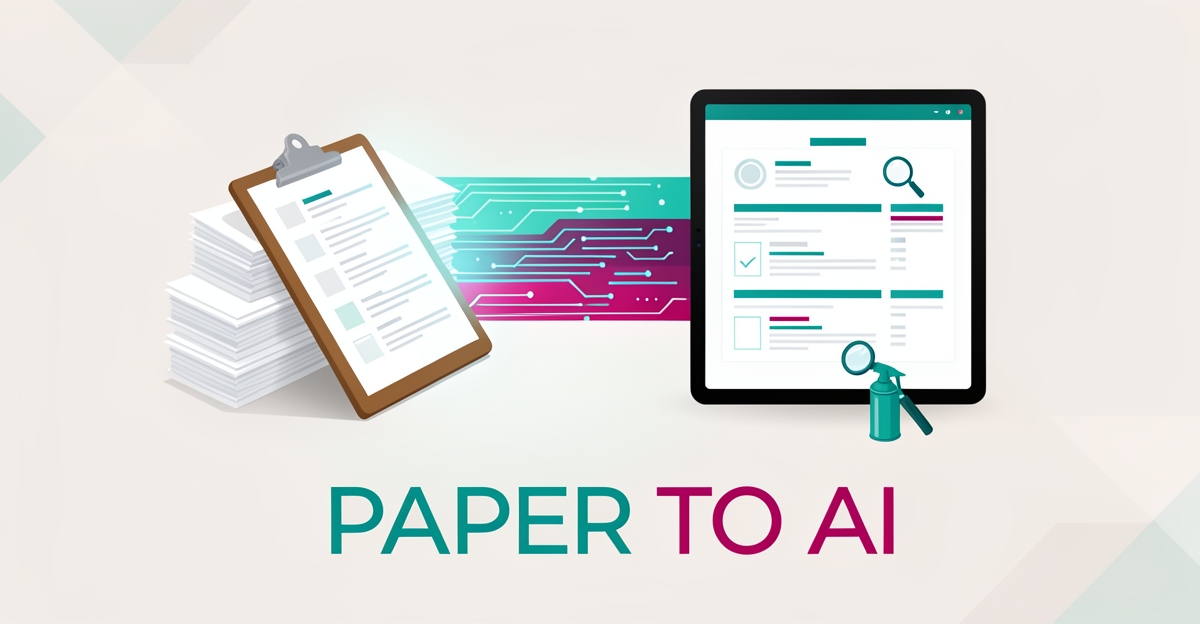
From Paper Logs to AI: How Bed Bug Extermination Teams Can Automate Client Records
Key Facts
- Field-service teams typically lose multiple hours per week to searching for or recreating paper documents
- AI document processing can auto-tag and summarize inspection reports, service logs, and client communications
- Natural language search lets technicians retrieve records without navigating folder structures
- Centralized digital repositories with audit trails and versioning support compliance and warranty disputes
- AIQ Labs has deployed 200+ multi-agent systems and runs 4 live SaaS products daily
Hire a team member that works 24/7 — for less than a part-time wage.
AI receptionists, SDRs, dispatchers and 99+ roles. Trained on your business, fully managed.
Not sure where to start? Ask our AI planner
The Paper Log Trap Facing Bed Bug Teams
Bed bug extermination teams know that every inspection report, service log, and client communication must be meticulously recorded, not just for operational tracking, but for compliance, warranty validation, and legal protection. Yet many still rely on paper-based systems that turn documentation into a daily drain on time and accuracy. Instead of focusing on pest eradication, technicians spend valuable hours hunting for misplaced files, re-entering data into multiple formats, or deciphering illegible handwriting, a workflow bottleneck that silently erodes productivity and increases risk.
The hidden cost of paper logs extends far beyond storage clutter. Teams routinely lose hours every week searching for or recreating lost documents, time that could be redirected toward client follow-ups, preventive treatments, or team training. Duplicate data entry is another silent killer: inspection findings handwritten in the field must later be transcribed into office systems, billing software, or compliance portals, multiplying the chance of transcription errors. These mistakes aren't just inconvenient, they can trigger compliance failures, disputed service claims, or even regulatory penalties when treatment histories can't be accurately reconstructed.
Consider the ripple effects: a misfiled service log might delay a follow-up treatment, allowing an infestation to rebound. A lost inspection report could void a warranty claim. Inconsistent communication records make it impossible to prove due diligence during audits or legal inquiries. What begins as a seemingly minor inconvenience, paper piles on a technician's desk, escalates into a systemic vulnerability that undermines service quality, client trust, and operational scalability. For bed bug teams aiming to grow, this isn't just inefficient, it's a structural barrier to reliable, audit-ready service delivery.
How AI Document Processing Turns Logs Into Actionable Data
Paper-based inspection reports and service logs create delays that slow down bed bug extermination teams when they need quick access to client history or treatment details. Manual filing systems force technicians to spend valuable time searching through physical folders instead of focusing on pest control work. AI-powered document processing transforms these static records into dynamic, searchable assets that drive faster decision-making.
Using intelligent automation, AI scans PDFs and images of inspection reports, service logs, and client communications, then applies auto-tagging to categorize content by job type, date, location, or treatment method. This eliminates the need for manual labeling and ensures every document is instantly organized within a secure digital repository. Teams can then retrieve specific records using natural language search, asking questions like "Show me all bed bug treatments in Halifax from last month" instead of navigating complex folder structures. Modern digital asset management platforms demonstrate how auto-tagging and contextual search reduce manual effort while improving consistency and searchability across records.
Beyond retrieval, AI generates concise summaries of lengthy inspection notes, highlighting key findings such as infestation severity, treatment applied, and follow-up requirements. This allows supervisors and technicians to grasp critical details in seconds rather than reading through multi-page reports. Teams using AI-powered summarization typically reclaim several hours per week, time that can be redirected toward client service, preventive follow-ups, or team training. For extermination businesses managing dozens of weekly jobs, this efficiency gain directly translates to faster response times and improved service quality.
AIQ Labs builds custom document processing systems that integrate these capabilities into existing workflows, ensuring inspection logs, compliance records, and service histories are automatically processed, tagged, and made instantly accessible. Learn more about how this fits into a targeted workflow rebuild or a broader connected AI operating system. By replacing manual filing with intelligent automation, bed bug teams reduce administrative overhead, minimize errors from misfiled documents, and create a reliable audit trail for every job, all while maintaining full ownership of their data and systems.
Build a Secure, Owned AI Records System for Your Team
Paper logs and scattered photos cost bed bug teams hours every week and create compliance risk when inspection reports are misfiled. A secure, owned AI records system replaces manual filing with automated intake, searchable storage, and governed retrieval built for extermination workflows.
Teams start by automating intake at the truck and office. Inspection forms, service logs, photos, and client emails are captured from mobile devices and scanned documents, then processed with AI for summarization and data extraction. Intelligent document tools can reclaim hours each week with AI-powered summarization, freeing technicians to focus on treatment rather than admin. The system auto-tags records by property, job type, date, and technician, and links communications to the client file so context is never lost.
Secure storage and governance are designed for field services. Documents are centralized in an owned repository with role-based access, audit trails, and retention controls. Smart digital asset management approaches use auto-tagging and duplication management to keep records organized and prevent unwanted duplicates, while natural language search understands context to retrieve the right report instantly. Versioning and access logs ensure compliance and defensibility.
Integration connects the records system to tools teams already use. The AI layer syncs with scheduling, dispatch, CRM, and accounting platforms via APIs, creating a single source of truth across departments. Custom workflows push extracted data into job cards and invoices, reduce manual data entry, and trigger follow-ups without switching apps. This is where custom AI document processing delivers operational continuity without subscription chaos.
AIQ Labs builds these systems with ownership and flexibility in mind. Implementation can follow one of three practical paths:
- Start Monthly, one AI employee with setup plus a flat monthly plan covering build, training, integrations, monitoring and improvements, with pause or adjust anytime.
- Build in Milestones, a workflow or department system split into phases, approve and pay per phase, stop anytime and keep everything built so far.
- Own It Outright, a full AI operating system with one project price or a monthly Build Partnership, full ownership of code, agents and data when complete.
The build is tailored to extermination operations: intake automation for paper and digital records, secure governed storage with retrieval, and integrations to existing tools. Teams get fast retrieval for every job, fewer errors, and a system they control rather than rent.
Still paying for 10+ subscriptions that don’t talk to each other?
We build custom AI systems you own outright. No vendor lock-in. Full control.
Not sure where to start? Ask our AI planner
Frequently Asked Questions
How much time do pest control teams actually lose to paper logs and filing?
Can AI really read and organize handwritten inspection reports and photos from the field?
How does natural language search work for finding old treatment records?
Will an AI records system help us stay compliant and defensible during audits?
Will this integrate with the scheduling, CRM, and billing tools we already use?
Do we have to rent another subscription, or can we own the system outright?
Ready to Ditch the Paper Chase for Good?
Every misfiled inspection report and lost service log represents more than administrative frustration, it's a barrier to scaling your bed bug extermination business with confidence. By replacing paper-based workflows with AI-powered document processing, your team can reclaim hours every week, eliminate duplicate data entry, and maintain audit-ready records without adding headcount. AIQ Labs specializes in building custom document processing systems that integrate seamlessly with your existing dispatch and CRM tools, ensuring you own your data outright rather than renting scattered subscriptions. Whether you start with a single AI employee to handle intake automation or build a comprehensive records management system in milestones, the transition from paper chaos to searchable, secure digital archives is more accessible than you might think. Ready to see what your documentation process could look like? Start with a two-minute Fit Check at https://aiqlabs.ai/apply, then book a free strategy call to map your specific workflow, no sales pitch, just a clear roadmap for your team's transformation.
Make AI your competitive advantage — not just another tool.
Strategy, implementation and ongoing optimization. One partner, end to end.
Not sure where to start? Ask our AI planner