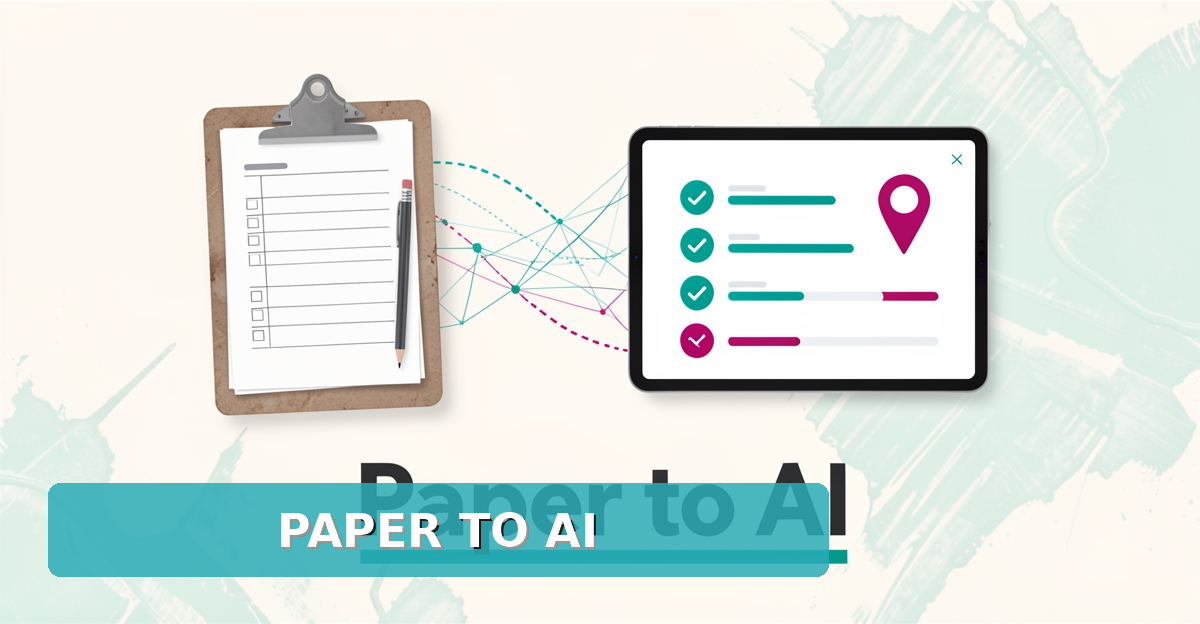
From Paper Logs to AI: How Epoxy Contractors Can Automate Job Tracking & Site Visits
Key Facts
- A majority of companies adopting AI document solutions report measurable productivity improvements, according to industry analyses as of late 2026
- Most large enterprises now use AI to automate at least one major document workflow
- Document automation projects typically reach ROI within roughly a year of implementation
- AI-powered document processing reduces manual entry errors by eliminating retyping of field notes and job specs
- Real-time visibility into active jobs enables supervisors to view timestamped, geotagged updates as they happen
- Integrated field workflows create a single source of truth that keeps field crews and office staff aligned
- Automated alerts flag missing documentation or overdue follow-ups before they impact schedules
Hire a team member that works 24/7 — for less than a part-time wage.
AI receptionists, SDRs, dispatchers and 99+ roles. Trained on your business, fully managed.
Not sure where to start? Ask our AI planner
Why Paper Logs Are Costing Epoxy Contractors Time and Money
Paper logs feel reliable until a job site proves otherwise. For epoxy flooring contractors, clipboards and handwritten site visit notes create a chain of small failures that compound into lost revenue, missed compliance, and frustrated crews.
Every lost form is a lost update. Field notes get left in trucks, coffee-stained, or filed under the wrong job number. Office staff re-enter the same information days later, introducing typos in square footage, product mix, or cure times. That delay means customers wait for progress updates and crews wait for the next work order.
Manual tracking also creates compliance risk. Epoxy work relies on accurate documentation of surface prep, environmental conditions, and material batch records. When those records are scattered across notebooks and photos on personal phones, audits and warranty claims become difficult to defend. Fragmented data is a well-known barrier in construction, where information is often inconsistent and hard to centralize.
The cost is measurable. Industry analyses of document AI adoption as of late 2026 consistently find that a majority of companies report measurable productivity improvements after implementing AI document solutions, and that most large enterprises now use AI to automate at least one major document workflow. Typical ROI for document automation projects lands within roughly a year.
Paper-based job tracking creates recurring pain points epoxy teams recognize immediately:
- Lost or delayed forms slow invoicing and payment cycles
- Manual re-entry creates errors in coverage estimates and material orders
- Site visit notes are not searchable, so lessons from past jobs are lost
- Compliance documentation is incomplete when warranty or inspection issues arise
These inefficiencies keep teams reactive instead of proactive. Without real-time visibility, project managers chase updates instead of managing quality and scheduling. AI-powered document processing can convert paper-based processes into real-time, searchable, and actionable workflows by digitizing job tracking and site visit notes at the point of capture.
AIQ Labs builds custom systems that replace manual logs with automated capture, classification, and routing, so field data flows directly into job records without retyping. The result is faster updates, fewer errors, and a single source of truth for each epoxy installation.
How AI Document Automation Transforms Site Visits and Job Tracking
Contractors still relying on paper logs for site visits and job tracking are missing critical opportunities to streamline operations and gain real-time insights. Manual processes not only slow down progress updates but also increase the risk of lost documentation and inconsistent reporting across teams.
AI-powered document automation transforms field notes, photos, and progress updates into structured, searchable data the moment they're captured. Industry research as of late 2026 suggests most companies adopting these solutions report measurable productivity improvements, with teams spending less time on manual entry and more on value-added field work. Most large enterprises now use AI to automate at least one major document workflow, reflecting growing confidence in these systems to handle complex, repetitive tasks reliably.
- Field technicians can use mobile apps to capture notes and images, which AI automatically extracts, tags, and routes to project folders
- Progress reports generate in real time, reducing delays between site visits and office updates
- Searchable archives allow instant retrieval of past visits, material usage, or compliance records by date, location, or job phase
- Automated alerts flag missing documentation or overdue follow-ups before they impact schedules
- Integration with existing tools ensures data flows seamlessly into scheduling, invoicing, or customer communication systems
For epoxy contractors managing multiple job sites, this shift eliminates the lag between field activity and office awareness. Supervisors no longer wait for end-of-day reports to identify issues, they can view timestamped, geotagged updates as they happen. Document automation also supports compliance by maintaining audit-ready records of surface prep, coating thickness, and environmental conditions without manual transcription errors.
The financial upside is clear: organizations typically see ROI on document automation projects within about a year, driven by reduced labor hours, fewer rework incidents, and faster client approvals. As AIQ Labs helps businesses digitize these workflows, whether through a targeted Workflow Build or a fuller connected system, the focus remains on building owned systems that scale with operational needs, turning sporadic site visits into a continuous stream of actionable intelligence.
From Fragmented Data to Integrated Field Workflows
The biggest barrier to AI-powered job tracking isn't the technology itself, it's the fragmented, inconsistent data that most epoxy contractors are working with. When site visit notes live in paper logbooks, customer details sit in one spreadsheet, and invoices exist in another system entirely, even the smartest AI can't deliver reliable results.
Industry research on document AI consistently identifies data quality as one of the top challenges businesses face when implementing automation, alongside integration complexity and security concerns. For construction businesses, this challenge is amplified by the nature of field work itself: handwritten notes, inconsistent terminology across crews, and critical job details trapped in physical binders back at the office.
The solution isn't more software subscriptions, it's integrated field workflows that connect every touchpoint of a job from initial site visit to final invoice. When a custom AI system links your site visit documentation directly to your CRM, project management platform, and accounting software, information flows automatically without manual re-entry. A site supervisor's voice note about substrate conditions becomes a searchable text record, triggers a material estimate update, and flags the project timeline adjustment, all without anyone typing the same information three times.
This level of integration also addresses the security concerns that come with sensitive business data. Rather than scattering customer details and project specs across multiple third-party platforms, a unified system creates a single, controlled environment. Centralized data governance is widely recognized as essential for maintaining security and compliance, particularly when handling client information and proprietary business processes.
The practical benefits extend beyond convenience:
- Real-time visibility into every active job, from initial quote to final walkthrough
- Automated data synchronization that eliminates duplicate entry errors
- Searchable historical records for warranty claims and customer inquiries
- Audit trails that support compliance and quality assurance
- A single source of truth that keeps field crews and office staff aligned
The key difference between fragmented point solutions and true integration comes down to ownership. When AIQ Labs builds a custom system for an epoxy flooring business, up to a full AI Operating System that connects your whole operation, the client owns the entire infrastructure outright. No vendor lock-in, no platform dependencies, no surprise subscription increases. The system connects to the tools you already use, whether that's QuickBooks for accounting or a specialized project management platform, creating workflows that match how your business actually operates.
This approach delivers measurable results. Businesses implementing integrated document automation typically reach ROI within about a year, driven primarily by reduced manual processing time and fewer costly errors. For epoxy contractors managing multiple concurrent jobs, that translates to faster invoicing, more accurate material ordering, and site visit documentation that actually gets used instead of sitting in a truck cab.
The transition from fragmented data to integrated workflows isn't about replacing your team with technology, it's about giving them tools that eliminate the administrative burden so they can focus on the work that actually requires human expertise and judgment.
A Practical Roadmap to Automate Job Tracking Without Disruption
Transitioning from paper logs to automated systems doesn't require shutting down operations for a digital overhaul. The most successful epoxy contractors implement changes incrementally, preserving cash flow while building infrastructure that scales.
Start by auditing your current paper trail. Track how site visit notes, job specs, and progress photos move from the field to the office. Identify where delays occur, whether in transcribing handwritten notes or searching for misplaced work orders. This assessment reveals exactly where automation delivers immediate returns.
Next, digitize site visits with mobile capture tools. Field crews photograph surfaces, log conditions, and sync data to a central dashboard in real time. Industry analyses as of late 2026 suggest most companies adopting document AI report measurable productivity improvements. Researchers and practitioners alike caution, however, that poor data quality and integration gaps can undermine even sophisticated AI systems, making clean data capture essential from day one.
When selecting an implementation approach, consider these critical factors:
- Data integrity protocols that ensure consistent, high-quality inputs from field teams
- Integration capabilities with existing estimating and scheduling software
- Security measures protecting sensitive client and project information
- Scalable architecture that grows with your service territory
Rather than committing to a massive upfront build, structure the transition through Build in Milestones. This phased approach lets you rebuild the one workflow that costs the most, perhaps site visit documentation, at a fixed price, approve the results, then expand to job tracking. You maintain ownership of each component as it ships, avoiding vendor lock-in while spreading costs across phases that demonstrate clear value.
Alternatively, the Start Monthly model provides a production-ready system with a flat monthly investment that typically costs far less than a human hire. AIQ Labs includes the build, training on your specific epoxy processes, tool integrations, and ongoing monitoring, allowing you to pause or adjust as seasonal demands shift.
Set clear metrics before launch: measure reduction in administrative hours, error rates in job costing, and billing cycle speed. Industry data indicates document automation projects typically achieve ROI within about a year, but only with continuous monitoring. Review dashboard analytics weekly during the first quarter to catch adoption gaps early.
Scale gradually by connecting estimating to invoicing and inventory. This creates a unified system where every site visit automatically updates project timelines and material orders, eliminating the paper chase entirely.
Still paying for 10+ subscriptions that don’t talk to each other?
We build custom AI systems you own outright. No vendor lock-in. Full control.
Not sure where to start? Ask our AI planner
Frequently Asked Questions
How much time can AI document automation actually save my epoxy contracting business?
What's the real cost of sticking with paper logs and clipboards?
How does AI actually capture and organize my field notes and site visit data?
Will this system integrate with my existing software like QuickBooks or my project management tools?
What are the biggest risks when switching from paper to AI-powered tracking?
Do I need to shut down operations to implement this kind of automation?
How secure is my customer and project data in a custom AI system?
Turn Site Visits Into Strategic Advantage
Paper logs aren't just inconvenient, they're actively costing epoxy contractors time, accuracy, and compliance. By automating job tracking and site visit documentation with AI, teams gain real-time visibility, eliminate manual re-entry, and turn fragmented notes into a single source of truth that supports faster invoicing, fewer errors, and audit-ready records. The payoff is clear: businesses implementing integrated document automation typically see ROI within about a year through reduced labor hours and fewer costly mistakes. If you're ready to stop chasing paperwork and start using your field data to drive decisions, the first step is understanding where automation delivers the biggest impact for your specific workflow. Start the 2-minute Fit Check to map your biggest bottlenecks and identify high-ROI opportunities, then book your free 30-minute strategy call to see how AIQ Labs can help you build a system you own, that scales with your business, and pays for itself.
Make AI your competitive advantage — not just another tool.
Strategy, implementation and ongoing optimization. One partner, end to end.
Not sure where to start? Ask our AI planner