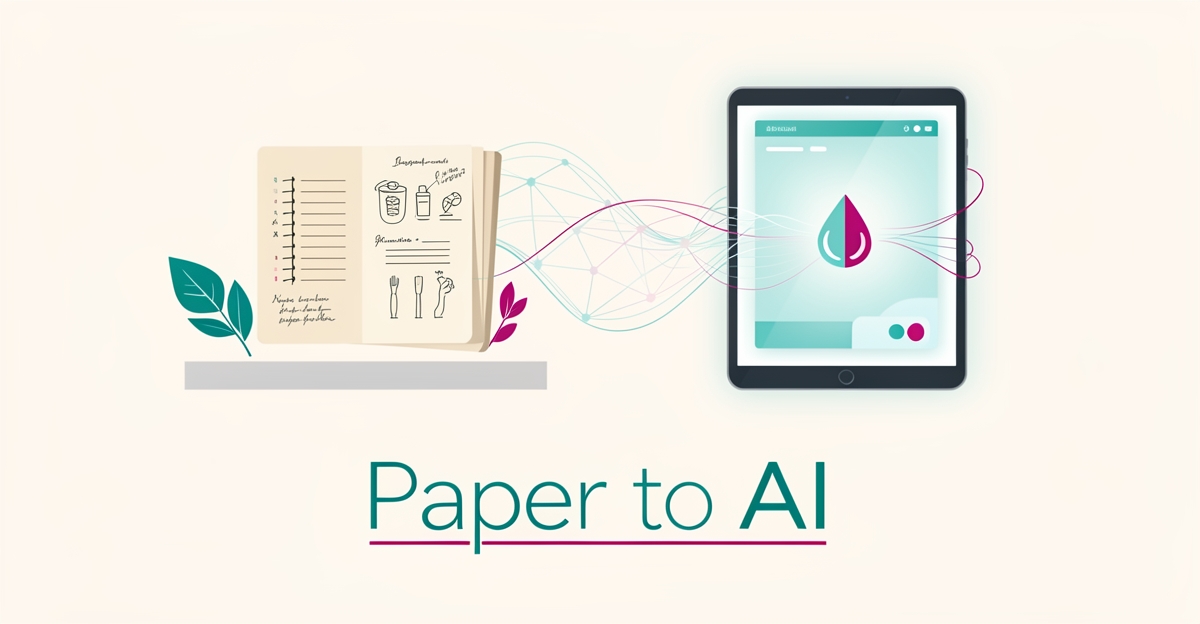
From Paper Logs to AI: How Skincare Clinics Can Digitize Treatment Records
Key Facts
- AI adoption across industries has grown steadily through 2025 and 2026, with healthcare workflows among the fastest-growing use cases.
- AI dermatology EMR is used for image upload and analysis, personalized case sheets, automated data entry and real-time insights per industry research.
- Photo-based tracking provides objective visual comparisons, and AI analysis can detect subtle skin changes according to skin tracking research.
- AI-powered skin tracking apps can help reduce anxiety about flare-ups per app effectiveness findings.
- HIPAA compliance, audit trails, and clear data ownership are baseline requirements for any clinic digitizing patient records.
Hire a team member that works 24/7 — for less than a part-time wage.
AI receptionists, SDRs, dispatchers and 99+ roles. Trained on your business, fully managed.
Not sure where to start? Ask our AI planner
The Paper Log Problem Clinics Can’t Ignore
Paper logs in skincare clinics create bottlenecks that undermine both efficiency and patient outcomes. Traditional paper-based systems require clinicians to manually record every observation, treatment, and follow-up, consuming valuable time that could be spent on direct care. Staff often spend hours each week transcribing notes, filing charts, and searching for historical records, time that adds up to significant operational drag.
Beyond the time sink, paper records are prone to human error. Illegible handwriting, misfiled documents, and inconsistent data entry can lead to gaps in patient history or incorrect treatment decisions. These mistakes aren’t just administrative, they can affect diagnostic accuracy and continuity of care, especially when tracking subtle changes in skin conditions over weeks or months. Without a reliable way to compare past and present states, clinicians miss early warning signs or overlook treatment efficacy.
Longitudinal tracking suffers most under paper systems. Unlike digital tools that automatically organize images and notes by date and condition, paper logs offer no structured way to visualize progression. Dermatologists rely on visual comparisons to assess responses to therapy, but flipping through pages of handwritten notes and loose photos makes pattern recognition difficult and subjective. This limitation hinders personalized care, as providers struggle to identify which interventions work best for individual patients based on objective trends.
The urgency to move beyond paper is clear when viewed alongside broader AI adoption trends. As of late 2026, AI integration in dermatology EMR is still maturing, but general AI adoption across industries has continued to climb since 2025, signaling a sustained shift toward intelligent automation. Clinics still relying on paper aren’t just inefficient, they’re falling behind a curve where data-driven, AI-enhanced recordkeeping is becoming the standard for quality, scalable skincare care.
How AI-Powered EMR Transforms Treatment Records
Paper logs can’t show you a flare that started three weeks ago. AI-powered EMR closes that gap by turning every visit into structured, searchable data that works for the clinician, not against them.
AI-powered EMR systems address the limitations of traditional paper-based record-keeping in dermatology by offering a range of functionalities. These systems leverage technologies like image recognition and natural language processing to automate tasks, analyze data, and provide insights to dermatologists. According to industry research, AI is being used for image upload and analysis, personalized case sheets, automated data entry, and real-time insights.
Image upload and analysis creates objective progress tracking. Clinics can upload standardized photos at each visit and let AI compare lesions over time. Photo-based tracking provides objective visual comparisons, AI analysis detects subtle changes, and structured data facilitates pattern recognition. That visual continuity supports diagnostic accuracy and makes it easier to spot treatment response that the human eye might miss between appointments.
Automated data entry via natural language processing reduces administrative burden. Providers dictate notes in their own words and the system extracts structured fields, treatment plans, and follow-up tasks. As noted in dermatology EMR analysis, AI can automate data entry, reducing administrative burden and freeing up clinicians to focus on patient care. The result is fewer duplicate entries and cleaner records for billing and compliance.
Personalized case sheets and real-time insights turn records into decision support. By analyzing accumulated data, AI algorithms can identify patterns and correlations that might not be apparent to human clinicians. This can lead to earlier and more accurate diagnoses, as well as more tailored treatment strategies based on individual patient characteristics.
Core capabilities clinics see in practice include:
- Image recognition for objective lesion tracking and side-by-side comparison
- NLP-driven note capture that auto-populates structured fields and treatment history
- Dynamic case sheets that personalize plans based on condition history and response
- Real-time dashboards that flag worsening trends and adherence gaps
The shift is already underway. For skincare clinics moving from paper to digital, a step-by-step transition plan helps ensure secure, scalable systems that integrate with existing practices and maintain compliance. AIQ Labs builds these kinds of systems through its AI Workflow Builds, rebuilding the one workflow that costs the clinic the most, at a fixed price and in phases, so the move from paper starts with the highest-impact records process, not a rip-and-replace project.
From Paper to Digital: A Practical Transition Roadmap
Moving from paper logs to digital treatment records is a critical step for skincare clinics aiming to improve accuracy, efficiency, and patient outcomes. Traditional paper-based systems are time-consuming, prone to errors, and lack the ability to efficiently track changes over time. AI-powered electronic medical record (EMR) systems address these limitations by leveraging image recognition and natural language processing to automate tasks and provide real-time insights. According to industry research, AI is already being used for image upload and analysis, personalized case sheets, automated data entry, and real-time insights in dermatology EMR.
A successful transition begins with selecting a secure, HIPAA-compliant platform that integrates with existing tools like scheduling software and billing systems. Clinics should prioritize systems offering end-to-end encryption, audit trails, and role-based access controls to protect sensitive patient data. AIQ Labs supports this shift with phased builds: start with a single high-cost workflow through AI Workflow Builds, then, when the clinic is ready, connect scheduling, records, billing, and follow-ups into one operating layer via AI Operating Systems, built in phases and owned outright, with no vendor lock-in. This ownership model gives clinics full control over customization and future development while maintaining compliance with healthcare regulations.
Staff training is essential for smooth adoption, as even the most intuitive systems require role-specific guidance to maximize effectiveness. Clinics should implement phased rollouts, starting with pilot workflows before scaling across departments. With AI adoption continuing to grow across industries as of late 2026, early movers gain a competitive edge in operational efficiency and patient care quality. Integration with existing tools, such as CRM, calendar, and payment platforms, ensures minimal disruption while enabling automated workflows like appointment reminders and insurance verification. Continuous monitoring and optimization post-deployment help clinics refine their digital records system over time, turning treatment documentation into a strategic asset for personalized skincare and long-term practice growth.
Why Ownership and Compliance Matter for Skincare Practices
When a clinic digitizes treatment records, it isn't just moving paper into a database, it's handing over some of the most sensitive personal information a patient can share. Skin condition photos, treatment histories, and symptom logs demand a level of protection that generic software rarely delivers.
According to dermatology EMR research, AI-powered record systems handle sensitive patient information, making data privacy and security paramount concerns and HIPAA compliance crucial. The stakes don't stop there. Biases in AI training data can lead to inaccurate or unfair results, which is why industry analysis stresses that algorithm accuracy and reliability are critical before any system touches a patient file.
The financial side deserves equal scrutiny. The cost of implementing and maintaining AI-powered systems can be a genuine barrier for smaller clinics, and the legal and ethical implications, particularly around data ownership and liability, are still being explored across healthcare. Add the need for proper staff training, and it's clear that a rushed transition creates more risk than it removes.
This is where the architecture behind a system matters as much as the system itself. Rather than renting a subscription that holds your data hostage, clinics can work with partners like AIQ Labs, which builds production-ready systems with governance frameworks covering data security, audit trails, and human-in-the-loop controls for critical decisions. AIQ Labs' payment models, Start Monthly for a low-commitment start, Build in Milestones to pay per approved phase, or Own It Outright for full ownership of code, agents, and data, let a clinic match its investment to its risk tolerance. See pricing for how each model works.
Before committing to any vendor, clinics should ask a few hard questions:
- Where is patient data stored, and who can access it?
- How are AI outputs validated, and what happens when the system is uncertain?
- Who owns the records and the system when the engagement ends?
- What audit trails exist for compliance review?
Even in consumer-facing contexts, these concerns surface. Research on skin tracking apps notes that privacy depends heavily on the app provider's security measures, while paper journaling keeps data storage in the user's own hands. Clinics should expect nothing less from a professional system, complete control, documented safeguards, and clear ownership.
Digitizing treatment records is a compliance decision as much as an efficiency decision. Clinics that treat it that way protect both their patients and their practice.
Still paying for 10+ subscriptions that don’t talk to each other?
We build custom AI systems you own outright. No vendor lock-in. Full control.
Not sure where to start? Ask our AI planner
Frequently Asked Questions
How does AI-powered EMR improve diagnostic accuracy in skincare clinics?
What are the main benefits of switching from paper logs to AI-powered EMR for skincare clinics?
Is AI adoption in healthcare growing?
How does AI reduce administrative work for clinicians in dermatology EMR?
What should skincare clinics consider regarding data ownership when choosing an AI EMR system?
Are there privacy risks with AI-powered skin tracking tools, and how can clinics mitigate them?
Turning Treatment Records Into a Competitive Edge
The shift from paper logs to AI-powered EMR isn't just about ditching clipboards, it's about reclaiming clinical time, reducing errors, and unlocking objective insights that improve both care quality and operational flow. As AI adoption keeps accelerating, skincare clinics that act now gain more than efficiency; they build a foundation for personalized, data-driven care that scales with confidence. The path forward starts with a clear assessment of your current workflow and a partner who understands compliance, ownership, and real-world implementation. To explore how AI can transform your treatment records without vendor lock-in or hidden risks, take the two-minute Fit Check at aiqlabs.ai/apply and book a free 30-minute strategy call to map your biggest opportunities and see if there’s a clear win for your practice.
Make AI your competitive advantage — not just another tool.
Strategy, implementation and ongoing optimization. One partner, end to end.
Not sure where to start? Ask our AI planner