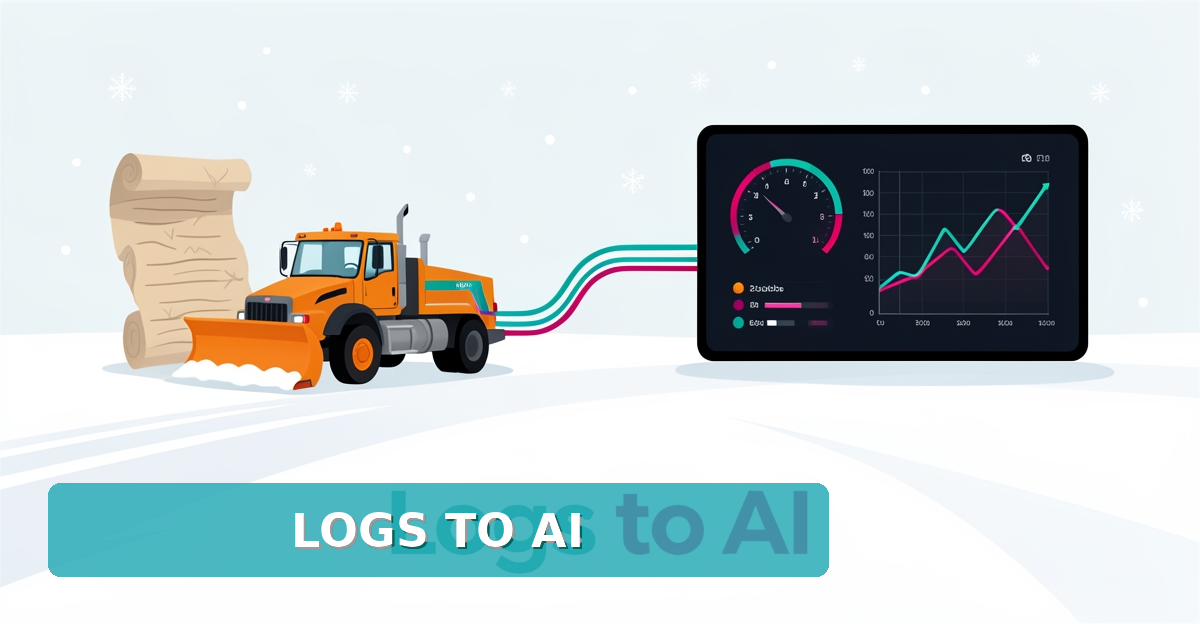
From Paper Logs to AI: How Snow Removal Companies Can Automate Equipment and Fuel Tracking
Key Facts
- Manual tracking methods are highly susceptible to human error, undermining operational data reliability.
- Automated fuel and time tracking typically reduces fuel costs meaningfully by exposing idling, route deviation, and unauthorized use.
- Automated tracking systems reduce discrepancies by providing continuous location data for informed dispatch decisions.
- Real-time GPS tracking enables live location dashboards showing exact equipment position at any moment.
- Fuel card integration with GPS tracking flags unauthorized purchases and idle-time waste automatically.
- AIQ Labs has deployed 200+ multi-agent systems and runs 4 live SaaS products daily, this is operational experience, not theory.
Hire a team member that works 24/7 — for less than a part-time wage.
AI receptionists, SDRs, dispatchers and 99+ roles. Trained on your business, fully managed.
Not sure where to start? Ask our AI planner
The Hidden Costs of Paper Logs and Spreadsheets
Manual record keeping with paper logs and spreadsheets creates significant operational drag for snow removal companies, turning routine tracking into a time-consuming burden prone to costly mistakes. During critical winter events, crews often scribble equipment hours and fuel usage on clipboards or update spreadsheets hours after shifts end, introducing delays and inaccuracies that compound when managing multiple sites or fleets. This reactive approach makes it nearly impossible to verify actual equipment utilization or fuel consumption in real time, leaving managers guessing about resource allocation when conditions demand precision. Manual tracking methods are not only labor-intensive but also highly susceptible to human error, undermining the reliability of the operational data you depend on for billing and budgeting.
The lack of real-time visibility into equipment location and status further exacerbates inefficiencies, particularly during fast-moving storms where rapid dispatch decisions are essential. Without live tracking, supervisors cannot confirm which plows are actively clearing roads, which are idling, or which may have deviated from assigned routes, information critical for both service quality and cost control. This blind spot increases the risk of underutilized assets overlapping with uncovered service areas, directly impacting response times and customer satisfaction. Automated tracking systems reduce such discrepancies by providing continuous location data, enabling supervisors to make informed dispatch decisions based on current conditions rather than outdated logs. Snow removal businesses relying on manual methods often lack the data needed to optimize routes or justify service billing, resulting in lost revenue and operational waste.
Perhaps most critically, paper-based systems fail to deliver accurate fuel consumption or labor hour tracking, two of the largest variable costs in snow removal operations. Manual fuel logs depend on drivers remembering to record odometer readings and fuel purchases, a process frequently skipped during high-pressure events, leading to gaps in data and opportunities for unauthorized use. Similarly, tracking labor hours via paper timesheets introduces delays in payroll processing and increases the likelihood of overpayment or compliance issues. Companies using automated fuel and time tracking typically see meaningful fuel cost reductions through better monitoring of usage patterns and driving behaviors, real-time fuel monitoring helps identify inefficiencies such as excessive idling or route deviations that quietly drive up expenses. For snow removal companies operating on tight margins during unpredictable winter seasons, these inaccuracies aren't just administrative hassles, they directly erode profitability and limit the ability to reinvest in better equipment or training. By contrast, automated systems provide the granular, real-time insights needed to control costs, validate service delivery, and maintain operational resilience when it matters most. To explore how AI-driven automation can eliminate these hidden costs, start the Fit Check for a free strategy call with AIQ Labs.
Real-Time GPS Tracking for Equipment and Fuel Management
Manual fuel logs and paper equipment records leave snow removal operators flying blind during the most critical weeks of the year. Real-time GPS tracking replaces that guesswork with live location data, geofencing alerts, and automated fuel monitoring that integrates directly with fuel cards. The result is a single source of truth for every asset on the road.
- Live location dashboards show exactly where each plow, loader, and spreader is at any moment
- Geofencing triggers instant alerts when equipment leaves designated yards or job sites
- Fuel card integration flags unauthorized purchases and idle-time waste automatically
- Historical route playback helps optimize future dispatch decisions
Contractors who adopt GPS tracking consistently report meaningful reductions in fuel consumption, commonly in the 10-15% range, driven by less idling, fewer route deviations, and immediate visibility into unauthorized use. The fleet management market has grown steadily as more contractors adopt this visibility, and the operational case is straightforward: eliminate the administrative burden of manual reconciliation while cutting one of your largest variable costs.
AIQ Labs helps snow removal companies move beyond basic tracking by building custom AI systems that unify GPS data, fuel card feeds, and equipment telemetry into a single operational dashboard. Instead of stitching together spreadsheets, operators get automated exception reports that highlight anomalies, unauthorized fuel draws, excessive idling, equipment operating outside approved zones, before they become costly patterns. This approach turns raw location pings into the financial and operational intelligence that drives profitable seasonal performance. For companies that want to start smaller, an AI Workflow Build can rebuild the single most expensive tracking workflow first, at a fixed price, before scaling to a full operating layer.
AI-Powered Analytics for Predictive Operations
Snow removal companies generate vast amounts of GPS data from their equipment, but without analysis, this information remains underutilized. AI-powered analytics transforms raw location and usage data into predictive intelligence that drives operational decisions. By processing historical patterns, these systems identify maintenance needs before equipment fails, optimize routes based on real-world conditions, and automate job costing with precision that manual spreadsheets cannot match.
The shift from reactive to proactive operations delivers measurable benefits for snow removal businesses. AI algorithms analyze fuel consumption patterns alongside weather data and route efficiency to recommend adjustments that minimize waste while maintaining service quality. This level of insight turns fuel tracking from a compliance task into a strategic advantage for cost control.
Predictive maintenance scheduling represents another critical application of AI in snow removal operations. By examining equipment usage hours, idle times, and operational stress indicators from GPS data, AI systems forecast when specific components will require service. This approach prevents unexpected breakdowns during peak storm periods and extends asset lifespans through timely interventions. Route optimization further enhances efficiency by learning from historical performance, identifying which paths consistently save time and fuel under various snow conditions, then automatically suggesting the most effective sequences for each job.
Automated job costing eliminates the manual spreadsheet calculations that consume valuable management time. AI systems integrate GPS tracking data with fuel consumption, labor hours, and material usage to generate accurate job profitability reports in real time. This capability allows snow removal companies to price services more competitively while maintaining healthy margins, replacing guesswork with data-driven financial insights. For businesses seeking to implement these capabilities, AIQ Labs builds owned analytics systems tailored to specific operational workflows, systems you own outright, ensuring long-term control and continuous improvement without vendor dependency. Organizations leveraging such analytics gain comprehensive operational oversight that paper-based methods simply cannot provide.
- Predictive maintenance scheduling based on equipment usage patterns
- Route optimization using historical performance data
- Automated job costing replacing manual spreadsheet calculations
- Fuel consumption analysis for cost reduction opportunities
- Real-time job profitability reporting for better pricing decisions
Implementation Roadmap: From Manual Logs to Automated Systems
The transition from paper logs to automated tracking requires a structured approach that minimizes disruption during peak winter operations. Begin by assessing your current workflow, identify which plows, salt spreaders, and support vehicles need tracking, and map how fuel and equipment data currently flows from field crews to dispatch and payroll. This foundational step ensures the new system aligns with existing processes rather than forcing incompatible changes. Many snow removal companies find that starting with a pilot on 20-30% of their fleet allows them to refine installation procedures and crew training before full deployment, reducing risks during critical storm events. Phased implementations consistently report higher adoption rates and fewer operational hiccups compared to all-at-once rollouts.
Hardware installation should occur during scheduled maintenance windows or off-peak periods to avoid taking equipment offline when it's needed most. GPS trackers must be securely mounted on each plow and spreader, connected to the vehicle's power source, and tested for signal reliability in areas with heavy snowfall or urban canyons where GPS can degrade. Simultaneously, integrate the tracking software with your existing dispatch system, whether it's a simple spreadsheet or a dedicated platform, so that real-time location and usage data automatically populate job assignments and route optimization tools. For fuel tracking, link the GPS system to fuel card feeds if used, enabling automatic logging of gallons consumed per vehicle per job. This integration eliminates manual fuel reconciliation and helps identify inefficiencies like excessive idling or unauthorized use, often the source of double-digit percentage fuel savings.
Crew transition is often the most sensitive phase; frame the change as a tool to reduce their administrative burden, not increase surveillance. Conduct brief, hands-on training sessions during pre-season meetings, focusing on how automated logging removes the need for end-of-shift paperwork and ensures accurate pay for hours worked. Provide clear documentation showing how GPS data translates to payroll, such as confirming that time spent plowing a specific route is automatically captured, and designate a supervisor or an AI employee to address questions in real time during the first few weeks. Pair this with a parallel run period where paper logs are still submitted alongside automated data for one to two weeks, allowing crews to verify accuracy and build trust in the system. Once confidence is established, retire paper logs entirely, knowing that accurate tracking directly supports better job costing and client billing, turning a seasonal pain point into a year-round operational advantage.
Still paying for 10+ subscriptions that don’t talk to each other?
We build custom AI systems you own outright. No vendor lock-in. Full control.
Not sure where to start? Ask our AI planner
Frequently Asked Questions
How much can snow removal companies reduce fuel costs by switching from paper logs to automated GPS tracking?
Is real-time GPS tracking worth the investment for small snow removal businesses with tight winter margins?
Can AI-powered analytics really predict when snow removal equipment needs maintenance before it breaks down?
How do snow removal crews typically react to switching from paper logs to automated tracking systems?
What's the first step in moving from paper logs to automated equipment and fuel tracking for a snow removal company?
Does integrating GPS tracking with fuel cards actually stop unauthorized fuel use in snow removal operations?
Turn Winter Data Into Profit, Not Paperwork
Paper logs and spreadsheets turn snow removal into a guessing game during the storms that matter most, hiding fuel waste, idle time, and inaccurate job costing until it's too late. Real-time GPS tracking replaces that blind spot with live location, geofencing, and automated fuel monitoring, while AI-powered analytics transform those pings into predictive maintenance, optimized routes, and real-time profitability reporting. A phased rollout, pilot the fleet, install during maintenance windows, integrate fuel cards and dispatch, and train crews on automated logging, minimizes disruption and builds trust before full cutover. The result is fewer errors, lower fuel spend, and verifiable service delivery you can bill with confidence. AIQ Labs helps snow removal companies automate this transition with custom-built AI systems that unify GPS, fuel, and telemetry data into owned operational dashboards, and with payment models like Start Monthly, Build in Milestones, or Own It Outright, you can match the investment to your season. Start the Fit Check at https://aiqlabs.ai/apply for a free 30-minute strategy call to map your biggest bottleneck and a clear, no-obligation plan to automate it.
Make AI your competitive advantage — not just another tool.
Strategy, implementation and ongoing optimization. One partner, end to end.
Not sure where to start? Ask our AI planner