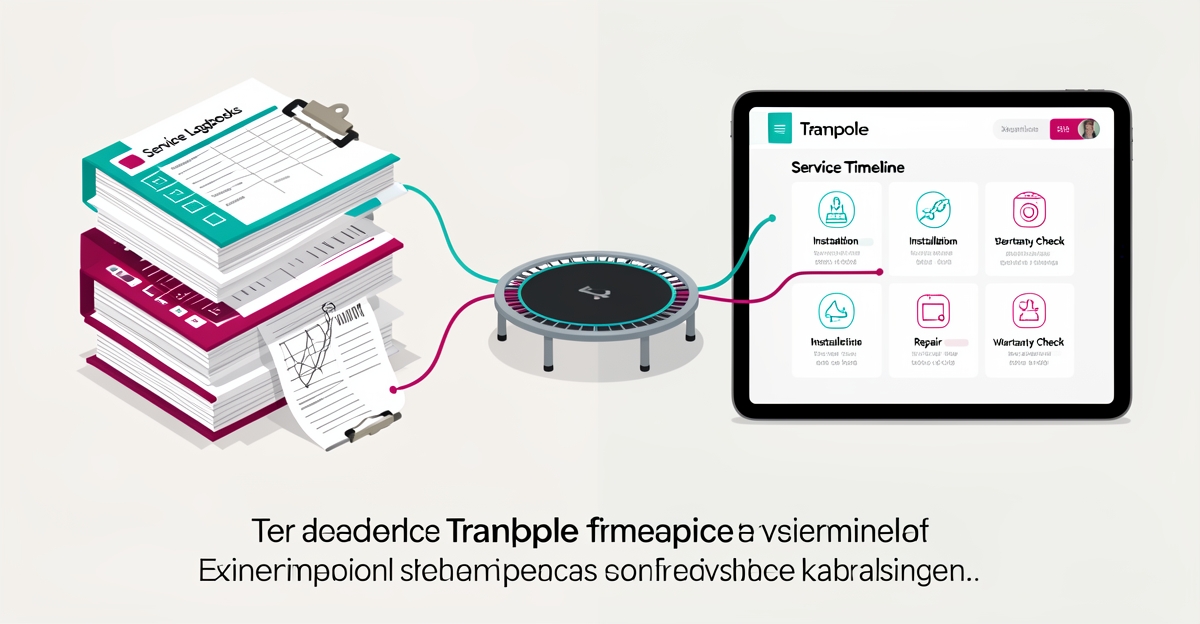
From Paper Logs to AI: How Trampoline Installers Can Track Service History & Repairs
Key Facts
- Paper-based service records are typically lost, illegible, or inaccessible when a warranty dispute or insurance claim arises
- Digital installation and repair histories make warranty claims faster because dates, parts, and work performed are documented in one place
- Installers who know each client's full service history can spot repeat issues and sell maintenance proactively instead of reactively
- AIQ Labs has deployed 200+ multi-agent systems and runs four live SaaS products daily, this is built work, not slideware
- You don't need to replace your whole operation: a single workflow build can fix service-history tracking at a fixed price
Hire a team member that works 24/7 — for less than a part-time wage.
AI receptionists, SDRs, dispatchers and 99+ roles. Trained on your business, fully managed.
Not sure where to start? Ask our AI planner
The Hidden Cost of Paper-Based Service Records
Most trampoline installation businesses still run on the same system they started with: a notebook in the truck, a binder in the office, and a technician's memory. It works, until it doesn't.
Here's what paper logs actually cost you:
- Lost warranty disputes. When a customer claims a spring failed within the warranty window, the burden of proof is on you. If the install date is scrawled on a carbon copy you can't find, you eat the cost.
- Slower service calls. A technician arriving at a repeat customer's yard shouldn't have to guess what was done last time. Every minute spent reconstructing history is a minute not billed.
- Knowledge that walks out the door. If the person who remembers "the Johnson job with the odd ground anchor" leaves the company, that knowledge leaves with them.
- Missed repeat revenue. Customers who get a proactive call about a mat inspection or a winter cover upgrade are far more likely to book again. Without a searchable history, that follow-up never happens.
The pattern is always the same: paper doesn't fail loudly. It fails quietly, one lost page and one forgotten callback at a time, until a warranty claim or a safety question makes the gap impossible to ignore.
Why Most AI Solutions Create More Problems Than They Solve
Most installers who try to fix this grab an off-the-shelf field service app. Six months later they're back to the notebook, because:
- It's built for plumbers, not trampoline crews. Generic software has no concept of frame models, spring counts, mat replacement cycles, or enclosure inspections. You end up bending your records to fit the tool.
- Nobody uses it. If logging a job takes twenty taps on a phone in a windy yard, technicians skip it. An unused system is worse than paper, because it looks like you have records when you don't.
- Subscription sprawl. One app for scheduling, one for notes, one for invoicing, none of them talking to each other, all of them billing monthly forever.
- Data hostage-taking. Many SaaS tools hold your service history. If you leave, the history you spent years building may not come with you.
The problem isn't AI or software. The problem is buying a generic answer to a specific question. Trampoline service history has its own shape, install dates, hardware batches, weather exposure, safety inspections, and the system tracking it should match that shape, not fight it.
What AI-Powered Service Tracking Actually Looks Like
A purpose-built service history system for a trampoline installation business does a few concrete things:
- Captures every job at the source. A technician finishes an install, speaks a summary or snaps a photo of the work order, and the system files it against the customer, the equipment, and the date. No twenty taps.
- Answers questions in plain language. "What did we replace on the Henderson trampoline last spring?" gets a straight answer with dates and parts, not a search through folders.
- Flags warranty windows automatically. When a customer calls about a failing net, the system already knows the install date, the manufacturer's warranty terms, and the repair history. Claims get filed with evidence attached.
- Drives follow-up. The system knows which installs are approaching their first annual inspection and which customers haven't been contacted since a repair, so retention becomes a scheduled activity, not a coincidence.
- Stays yours. Your records live in a system you own outright, not rented month-to-month with your history as collateral.
This is exactly the kind of targeted build AIQ Labs does. If service history is the workflow costing you the most, through lost claims and missed follow-ups, a Workflow Build rebuilds just that piece, at a fixed price, in phases. If you'd rather start smaller, an AI Employee can handle intake, scheduling, and record-keeping at a fraction of the cost of another admin hire.
Implementation Without the Overwhelm: A Practical Roadmap
You don't digitize a decade of paper logs in a weekend. Here's the phased approach that works:
- Pick the one workflow that hurts most. Usually it's warranty documentation or repair history. Fix that first; leave the rest alone for now.
- Capture new work digitally from day one. Don't backfill old paper records yet. New installs and repairs go into the system immediately, so the value shows up within weeks.
- Backfill selectively. Digitize records for active customers and open warranties first. Old completed jobs can wait, or stay on paper.
- Build in the follow-up. Once history exists, use it: inspection reminders, seasonal maintenance offers, warranty expiry notices. This is where the system starts paying for itself.
- Expand only when phase one is working. Once service history is solid, connect it to scheduling, quoting, or a fuller operating layer when the business is ready.
AIQ Labs works exactly this way: Start Monthly to prove it out, Build in Milestones as each phase earns its keep, or Own It Outright if you want the system as an asset. No invented case-study numbers, just a two-minute Fit Check to see whether this makes sense for your operation, then a free 30-minute strategy call to plan the first phase.
Turning Trampoline Service Data Into Your Competitive Edge
Trampoline installers know that every installation and repair tells a story, about safety, satisfaction, and the longevity of their work. Moving from paper logs to AI-powered tracking isn't just about digitizing records; it's about unlocking real-time insights that protect warranties, speed up service calls, and build deeper client trust. By capturing installation dates, repair history, and feedback in a secure, searchable system, businesses turn routine data into a proactive advantage, reducing errors, improving response times, and freeing technicians to focus on what they do best. The shift doesn't require overhauling your entire operation; it starts with solving one clear friction point: knowing exactly what happened, when, and for whom. If you're ready to replace guesswork with clarity and give your team the information they need at their fingertips, the first step is simple. Start with a free two-minute Fit Check to see how AIQ Labs can help you build a system that's truly yours, no vendor lock-in, just practical AI that works for your business.
Make AI your competitive advantage — not just another tool.
Strategy, implementation and ongoing optimization. One partner, end to end.
Not sure where to start? Ask our AI planner