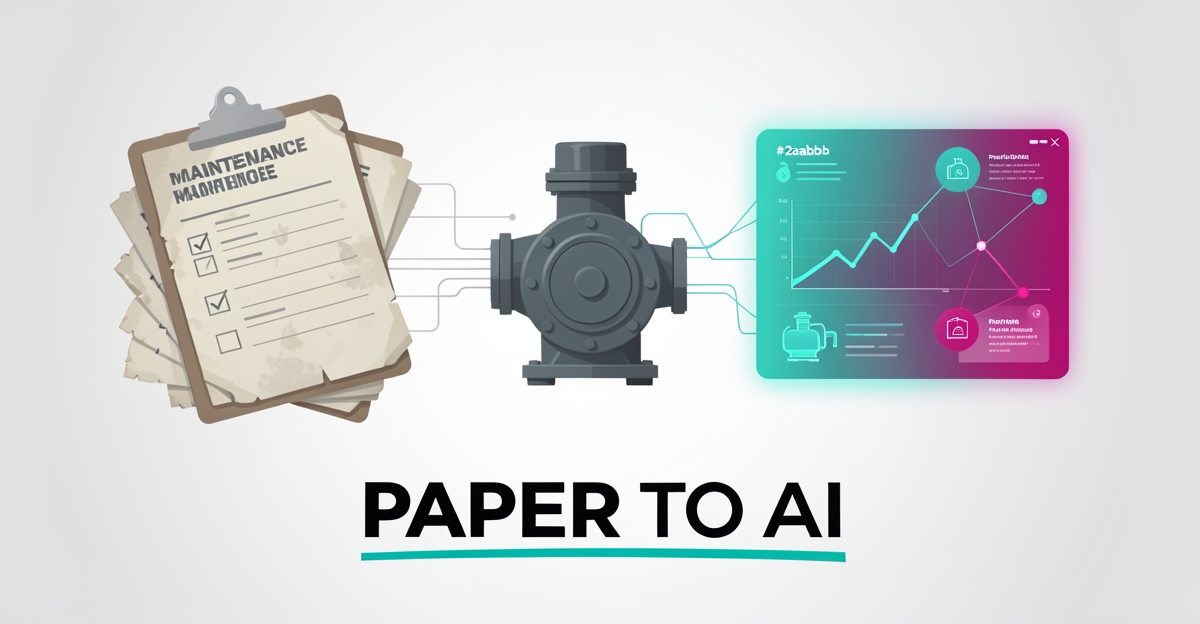
From Paper Logs to AI: How Well Pump Shops Can Automate Maintenance Records
Key Facts
- Paper records are vulnerable to loss, misreads, and transcription errors that hide repair trends
- AI document processing can capture, categorize, and analyze service history automatically
- Predictive maintenance typically reduces downtime by replacing parts based on actual wear, not calendar guesses
- Phased implementation lets shops digitize one workflow at a time without disrupting daily operations
- AIQ Labs has deployed 200+ multi-agent systems and builds platforms clients own outright
Hire a team member that works 24/7 — for less than a part-time wage.
AI receptionists, SDRs, dispatchers and 99+ roles. Trained on your business, fully managed.
Not sure where to start? Ask our AI planner
The Hidden Cost of Paper Logs in Well Pump Maintenance
Paper logbooks feel familiar until the cost of keeping them shows up in lost revenue and missed repairs. For well pump repair businesses, manual records create a gap between what happened on a job and what the owner can actually use for planning.
Every service call generates details that matter: pump model, runtime hours, water quality notes, parts replaced, and customer callbacks. When those details live in notebooks, truck cabs, or scattered spreadsheets, the data is inaccessible for analysis and vulnerable to loss.
Data entry errors compound quickly. Handwritten entries are misread, fields are skipped, and duplicate logs appear. Without a single source of truth, technicians waste time searching for history while customers wait for answers. That friction erodes trust and slows dispatch.
Lost or incomplete records also hide repair trends. A pump that fails repeatedly in a specific neighborhood or with a particular installer becomes invisible. Businesses cannot forecast parts, staff hours, or seasonal demand without clean, searchable history.
The hidden costs of paper logs show up as:
- Lost records from damaged notebooks, vehicle turnover, or staff changes
- Repeated diagnostics because service history cannot be found quickly
- Inaccurate warranty claims and parts ordering due to transcription errors
- No trend visibility for pump performance, repair frequency, or technician utilization
Small shops feel this most acutely because the owner is often the only person who knows where the logs are. When that knowledge leaves with a technician, the business loses institutional memory.
Moving from paper to automated digital records changes the equation. AI document processing can capture, categorize, and analyze service history, pump performance, and repair frequency for better long-term planning. AIQ Labs works with SMBs to rebuild the workflows that cost the most, like record-keeping, into owned systems with no subscription lock-in. See how our AI Workflow Builds work.
The result is faster job close-outs, fewer repeat visits, and clearer planning for parts and labor. With searchable history, a shop can spot patterns, prioritize preventive work, and justify pricing with evidence rather than memory.
How AI Transforms Service Records into Predictive Maintenance Intelligence
Imagine knowing your well pump is about to fail before it leaves you without water on a holiday weekend. That is the promise of AI-powered predictive maintenance, and it is already reshaping how service businesses operate.
AI document processing captures every service record, invoice, and technician note, then categorizes them by pump model, failure type, and repair frequency. This creates a searchable history that reveals patterns invisible in paper logs. Instead of guessing when a bearing might fail, you see exactly how similar pumps performed over time.
The workflow follows a clear path from data to prediction:
- Capture and digitize historical service records and real-time performance data
- Label failure events so the system learns what breakdown looks like
- Connect the AI to your CMMS or asset platform to automate alerts
- Monitor dashboards that flag anomalies before they become emergencies
The results extend beyond convenience. Shops that automate records typically close jobs faster and cut repeat visits because technicians walk in with full history instead of starting from scratch.
Unlike preventive maintenance that schedules service on arbitrary calendars, predictive systems optimize part replacement based on actual wear. This reduces downtime and extends equipment life while cutting unnecessary costs. You order parts when data says you need them, not when a calendar suggests it.
Implementing this requires more than software; it demands a strategic approach to data. AIQ Labs helps well pump businesses build custom systems that turn scattered records into predictive intelligence, ensuring you own the platform and the insights it generates.
Practical Steps to Implement AI Record Automation Without Disruption
Transitioning from paper logs to AI-driven record automation doesn't require a complete overhaul of your well pump shop's operations. Starting small and building confidence through phased implementation allows you to maintain daily workflows while gradually introducing digital capabilities. Many field service businesses begin by digitizing a single process, like service ticket entry, before expanding to full predictive maintenance tracking, reducing disruption and building team buy-in.
Begin with a clear assessment of your current record-keeping pain points, such as time spent searching for past repairs or difficulty identifying recurring pump issues. Focus on one high-impact area, like logging service history or tracking repair frequency, to pilot your AI solution without overwhelming staff.
Prepare your historical data by scanning or manually entering key details from paper logs into a structured format, including dates, pump models, symptoms, parts replaced, and labor hours. Clean and standardize this information so AI models can accurately categorize and learn from patterns. This phase should align data, people, and process so the system reflects real-world operations and integrates with existing tools like scheduling or invoicing software.
Integrate the AI system with tools your team already uses, such as calendars for appointment tracking or accounting platforms for billing, using secure API connections that enable automatic data flow. This eliminates duplicate entry and creates a unified source of truth for service history. Connecting AI to your asset platforms automates alerts and recommendations, turning passive records into active insights for better long-term planning.
Support your team through change management by providing role-specific training and highlighting how automation reduces repetitive tasks like manual data entry. Encourage feedback during the pilot phase to refine workflows and build trust in the system. For shops that want a connected layer across records, dispatch, and billing rather than a single workflow, an AI Operating System built in phases, and owned outright, may be the better fit.
Still paying for 10+ subscriptions that don’t talk to each other?
We build custom AI systems you own outright. No vendor lock-in. Full control.
Not sure where to start? Ask our AI planner
Frequently Asked Questions
Why are paper logs costing my well pump shop money?
Can AI really predict when a pump will fail before it happens?
Will automating records disrupt my technicians' daily workflow?
How much productivity gain can AI bring to a small maintenance business?
Do I lose ownership of my data with AI automation?
Is AI mature enough to trust for service records and maintenance planning?
Your Next Service Call Could Be Your Last Paper Log
The gap between paper logbooks and AI-driven records keeps widening. Well pump shops that digitize their service history now will predict failures, optimize parts ordering, and justify pricing with evidence, while competitors still flip through dog-eared notebooks. The path doesn't require a massive overhaul: assess your biggest record-keeping pain point, digitize one high-impact workflow, integrate with tools you already use, and expand from there. The goal is a system you own, not another subscription, something AIQ Labs builds specifically for businesses like yours, so your data and insights stay yours. Start by taking the two-minute Fit Check at aiqlabs.ai/apply, then book a free 30-minute strategy call where an AI engineer will map your highest-ROI automation opportunity, and tell you honestly if there isn't a clear win. Your service history is already telling a story. It's time to start listening to it.
Make AI your competitive advantage — not just another tool.
Strategy, implementation and ongoing optimization. One partner, end to end.
Not sure where to start? Ask our AI planner