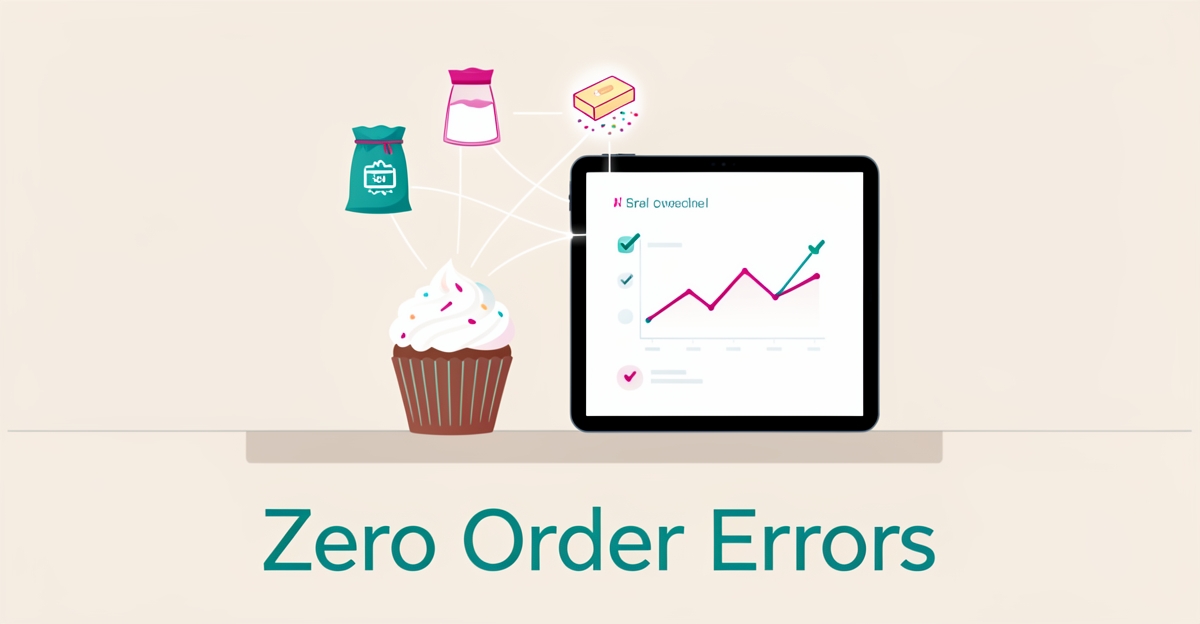
How a Cupcake Shop Can Reduce Order Errors with AI-Powered Recipe & Ingredient Tracking
Key Facts
- Manual tracking typically drives the highest avoidable costs in small bakeries: ingredient waste, stockouts, and remade batches
- AI demand forecasting aligns production with predicted sales, typically reducing waste and stockouts within the first months of use
- Integration with your existing POS (Square, Toast, or similar) is the most critical factor in food-service AI adoption
- Phased rollouts, audit, pilot, then scale, prevent the disruption that kills most technology adoptions
- AIQ Labs has deployed 200+ multi-agent systems and runs 4 live SaaS products daily
Hire a team member that works 24/7 — for less than a part-time wage.
AI receptionists, SDRs, dispatchers and 99+ roles. Trained on your business, fully managed.
Not sure where to start? Ask our AI planner
The Hidden Cost of Manual Recipe Tracking in Cupcake Shops
Many cupcake shops still rely on spreadsheets or memory to track recipes and ingredient usage, creating a hidden drain on profitability. This manual approach leads to inconsistent products, unexpected waste, and missed sales opportunities, costs that quietly erode margins day after day. Without real-time visibility into ingredient levels and batch accuracy, even experienced bakers struggle to maintain quality at scale.
When demand forecasting relies on guesswork, two predictable problems follow: ingredients spoil before they're used, and best-sellers sell out before the day ends. Spoiled ingredients are sunk costs, and unavailable products frustrate loyal customers. For a small cupcake shop, this combination can easily add up to hundreds of dollars in avoidable losses every month.
The ripple effects extend beyond the kitchen: inconsistent batches damage brand reputation, while frequent stockouts drive customers to competitors who reliably have their favorite flavors in stock. Manual tracking also consumes valuable staff time that could be spent on customer service or product innovation, trapping shops in a cycle of reactive problem-solving rather than proactive growth. As operations expand, whether through added locations or seasonal demand spikes, the limitations of spreadsheets and memory become increasingly unsustainable.
How AI-Powered Recipe & Ingredient Tracking Eliminates Human Error
For cupcake shops, human error in recipe scaling and ingredient tracking often leads to inconsistent batches, wasted ingredients, and disappointed customers. AI-powered systems reduce these risks by automating the process from demand forecasting to real-time inventory monitoring, improving precision at every step.
By analyzing historical sales data, seasonal trends, and local events, AI predicts demand for each cupcake variety, so you bake more of what will sell and less of what won't. This typically reduces both stockouts and ingredient waste, preventing lost sales from unavailable flavors while minimizing spoilage of perishable ingredients like fresh fruit, dairy, and specialty flours. Exact results vary by shop, but the direction of improvement is consistent: production aligned with real demand.
The technology continuously monitors ingredient levels across all batches, automatically adjusting recipe quantities based on real-time inventory and predicted demand. This eliminates manual calculation errors that can throw off entire production runs, especially critical when scaling recipes for dozens of unique cupcake flavors with varying ingredient ratios. Staff receive alerts when supplies fall below reorder points, preventing unexpected shortages during peak hours.
AI also streamlines production scheduling by aligning baking times with predicted demand patterns, ensuring popular varieties are freshly stocked without overproducing slower-moving options. The most effective setups connect your existing POS system, Toast, Square, or similar, to a central platform, creating a single source of truth where sales data instantly informs production needs and removes guesswork and manual logkeeping.
For cupcake shops managing multiple locations or experiencing growth, this automation scales far better than manual processes, which become increasingly error-prone as volume increases. The system learns from each batch, refining predictions over time to further reduce waste and improve consistency. By removing human error from the core production workflow, bakeries can focus on creativity and customer service rather than firefighting inventory crises or remaking flawed batches.
AIQ Labs helps cupcake shops implement these capabilities through custom AI systems that own their recipe and ingredient tracking workflows end-to-end, transforming a major pain point into a competitive advantage. With production-ready deployment and ongoing optimization, shops gain enterprise-grade precision without the complexity of managing multiple disconnected tools. The result is fewer errors, less waste, and more reliable operations that build customer trust and support sustainable growth. For shops that want managed staff alongside the systems, AI Employees can handle order intake, customer follow-ups, and supplier coordination around the clock.
Implementing AI Tracking Without Disrupting Your Bakery Workflow
The fear of disrupting daily operations stops many bakery owners from adopting new technology, but successful AI implementation follows a predictable pattern that minimizes chaos. Across food service, the adoptions that stick are the ones that integrate into software the team already uses, rather than forcing entirely new workflows.
Begin with a short audit, typically one to two weeks, to identify where errors actually originate. Document every instance of incorrect orders, wasted ingredients, or production delays, then calculate the monthly cost of each pain point. This diagnostic phase mirrors the first milestone in AIQ Labs' Build in Milestones approach, ensuring you target the highest-impact problem before investing in solutions.
Integration comes next, and compatibility determines success. Choose tools that connect directly with your existing POS system, whether Square, Toast, or another platform, so sales data flows automatically into inventory and forecasting without manual entry. If you'd rather rebuild the single costliest workflow first at a fixed price, a Workflow Build is the fastest way to prove value before expanding.
Launch your pilot with a small team of "AI champions", two or three staff members who learn the system first and help colleagues adapt. Run the AI parallel to your current process for two weeks to verify accuracy without risking service disruptions. Track specific metrics during this phase:
- Order accuracy rates (target: reduction in remake requests)
- Food waste percentage (AI-driven forecasting typically delivers a meaningful reduction)
- Labor hours spent on inventory counting
- Stockout frequency for popular flavors
Measure results against your baseline after 60 days. Most shops that follow this pattern see targeted costs fall within the first 90 days, and many find the system pays for itself quickly once waste and stockouts start dropping. Your own numbers, not industry averages, are what matter, which is why the parallel-run period exists.
Scale gradually once the pilot proves value. Add new modules, perhaps production scheduling next, then customer preference tracking, only after the current system runs smoothly. This phased approach, whether you build internally or partner with AIQ Labs for a custom solution, prevents the overwhelm that kills technology adoption. For shops ready to connect forecasting, inventory, scheduling, and customer data into one layer they own outright, an AI Operating System is the long-term destination.
Ready to map your bakery's specific implementation path? Start the Fit Check, a two-minute assessment that leads to a free 30-minute strategy session where we identify your highest-ROI automation opportunity. If AI isn't the right fit for your current operations, we'll tell you that too.
Still paying for 10+ subscriptions that don’t talk to each other?
We build custom AI systems you own outright. No vendor lock-in. Full control.
Not sure where to start? Ask our AI planner
Frequently Asked Questions
How much ingredient waste can a cupcake shop realistically cut by switching to AI-powered tracking?
Will implementing AI recipe tracking disrupt my daily baking operations?
What kind of ROI timeline should I expect from AI inventory and recipe tracking?
Can AI really handle the complexity of dozens of unique cupcake recipes with different ingredient ratios?
Do I need a year of sales data before AI forecasting will work for my shop?
How does AI tracking prevent stockouts of our best-selling flavors during peak hours?
From Spreadsheets to Sweet Success: Your Next Batch Awaits
Manual recipe tracking might feel familiar, but it's quietly costing your cupcake shop through wasted ingredients, stockouts, and inconsistent batches, issues that compound as you grow. AI-powered systems eliminate this guesswork by aligning production with real demand, all while integrating with tools like Square or Toast that you already use. The result? Fewer errors, fresher inventory, and more time to focus on what you do best: baking and connecting with customers. Ready to see where AI could make the biggest impact in your bakery? Start the Fit Check, a two-minute assessment that leads to a free 30-minute strategy session to identify your highest-ROI automation opportunity, with zero obligation and honest guidance on whether AI is the right fit for your shop right now. Questions first? Reach us anytime at [email protected].
Make AI your competitive advantage — not just another tool.
Strategy, implementation and ongoing optimization. One partner, end to end.
Not sure where to start? Ask our AI planner