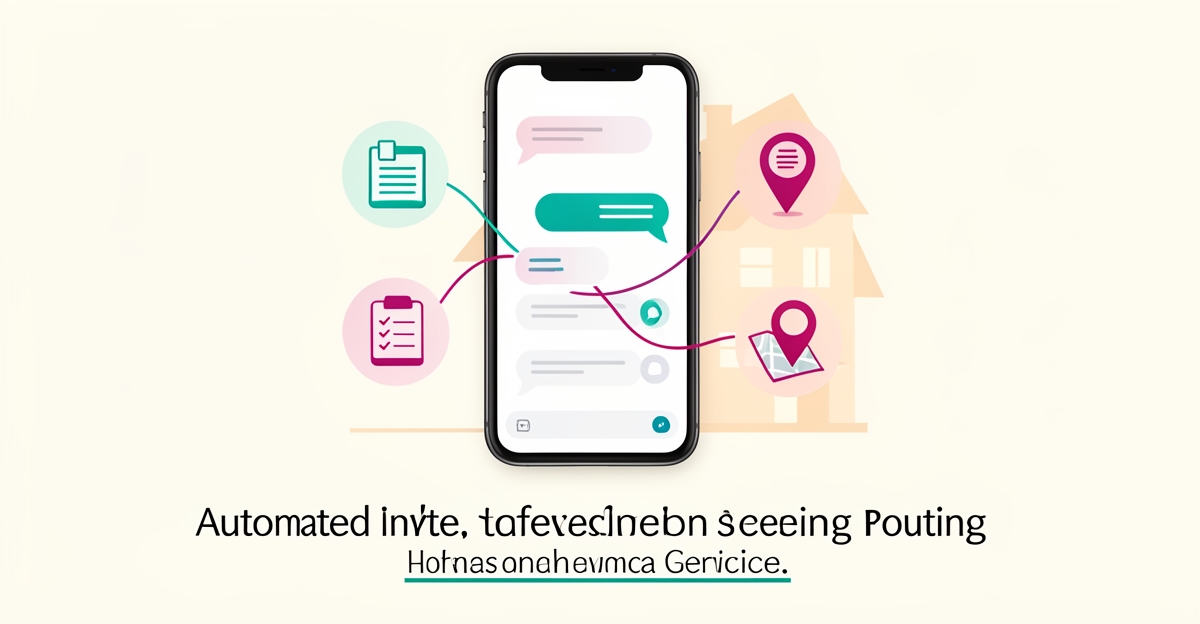
How AI Can Automate Client Onboarding for Hoarding Cleanup Businesses
Key Facts
- Most initial hoarding cleanup calls come from family members rather than the affected individual, according to industry analysis.
- A meaningful share of clients, commonly cited around 20%, disengage during slow manual onboarding, per onboarding analyses, which can represent six figures in lost annual revenue for a busy operation.
- Automation benchmarks suggest AI can cut per-client onboarding costs substantially versus manual intake.
- AI-powered onboarding typically shortens time-to-revenue from weeks to days by removing response delays, according to automation research.
- Automated intake lets a small team handle far more concurrent clients without adding staff, per automation studies.
- Guided data capture reduces intake errors and misrouted cases compared with manual note-taking.
- AI systems answer calls in under a second with 24/7 availability, versus typical same-day-to-72-hour manual response windows, according to call handling research.
Hire a team member that works 24/7 — for less than a part-time wage.
AI receptionists, SDRs, dispatchers and 99+ roles. Trained on your business, fully managed.
Not sure where to start? Ask our AI planner
The Hidden Revenue Leak: Why Hoarding Cleanup Clients Disappear Before the First Visit
The emotional weight of a hoarding cleanup inquiry often begins with a family member's desperate call, industry analysis suggests most initial contacts come from concerned relatives, not the individual affected. These calls carry fear, shame, and urgency, making the first response critical to building trust. Yet manual onboarding frequently fails here: a meaningful share of clients, commonly cited around 20%, disappear before the first visit due to slow communication and inconsistent follow-up. This drop-off isn't just a missed opportunity, it's a silent revenue leak that compounds quickly.
When a family member reaches out, they're often navigating guilt, grief, or crisis. A delayed response, especially beyond 24 hours, triggers second-guessing: "Did they forget about me?" or "Are they even equipped to handle this?" The 24-to-72-hour response gap in manual processes is precisely when clients disengage. For hoarding cleanup businesses, where projects commonly range from a few thousand dollars to the low five figures, losing even two clients monthly to this friction can add up to six figures in annual revenue lost from already-won inquiries.
The operational strain exacerbates the emotional toll. Staff spend hours per client on manual intake, time better spent on actual cleanup or family support. Without automation, teams juggle scattered emails, missed calls, and inconsistent data collection, creating bottlenecks that frustrate both clients and employees. AI-powered onboarding closes this gap by delivering immediate, compassionate responses 24/7, using empathetic language patterns to validate emotions while gathering essential safety details about biohazards or structural risks. This isn't about replacing human care, it's about ensuring no client falls through the cracks during their most vulnerable moment. By guiding families smoothly from inquiry to first visit, AI transforms anxiety into confidence, turning hesitant inquiries into committed projects. Most initial hoarding calls come from family members, and onboarding analyses point to significant drop-off during manual intake.
How AI Transforms Hoarding Cleanup Intake: Empathy at Machine Speed
Hoarding cleanup intake is emotionally charged and time-sensitive. A family member calls at night, overwhelmed, and silence for even a few hours can mean a lost project worth thousands. AI changes that window from days to seconds.
AI systems answer 24/7 with pickup in under a second, compared with manual first-contact windows that often stretch from same-day to 72 hours. That immediate response validates the caller's decision and prevents the second-guessing that drives a large share of clients to disengage during manual onboarding. The conversation then adapts in real time to hoarding-specific signals.
Empathetic conversation protocols are built to detect hoarding-related language and shift into extended-patience mode. Because most initial hoarding calls come from family members, not the affected individual, the AI uses non-judgmental language, longer pauses, and validation rather than rapid-fire questions. This protects dignity while gathering scope gradually.
Safety screening is automated without sounding intrusive. The AI asks about animal presence, water damage, pest issues and utility status to flag biohazard conditions for crew safety planning. That information routes the case to appropriately trained team members and supports accurate pricing for projects that can grow substantially when biohazard conditions are present.
Intelligent routing matches complexity to capability. Incoming inquiries are analyzed for mental health outreach needs, specialized cleaning protocols, and legal considerations, then assigned to the best-suited specialist. This is the core of AI-driven customer journey optimization applied to intake, personalizing the experience and reducing drop-offs at critical stages. AIQ Labs delivers this kind of intake automation through AI Employees: managed AI receptionists and intake agents that answer, qualify, and book around the clock at a fraction of the cost of a human hire.
The architecture delivering this experience combines:
- 24/7 instant response with sub-second pickup and natural, empathetic dialogue
- Hoarding language detection that triggers extended-patience, non-judgmental protocols
- Automated biohazard screening for crew safety and accurate scoping
- Intelligent routing to specialized team members based on skills and workload
The operational impact is measurable. Automation benchmarks suggest automated onboarding can cut time-to-revenue from several weeks to roughly one to two weeks, meaningfully increase monthly onboarding capacity without added headcount, and substantially reduce cost per onboarding versus manual intake.
For hoarding cleanup businesses, that means fewer lost families in the silence between yes and action, safer crews, and consistent compassionate intake at machine speed.
The Financial Case: Quantifying AI Onboarding ROI for Cleanup Businesses
AI-powered client onboarding transforms cost structures for hoarding cleanup businesses while directly protecting revenue streams. Manual onboarding consumes significant staff time and resources per client, commonly estimated in the hundreds of dollars once you count calls, follow-ups, and data entry. Industry analysis suggests AI automation can reduce this cost by a wide margin, freeing up capital for growth initiatives or team expansion.
Beyond direct cost reductions, AI systems improve onboarding accuracy and completion rates. Manual processes suffer from meaningful error rates, leading to misrouted cases, incomplete documentation, and delayed project starts. Automated onboarding with guided data capture substantially reduces these errors, ensuring critical safety information and project specifications are captured correctly the first time. This precision reduces rework, minimizes crew safety risks, and accelerates time-to-revenue.
The most compelling financial benefit comes from recovering lost revenue. A meaningful share of clients, commonly cited around 20%, disengage during manual onboarding due to slow communication and inconsistent follow-up, representing a silent drain of potential income. Onboarding analyses indicate that cutting this drop-off sharply on a modest monthly pipeline can recover six figures in annual revenue. For businesses handling higher-value projects or greater volumes, this recovery scales proportionally.
To maximize these gains while maintaining the human touch essential in sensitive situations, hoarding cleanup businesses should apply a balanced automation rule of thumb: fully automate routine tasks like after-hours answering and document collection, use AI assistance for workflow steps where humans make key decisions, and keep sensitive conversations human-led with AI providing data support and automated follow-up. This balanced approach ensures technology enhances rather than replaces the empathetic service that defines quality hoarding cleanup care. AIQ Labs builds this kind of system through AI Workflow Builds, rebuilding the one intake workflow that costs you the most, at a fixed price and in phases.
Implementation Roadmap: Deploying AI Onboarding in Your Hoarding Cleanup Business
Manual onboarding bleeds revenue in hoarding cleanup. Clients sign during a crisis, then wait days for a reply while doubt grows and a large share of clients disengage due to slow communication and confusing steps. An implementation roadmap turns intake into a guided, 24/7 experience that protects both conversion and crew safety.
Audit current intake bottlenecks before building anything. Map every touchpoint from first call to first site visit, including document requests, safety screening, and scheduling. Document where delays occur and where staff spend hours per client on repetitive tasks. This baseline shows where automation delivers the fastest time-to-revenue gains.
Configure hoarding-specific conversation flows with non-judgmental language protocols. AI must recognize hoarding-related language patterns and shift into extended-patience mode with longer pauses and empathetic phrasing. The system should gather biohazard screening gradually and without shame, flagging animal waste, mold, pest issues, or water damage for crew safety planning. Because most initial hoarding calls come from family members rather than the affected individual, the tone must validate fear and overwhelm rather than push commitment.
Integrate with existing CRM and scheduling systems so data flows without re-entry. Connect intake forms, document upload, and compliance tracking to the tools your team already uses daily. Real-time sync prevents duplicate entry and gives staff a single source of truth for project scope, legal requirements, and visit windows.
Train staff to work alongside AI, not be replaced by it. Role clarity is essential: AI handles after-hours triage, initial document collection, and follow-up reminders, while humans lead sensitive conversations, final scoping, and safety decisions. Teams that practice human-in-the-loop escalation build trust faster and keep service quality high.
Safety screening and legal compliance tracking must be built in from the start. Configure mandatory checkpoints for biohazard conditions, Adult Protective Services referrals, and court-order documentation. Automated audit trails ensure every consent and disclosure is logged for regulated situations.
Choose the deployment model based on coverage needs and internal capacity:
- AI Employees for 24/7 intake coverage with a managed AI receptionist or intake agent that answers calls, qualifies leads, and books assessments around the clock, start monthly, no long commitment
- AI Workflow Builds to rebuild your highest-cost intake workflow at a fixed price, delivered in milestones
- AI Operating Systems if you want one connected layer across intake, scheduling, and follow-up, built in phases and owned outright
With automation, time to revenue typically drops from several weeks to one to two weeks. Cost per onboarding falls substantially, and error rates improve with guided data capture. AIQ Labs has deployed 200+ multi-agent systems and runs four live SaaS products daily, see current engagement and payment options at aiqlabs.ai/pricing.
Still paying for 10+ subscriptions that don’t talk to each other?
We build custom AI systems you own outright. No vendor lock-in. Full control.
Not sure where to start? Ask our AI planner
Frequently Asked Questions
How does AI prevent hoarding cleanup clients from disappearing before the first visit?
What specific safety information does AI gather during hoarding cleanup intake without making callers feel judged?
How much money can a hoarding cleanup business lose annually from clients dropping off during manual onboarding?
Will using AI for hoarding cleanup onboarding replace the need for human staff in sensitive conversations?
How quickly can AI-powered onboarding reduce the time from client sign-up to first visit for hoarding cleanup businesses?
What cost savings can hoarding cleanup businesses expect from automating client onboarding with AI?
From Hesitation to First Visit: Closing the Hoarding Cleanup Revenue Gap
The gap between a family's first desperate call and the first site visit is where hoarding cleanup businesses lose revenue they've already earned. With most inquiries coming from overwhelmed relatives and a meaningful share of clients disengaging during slow manual onboarding, silence creates doubt and projects worth thousands slip away. AI closes that window by answering in under a second, 24/7, with hoarding-specific empathetic protocols, gradual safety screening for biohazards, and intelligent routing to the right specialist. The result is a faster path to revenue, lower onboarding costs, and consistent compassionate intake that protects both clients and crews. If you're mapping intake bottlenecks, start by auditing where delays and manual data entry occur, then design hoarding-specific conversation flows that validate emotions while capturing safety details. AIQ Labs can help, whether that's a managed AI Employee for 24/7 intake, a fixed-price Workflow Build for your costliest intake process, or a full AI Operating System you own outright. Start with the 2-minute Fit Check at aiqlabs.ai/apply, then book a free 30-minute strategy call to map your biggest bottleneck and identify high-ROI automation opportunities.
Make AI your competitive advantage — not just another tool.
Strategy, implementation and ongoing optimization. One partner, end to end.
Not sure where to start? Ask our AI planner