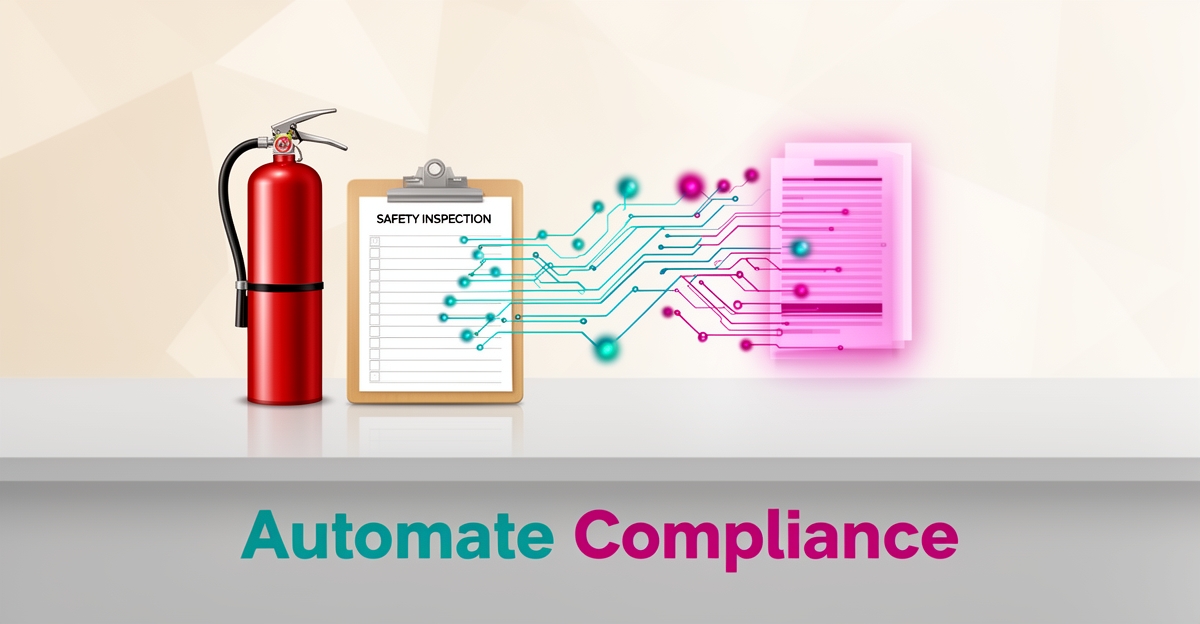
How AI Can Automate Compliance Documentation for Fire Safety Inspections
Key Facts
- Teams that automate compliance documentation typically report meaningful time savings, often in the range of 40-60%, compared with fully manual processes, according to industry estimates
- AI systems are categorized into four risk levels under the EU AI Act: unacceptable, high, limited transparency, and low risk as outlined in PwC's compliance tool
- Microsoft Purview Compliance Manager includes regulatory templates for frameworks such as the EU AI Act, ISO/IEC 42001:2023, and NIST AI RMF per Microsoft's governance framework
- AI-powered document processing services such as Amazon Textract and Comprehend can extract compliance data directly from inspection reports as demonstrated in AWS-powered frameworks
- Human-in-the-loop processes remain a widely recommended safeguard for accountability in critical compliance determinations
Hire a team member that works 24/7 — for less than a part-time wage.
AI receptionists, SDRs, dispatchers and 99+ roles. Trained on your business, fully managed.
Not sure where to start? Ask our AI planner
The Compliance Burden Fire Alarm Companies Can't Ignore
Fire alarm companies face mounting pressure to maintain flawless compliance documentation amid increasingly strict regulatory oversight. Manual processes for tracking inspections, renewals, and audit trails create significant administrative burdens that divert resources from core safety services. Industry estimates suggest organizations can typically cut compliance time by 40-60% through AI implementation, highlighting the efficiency gains available when automating these labor-intensive tasks. The consequences of documentation gaps extend far beyond inconvenience, missed inspections or overdue certifications expose companies to legal liability, fines, and potential shutdowns during regulatory audits.
The regulatory landscape for fire safety demands continuous vigilance, with requirements varying by jurisdiction but consistently emphasizing traceable, timely documentation. Fire alarm providers must demonstrate compliance with NFPA standards, local fire codes, and insurance mandates, all of which require meticulous record-keeping of installation dates, inspection frequencies, test results, and corrective actions. When documentation relies on paper logs or disconnected digital systems, the risk of human error increases substantially, overdue renewals slip through cracks, inspection histories become fragmented, and audit preparation consumes excessive staff time. AI governance frameworks help organizations systematically address these challenges by establishing structured approaches to risk assessment and compliance monitoring aligned with emerging regulations.
Implementing AI-powered compliance systems transforms how fire safety teams manage documentation overhead. Automated tracking eliminates manual calendar chasing by flagging upcoming inspections and renewal deadlines in real time, while intelligent document processing extracts critical data from inspection reports to populate compliance databases instantly. This shift from reactive to proactive compliance management reduces the likelihood of violations going unnoticed and creates audit-ready documentation trails that withstand regulatory scrutiny. For fire alarm companies operating in high-stakes safety environments, where documentation accuracy directly impacts public safety, AI automation provides not just operational relief but a fundamental strengthening of compliance posture. By reducing the manual burden associated with regulatory adherence, teams can redirect focus toward preventive maintenance and customer safety, turning a compliance obligation into a competitive advantage. To explore how AI can address your fire safety documentation challenges, start the 2-minute Fit Check at https://aiqlabs.ai/apply and book a free 30-minute strategy call at https://aiqlabs.ai/book.
AI-Powered Compliance Documentation in Practice
Fire alarm companies can transform their compliance documentation from a manual burden into an automated advantage with AI-powered systems. By integrating document processing pipelines, continuous monitoring, and risk-based governance, organizations ensure audit readiness while reducing legal exposure. This approach aligns with evolving regulatory demands like the EU AI Act and ISO 42001, turning compliance into a strategic operational strength.
AI automates report generation by processing inspection documents through intelligent pipelines that extract and analyze critical data. Using services like Amazon Textract for text extraction and Amazon Comprehend for content analysis, AI systems convert raw inspection reports into standardized compliance documentation automatically AWS-powered document processing enables resilient pipelines that handle complex workloads while retrieving actionable insights. This eliminates manual data entry and helps ensure consistent, accurate report generation across all inspection types.
Inspection history tracking becomes proactive and continuous through AI-driven monitoring systems. Organizations can typically reduce compliance time by 40-60% through AI implementation, according to industry estimates, by automating the logging and retention of AI interactions, which Microsoft Purview Compliance Manager supports with regulatory templates including the EU AI Act and ISO/IEC 42001:2023 Microsoft's framework includes regulatory templates for key standards. These systems maintain audit-ready documentation by tracking accuracy, drift, and post-deployment performance, supporting ongoing compliance alignment.
Renewal flagging operates through risk-based governance that prioritizes high-impact activities. The EU AI Act categorizes AI systems into risk levels, unacceptable, high, limited transparency, and low risk, requiring tailored controls based on potential impact PwC's AI Compliance Tool outlines risk-based categorization. ISO 42001 complements this by providing a structured AI management system for evidence management and continuous improvement. AIQ Labs implements these frameworks to ensure fire safety compliance systems meet regulatory demands while maintaining human oversight for critical decisions.
- Automated document processing extracts compliance data from inspection reports using tools like Textract and Comprehend
- Continuous monitoring tracks AI interactions and detects noncompliant usage in real time
- Risk-based governance aligns with EU AI Act categories and ISO 42001 management requirements
- Human-in-the-loop processes ensure accountability for critical compliance determinations
- Audit trails maintain comprehensive documentation for regulatory review and eDiscovery readiness
This integrated approach reduces audit preparation time while strengthening regulatory defensibility. Fire safety companies gain operational efficiency without compromising compliance rigor, turning documentation from a cost center into a source of strategic insight. AIQ Labs builds these systems through AI Workflow Builds, rebuilding the one workflow that costs you the most, at a fixed price and in phases, so clients own their audit-ready documentation infrastructure outright.
Building Audit-Ready Systems with Human Oversight
Fire safety inspection documentation requires more than automation, it demands systems that regulators can trust. AIQ Labs helps organizations build audit-ready AI documentation frameworks that combine intelligent processing with human oversight and governance controls. This approach ensures compliance isn't just efficient, but defensible under scrutiny.
Effective AI governance starts with aligning technology to regulatory frameworks like the EU AI Act, which categorizes systems by risk level and mandates tailored controls for high-risk applications such as fire safety compliance according to PwC's AI Compliance Tool. Organizations must establish cross-functional governance involving legal, technical, and data teams to ensure AI interactions are logged, retained, and available for eDiscovery when needed as emphasized in Microsoft's security guidance. This foundation supports audit readiness by creating traceable, accountable processes.
Retention policies and audit trails are critical for regulated industries. Microsoft Purview provides data lifecycle management tools that automatically retain AI-generated compliance documentation according to regulatory schedules while enabling secure deletion of unnecessary data through Purview Data Lifecycle Management. These systems ensure inspection records, violation reports, and renewal alerts remain accessible for the required period, reducing legal risk during audits.
Human oversight remains essential, especially for high-stakes decisions. Organizations should implement human-in-the-loop controls for critical compliance judgments, such as flagging overdue renewals or validating AI-extracted inspection data. Regular code reviews and validation layers help ensure AI outputs meet accuracy requirements before becoming part of official records. This balance allows AI to handle routine documentation while humans retain authority over outcomes that impact safety and liability.
Together, these controls transform AI from a processing tool into a trustworthy component of compliance infrastructure. By integrating governance frameworks, retention systems, audit trails, and supervised automation, fire safety companies can typically reduce documentation time significantly, often in the 40-60% range, per industry estimates, while maintaining regulatory confidence. The result is not just faster reporting, but systems built to withstand regulatory examination.
From Manual Logs to Automated Compliance Operations
Fire alarm companies still rely on manual logbooks and scattered spreadsheets to track inspection schedules and compliance documentation, a process that consumes valuable time and increases legal exposure. By transitioning to AI-powered compliance operations, organizations can typically cut compliance time substantially while ensuring audit-ready records are always up to date. This shift begins with a structured implementation roadmap that aligns technology with regulatory demands.
The first step involves conducting a thorough risk assessment to categorize AI systems used in compliance workflows based on frameworks like the EU AI Act, which classifies systems into unacceptable, high, limited transparency, and low risk categories as outlined in PwC's compliance tool. This assessment informs the design of a document processing pipeline that leverages AI to extract critical data from inspection reports, maintenance logs, and certification documents using tools like Amazon Textract and Comprehend for accurate text extraction and content analysis as demonstrated in AWS-powered document processing frameworks. Once established, the pipeline automates report generation, tracks renewal dates, and flags overdue actions in real time.
To sustain compliance, organizations must implement continuous monitoring systems that track AI interactions, detect potential noncompliant usage, and maintain comprehensive audit trails as emphasized in Microsoft's governance framework. This includes configuring retention policies for AI-generated documentation and establishing human-in-the-loop processes for critical decisions, ensuring accountability and regulatory alignment. Throughout this journey, AIQ Labs supports fire safety providers through its AI Workflow Builds for a single high-cost workflow, or its AI Operating Systems for a fully connected compliance layer built in phases and owned outright, guiding clients from initial assessment to full deployment of owned, compliant systems that eliminate manual bottlenecks and reduce audit preparation time. By integrating these steps, fire alarm companies transform compliance from a reactive burden into a proactive, automated operational advantage.
Still paying for 10+ subscriptions that don’t talk to each other?
We build custom AI systems you own outright. No vendor lock-in. Full control.
Not sure where to start? Ask our AI planner
Frequently Asked Questions
Will AI actually cut down the time we spend on compliance paperwork?
How does AI process our inspection reports and renewal deadlines?
Is AI-generated compliance documentation audit-ready?
What regulatory frameworks should our fire safety AI system follow?
Do we lose accountability if compliance is automated?
Can we own the compliance system instead of subscribing to software?
Turning Compliance Chaos into Competitive Clarity
Fire alarm companies no longer need to choose between safety and efficiency, AI-powered compliance documentation delivers both. By automating report generation, inspection tracking, and renewal alerts while maintaining human oversight and audit-ready trails, organizations can typically cut compliance time significantly and shift focus from paperwork to prevention. This isn't just about checking regulatory boxes; it's about building defensible, scalable systems that strengthen trust with clients and regulators alike. The path forward starts with understanding where AI can remove friction in your specific workflows. Take the first step with the 2-minute Fit Check at https://aiqlabs.ai/apply, then book a free, no-pressure 30-minute strategy call to see how AIQ Labs can help you own your compliance infrastructure and turn documentation into a strategic advantage.
Make AI your competitive advantage — not just another tool.
Strategy, implementation and ongoing optimization. One partner, end to end.
Not sure where to start? Ask our AI planner