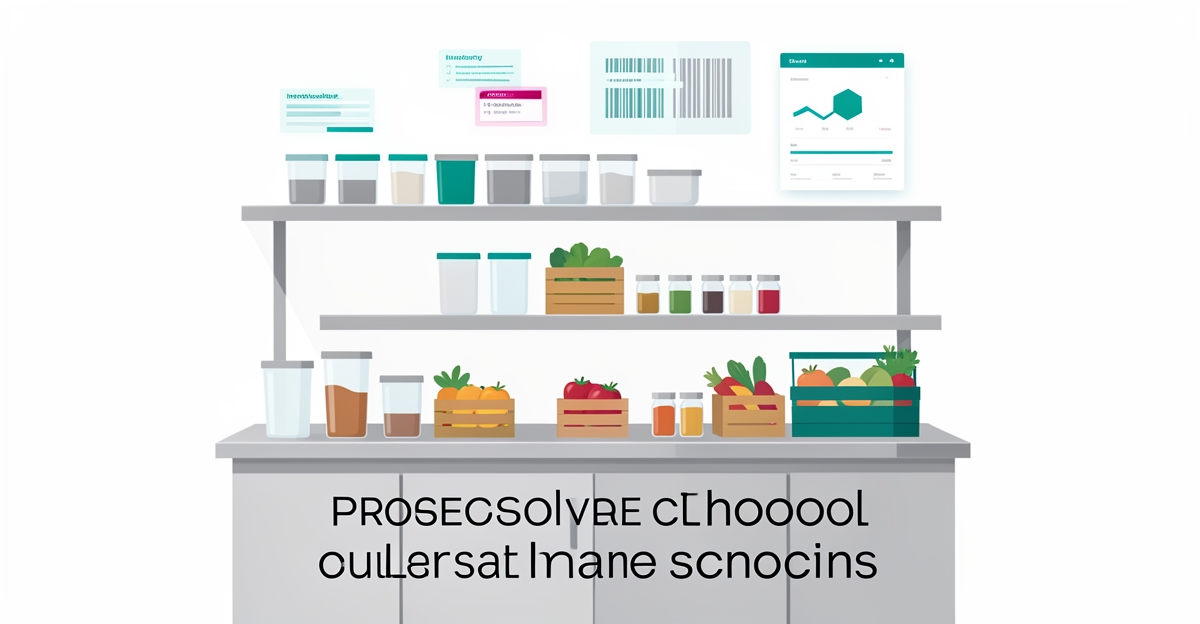
How AI Can Automate Ingredient Inventory and Kitchen Supply Tracking in Culinary Schools
Key Facts
- AI inventory systems track ingredient levels in real time, reducing the manual counts that pull instructors away from teaching
- Automated reorder triggers help prevent both stockouts that disrupt labs and overstocking that leads to spoilage
- Food waste is one of the largest controllable costs in teaching kitchens, AI forecasting typically reduces over-ordering significantly
- AI systems can also generate recipes and lesson plans around what's actually on hand, aligning curriculum with inventory
- Successful implementation depends on data quality, realistic budgeting, and proper staff training
Hire a team member that works 24/7 — for less than a part-time wage.
AI receptionists, SDRs, dispatchers and 99+ roles. Trained on your business, fully managed.
Not sure where to start? Ask our AI planner
How AI Transforms Ingredient Tracking and Supply Management
AI-powered inventory systems replace clipboard counts with continuous, automated tracking. Here's what that looks like in practice:
- Real-time stock visibility. Connected scales, barcode or QR scanning, and POS integrations keep ingredient counts current automatically, no end-of-week reconciliation required.
- Predictive ordering. AI forecasts usage based on class schedules, enrollment, and historical consumption, so orders match actual demand instead of worst-case guesses.
- Waste reduction. Systems flag ingredients approaching expiration and suggest recipes or lesson plans that use them first, directly cutting spoilage.
- Automated alerts. Low-stock warnings arrive before a lab session is compromised, not after.
- Curriculum alignment. AI can generate recipes and exercises around what's actually on hand, turning inventory data into a teaching asset.
These capabilities apply well beyond kitchens. The same automation principles behind inventory tracking apply to procurement, scheduling, and reporting across an institution, see how AI workflow builds rebuild the single workflow that costs an organization the most.
From Data to Action: Building an AI Inventory System Culinary Schools Can Own
Off-the-shelf inventory software exists, but teaching kitchens have specific needs: multi-station tracking, student-facing workflows, integration with procurement and budgeting, and reporting that satisfies administrators. Generic tools often force schools to adapt their operations to the software rather than the reverse.
AIQ Labs builds custom multi-agent systems, 200+ deployed and running daily, that connect inventory data, ordering, alerts, and reporting into one operating layer the school owns outright. No per-seat licensing treadmill, no vendor lock-in. For schools that want ongoing support without building internal capacity, AI employees can handle reorder monitoring, vendor communication, and reporting at a fraction of the cost of additional staff.
For institutions ready to connect inventory with the rest of their operations, procurement, scheduling, compliance, AI operating systems provide one connected layer built in phases and owned outright.
Implementation Roadmap for Culinary Programs
- Audit current inventory practices. Measure how many hours manual tracking consumes and estimate waste from spoilage and over-ordering. This baseline makes ROI measurable.
- Start with the highest-cost workflow. One automated process, say, predictive ordering for your most expensive ingredient categories, delivers value fast and builds internal buy-in.
- Ensure data quality. AI systems are only as good as the inventory data feeding them. Clean, standardized ingredient records come first.
- Train staff and students. Faculty need onboarding, and students benefit from learning the tools they'll encounter in professional kitchens.
- Expand in phases. Once one workflow runs reliably, extend to full inventory coverage, then to connected reporting and procurement.
The fastest way to find your highest-impact starting point is a short fit assessment, start the 2-minute Fit Check and AIQ Labs will follow up with a free 30-minute strategy call.
Still paying for 10+ subscriptions that don’t talk to each other?
We build custom AI systems you own outright. No vendor lock-in. Full control.
Not sure where to start? Ask our AI planner
Frequently Asked Questions
How much can AI actually reduce food waste in a culinary school?
Is AI inventory management expensive for culinary schools?
How widely adopted is AI inventory management in food service and education?
What do professional chefs think about AI in the kitchen?
What are the biggest challenges when implementing AI inventory systems in culinary schools?
Can AI help with more than just tracking ingredients?
Smart Kitchens, Smarter Operations: The AI Advantage for Culinary Schools
AI-powered inventory and supply tracking gives culinary schools a practical path to reduce waste, optimize ingredient usage, and control costs, supporting both educational goals and operational sustainability. Every semester spent on manual counts and guesswork ordering is money and instructional time lost. By automating stock monitoring and aligning supply with actual usage, schools redirect resources toward student learning. To find out where automation would deliver the most value in your kitchens, start the 2-minute Fit Check, it leads to a free 30-minute strategy call with no obligation, just clarity on your highest-impact opportunities. Questions first? Reach the team at [email protected].
Make AI your competitive advantage — not just another tool.
Strategy, implementation and ongoing optimization. One partner, end to end.
Not sure where to start? Ask our AI planner