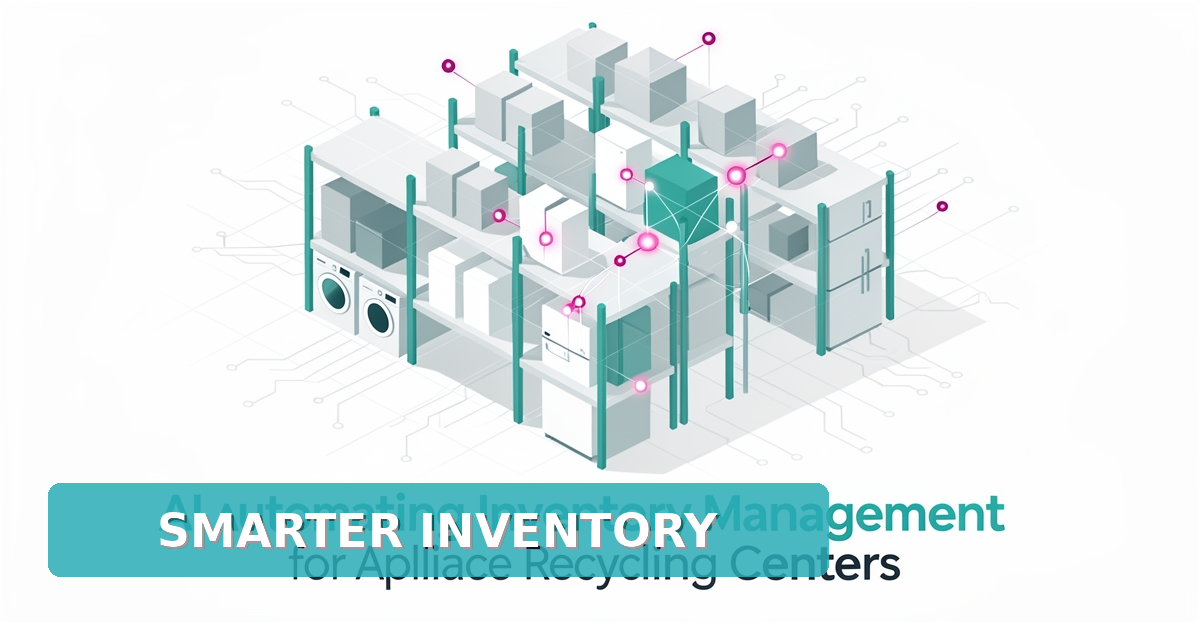
How AI Can Automate Inventory Management for Appliance Recycling Centers
Key Facts
- AI inventory systems typically reduce carrying costs and waste by giving operators real-time visibility into material flows
- Most well-scoped AI inventory initiatives pay for themselves within the first 6-18 months, depending on data quality and scope
- Roughly 12-24 months of historical intake and sales data is typically needed to identify seasonal trends for accurate AI forecasting
- Poor data quality is the most common cause of AI implementation failure, cleanup comes before modeling
- API-based integration lets AI read from and write to existing ERP and warehouse systems without rip-and-replace
- AIQ Labs has deployed 200+ multi-agent systems and runs 4 live SaaS products daily
Hire a team member that works 24/7 — for less than a part-time wage.
AI receptionists, SDRs, dispatchers and 99+ roles. Trained on your business, fully managed.
Not sure where to start? Ask our AI planner
The Inventory Challenge in Appliance Recycling
Appliance recycling centers face a daily struggle with unpredictable inbound flows of appliances, making it difficult to track mixed material types like metals, plastics, and refrigerants while managing limited storage space. Manual inventory methods lead to costly errors, overstocking, and stockouts, especially when facilities lack real-time visibility into their material streams. Across the industry, many operators are exploring AI but far fewer have a concrete roadmap for implementation, a critical gap between interest and action. This disconnect leaves many recycling centers relying on outdated processes that increase operational waste and reduce throughput. AI-powered inventory systems can transform this reactive approach by enabling real-time tracking of recyclable materials, predicting demand based on regional collection patterns, and optimizing storage allocation to prevent bottlenecks. For centers aiming to reduce waste and improve resource allocation, AI offers a proactive alternative to guesswork, turning inventory management from a cost center into a streamlined, data-driven operation. Facilities that adopt these systems early gain a competitive edge by minimizing manual labor, reducing errors, and aligning processing capacity with actual material inflows. The opportunity is clear: those who move beyond exploration to implementation will unlock measurable efficiency gains in an industry where precision directly impacts both environmental outcomes and bottom-line performance. AIQ Labs helps recycling centers bridge this gap by building custom AI systems that monitor inventory in real time and adapt to shifting material flows, ensuring operations remain agile and efficient.
How AI Transforms Recycling Inventory Operations
AI is transforming how recycling centers manage inventory by turning reactive processes into proactive, data-driven operations. With AI-powered systems, facilities can now track recyclable materials in real time using IoT sensors and computer vision, eliminating guesswork in material flow. This level of visibility ensures that valuable components like copper, aluminum, and plastics are properly accounted for from intake to processing, reducing loss and improving recovery rates.
Demand forecasting powered by machine learning allows centers to predict processing needs by analyzing regional appliance turnover rates, seasonal disposal patterns, and local economic indicators. By anticipating fluctuations in incoming volume, AI helps align labor, equipment, and storage capacity with actual demand, preventing bottlenecks during peak periods and underutilization during lulls. Automated reordering for processing supplies such as lubricants, conveyor belts, and safety gear further streamlines operations, triggering replenishment only when needed based on real-time consumption data.
For multi-location recycling networks, AI provides centralized oversight through unified dashboards that aggregate inventory levels, processing throughput, and material composition across sites. This enables smarter load balancing, redirecting overflow to underutilized facilities and optimizing transportation logistics. The technology stack behind these capabilities includes machine learning models for predictive analytics, IoT integrations for sensor data, and computer vision systems that identify and categorize materials via camera feeds. Operators who adopt these systems typically report lower inventory carrying costs while maintaining service levels, with well-scoped projects paying for themselves within 6-18 months. AIQ Labs builds custom systems that integrate these capabilities directly into existing workflows, ensuring seamless adoption without disrupting ongoing operations. By grounding every function in real-time data and continuous learning, AI turns inventory management from a cost center into a strategic advantage for sustainable recycling.
Traditional vs. AI-Powered Inventory: The Real Difference
Traditional inventory management in appliance recycling centers often operates on a reactive basis, relying on static rules and historical averages to guide decisions about what to store, when to reorder, and how much to allocate. This approach struggles to keep pace with fluctuating demand for recyclable materials, leading to either costly overstock of certain components or dangerous shortages that halt processing lines. In contrast, AI-powered inventory systems treat demand as a dynamic, multi-variable signal, continuously analyzing real-time inputs from multiple sources to anticipate needs before they arise.
AI transforms inventory management by shifting from guesswork to predictive intelligence. Where traditional methods depend primarily on past sales data and manual adjustments, AI systems ingest and analyze dozens of simultaneous data points, including historical trends, seasonal fluctuations, regional collection patterns, and even external factors like local appliance turnover rates or municipal recycling policies. This enables proactive decision-making rather than reactive scrambling, allowing recycling centers to align storage and processing capacity with actual material flow.
A side-by-side comparison highlights the fundamental differences in capability and efficiency. Traditional systems rely mainly on historical sales data, use manual or rule-based forecasting, and respond only after changes occur, resulting in slower decision speed and limited scalability. AI-powered systems, by contrast, leverage real-time, historical, and external data sources, employ automated and continuously improving predictive models, and anticipate demand shifts proactively. They also offer lower long-term maintenance through self-learning algorithms, higher flexibility in adapting to change, and significantly improved accuracy due to advanced data integration. While traditional methods may have lower initial setup costs, they incur higher long-term operational expenses from inefficiencies and manual processes. AI systems require a higher upfront investment but reduce long-term costs through automation, optimized inventory levels, and minimized waste, typically recouping that investment within the first 6-18 months when scoped properly.
For appliance recycling centers, this means AI can dynamically adjust storage allocation for metals, plastics, and rare earth elements based on predicted regional demand, preventing both bottlenecks in processing and unnecessary accumulation of low-value scrap. By integrating with existing ERP and warehouse systems via APIs, AIQ Labs' custom solutions enable real-time inventory tracking and automated reorder triggers that keep pace with actual material inflow, eliminating the guesswork that plagues traditional methods. The result is a more resilient, responsive operation that turns inventory management from a cost center into a strategic advantage.
Your Roadmap to AI-Powered Inventory Management
Appliance recycling centers can't afford reactive inventory. As AI adoption accelerates across warehousing and logistics in 2026, the shift from manual counts to predictive control is already underway, and operators who wait pay for it in waste, labor, and lost throughput.
Start with a system audit and data cleanup before any model is built. Map how materials enter, are tracked, and leave, and assess software compatibility with AI tools. Clean, standardized data is the foundation; ideally 12-24 months of intake and sales data is needed to identify seasonal trends. Fix naming conventions, duplicate entries, and supplier lead times first.
Set measurable goals tied to operations, not technology. Define a baseline and target outcomes like cutting stockouts or lowering excess inventory costs by a specific percentage. Clear metrics make pilot success visible to the team and give you a defensible basis for scaling.
Launch a focused pilot with 50-100 top items over 3-6 months. Run parallel systems, define success metrics, and involve key staff early. A narrow pilot proves value without disrupting the whole facility, and most well-run initiatives reach payback within 6-18 months.
Scale in phases, not all at once. Expand to new material categories every 2-4 weeks after the pilot validates performance. Integration happens via APIs rather than rip-and-replace, so AI can read from and write to existing ERP and warehouse systems to trigger reorder suggestions and storage allocations.
Change management earns trust. Planners need to understand why the system recommends what it does, or they will route around it. Show reasoning, pilot with willing teams, and let results build adoption.
Custom systems built for recycling operations outperform generic software. AIQ Labs builds custom AI systems that monitor and update inventory in real time for recycling centers, tracking recyclable materials, predicting demand from regional data, and optimizing storage allocation. Integration with existing systems via APIs keeps operations continuous while adding predictive capability. For centers that want to start with a single high-cost workflow instead of a full build, a scoped AI Workflow Build is a fixed-price, phased entry point.
A practical roadmap looks like this:
- Audit current processes, software, and data quality
- Clean and standardize 12-24 months of historical data
- Set measurable goals, e.g., stockout reduction targets
- Run 3-6 month pilot on 50-100 top items
- Scale phased rollout with API integration and team training
Early, disciplined implementation creates a durable operational advantage, especially as labor costs keep rising and competitors begin automating.
Getting Started: From Pilot to Full Automation
Most appliance recycling centers face real barriers when adopting AI for inventory management, data quality issues, legacy system limitations, and skills gaps are the most common. Poor data quality is the leading cause of AI implementation failure, requiring organizations to clean and standardize data before deployment. Legacy systems often don't communicate with modern AI out of the box, necessitating integration through APIs and middleware rather than costly rip-and-replace efforts. Additionally, talent shortages can stall progress, making external partnership and knowledge transfer essential for sustainable adoption.
Despite these challenges, the business case for action is strong. Well-scoped AI inventory initiatives typically pay for themselves within 6-18 months, and AI enables real-time tracking, predictive demand forecasting, and automated reordering, directly addressing the pain points of overstock, stockouts, and inefficient storage in recycling operations. Every month spent on manual counts is a month of avoidable waste and labor cost. AIQ Labs helps recycling centers overcome these barriers by building custom, owned AI systems that integrate with existing tools, starting with a free strategy call to assess fit and identify high-ROI opportunities.
Through flexible engagement models, Start Monthly, Build in Milestones, or Own It Outright, centers can begin small and scale with confidence, retaining full ownership of their AI assets with no vendor lock-in. This approach ensures that AI becomes a sustainable, long-term capability rather than a temporary fix. Start the Fit Check to begin with a two-minute assessment, then schedule a free 30-minute strategy call to map your biggest bottlenecks and explore how AI can transform your inventory management.
Still paying for 10+ subscriptions that don’t talk to each other?
We build custom AI systems you own outright. No vendor lock-in. Full control.
Not sure where to start? Ask our AI planner
Frequently Asked Questions
How much can AI actually reduce inventory costs for an appliance recycling center?
What kind of ROI timeline should we expect from implementing AI inventory management?
We have messy data and legacy systems, can we still implement AI without a full rip-and-replace?
How much historical data do we need before AI can forecast demand for recyclable materials?
Is AI inventory management only for large facilities, or can smaller recycling centers benefit too?
What's the biggest reason AI inventory projects fail, and how do we avoid it?
Turn Inventory Guesswork into Strategic Advantage
Appliance recycling centers no longer need to rely on manual counts and reactive fixes to manage unpredictable material flows. AI-powered inventory systems turn real-time data into proactive decisions, tracking metals, plastics, and refrigerants with precision, forecasting demand using regional patterns, and optimizing storage to prevent bottlenecks. Operators typically see lower carrying costs and payback within 6-18 months on well-scoped builds. The path forward starts with auditing your current processes, cleaning your data, and launching a focused pilot on high-impact items. AIQ Labs helps recycling centers navigate this journey with custom-built systems that integrate via API, ensuring you retain full ownership while gaining predictive control. To see where AI can unlock measurable efficiency in your operation, start with a two-minute Fit Check to assess your readiness and identify your highest-ROI opportunity.
Make AI your competitive advantage — not just another tool.
Strategy, implementation and ongoing optimization. One partner, end to end.
Not sure where to start? Ask our AI planner