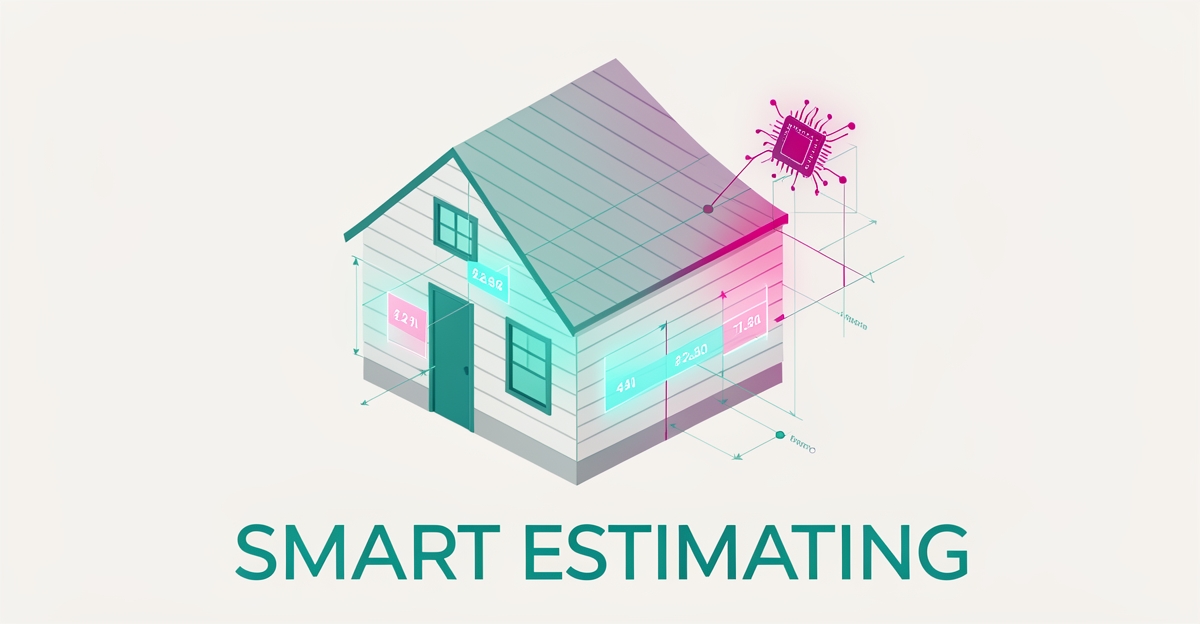
How AI Can Cut Material Waste in Siding Projects Through Smart Estimating
Key Facts
- Manual siding takeoffs are slow and error-prone; AI-assisted takeoffs typically cut measuring and counting time dramatically compared to tape-and-spreadsheet methods
- Waste margins are often padded to cover estimating uncertainty, precise AI takeoffs let you shrink that padding without risking shortages
- Faster takeoffs mean contractors can bid more jobs in the same week, without adding estimating headcount
- Over-ordering ties up cash in material that sits in the yard, gets damaged, or never gets returned
- Accurate, itemized estimates build client trust and reduce mid-project change-order disputes
- AIQ Labs has deployed 200+ multi-agent systems and runs 4 live SaaS products daily, estimating automation is a proven category, not a lab experiment
Hire a team member that works 24/7 — for less than a part-time wage.
AI receptionists, SDRs, dispatchers and 99+ roles. Trained on your business, fully managed.
Not sure where to start? Ask our AI planner
The Hidden Cost of Inaccurate Siding Estimates
Siding is unforgiving material. Every elevation, gable, dormer, and opening changes the math, and a small measuring mistake multiplies across squares of material. When contractors aren't confident in the numbers, the standard fix is padding the order, adding an extra 10–15% (or more) of waste margin to make sure the crew doesn't run short mid-job.
That padding is where the money leaks. Over-ordered siding sits in the yard, gets scratched or warped, and often can't be returned once it's left the supplier. Worse, the habit compounds: every uncertain estimate gets padded, every padded order ties up cash, and every tied-up dollar is a dollar not spent on labor, marketing, or the next job's deposit.
There's also a bid-side cost. Slow, manual takeoffs mean fewer bids going out each week, and rushed takeoffs mean errors that show up as change orders, awkward client conversations, and margin erosion. The problem isn't effort, it's that the estimating process itself is built on guesswork layered over arithmetic.
How AI-Powered Estimating Reduces Waste Through Precision
AI-powered estimating attacks waste at its source: the measurement and calculation stage. Instead of a person reading plans with a scale ruler and a spreadsheet, an AI system processes the drawings, identifies wall areas, openings, and elevation details, and applies the correct overlap, exposure, and cut-loss rules for the specific siding profile you're using.
Three things change as a result:
- Consistent measurements. The system doesn't get tired on the fourth elevation of the day. Every wall is measured the same way, every time, which removes the small errors that drive padding.
- Profile-aware waste margins. Different siding products waste differently, lap siding, panels, and vertical profiles each have their own cut-loss patterns. AI can apply the right margin per product instead of one blanket number.
- Confidence to order tight. When the takeoff is precise, you can shrink the safety padding from "whatever feels safe" to a margin that reflects actual cut loss and breakage. That's the direct waste reduction.
The result isn't magic, it's arithmetic done faster and more consistently than a human can do it, with the assumptions visible instead of buried in someone's head. And because the estimate is itemized, you can show the client exactly what they're paying for, which builds trust before the first nail goes in.
From Waste Reduction to Business Growth: Real Impact of AI Estimating
Waste reduction is the most visible win, but it's not the only one. When estimating stops being the bottleneck, the business effects compound:
- More bids out the door. If takeoffs take hours instead of days, you can quote more jobs per week with the same team, more shots on goal without more overhead.
- Faster response times. Homeowners often award the job to the contractor who answers first with a credible number. Speed is a competitive weapon.
- Cleaner closeouts. Accurate orders mean fewer mid-project supply runs, fewer change orders, and fewer end-of-job disputes over "you said it would be X." That protects both margin and reputation.
- Better data for the next job. Every AI-assisted estimate becomes a record you can compare against actual usage, so your waste margins get sharper over time instead of staying stuck at a guess.
Contractors who tighten this loop typically find that the estimating improvement pays twice: once in material not wasted, and once in jobs won that previously went to a faster competitor.
Implementing AI Estimating: A Practical Path for Siding Contractors
You don't rip out your whole operation on day one. The practical path is to rebuild the one workflow that costs you the most, estimating, and prove the numbers before expanding. AIQ Labs builds exactly this kind of focused automation:
- Map the current workflow. How long does a takeoff take today? What's your standard waste margin? Where do errors show up? You can't improve what you haven't measured.
- Automate the takeoff and calculation step. An AI Workflow Build rebuilds your estimating workflow at a fixed price, in phases, so you see results on real jobs before committing further.
- Compare AI estimates to actual usage. Run the AI numbers alongside your usual process for a few projects. When the AI takeoffs hold up, shrink your waste margins accordingly.
- Scale what works. Once estimating is reliable, the same approach can extend to quoting, scheduling, and client communication, either as additional workflow builds or as a connected AI Operating System your business owns outright.
If you'd rather start with an extra pair of hands than a new system, AI Employees can handle estimating support, quote follow-ups, and customer intake at a fraction of the cost of a human hire.
Still paying for 10+ subscriptions that don’t talk to each other?
We build custom AI systems you own outright. No vendor lock-in. Full control.
Not sure where to start? Ask our AI planner
Frequently Asked Questions
How much time can AI-powered estimating tools save on siding project takeoffs?
How accurate are AI-powered estimating tools for siding projects?
Can AI estimating tools help contractors submit more bids each week?
What revenue impact can contractors expect from AI estimating?
Are AI estimating tools difficult to learn for siding contractors?
How do I get started with AI estimating for my siding business?
Turn Waste Into Wins With Smarter Estimating
AI-powered estimating changes the economics of siding work by cutting material waste, speeding up bids, and replacing padded guesses with numbers you can defend. When the system handles the dimensions, overlap, and waste margins, your team spends less time measuring and more time installing, and your clients get an itemized estimate they can trust. The result isn't just lower material costs; it's faster project starts, fewer disputes, and a real edge in a competitive market. If you're ready to see where smart estimating fits your business, start with the 2-minute Fit Check at AIQ Labs, then book your free 30-minute strategy call. You'll find out exactly which workflow to rebuild first, and what it takes to make estimating a strength instead of a bottleneck.
Make AI your competitive advantage — not just another tool.
Strategy, implementation and ongoing optimization. One partner, end to end.
Not sure where to start? Ask our AI planner