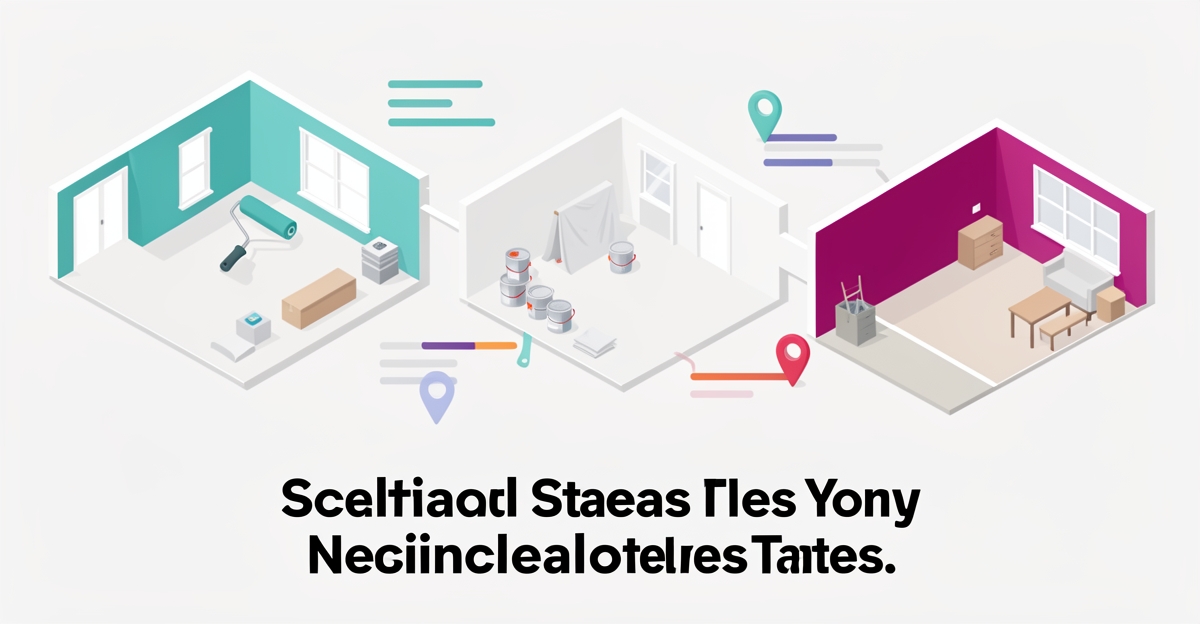
How AI Can Help Interior Painting Contractors Manage Multiple Job Sites Without Overbooking
Key Facts
- AI scheduling prevents overbooking by analyzing job site proximity, crew availability, and material delivery windows in real time
- Integration with Google Maps and job management software lets AI enhance existing workflows without disruption
- AI-powered scheduling reduces cognitive load on dispatchers by proactively monitoring for traffic delays and late material shipments
- AI can surface micro-gaps between jobs, suggest efficient sequencing, and flag material shortfalls hours ahead of start time
- Contractors typically see the biggest gains when scheduling logic is embedded into tools crews already use, not bolted on afterward
Hire a team member that works 24/7 — for less than a part-time wage.
AI receptionists, SDRs, dispatchers and 99+ roles. Trained on your business, fully managed.
Not sure where to start? Ask our AI planner
The Multi-Site Overbooking Trap
For interior painting contractors managing multiple job sites, the path to overbooking is often paved with good intentions and fragmented scheduling. A contractor might book a crew for a downtown residential job in the morning, then schedule the same team for a suburban commercial site that afternoon, only to realize travel time, unexpected delays, or material delivery windows make both commitments impossible. This isn't just a logistical hiccup; it's a revenue and reputation killer. Double-booking crews leads to idle labor costs, rushed work, and frustrated clients who notice when crews show up late or not at all. Mismatched material deliveries mean crews wait idly for paint and supplies, burning hours that could have been spent on another site. Travel time miscalculations across dispersed job sites compound these issues, turning what should be a productive day into a cascade of delays. The result? Lost revenue from idle teams, damaged client trust, and a reputation for unreliability that's hard to rebuild in a competitive local market. AIQ Labs helps contractors turn this trap into an opportunity by analyzing proximity, availability, and delivery windows in real time, preventing overbooking before it happens.
AI Scheduling That Reads Proximity, People, and Materials
Managing multiple paint crews across a city usually means spreadsheets, phone calls, and last-minute scrambles when two jobs land in the same zip code. AI scheduling removes the guesswork by reading proximity, people, and materials at the same time.
The system pulls live job site locations and calculates drive times between stops using mapping data, then matches those windows to crew skill sets and current availability. Material delivery windows are layered in so paint and supplies arrive before the team does, not after. This real-time triangulation prevents overbooking before it happens.
The optimization is not just about routes; it is about protecting margins and reputation when crews show up on time, prepared. Every conflict the system catches before dispatch is a client conversation you never have to have.
Integration matters because AI works best inside the tools crews already use. When scheduling intelligence connects to Google Maps and job management software, dispatchers see recommendations without switching platforms. That's the difference between automation that gets adopted and automation that gets ignored.
For painting operations, that translates into capacity that was previously invisible. AI can surface micro-gaps between jobs, suggest efficient sequencing, and flag material shortfalls hours ahead of a start time.
Proximity-aware routing clusters jobs by geography and travel time, reducing dead miles and overtime. People-aware assignment matches crew certifications and workload history to job complexity. Material-aware timing aligns deliveries with crew arrival to avoid idle time.
The result is a schedule that adapts as conditions change. If traffic delays a delivery or a crew finishes early, the AI re-optimizes the day and proposes alternative slots to customers automatically.
AIQ Labs builds custom scheduling and dispatch systems that integrate with existing tools like Google Maps and job management software, so contractors can keep their current workflows while adding intelligent automation underneath. This is the core of our [AI Workflow Builds](/workflow-builds) approach: rebuild the one workflow that costs you the most, here, multi-site scheduling, without ripping out everything else.
Teams using this approach typically report fewer missed starts, less double-booking, and clearer visibility across multiple sites. The shift is from reactive firefighting to proactive control, with data flowing in real time instead of after the day is done.
- Real-time proximity scoring between active and upcoming job sites
- Crew availability matched to skill requirements and hours
- Material delivery windows synced to crew arrival times
- Automatic re-routing when delays or changes occur
Scheduling becomes a system that learns, not a calendar that gets overwritten.
Integrating AI With Google Maps and Job Management Software
AI can transform how interior painting contractors manage multiple job sites without disrupting their existing workflows. Rather than replacing current tools, AI enhances them by analyzing job site proximity, team availability, and material delivery windows to prevent overbooking. This kind of integration lets teams keep using Google Maps for navigation and their preferred job management software while gaining real-time insights that prevent conflicts before they happen.
By connecting with existing platforms through secure APIs, AI acts as an intelligent layer that continuously evaluates scheduling constraints. It cross-references crew locations from GPS data, material delivery timelines from supplier systems, and job complexity from historical records to suggest optimal dispatch sequences. This eliminates manual calendar juggling and reduces the risk of sending teams to overlapping sites.
The integration works because AI doesn't demand a complete overhaul, it adapts to what contractors already use. For example, when a new job is entered into the system, AI automatically checks travel times via Google Maps, verifies crew availability against existing bookings, and flags potential material delivery clashes. If a conflict arises, it proposes alternative time slots or crew assignments without requiring users to leave their primary interface.
AI-powered scheduling reduces cognitive load on dispatchers by continuously monitoring for risks like traffic delays or late material shipments that could trigger cascading delays. Instead of reacting to problems after they occur, contractors gain foresight, allowing them to adjust schedules proactively while maintaining service reliability. This predictive capability is especially valuable in interior painting, where weather-independent indoor work still depends on precise sequencing of prep, priming, and coating phases across multiple homes or commercial spaces.
The real power lies in augmentation, not replacement. Contractors retain full control over their workflows while AI handles the complex calculations behind optimal routing and resource allocation. By integrating AI into tools like Google Maps and job management platforms, painting contractors create a resilient system that scales with their business, preventing overbooking not through rigid rules, but through intelligent, adaptive coordination that feels invisible yet delivers measurable results.
From Pilot to Owned System
Moving from a pilot to a production system is where most painting contractors either lock in gains or lose momentum. The goal is to keep the scheduling logic that prevents overbooking while making it a permanent part of daily operations.
A practical rollout starts with a focused pilot that mirrors real job conditions. Contractors who integrate AI into existing tools and workflows typically see improved productivity and efficiency, especially when the system analyzes job site proximity, team availability, and material delivery windows to optimize scheduling and prevent overbooking.
Start Monthly lets teams test one workflow with minimal commitment. It is setup plus a flat monthly plan, with build, training, integrations, monitoring, and improvements included. Pause or adjust anytime. This model fits crews that want to prove scheduling automation on a single route before expanding.
Build in Milestones is designed for a department-level system. The build is split into phases, you approve and pay for each phase as it ships, and you can stop anytime while keeping everything built so far. For painting operations this often means phase one covers proximity and availability, phase two adds material delivery windows and Google Maps integration, and phase three adds job management software sync.
Own It Outright delivers a full AI operating system with full ownership of code, agents, and data when complete. This path works for contractors who want a central intelligence hub for multiple crews and want to eliminate subscription dependency long term. It is the difference between renting software and owning the [AI Operating System](/ai-operating-systems) that runs your dispatch.
Implementation should protect the gains already shown. Integration with existing tools is the critical success factor, not replacing them. Clean data and clear handoffs between dispatch, field leads, and suppliers reduce rework and keep the model accurate.
A staged adoption plan helps:
- Map current scheduling pain points and data sources for sites, crews, and deliveries
- Run a limited pilot on one territory with AI proximity and availability scoring
- Validate double-booking reduction and crew utilization before scaling
- Expand to material delivery windows and automated job management updates
- Transfer ownership and train internal leads for ongoing optimization
AIQ Labs supports this progression through custom AI workflow and integration services that connect CRM, project management, and scheduling tools with automated data synchronization. With 200+ multi-agent systems deployed and four live SaaS products we run daily, we build systems contractors own and control, designed to prevent overbooking at scale rather than as a temporary experiment. For contractors who also want AI handling inbound calls and quote requests while crews are on ladders, our [AI Employees](/ai-employees) cover roles like receptionists and dispatchers at a fraction of a human hire's cost.
Still paying for 10+ subscriptions that don’t talk to each other?
We build custom AI systems you own outright. No vendor lock-in. Full control.
Not sure where to start? Ask our AI planner
Frequently Asked Questions
How can AI help prevent overbooking when managing multiple interior painting job sites?
Do I need to replace my current tools like Google Maps or job management software to use AI scheduling?
What specific data does AI use to optimize painting crew schedules across multiple sites?
Is AI scheduling only useful for large painting companies with many crews?
How quickly can I see results from implementing AI for job site scheduling?
What happens if a material delivery is delayed or traffic changes during the day?
Your Schedule Should Work as Hard as Your Crews Do
Overbooking isn't a discipline problem, it's a visibility problem. When job site proximity, crew availability, and material delivery windows live in three different places, even the most careful contractor ends up with idle crews, rushed work, and frustrated clients. AI scheduling solves that by reading all three variables in real time, integrating with the Google Maps and job management software you already use, and adapting the moment conditions change. And the shift is permanent when you own the system: whether you start with a single pilot route on a flat monthly plan, build in phases, or take full ownership of a custom AI scheduling hub, the goal is the same, proactive control instead of reactive firefighting. Take the two-minute Fit Check at [aiqlabs.ai/apply](/apply), then book a free 30-minute strategy call to map your scheduling bottleneck, and if there's no clear win, we'll tell you that too.
Make AI your competitive advantage — not just another tool.
Strategy, implementation and ongoing optimization. One partner, end to end.
Not sure where to start? Ask our AI planner