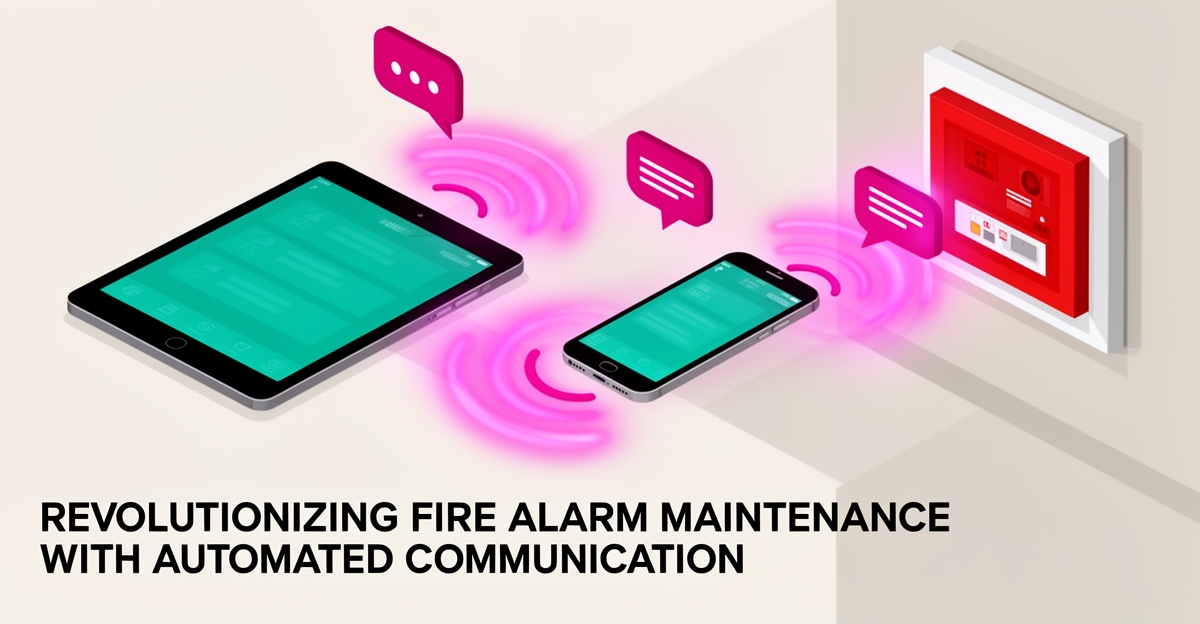
How AI Can Improve Communication Between Fire Alarm Technicians and Clients
Key Facts
- AI automation can cut manual outreach workload substantially, many field service teams report reductions of 80% or more on routine client messaging
- Support workloads can drop by as much as half when routine client communication is automated, freeing technicians for higher-value work
- Well-configured AI messaging systems typically keep email bounce rates low, ensuring updates reliably reach clients
- Each site visit for fire alarm maintenance carries significant cost once technician time, travel, and administrative overhead are factored in, making non-billable outreach expensive
- Fire alarm technicians typically need several years of related experience in security or fire panel monitoring, so their time is too valuable to spend on manual outreach
- Consistent, proactive client engagement is one of the most effective ways to reduce service complaints in field service businesses
Hire a team member that works 24/7 — for less than a part-time wage.
AI receptionists, SDRs, dispatchers and 99+ roles. Trained on your business, fully managed.
Not sure where to start? Ask our AI planner
The Communication Gap in Fire Alarm Services
Fire alarm technicians often struggle to maintain consistent communication with clients throughout the service lifecycle, leading to frustration and missed opportunities for trust-building. Many technicians spend significant time on manual outreach that could be automated, while clients frequently cite inconsistent updates as a primary source of dissatisfaction. Fire alarm work typically demands years of related experience in security or fire panel monitoring, yet even seasoned professionals face challenges delivering timely, personalized communication across multiple client touchpoints.
The financial burden of manual communication compounds these challenges. Each site visit for maintenance or repairs carries meaningful cost once you account for technician time, travel, and administrative overhead. That cost structure pressures teams to minimize non-billable activities, often resulting in rushed or skipped client updates. This makes it hard to justify spending time on proactive communication that doesn't directly generate revenue, even though such outreach significantly impacts client retention and satisfaction.
Common communication gaps include inconsistent pre-job notifications about scheduling and preparation requirements, missed post-installation follow-ups to verify system functionality, and irregular safety education that leaves clients uncertain about proper alarm maintenance. These gaps frequently escalate into service complaints when clients feel uninformed or unprepared for technician visits. AI automation directly addresses these inefficiencies while maintaining communication quality.
- Pre-job updates about scheduling, site access, and preparation requirements
- Post-installation check-ins to verify system functionality and address initial concerns
- Regular safety tips educating clients on proper system usage and maintenance
- Maintenance reminders scheduled according to manufacturer specifications
- Satisfaction surveys and feedback collection opportunities
Bridging this communication gap requires solutions that integrate with existing technician workflows rather than adding complexity. By automating routine touchpoints while preserving human oversight for complex situations, fire alarm companies can turn communication from a pain point into a competitive advantage that builds client trust and reduces costly service complaints. AIQ Labs approaches this through targeted workflow builds that rebuild the one communication process costing you the most.
How AI Powers Consistent, Personalized Client Communication
AI agents are transforming how fire alarm technicians communicate with clients by delivering consistent, personalized interactions throughout the service journey. From pre-job preparation to post-installation follow-up, AI-powered systems ensure every client receives timely, relevant information that builds trust and reduces frustration. This directly addresses industry pain points where inconsistent communication often leads to service complaints and diminished client confidence.
AIQ Labs deploys AI agents that automate routine touchpoints while preserving a human-like touch, enabling technicians to focus on complex tasks. These agents send pre-job updates confirming scheduling, outlining preparation requirements, and introducing the assigned technician, reducing no-shows and last-minute cancellations. Teams using AI-driven outreach consistently report major time savings compared to manual research and outreach, and AIQ Labs has deployed 200+ multi-agent systems across field service and other industries.
Following installation, AI agents initiate structured check-in sequences to verify system functionality, deliver personalized safety tips based on the installed equipment, and schedule maintenance reminders. Automated post-job communication can cut support workloads substantially, often by as much as half, allowing teams to reallocate resources toward higher-value client interactions. Well-configured systems also keep deliverability high, so messages reliably reach clients instead of getting lost in spam filters.
These AI-driven communications create a seamless experience where clients feel informed and supported at every stage. By handling routine updates automatically, technicians can dedicate more time to addressing specific client concerns and providing expert guidance during complex installations. The result is not only improved operational efficiency but also stronger client relationships built on transparency, reliability, and proactive education, key factors in reducing service complaints and fostering long-term trust in fire safety providers.
Implementing AI Communication: A Practical Framework for Fire Alarm Companies
Implementing AI communication tools starts with identifying specific pain points in your current client interactions. Inconsistent communication practices often lead to client frustration and service complaints, particularly when technicians fail to provide timely updates or clear preparation instructions. AI systems address these gaps by delivering standardized, consistent messaging that reduces variability caused by technician availability or skill level. This foundation ensures automated communications align with actual client needs rather than adding complexity to existing workflows.
Selecting compatible AI platforms involves evaluating tools that integrate with your current scheduling, CRM, and communication systems. The best implementations run AI within your existing channels rather than requiring new platforms. For fire alarm companies, this means choosing solutions that connect with job management software and client databases to trigger communications based on real-time job progress. Proper integration prevents additional administrative burdens while enabling AI to access the data needed for personalized updates.
Defining clear communication triggers establishes when automated messages should be sent throughout the customer lifecycle. Key triggers include job scheduled, technician en route, job completed, and system check due dates, each prompting specific client communications. For example, pre-job updates can confirm appointments and share preparation requirements, while post-installation sequences verify system functionality and deliver safety tips. Trigger-based automation removes the repetitive tasks that eat technician hours and can cut support workloads significantly, freeing your team for complex technical work.
Maintaining human oversight remains critical even with automated systems in place. AI should handle routine communications like scheduling confirmations and safety tip deliveries, but escalate complex client concerns or technical questions to human technicians. This preserves the personal touch where judgment matters while ensuring consistency for routine interactions. AIQ Labs supports this balanced approach through AI Employees that manage predictable workflows and escalate exceptions to your team, creating a communication strategy that scales efficiently while protecting service quality. You can start monthly, build in milestones, or own the system outright, depending on how central communication is to your operation.
Still paying for 10+ subscriptions that don’t talk to each other?
We build custom AI systems you own outright. No vendor lock-in. Full control.
Not sure where to start? Ask our AI planner
Frequently Asked Questions
How can AI actually improve communication between fire alarm technicians and clients?
What kinds of client communications can be automated for a fire alarm service business?
Won't automated messages feel impersonal to my clients?
Is it worth the investment if my technicians are already busy with billable work?
Do I need to replace my current scheduling or CRM software to use AI communication tools?
What's the biggest mistake fire alarm companies make when implementing AI communication?
From Communication Gaps to Client Trust: Turning AI Into Your Competitive Edge
Fire alarm technicians face real challenges in maintaining consistent, personalized communication, from missed pre-job updates to inconsistent post-installation follow-ups, leading to frustrated clients and costly service complaints. With every site visit carrying meaningful cost in technician time, travel, and overhead, inefficient communication isn't just a relational issue; it's a financial one. AI-powered communication tools offer a practical solution: automating routine touchpoints like scheduling confirmations, safety tips, and maintenance reminders while preserving human oversight for complex interactions. This approach reduces manual outreach dramatically, supports faster response times, and builds lasting client trust through reliable, transparent communication. For fire alarm companies looking to turn this pain point into a competitive advantage, the next step is identifying where AI can integrate into existing workflows. Start with AIQ Labs' 2-minute Fit Check, then book a free 30-minute strategy call to map your biggest opportunities, no obligation, just clarity on where AI fits your business.
Make AI your competitive advantage — not just another tool.
Strategy, implementation and ongoing optimization. One partner, end to end.
Not sure where to start? Ask our AI planner