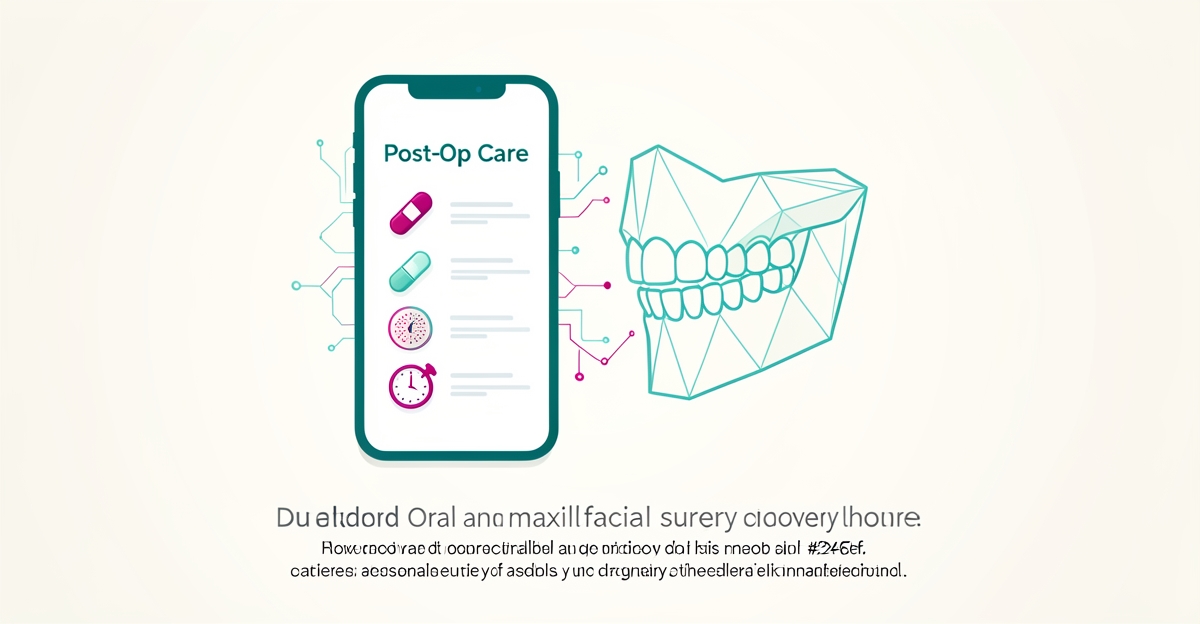
How AI Can Improve Post-Op Care Instructions for Oral & Maxillofacial Surgery Patients
Key Facts
- Industry analyses suggest a substantial share of patients, often cited around 40%, are unclear about post-operative care instructions after discharge according to industry analysis
- Clinical research has found that many patients, some studies report up to 60%, misunderstand medication indication, dose, or frequency after oral surgery per clinical studies
- One study found a meaningful share of AI-generated discharge instructions contained potentially harmful safety issues, underscoring the need for clinical review research shows
- AI can reformat medication instructions into Universal Medication Schedule-style formats to simplify dosing studies indicate
- Implementation case studies report meaningful reductions in development time when AI post-op systems integrate directly with existing records per implementation case study
- Even modest reductions in readmissions can produce significant annual savings for high-volume practices industry analysis estimates
- Human-in-the-loop review is essential to ensure AI-generated instructions match specific procedures and comorbidities safety protocols require
Hire a team member that works 24/7 — for less than a part-time wage.
AI receptionists, SDRs, dispatchers and 99+ roles. Trained on your business, fully managed.
Not sure where to start? Ask our AI planner
The Critical Gap in Post-Op Care for Oral Surgery Patients
Many oral surgery patients leave the clinic feeling uncertain about their recovery steps, creating a critical gap in post-operative care. Industry analyses suggest that a large share of patients, often cited around 40%, are unclear about care instructions after discharge, which can lead to improper wound care, delayed healing, and avoidable complications according to industry analysis. This lack of clarity often stems from generic, one-size-fits-all discharge materials that don't account for individual patient needs or anxiety levels during recovery.
Medication misunderstandings further compound the problem. Clinical research has found that many patients, some studies report figures as high as 60%, are confused about the indication, dose, or frequency of prescribed drugs after oral and maxillofacial surgery per clinical studies. These errors increase the risk of under-treatment, overdose, or adverse drug interactions, especially concerning given the common use of opioids, antibiotics, and anti-inflammatories in oral surgery recovery. When patients don't know how or when to take their medications, pain management suffers and infection risks rise.
- Misunderstood wound care instructions leading to dry socket or infection
- Incorrect medication timing causing breakthrough pain or bleeding
- Missed follow-up appointments due to poor reminder systems
- Increased patient anxiety from unclear recovery expectations
- Higher rates of preventable readmissions and emergency visits
These knowledge gaps directly impact clinical outcomes and healthcare efficiency. Patients who misunderstand post-op instructions are more likely to experience complications that require unplanned interventions, driving up costs and straining surgical teams. For oral and maxillofacial practices, this translates into avoidable follow-up calls, emergency visits, and diminished patient trust, all preventable with clearer, more accessible discharge guidance. AIQ Labs addresses this challenge through [AI Workflow Builds](/workflow-builds) that rebuild the discharge-communication workflow around personalized, adaptive care instructions delivered through secure, automated channels, helping patients stay informed and compliant throughout recovery.
How AI Delivers Personalized, Adaptive Post-Op Instructions
AI-powered post-operative care systems are transforming how oral and maxillofacial surgery patients receive recovery guidance by delivering tailored instructions through secure, automated messaging. These systems generate customized medication schedules, wound care protocols, and appointment reminders based on individual patient data, then adapt over time by learning from patient responses and engagement patterns. This dynamic personalization helps address the widespread confusion around discharge guidance, ensuring instructions are both relevant and actionable.
One of the key efficiencies of AI in post-op care is its ability to streamline clinical workflows. AI can reformat medication instructions into Universal Medication Schedule (UMS)-style formats, simplifying complex dosing regimens into standardized, easy-to-follow instructions studies indicate. This capability directly tackles the widespread issue of patients misunderstanding medication indications, doses, or frequencies after discharge. By presenting medication information in a clear, consistent format, AI reduces confusion and supports better adherence during recovery.
- Generates personalized medication schedules using patient-specific data
- Delivers wound care guidance and follow-up reminders via secure messaging
- Learns from patient responses to improve instruction relevance over time
- Integrates with EHR systems to ensure clinical accuracy and continuity of care
- Reduces development overhead through automated workflow construction
AI systems also integrate with electronic health records (EHRs), allowing care instructions to be informed by real-time clinical data and updated as recovery progresses. This integration supports safer, more accurate guidance while reducing the administrative burden on surgical teams. As noted in implementation studies, AI-powered post-operative follow-up can reduce reliance on manual calls and ad-hoc check-ins, freeing up staff to focus on higher-value patient interactions. For practices looking to adopt these capabilities, AIQ Labs deploys [AI Employees](/ai-employees), managed AI staff that integrate with practice systems and handle routine patient communication at a fraction of the cost of additional hires, delivering personalized, adaptive post-op care at scale.
Ensuring Safety and Accuracy in AI-Generated Care Instructions
Patient safety can't be an afterthought when AI drafts discharge instructions. For oral and maxillofacial surgery, where medication timing, wound care, and swelling management are critical, even small errors can cascade into complications.
Research shows the risk is real. A study of AI-generated discharge instructions found that a meaningful share, reported at roughly 18% in that research, contained potentially harmful safety issues. That concern is amplified by baseline confusion, with industry research suggesting many patients are unclear about care instructions after discharge.
Medication understanding is a particular vulnerability. The same research on AI-generated instructions noted widespread patient misunderstandings about indication, dose, or frequency after discharge. In this context, automated messaging must be paired with safeguards, not deployed in isolation.
Human-in-the-loop review is the essential control layer. AI can personalize medication schedules, wound care tips, and follow-up reminders through secure automated messaging, but clinical review ensures instructions match the specific procedure, comorbidities, and prescribing preferences.
Validation protocols should be built before go-live and maintained over time. AIQ Labs builds these systems in milestones with review checkpoints embedded in the workflow from day one, never bolted on afterward.
Effective safety governance typically includes:
- Clinical validation of every instruction template against specialty protocols and EHR data fields
- Human review of AI outputs for high-risk elements such as opioids, antibiotics, and bleeding precautions
- Continuous monitoring of patient responses to detect confusion, adverse events, or repeated questions
- Audit trails and escalation paths for instructions that fall outside standard parameters
Continuous monitoring closes the loop. Because AI systems learn from patient responses and adapt over time, safety monitoring must also adapt. Tracking adherence signals, readmission risk flags, and patient-reported outcomes allows teams to refine prompts and guardrails.
This balance preserves efficiency gains while protecting patients. Automated post-operative follow-up can reduce reliance on manual calls and ad-hoc check-ins, yet human oversight remains non-negotiable for clinical accuracy. With structured review, validation, and monitoring, practices can leverage AI's personalization without accepting preventable safety risk.
Implementation: From EHR Integration to Measurable Outcomes
Moving from concept to clinic requires a deliberate integration strategy that connects AI directly into existing clinical workflows. The first step is embedding the system within the electronic health record so that procedure codes, medication lists, and follow-up dates flow automatically into the messaging engine. Implementation case studies report meaningful reductions in development time when this direct-integration approach is used, allowing faster deployment without custom middleware (CarePlan AI case study). Once connected, the platform can trigger personalized instruction sequences, wound care timelines, medication tapers, appointment reminders, based on the specific surgery performed.
- Map discharge protocols to structured EHR data fields for automated triggering
- Configure multi-channel delivery (SMS, email, patient portal) with opt-in consent tracking
- Establish clinical review checkpoints before AI-generated content reaches patients
- Define escalation paths for patient responses indicating complications or confusion
Validation remains non-negotiable. Research has found that a meaningful share of AI-generated discharge instructions can contain potentially harmful safety issues, making human-in-the-loop review essential before any message sends. Successful implementations use a tiered approach: AI drafts personalized content using structured clinical data, a clinician approves the template library, and the system handles only runtime personalization within those guardrails. This balances efficiency with the safety standards oral surgery demands.
The financial case sharpens quickly when readmissions drop. Industry analyses estimate that even a 10% reduction in readmissions can produce substantial annual savings in high-cost patient populations, and similar dynamics apply to surgical complications caught early through automated check-ins (industry analysis). Vozo Health documented how their platform gave surgical teams "much better visibility" into recovery updates and symptom tracking, replacing the manual calls and scattered notes that previously defined post-op follow-up (Vozo Health case study). Practices working with AIQ Labs apply the same architecture, [AI Employees](/ai-employees) that integrate with practice management systems, learn from patient interactions, and operate within HIPAA-compliant guardrails, to turn post-discharge communication from a liability into a measurable asset. Larger practices ready to connect everything into one operating layer can explore an [AI Operating System](/ai-operating-systems) built in phases and owned outright.
Still paying for 10+ subscriptions that don’t talk to each other?
We build custom AI systems you own outright. No vendor lock-in. Full control.
Not sure where to start? Ask our AI planner
Frequently Asked Questions
How does AI improve patient understanding of post-op instructions after oral surgery?
Can AI reduce medication confusion for oral surgery patients?
Are AI-generated post-op instructions safe for oral and maxillofacial surgery patients?
How does AI integrate with existing dental or surgical practice systems?
What kind of results can oral surgery practices expect from using AI for post-op care?
Is AI meant to replace clinical staff in post-operative care?
From Recovery Gaps to Recovery Gains: How AI Transforms Post-Op Care
AI-powered post-operative care addresses critical gaps in oral and maxillofacial surgery recovery by delivering personalized medication schedules, wound care guidance, and appointment reminders through secure, automated messaging, directly tackling the confusion many patients report about discharge instructions and medication details. By integrating with EHRs and incorporating human-in-the-loop validation, these systems reduce administrative burden, improve adherence, and lower preventable readmissions while maintaining safety through continuous monitoring and clinical review. For practices seeking to turn post-discharge communication from a liability into a measurable asset, the path forward begins with understanding where AI can drive the greatest impact. Start with the [Fit Check](/apply), a free, two-minute assessment, to identify your highest-ROI automation opportunities, then [book a free 30-minute strategy call](/book) to map a tailored implementation plan. This working session focuses on clarity, not commitment, helping you see exactly how custom AI support can strengthen patient outcomes and operational efficiency in your oral surgery practice. Payment is flexible too, start monthly, build in milestones, or own your system outright; see [pricing details](/pricing) for the full picture.
Make AI your competitive advantage — not just another tool.
Strategy, implementation and ongoing optimization. One partner, end to end.
Not sure where to start? Ask our AI planner