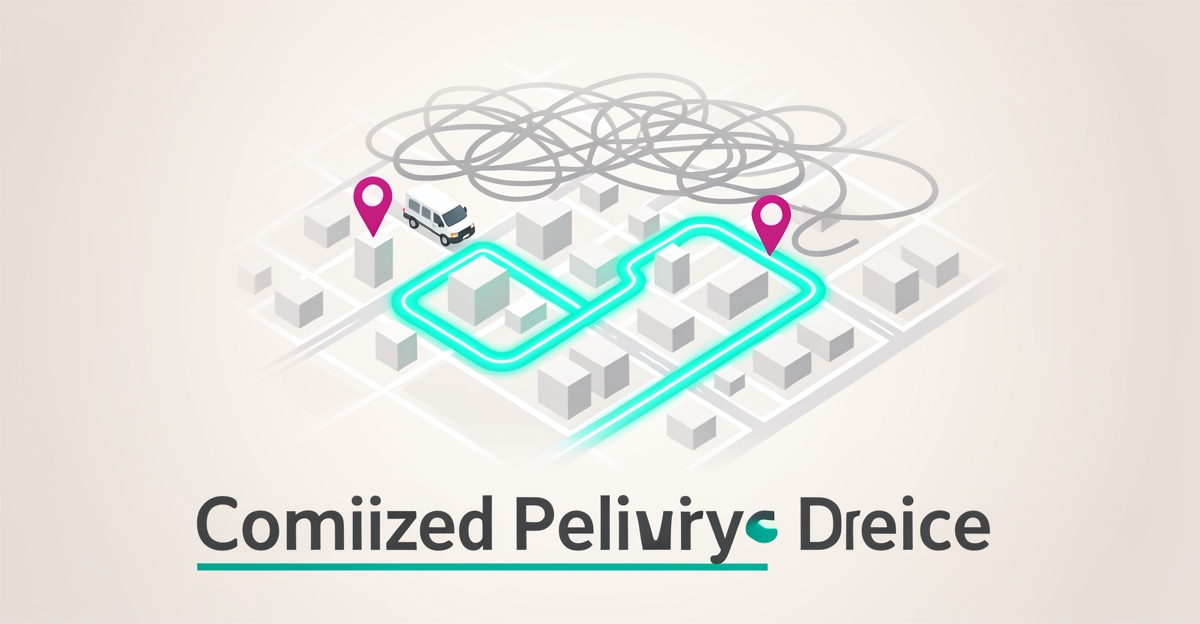
How AI Can Optimize Cleaning Routes to Cut Fuel and Labor Costs
Key Facts
- Inefficient routing is one of the largest silent costs in commercial cleaning, wasted drive time, idle labor, and missed job slots compound daily across every crew.
- Cleaning companies that adopt software-based route planning commonly report drive-time reductions in the 20-35% range, based on industry analyses as of late 2026.
- AI-powered routing typically delivers meaningful fuel savings per vehicle by eliminating suboptimal sequencing and avoidable mileage.
- Industry analyses estimate that a meaningful share of fleet fuel consumption, often cited around 30%, is wasted through suboptimal routing and avoidable idling.
- Vehicle operating costs are commonly estimated near $0.70 per mile, so even 40 unnecessary daily miles can cost roughly $28 per vehicle.
- Optimized routes can free up 2+ hours daily per crew, enabling 1-2 additional jobs each day without extending work hours.
- Simple geographic zoning alone can cut drive time by 30-40% before any software investment.
Hire a team member that works 24/7 — for less than a part-time wage.
AI receptionists, SDRs, dispatchers and 99+ roles. Trained on your business, fully managed.
Not sure where to start? Ask our AI planner
The Hidden Cost of Inefficient Cleaning Routes
The fastest way to increase profit without adding a single new client is to reduce the time and money your crew wastes on the road. For cleaning businesses, inefficient routing isn't just an inconvenience, it's a silent profit drain that accumulates daily through wasted fuel, idle labor, and missed job opportunities.
Every extra minute spent driving between locations directly impacts the bottom line. A team losing just 20 minutes per day to inefficient routing burns through nearly 100 hours annually per crew, time that could be spent serving clients or completing additional jobs. With vehicle operating costs commonly estimated around $0.70 per mile, unnecessary detours quickly translate into real financial losses that compound across fleets.
Industry analyses suggest that a meaningful share of fuel consumption, often cited around 30%, is wasted through suboptimal sequencing and avoidable mileage. For a multi-team operation, this inefficiency shows up as significant annual losses in unnecessary labor and fuel expenses, funds that could instead support growth, technology investment, or team retention. These losses stem not just from direct costs but from opportunity costs: crews stuck in traffic cannot take on additional jobs, directly limiting revenue potential.
- Wasted drive time reduces daily job capacity by 1-2 stops per crew
- Fuel waste increases vehicle wear and maintenance frequency
- Crew morale declines with excessive time spent commuting between sites
- Manual replanning consumes 30-60 minutes daily in supervisory time
- Real-time disruptions like cancellations create cascading scheduling inefficiencies
Addressing these hidden costs requires more than basic mapping tools, it demands intelligent systems that learn from operational patterns to continuously refine routing decisions. By targeting the root causes of route inefficiency, businesses reclaim valuable hours and dollars previously lost to the windshield.
Why Manual Planning and Basic Software Hit a Ceiling
Manual planning and basic software tools create a ceiling that limits how much cleaning businesses can save on fuel and labor. Rearranging 15-20 jobs across three crews using spreadsheets and maps can take 30-60 minutes every morning, time that could be spent serving clients or growing the business. Standard route tools calculate the shortest path but cannot adjust for real-time changes like a last-minute cancellation or a crew member calling in sick, forcing managers to redo the entire plan by hand.
These systems also fail to account for critical variables that impact efficiency. They use fixed averages for job duration, treating a 90-minute deep clean the same as a 45-minute maintenance clean, which leads to poor sequencing and idle time. Crew assignment remains manual or rule-based, ignoring individual performance data that could match the right technician to the right job based on speed, quality, and skill set. Without predictive traffic learning, businesses miss opportunities to avoid congestion by scheduling jobs east of a highway for mornings when historical data shows the highway is jammed between 3–5 PM.
AI-powered optimization breaks through these limitations by continuously learning from historical booking data, crew performance, and actual drive times. It dynamically re-optimizes routes when changes occur and suggests the best crew for each job based on past speed and quality. Unlike static tools, AI considers multiple variables, traffic, weather, time windows, and vehicle capacity, to find the most efficient path, not just the shortest distance. This adaptive intelligence enables cleaning companies to move beyond basic clustering and achieve measurable savings in both fuel and labor.
How AI Route Optimization Delivers Real Savings
Cleaning crews often waste valuable time and fuel navigating inefficient routes between jobs, directly impacting profitability. AI-powered route optimization transforms this daily challenge into a measurable advantage by calculating the most efficient paths based on multiple dynamic factors. Systems that go beyond simple distance calculations commonly deliver drive-time reductions in the 20-35% range, based on industry analyses as of late 2026. These improvements can free up 2+ hours daily per crew, allowing teams to complete 1-2 additional jobs each day without extending work hours.
The technology achieves these gains through sophisticated multi-variable optimization that considers real-time traffic patterns, weather conditions, job duration estimates, and crew availability. Unlike static planning tools, AI systems learn from historical data to predict congestion, such as recognizing that certain corridors experience heavy traffic during specific hours, and automatically adjust schedules to avoid delays. Geographic clustering forms the foundation, but AI enhances it by dynamically sequencing jobs within zones for minimal backtracking and optimal timing. Continuous learning from past performance data enables the system to refine recommendations over time, accounting for variables like actual job completion times and crew-specific efficiency.
Advanced features further amplify savings. Driver behavior coaching detects inefficient habits like harsh braking or excessive idling, providing real-time feedback that can meaningfully reduce fuel costs. AI-led driving feedback combined with route optimization creates compounding efficiency gains. When integrated with scheduling systems, these tools also enable dynamic re-optimization, for example, instantly recalculating routes when a job cancels or an emergency request arises, ensuring crews always follow the most efficient path. For businesses in the janitorial sector, where fuel and labor represent significant operational expenses, this level of intelligent automation translates directly to reduced overhead and increased capacity for revenue-generating work. AIQ Labs builds route-automation systems that embed these capabilities into a business's unique operational footprint, typically as an AI Workflow Build that rebuilds the one workflow costing you the most, turning route planning from a daily chore into a strategic advantage.
A Practical 4-Week Implementation Plan for Cleaning Businesses
Windshield time is profit leaking out of every cleaning route. A four-week rollout turns guesswork into measurable fuel and labor savings without disrupting crews.
Week one is audit and baseline. Track actual drive times between jobs for seven days and log fuel use per vehicle. Most operations discover crews lose 2+ hours daily through sequencing gaps. With vehicle operating costs commonly estimated near $0.70 per mile, 40 unnecessary miles a day costs roughly $28 daily per vehicle. That baseline proves the cost of poor routing before you invest anything in fixing it.
Week two builds geographic discipline. Divide the service area into zones and assign recurring cleans to specific zone days. This clustering alone can cut drive time by 30-40% and creates slots for one-time jobs in the gaps. Build 15-20 minute buffers between stops to absorb delays. The goal is simple: keep crews moving inside tight geography instead of crisscrossing the city.
Week three is controlled testing. Run an AI-powered route optimizer in parallel with manual planning for one week. AI goes beyond shortest path by learning historical traffic, job duration, and crew performance to suggest the best crew for each job. Cleaning companies adopting software-based planning commonly report a 20-35% reduction in total drive time. A parallel test shows the delta without risking service.
Week four goes live with tracking. Switch to optimized routes and monitor drive time, fuel costs, and jobs completed per crew per day against week one. Establish daily protocols for emergency adds and real-time re-optimization so changes don't cascade.
A practical rollout checklist helps teams stay on track:
- Audit windshield time and fuel per vehicle for one week to set a measurable baseline
- Implement zone-based recurring days and buffer times for immediate drive-time reduction
- Test AI route optimization side-by-side for one week before full adoption
- Go live with daily tracking of drive time, fuel, and jobs per crew
For businesses wanting tailored deployment, AIQ Labs builds route-automation systems that match your unique footprint and integrate with existing scheduling and dispatch tools. You can Start Monthly with a managed plan, use Build in Milestones to phase the work with fixed pricing, or Own It Outright once the system proves itself. See the payment models for details, or start with the 2-minute Fit Check.
Still paying for 10+ subscriptions that don’t talk to each other?
We build custom AI systems you own outright. No vendor lock-in. Full control.
Not sure where to start? Ask our AI planner
Frequently Asked Questions
How much can AI route optimization actually save my cleaning business on fuel and labor?
Why isn't basic mapping software or manual planning enough for route optimization?
What's the first step I should take to start optimizing my cleaning routes with AI?
Can geographic clustering alone improve my routes, or do I need AI for real benefits?
How does AI handle unexpected changes like last-minute cancellations or emergency job requests?
Is AI route optimization only for large cleaning companies, or can small teams benefit too?
Turn Windshield Time into Working Time
Inefficient cleaning routes silently drain profits through wasted fuel, idle labor, and missed job opportunities. By adopting AI-powered route optimization, businesses commonly cut drive time by 20-35%, reduce fuel waste per vehicle, and free up crews to complete 1-2 additional jobs daily without extending work hours. The real advantage lies in systems that learn from historical data, adapt to real-time disruptions, and match the right technician to each job based on performance. Start by auditing your current windshield time and fuel use to establish a baseline, then implement geographic zoning for immediate gains. Test AI optimization side-by-side with your current process for one week before full deployment. For cleaning businesses ready to transform route planning from a daily chore into a strategic advantage, AIQ Labs builds route-automation systems to your unique operational footprint. Take the 2-minute Fit Check, then book a free 30-minute strategy call to see where AI can deliver the highest return in your operations.
Make AI your competitive advantage — not just another tool.
Strategy, implementation and ongoing optimization. One partner, end to end.
Not sure where to start? Ask our AI planner