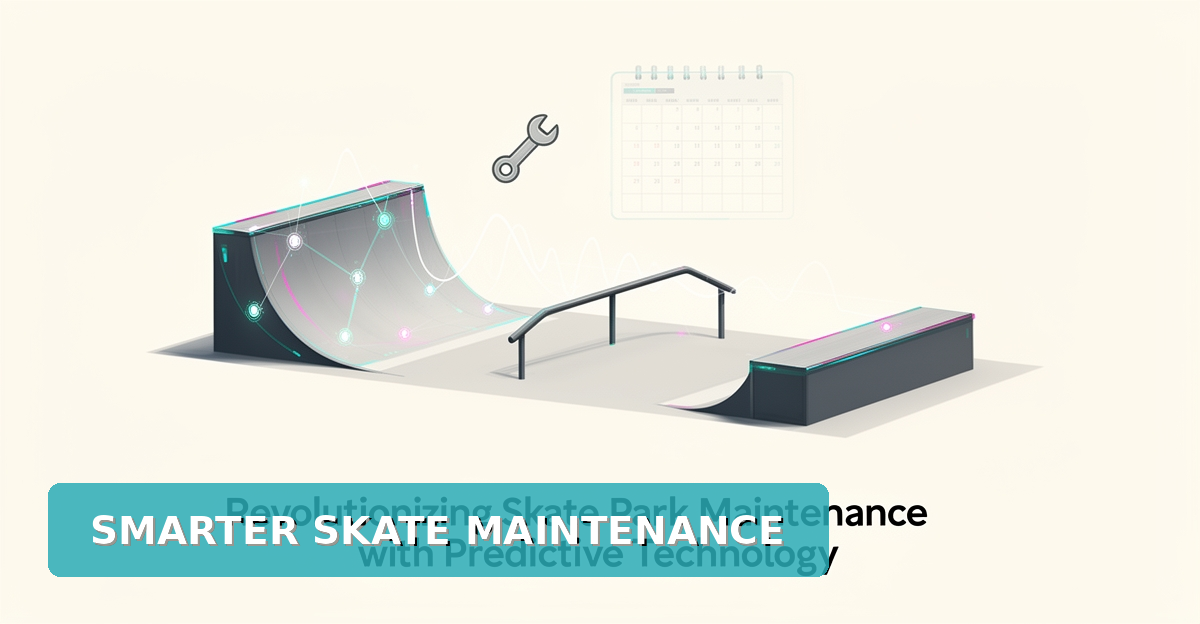
How AI Can Optimize Skate Park Equipment Scheduling and Maintenance
Key Facts
- Industry surveys consistently find most workers report lacking enough time or energy for their core work
- Predictive maintenance is widely associated with significant reductions in unplanned downtime — often cited at up to 50% in industry analyses
- AI predictive maintenance is frequently credited with overall equipment effectiveness gains of up to 20%
- AI-driven predictive maintenance can help cut maintenance costs — figures of up to 30% appear in maintenance industry analyses
- AI can monitor usage, predict wear and tear, and automate maintenance requests for skate parks
Hire a team member that works 24/7 — for less than a part-time wage.
AI receptionists, SDRs, dispatchers and 99+ roles. Trained on your business, fully managed.
Not sure where to start? Ask our AI planner
The Downtime and Safety Cost of Manual Skate Park Management
Manual checks and overloaded staff turn skate park upkeep into a constant risk calculation. Boards, ramps and safety gear get inspected when someone has time, not when wear demands it.
Staff time is the first bottleneck. Industry surveys consistently find that most workers say they lack enough time or energy to do their work, and much of modern coordination happens as ad hoc calls and quick chats rather than planned schedules. In a skate park, that cognitive overload means inspections slip, maintenance requests sit in notebooks, and equipment stays in service past safe limits.
Reactive management creates visible downtime. A ramp pulled for repair during peak hours, a safety pad found frayed after an incident, or a board removed because it failed unexpectedly all erode guest trust. Without usage data, teams rely on memory and guesswork, so wear and tear is discovered late.
The safety cost compounds quickly. Ad hoc checks increase the chance of missed defects on high-impact equipment. When checks are rushed or skipped, the park shifts from condition-based action to incident response, raising liability exposure and forcing emergency closures.
Workforce constraints also drive cost. Manual logging, chasing vendors, and rescheduling sessions consume hours that could support guests. The lesson from broader workplace research is that new tools should reduce overload, not add more digital noise — a principle that applies directly to park operations.
Predictive approaches change the equation. Maintenance industry analyses commonly credit predictive maintenance with unplanned downtime reductions of up to 50% and overall equipment effectiveness gains of up to 20%, with AI-driven approaches helping cut maintenance costs by up to 30%. Treat these as directional benchmarks rather than guarantees; your results depend on your equipment, data quality, and how the system is built.
Manual management typically produces:
- Unplanned downtime from late-detected failures
- Inconsistent inspection records and safety gaps
- Staff overload from ad hoc checks and reactive requests
- Higher long-term repair costs and guest disruption
AI can monitor equipment usage, predict wear and tear, and automate maintenance requests, ensuring boards, ramps, and safety gear remain in top condition. AIQ Labs builds custom workflow automation that reduces downtime and improves guest safety by moving parks from reactive fixes to continuous, data-driven care.
How AI Predictive Maintenance Prevents Failures Before They Happen
A skate park is only as good as the equipment riders can trust. When a ramp cracks, a board fails, or safety gear wears out mid-session, the cost is more than repairs — it's lost guest confidence and safety risk.
AI predictive maintenance shifts operations from waiting for failure to acting on early signals. Systems monitor equipment usage patterns, sensor data and wear indicators to forecast when boards, ramps and safety gear will need attention before a problem surfaces. That monitoring enables automated maintenance requests and scheduling, so teams move from reactive fixes to condition-based action.
The shift is measurable. Industry analyses of predictive maintenance commonly report unplanned downtime reductions of up to 50% and overall equipment effectiveness gains of up to 20%, with AI-driven approaches helping cut maintenance costs by up to 30% — freeing staff time for guest experience instead of emergency repairs.
For skate park operators, this means fewer surprise closures and safer sessions. AI can monitor equipment usage and predict wear and tear in real time, then trigger work orders automatically. Integration with IoT and machine learning allows the park to move from reactive fixes to condition-based action, reducing unplanned downtime and improving safety across high-use assets.
In practice, predictive maintenance for a skate park typically includes:
- Continuous usage monitoring on ramps, rails and rental boards to detect stress patterns
- Automated wear forecasts that create maintenance tickets before failure thresholds are reached
- Scheduled servicing aligned with actual condition, not arbitrary calendars
- Centralized dashboards that prioritize repairs by risk and guest impact
This approach fits naturally into an AI operating system for the park, where systems monitor equipment usage, predict wear and tear, and automate maintenance requests — ensuring all boards, ramps, and safety gear remain in top condition. AIQ Labs builds these systems as owned, production-ready workflows.
By replacing calendar-based checks with data-driven alerts, parks protect riders and staff while extending asset life. The result is fewer unplanned closures, more predictable operating costs, and a reputation for reliable, safe facilities.
From IoT Sensors to Automated Workflows: A Practical Implementation Path
Skate parks face constant wear and tear from daily use, making equipment maintenance a critical but often reactive challenge. Traditional approaches wait for failures to happen, leading to unexpected downtime and safety risks that disrupt the rider experience.
AI-powered predictive maintenance transforms this cycle by continuously monitoring equipment usage patterns and forecasting when components will need attention. Industry analyses commonly credit this approach with unplanned downtime reductions of up to 50% and equipment effectiveness gains of up to 20%. This shift from fixing problems after they occur to anticipating them ensures ramps, rails, and safety gear stay in optimal condition longer.
Implementing this system starts with deploying IoT sensors on high-wear equipment to collect real-time usage and vibration data. These sensors feed into machine learning models that learn normal operating patterns and detect early signs of deterioration. The AI then generates automated maintenance requests before issues escalate, scheduling work during low-traffic periods to minimize disruption.
Integrating AI with existing park management systems creates a seamless workflow where alerts trigger work orders, notify staff, and update maintenance logs automatically. Park operators can monitor equipment health through a centralized dashboard that shows predicted failure dates, recommended actions, and historical performance trends. This data-driven approach not only extends equipment lifespan but also improves safety by addressing potential hazards before they cause accidents.
While the upfront investment in sensors, AI platforms, and integration requires planning, the long-term savings from reduced emergency repairs and prolonged equipment life typically outweigh initial costs. Parks starting small—such as monitoring just their most-used ramps—can demonstrate value quickly before scaling the system park-wide. Success depends on clean data collection, staff training on the new workflow, and choosing AI solutions that integrate with current tools rather than replacing them entirely.
Building a Custom AI Operations System with AIQ Labs
Skate parks face constant pressure to keep equipment safe and operational without draining limited staff resources. AIQ Labs builds custom AI systems that monitor usage patterns, predict maintenance needs, and automate service requests—turning reactive repairs into proactive care. This directly addresses the overload most workers report: too many interruptions, not enough time for core tasks.
With AI-powered predictive maintenance, skate parks can meaningfully reduce unplanned downtime—industry analyses commonly cite up to 50%—while increasing overall equipment effectiveness by up to 20% and cutting maintenance costs by up to 30% through timely interventions. These systems continuously analyze usage data from ramps, rails, and safety gear to forecast wear before failures occur. The result is fewer unexpected closures and a safer environment for skaters, all without requiring parks to hire additional technical staff.
AIQ Labs delivers this capability through three entry points. Parks can start with an AI Employee under the Start Monthly model — a managed AI staff member focused on equipment monitoring and automated dispatch, at roughly 80% less than a human hire. For larger needs, AI Workflow Builds rebuild the one workflow that costs you the most — like predictive maintenance for your half-pipes — at a fixed price, in phases, so you keep all progress made. Parks that want the full picture can move to an AI Operating System: one connected operating layer built in phases and owned outright, with no vendor lock-in. Payment is flexible — Start Monthly, Build in Milestones, or Own It Outright — and every engagement includes training, tool integration, and ongoing optimization. Ready to explore how AI can transform your equipment management? Start the two-minute Fit Check to identify your highest-impact automation opportunity, then book a free 30-minute strategy call.
Still paying for 10+ subscriptions that don’t talk to each other?
We build custom AI systems you own outright. No vendor lock-in. Full control.
Not sure where to start? Ask our AI planner
Frequently Asked Questions
How can AI actually help manage skate park equipment like ramps and boards?
Is predictive maintenance really worth the investment for a small skate park?
What does an AI maintenance system look like in practice?
We're already short-staffed—won't this just add more work?
How does this improve safety and reduce liability?
How can AIQ Labs help, and what does it cost?
From Reactive Repairs to Reliable Rides: Your Next Move
Skate parks no longer need to choose between rider safety and operational efficiency. By shifting from calendar-based guesswork to AI-powered predictive maintenance, you can monitor usage patterns, forecast wear on ramps and boards, and trigger work orders before failures force closures. Industry analyses commonly credit this approach with unplanned downtime cuts of up to 50% and maintenance cost reductions of up to 30%. Instead of staff scrambling to log inspections between sessions, automated workflows handle the scheduling—freeing your team to focus on guest experience. Start by auditing your highest-wear equipment and identifying where reactive repairs hurt your peak hours most. AIQ Labs helps parks implement these systems through three entry points — an AI Employee to start monthly, a Workflow Build for your costliest process, or a full AI Operating System owned outright. Ready to stop letting equipment failures dictate your schedule? Start the two-minute Fit Check at aiqlabs.ai/apply, then book your free 30-minute strategy call — no obligation, just clarity.
Make AI your competitive advantage — not just another tool.
Strategy, implementation and ongoing optimization. One partner, end to end.
Not sure where to start? Ask our AI planner