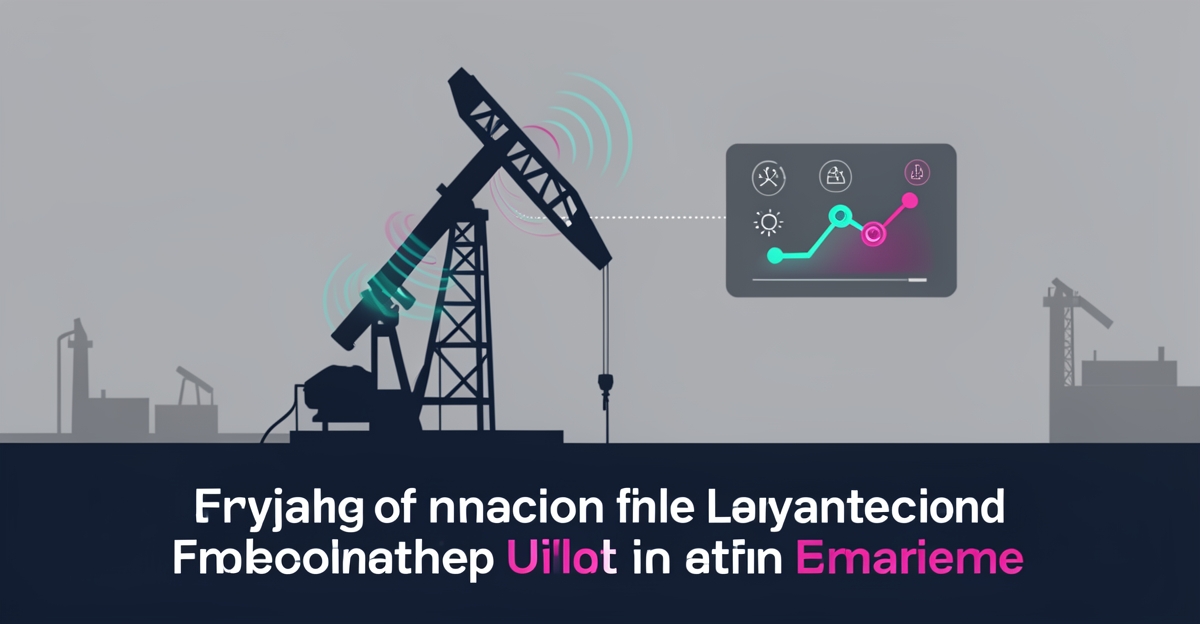
How AI Can Reduce Equipment Downtime in Drilling Companies Through Predictive Maintenance Alerts
Key Facts
- AI-powered predictive maintenance typically reduces unplanned downtime by 30-50% in drilling operations according to industry research
- Condition-based servicing typically cuts maintenance costs by 10-15% as reported in analytical reviews
- Repair expenses often drop by around 15% when AI predicts failures before secondary damage develops per industry analysis
- AI-driven systems can achieve up to 95% prediction accuracy when trained on sufficient operational data based on manufacturing-focused studies
- Predictive systems have reported up to 85% less downtime compared to reactive approaches highlighting major productivity gains
- Emergency repairs typically cost more than planned maintenance, often on the order of 15% higher per industry data
- Custom AI models can detect early failure signatures in vibration, temperature, and pressure data, enabling proactive maintenance alerts
Hire a team member that works 24/7 — for less than a part-time wage.
AI receptionists, SDRs, dispatchers and 99+ roles. Trained on your business, fully managed.
Not sure where to start? Ask our AI planner
The Cost of Unplanned Downtime in Drilling Operations
In drilling operations, equipment failure isn't just an inconvenience, it's a direct hit to profitability and safety. When critical machinery stops unexpectedly, the financial bleeding starts immediately, often costing far more than the sum of replacement parts.
The numbers reveal a stark reality for companies still relying on reactive maintenance. Industry analyses report that unplanned downtime can be reduced by 30-50% through predictive approaches, yet operations stuck in reactive mode absorb these losses daily. Beyond the immediate production stoppage, emergency repairs typically carry roughly 15% higher costs than planned maintenance, while overall maintenance expenses can drop by 10-15% when companies shift away from run-to-failure strategies.
The true cost of reactive maintenance extends far beyond the repair invoice. When a drill rig fails unexpectedly, the cascading consequences include:
- Lost production revenue during idle periods that can stretch from hours to days
- Expedited shipping fees for emergency replacement parts
- Overtime labor costs for emergency response crews
- Potential contract penalties for missed delivery deadlines
- Secondary damage to adjacent equipment caused by catastrophic failures
This reactive cycle creates a dangerous operational rhythm. Technicians rush to patch problems under pressure, often addressing symptoms rather than root causes. Equipment returns to service with underlying issues still festering, setting the stage for the next unexpected breakdown. Some industrial environments report that predictive systems can achieve up to 85% less downtime than traditional reactive approaches, highlighting how much productivity reactive operations leave on the table.
The safety implications compound these financial pressures. Equipment that fails unexpectedly poses greater risks to personnel than machinery maintained on a proactive schedule. Emergency repairs conducted under time constraints increase the likelihood of accidents, while catastrophic failures can create hazardous conditions for entire crews.
AIQ Labs works with drilling operations to break this expensive cycle by building custom predictive systems that integrate directly with site data and maintenance logs. Rather than waiting for the next breakdown to dictate your schedule, these AI-driven solutions analyze usage patterns to forecast maintenance needs before failures occur. The shift from reactive firefighting to predictive planning represents more than an operational upgrade, it's a fundamental change in how drilling companies protect their most valuable assets.
How AI-Powered Predictive Maintenance Prevents Breakdowns
Drilling companies lose thousands per hour when critical equipment fails unexpectedly. AI-powered predictive maintenance transforms this risk by using sensor data and machine learning to forecast failures before they happen, turning reactive repairs into planned interventions.
According to industry research, AI-driven predictive maintenance typically reduces unplanned downtime by 30-50% by identifying failure patterns in vibration, temperature, and pressure data from drilling rigs. This allows maintenance teams to address wear and tear during scheduled windows rather than during costly production halts.
The process begins with continuous data collection from IoT sensors embedded in key components like pumps, motors, and drill bits. Machine learning models analyze this stream alongside historical maintenance logs to detect subtle anomalies that precede breakdowns, such as rising harmonic frequencies or abnormal pressure drops. As noted in manufacturing-focused studies, these systems can achieve up to 95% prediction accuracy when trained on sufficient operational data, enabling alerts with actionable lead time.
- Real-time sensor data feeds into adaptive ML models
- Anomaly detection identifies early failure signatures
- Predictive scoring triggers maintenance work orders
- Alerts integrate with existing CMMS platforms
- Continuous learning improves accuracy over time
By shifting from fixed-interval servicing to condition-based maintenance, drilling companies also reduce unnecessary part replacements and labor hours. Analytical reviews report this approach typically cuts maintenance costs by 10-15% while lowering repair expenses by around 15%, as interventions occur before secondary damage develops.
AIQ Labs builds custom predictive systems that unify sensor streams, maintenance records, and operational schedules into a single intelligence layer. These models learn the unique failure signatures of each drilling asset, whether top drives, mud pumps, or rotary tables, delivering precise alerts that prevent cascading failures. The result is not just fewer breakdowns, but more predictable operations, safer work environments, and measurable gains in asset uptime that directly impact project timelines and profitability.
Implementing AI Predictive Systems with AIQ Labs' End-to-End Approach
Drilling companies can transform equipment reliability by adopting AI-powered predictive maintenance through AIQ Labs' phased approach. The model, custom development, integration with IoT and maintenance logs, and ongoing optimization, turns raw sensor data into actionable workflows that prevent breakdowns before they happen. This method ensures alerts lead to timely interventions, not just notifications.
AIQ Labs begins by building custom AI models tailored to each drilling operation's unique equipment and usage patterns. These models analyze historical and real-time data from IoT sensors and maintenance logs to detect early signs of wear or failure. By leveraging machine learning algorithms, the system identifies subtle anomalies that traditional monitoring might miss, enabling high-accuracy predictions when trained on sufficient data. This precision allows maintenance teams to act only when truly needed, avoiding unnecessary servicing.
The integration phase connects these AI models directly to field equipment and existing maintenance systems. Data from vibration sensors, temperature gauges, and operational logs flow into the AI platform, where it's processed in real time. When the model predicts a potential failure, it triggers a proactive alert routed to the appropriate technician or work order system. This seamless flow turns insights into immediate action, reducing response delays and preventing cascading failures.
- AI-driven predictive maintenance can reduce unplanned downtime by 30-50%, keeping drilling rigs operational longer
- Companies typically see 10-15% lower maintenance costs by shifting from fixed schedules to condition-based servicing
- Repair expenses often drop by around 15% as interventions occur before minor issues become major failures
Ongoing optimization ensures the system evolves with the operation. AIQ Labs continuously refines models using new failure data, improving accuracy over time. Alert thresholds are adjusted to minimize false positives while maintaining sensitivity to real risks. This iterative process keeps the predictive system aligned with changing equipment conditions and operational demands.
For most drilling companies, the fastest starting point is an AI Workflow Build: rebuild the one workflow that costs you the most, like reactive maintenance scheduling, at a fixed price, in phases. Operations that want predictive maintenance woven into a single connected layer across the whole business can graduate to an AI Operating System, built in phases and owned outright. Because you own the custom-built system, you avoid vendor lock-in and retain full control over your predictive maintenance capabilities. The result is a closed-loop workflow that drives measurable reductions in downtime and cost, maintenance that is proactive, not reactive.
Still paying for 10+ subscriptions that don’t talk to each other?
We build custom AI systems you own outright. No vendor lock-in. Full control.
Not sure where to start? Ask our AI planner
Frequently Asked Questions
How much can AI-powered predictive maintenance reduce unplanned downtime in drilling operations?
What cost savings can drilling companies expect from shifting to AI-driven predictive maintenance?
How accurate are AI models in predicting equipment failures for drilling rigs?
Does predictive maintenance eliminate the need for regular equipment inspections?
What types of drilling equipment can benefit from AI-powered predictive maintenance?
How does AIQ Labs ensure their predictive maintenance systems work with existing drilling operations?
From Reactive Repairs to Predictable Uptime
Unplanned drilling failures drive lost production, emergency labor, expedited parts and contract penalties, while reactive maintenance leaves root causes to fester. AI-powered predictive maintenance changes the rhythm by turning continuous sensor data from pumps, motors and drill bits into early failure signatures, enabling condition-based work instead of fixed intervals or run-to-failure. That shift delivers measurable business value: typically 30-50% less unplanned downtime, 10-15% lower maintenance costs and roughly 15% lower repair costs by intervening before secondary damage occurs. For drilling operations, the next step is moving from alerts to an owned, closed-loop workflow that integrates site data and maintenance logs with your CMMS. AIQ Labs builds custom predictive systems tailored to each asset and operation, whether as a fixed-price AI Workflow Build or a full AI Operating System you own outright. Start the Fit Check at https://aiqlabs.ai/apply for a free 30-minute strategy call to map your biggest bottleneck and identify high-ROI automation opportunities, or email [email protected].
Make AI your competitive advantage — not just another tool.
Strategy, implementation and ongoing optimization. One partner, end to end.
Not sure where to start? Ask our AI planner