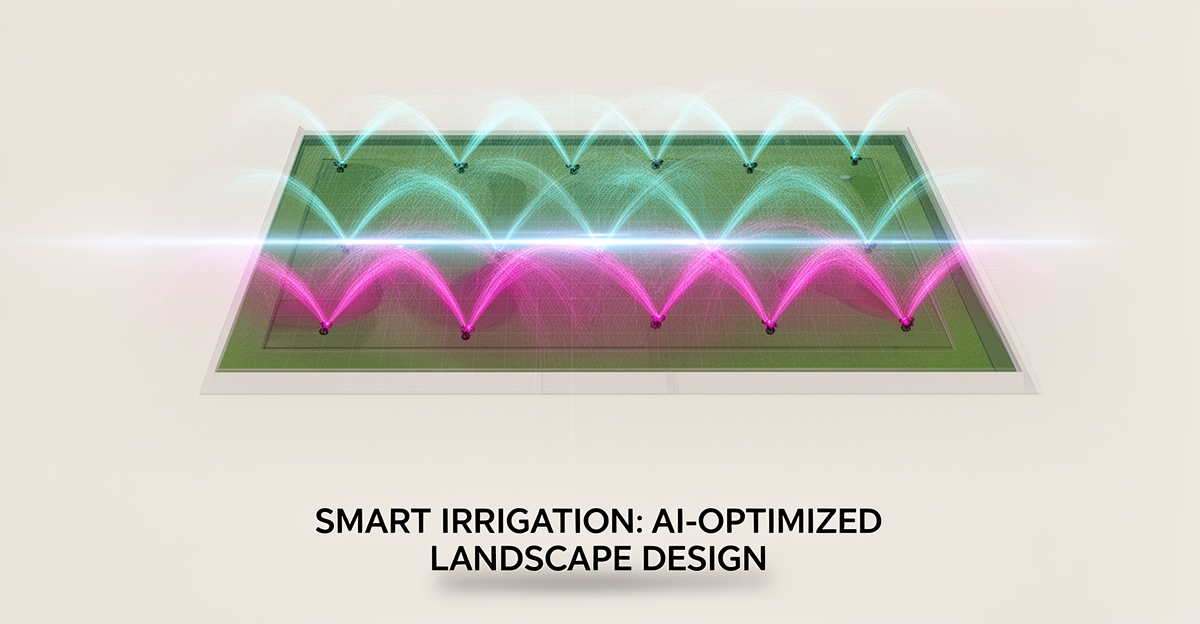
How AI Can Reduce Errors in Irrigation Design & Layout Planning
Key Facts
- AI is technology that enables computers to simulate learning, problem-solving, and decision-making, capabilities that map directly onto layout analysis and plan review per IBM's overview of AI
- Industry forecasts widely cited as of late 2026 point to a persistent skilled-labor shortfall across construction trades through the decade
- AI-generated drafts serve as starting points for human review, improving precision and reducing costly rework in irrigation design
- AI-assisted layout planning amplifies technician expertise by handling repetitive analysis and flagging anomalies before installation
- AI-driven workflows reduce initial design time by automating repetitive layout calculations in irrigation planning
Hire a team member that works 24/7 — for less than a part-time wage.
AI receptionists, SDRs, dispatchers and 99+ roles. Trained on your business, fully managed.
Not sure where to start? Ask our AI planner
The Cost of Manual Irrigation Layout Errors
Manual irrigation layouts look simple on paper until the first season reveals dry patches, overspray, and compliance headaches. Traditional design relies on hand measurements, site sketches, and experience-based assumptions that compound under pressure.
Human error is the starting point. Technicians misread topography, misplace heads, or overlook subtle grade changes that drive water pooling. Those mistakes multiply when site data is incomplete or collected under tight deadlines, and drainage miscalculations follow because manual calculations rarely model runoff across the full property.
Industry pressures make the problem worse. Construction trades have faced a persistent skilled-labor gap for years, and forecasts widely cited as of late 2026 expect that shortfall to continue through the decade. Labor shortages stretch teams thin, project delays increase, and the margin for rework shrinks.
Design errors carry direct costs. Rework means truck rolls, extra materials, and lost client trust. It also means missed code and efficiency standards that can trigger fines or failed inspections. Automated plan review is one area where AI consistently outperforms manual checks, algorithmic review applies the same rules to every line, every time, catching issues tired eyes skip.
AI-driven design automation shifts the workflow from reactive fixes to proactive precision. By analyzing site data, identifying drainage patterns, and suggesting optimal sprinkler placement, AI tools generate draft layouts that reduce the manual burden and surface risks early. At its core, AI enables machines to simulate learning, problem-solving, and decision-making, exactly the capabilities layout planning demands.
For irrigation technicians, the practical impact shows up in fewer callbacks and faster approvals. AI-generated drafts serve as starting points for human review, improving precision and reducing costly rework. AIQ Labs builds these design workflows with industry-specific accuracy, supporting teams that need reliable first-pass layouts without replacing professional judgment.
Common manual failure points include:
- Misread site contours and elevation data leading to uneven coverage
- Human calculation errors in head spacing, precipitation rates, and overlap
- Drainage miscalculations that cause pooling or erosion
- Code and local water-use violations missed during manual plan review
When teams are short-staffed and timelines compress, those errors become expensive. AI-assisted layout planning does not eliminate the technician; it amplifies them by handling repetitive analysis and flagging anomalies before installation begins.
The result is a more defensible design process. Layouts are consistent, data-driven, and easier to review, which shortens approval cycles and protects margins on both residential and commercial jobs.
How AI Analyzes Site Data and Optimizes Sprinkler Placement
Irrigation design errors are expensive, a misplaced head or missed drainage channel can mean rework, water waste, and unhappy clients. AI-driven design automation is changing how technicians move from site survey to layout, by turning raw site data into data-driven sprinkler placement suggestions that a human can review and refine.
Modern AI systems ingest topography, soil profiles, and drainage patterns to model water distribution across a site. The analysis identifies low points, slope breaks, and soil absorption zones that influence head selection and spacing. Placement suggestions are then generated to maintain uniform coverage while avoiding overspray, pooling, or dry spots. Because the drafts are generated, technicians keep final control over the plan.
This approach builds on decades of development. Design automation began with rule-based expert systems decades ago and has evolved with modern machine learning into far more capable tools. Today's generative and analytical AI can model complex spatial problems, like water distribution across uneven terrain, that were once handled entirely by hand.
For irrigation teams, the workflow typically includes:
- Topographic and soil data ingestion from surveys, GIS, and site photos
- Automated drainage pattern detection and water flow simulation
- Sprinkler head type, spacing, and zoning recommendations based on coverage models
- Conflict checks for obstacles, hardscape, and existing utilities
The result is fewer manual calculations and faster concept iterations. Automated plan review applies code and coverage rules consistently across every zone, which is why algorithmic checks tend to catch oversights that manual review misses under deadline pressure.
With skilled-labor shortages expected to persist across construction trades, tools that amplify technician expertise matter. AI-generated drafts serve as starting points for human review, improving precision and reducing costly rework.
At AIQ Labs, the focus is assistive automation built for your trade: AI proposes, the technician decides, and the final layout reflects both data and field experience. If design prep is the bottleneck in your business, an [AI Workflow Build](/workflow-builds) can rebuild that one workflow at a fixed price, in phases.
From AI Draft to Human-Approved Layout
AI-driven design automation is reshaping how irrigation technicians approach layout planning by generating first-pass drafts for human review. This workflow allows AI to analyze site data, identify drainage patterns, and suggest optimal sprinkler placement, creating a starting point that reduces rework while maintaining technician oversight. By handling repetitive calculations and spatial analysis, AI accelerates the initial design phase without replacing critical human judgment.
The process begins with technicians inputting site specifications, such as topography, soil type, and water pressure, into an AI system trained on irrigation design principles. The AI then produces a draft layout highlighting zone boundaries, pipe routing, and sprinkler head placement based on hydraulic efficiency and coverage standards. These drafts are not final designs but informed starting points that technicians refine using field expertise, ensuring solutions account for real-world variables like existing utilities or microclimates.
AIQ Labs supports this human-in-the-loop approach through custom workflow development, where systems are built to integrate with your existing design software and irrigation planning tools. Rather than replacing technicians, the AI acts as a force multiplier, reducing time spent on manual drafting and minimizing errors that lead to costly field revisions. This alignment ensures AI enhances, rather than disrupts, established professional workflows.
Key considerations in this workflow include accuracy versus reliability, data dependency, and seamless integration. While AI can improve design speed and consistency, its outputs depend on the quality and relevance of input data, such as accurate site surveys and hydraulic models. Human oversight remains essential to validate AI-generated outputs against practical constraints. This balance ensures designs are both innovative and field-ready.
- AI-generated drafts reduce initial design time by automating repetitive layout calculations
- Technician review ensures designs account for site-specific nuances AI may overlook
- Iterative feedback between AI and humans improves final accuracy over time
- Integration with CAD or irrigation-specific software maintains workflow continuity
- Continuous learning from approved edits enhances AI's future draft quality
By positioning AI as a collaborative tool rather than a replacement, irrigation teams gain efficiency without sacrificing control. The technology handles data-intensive tasks, like calculating pressure loss across zones or optimizing head spacing, while technicians focus on validation, adaptation, and final approval. This synergy reduces rework, lowers material waste from design errors, and accelerates project timelines.
As construction industries face ongoing pressure from skilled-labor shortages, AI-assisted design workflows offer a sustainable path forward. They empower smaller teams to deliver precision designs consistently, addressing both accuracy demands and resource limitations. Ultimately, this approach transforms layout planning from a bottleneck into a streamlined, reliable process where AI drafts and human expertise combine to build better irrigation systems from the ground up.
Implementing AI in Your Irrigation Design Process
Adopting AI for irrigation design does not mean handing the work over to a black box. It means building a repeatable process where site data feeds an AI draft, a technician reviews it, and a validation checklist locks in quality before installation begins.
Start by preparing clean, structured site inputs. Gather topography, soil maps, drainage observations, water pressure readings, and existing plant layouts. The more consistent the data, the faster the model can identify patterns and suggest sprinkler placement. This preparation step reduces back-and-forth and gives the AI a reliable foundation to work from.
Use prompt-based layout generation to create first-pass options. Describe the site constraints, coverage goals, and equipment limits in plain language, then let the system produce draft zones and head locations. The output is a starting point, not a final plan, and it accelerates the exploration of alternatives without replacing field judgment.
Human review remains essential. Validate every AI suggestion against local codes, slope conditions, and real-world access. Combining algorithmic checks with technician expertise is where the real error reduction happens. A short validation checklist keeps the process disciplined.
A practical validation checklist includes:
- Confirm drainage patterns and low spots are correctly interpreted from site data
- Verify head spacing, arc overlap, and pressure requirements match equipment specs
- Cross-check code compliance and setback requirements for each zone
- Review hydraulic calculations and adjust for elevation changes
With a validated draft, technicians can refine layouts faster and reduce costly rework on site. With skilled-labor gaps expected to persist across the trades, efficiency gains from assisted design matter more each season.
AIQ Labs supports this workflow with three entry points. [AI Employees](/ai-employees) give you managed AI staff, design assistants, estimators, and 99+ other roles, at roughly 80% less cost than a human hire, starting monthly with no long commitment. An [AI Workflow Build](/workflow-builds) rebuilds the one workflow that costs you the most, at a fixed price, in phases. And an [AI Operating System](/ai-operating-systems) connects your whole operation into one layer you own outright. Payment models are simple: Start Monthly, Build in Milestones, or Own It Outright, no fake prices, ever.
If you want to map your current process, start the two-minute Fit Check at [aiqlabs.ai/apply](/apply), then book a free 30-minute strategy call. Questions in the meantime? Email [[email protected]](mailto:[email protected]).
Still paying for 10+ subscriptions that don’t talk to each other?
We build custom AI systems you own outright. No vendor lock-in. Full control.
Not sure where to start? Ask our AI planner
Frequently Asked Questions
How does AI reduce errors in irrigation design compared to manual methods?
Will using AI for irrigation layout replace the need for experienced technicians?
What kind of site data does AI need to generate accurate irrigation layout suggestions?
How does AI help address the labor shortage in the construction and irrigation industries?
What is the typical workflow when using AI for irrigation design, and how long does it take?
How can I get started with implementing AI in my irrigation design process through AIQ Labs?
Turning Irrigation Precision into Predictable Profit
AI-assisted layout planning doesn't replace the irrigation technician, it amplifies their expertise by catching costly errors before installation. By analyzing topography, soil data, and drainage patterns, AI generates accurate first-pass drafts that reduce manual calculations, flag code issues early, and shorten approval cycles. This means fewer callbacks, less rework, and protected margins, especially critical while skilled-labor shortages persist across the trades. The result is a defensible, data-driven design process where human judgment guides AI precision. Ready to see how this workflow fits your operation? Start with the free two-minute Fit Check at aiqlabs.ai/apply to map your biggest bottleneck, no obligation, just clarity.
Make AI your competitive advantage — not just another tool.
Strategy, implementation and ongoing optimization. One partner, end to end.
Not sure where to start? Ask our AI planner