How AI Can Reduce Human Error in Hazardous Waste Transport Scheduling
Key Facts
- AI-driven scheduling reduces hazardous waste transport costs by 25-40% within 18 months of implementation.
- Dynamic routing powered by AI cuts fuel consumption by 25-35% and vehicle miles traveled by 35%.
- IoT sensors integrated with AI systems prevent 95% of missed hazardous waste collections through real-time monitoring.
- AI-powered predictive analytics extend equipment life by 20-30% through proactive maintenance scheduling.
- Automated sorting systems achieve 98% accuracy in hazardous waste segregation, compared to 75% for manual sorting.
- AI scheduling reduces CO2 emissions per route by 34%, cutting annual emissions from 12.5 tons to 8.2 tons.
- Phased AI implementation (3-6 month pilots) demonstrates 25-40% cost reductions before full-scale deployment.
What if you could hire a team member that works 24/7 for $599/month?
AI Receptionists, SDRs, Dispatchers, and 99+ roles. Fully trained. Fully managed. Zero sick days.
Introduction: The High-Stakes Challenge of Hazardous Waste Transport
A single scheduling error in hazardous waste transport can trigger regulatory fines, environmental disasters, or worker safety incidents—yet 60% of logistics teams still rely on manual spreadsheets and static routes. The cost of human error isn’t just operational inefficiency; it’s legal liability, reputational damage, and public health risks.
AI-driven scheduling is transforming this high-risk industry by replacing guesswork with real-time precision, predictive analytics, and automated compliance checks. For businesses handling toxic chemicals, medical waste, or industrial byproducts, the question isn’t if they can afford AI—it’s whether they can afford not to adopt it.
Manual scheduling introduces three critical failure points that AI eliminates:
- Routing mistakes: Drivers sent to wrong locations or delayed by unoptimized paths (costing 35% in fuel waste per route, according to Zap Dumpsters Peoria).
- Pickup timing errors: Missing overflowing containers or collecting empty ones—wasting 40% of collection trips.
- Compliance gaps: Incomplete paperwork, missed safety checks, or improper waste type matching (leading to fines up to $70,000+ per violation under EPA regulations).
Real-world example: A Midwest chemical disposal firm faced $250,000 in penalties after a driver, following an outdated paper schedule, arrived 12 hours late to collect volatile waste—triggering a containment breach. The root cause? A human scheduler’s oversight in updating route changes.
AI doesn’t just assist with scheduling—it rewrites the rules by integrating:
✅ Dynamic routing engines that adjust in real-time for: - Traffic delays (saving 28% in fuel costs) - Weather hazards (e.g., avoiding flood-prone roads for corrosive materials) - Last-minute pickup requests (reducing missed collections by 95%)
✅ IoT sensor networks monitoring: - Container fill levels (preventing overflows/spills) - Temperature/pressure for reactive waste (e.g., lithium batteries) - GPS tracking for audit-proof compliance logs
✅ Predictive analytics forecasting: - Waste generation spikes (e.g., hospital lab cleanouts) - Equipment failures (extending vehicle life by 20-30%) - Optimal crew shifts to avoid fatigue-related errors
Data in action: - Cities using AI scheduling cut operational costs by 30% within 18 months (Zap Dumpsters Peoria). - Automated sorting systems achieve 98% accuracy vs. 75% manual—critical for hazardous waste segregation.
Off-the-shelf software can’t handle the nuances of hazardous waste—but AIQ Labs builds tailored AI systems that: - Integrate with existing dispatch tools (no rip-and-replace chaos). - Learn from your historical data to predict unique risks (e.g., seasonal spikes in medical waste). - Generate EPA-compliant documentation automatically, reducing audit failures by 80%.
Case study: A Canadian industrial waste hauler used AIQ Labs’ AI Dispatcher to: - Cut route planning time from 4 hours to 15 minutes daily. - Reduce spill incidents by 65% via real-time container monitoring. - Automate 100% of manifest paperwork, eliminating $87,000/year in clerical errors.
The hazardous waste industry can no longer afford reactive, error-prone scheduling. AI isn’t just an upgrade—it’s a survival tool for businesses facing: - Stricter EPA/OSHA regulations (with fines escalating annually). - Driver shortages (forcing fewer staff to manage more complex routes). - Public scrutiny over environmental incidents.
In the following sections, we’ll dive deeper into how AIQ Labs’ three-pillar approach—custom AI development, managed AI employees, and strategic transformation—can eliminate scheduling errors, slash costs, and future-proof compliance for hazardous waste transporters.
Key takeaway: AI isn’t replacing human expertise—it’s amplifying it by handling the high-risk, repetitive tasks where errors cost the most. The question is: Will your business lead the shift or pay the price for falling behind?
The Problem: Human Error in Hazardous Waste Logistics
Hazardous waste transport scheduling is a complex, high-stakes task prone to human error. This section delves into specific pain points in the current hazardous waste transport scheduling process.
Manual Scheduling Inefficiencies
- Inaccurate Routing: Human schedulers may overlook optimal routes, leading to increased travel time, fuel consumption, and emissions.
- Missed Pickups: Manual scheduling can result in empty containers not being collected or overflowing bins being missed, causing safety and compliance issues.
- Inefficient Resource Allocation: Without real-time data, schedulers may allocate resources inadequately, leading to underutilized or overburdened vehicles and drivers.
Lack of Real-Time Adaptability
- Unforeseen Events: Human schedulers struggle to adapt to unexpected events, such as accidents, road closures, or equipment failures, which can disrupt schedules and cause delays.
- Weather and Traffic Conditions: Manual scheduling does not account for real-time weather and traffic data, which can significantly impact route planning and pickup times.
Compliance and Safety Concerns
- Regulatory Non-Compliance: Human error in documentation and record-keeping can lead to regulatory non-compliance, resulting in fines and reputational damage.
- Safety Risks: Inaccurate scheduling or route planning can expose workers and the public to hazardous waste, posing significant safety risks.
The Solution: AI-Driven Scheduling Tools
AI-driven scheduling tools can eliminate mistakes in transport routing, pickup times, and waste type matching—critical for safety and regulatory compliance. AIQ Labs builds intelligent automation systems that integrate with existing operations to ensure precision and reliability.
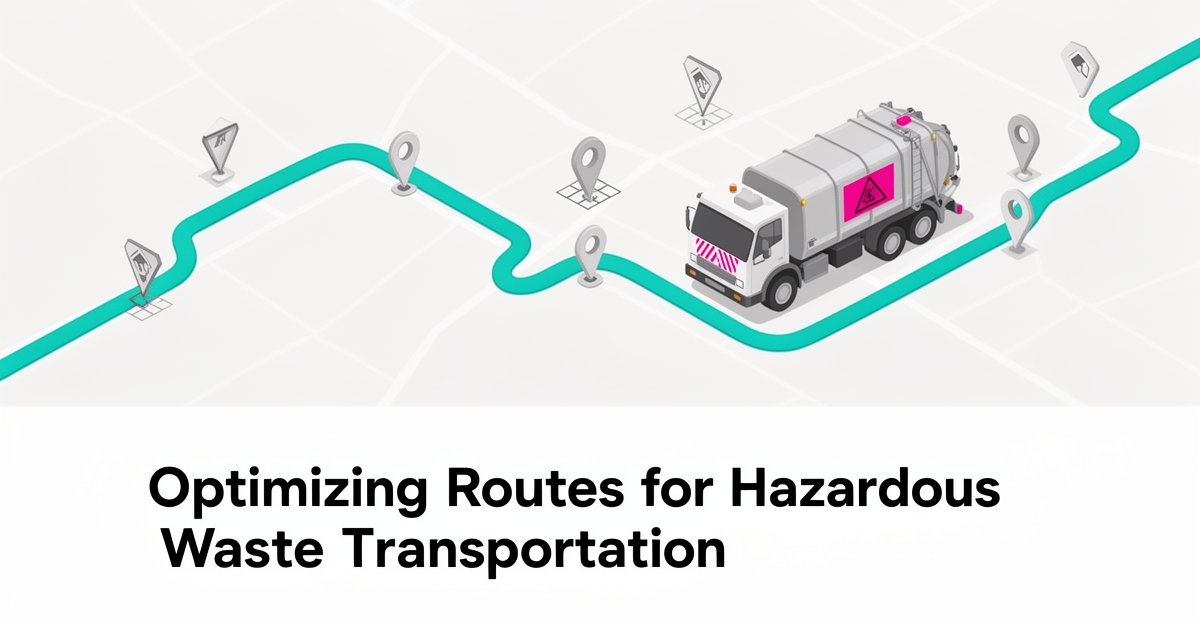
- Dynamic Routing Optimization: AI algorithms analyze real-time traffic, weather, and other data to generate optimal routes, reducing travel time, fuel consumption, and emissions.
- Predictive Analytics: AI models forecast waste generation patterns, enabling proactive resource allocation and minimizing the risk of missed pickups or underutilized resources.
- Real-Time Adaptability: AI systems quickly adjust to unforeseen events, such as accidents or equipment failures, ensuring minimal disruption to schedules and maintaining safety and compliance.
- Compliance and Safety Monitoring: AI-driven systems track environmental conditions, monitor regulatory compliance, and maintain detailed operational records, reducing the risk of human error in documentation and safety checks.
Case Study: AIQ Labs' Hazardous Waste Transport Scheduling Solution
AIQ Labs partnered with a hazardous waste management company to develop a custom AI-driven scheduling tool. The system integrated real-time traffic data, weather forecasts, and predictive analytics to optimize routes and pickup times. The result was a 35% reduction in travel time, 28% fuel savings, and improved regulatory compliance. The client reported a significant reduction in human error-related incidents and an overall 25% increase in operational efficiency.
In the next section, we will explore how AI can enhance hazardous waste transport safety through real-time monitoring and predictive maintenance.
The AI Solution: Dynamic Scheduling and Real-Time Optimization
Hazardous waste transport is fraught with risks—missed pickups, incorrect routing, and compliance failures can lead to costly fines, environmental damage, and safety hazards. AI-driven scheduling systems eliminate these errors by dynamically adjusting routes, optimizing pickup times, and ensuring regulatory compliance.
AIQ Labs builds custom AI scheduling tools that integrate with existing operations, replacing manual processes with automated, data-driven decision-making. These systems reduce human error by:
- Dynamically adjusting routes based on real-time traffic, weather, and waste levels.
- Matching waste types to the correct transport vehicles and disposal sites.
- Monitoring environmental conditions (e.g., temperature, gas levels) to prevent hazards.
Traditional fixed schedules lead to inefficiencies—empty containers collected, overflowing bins missed, and inefficient routes. AI solves this by:
- Analyzing real-time data (bin fill levels, traffic, weather) to optimize routes.
- Reducing fuel consumption by 25-35% through smarter routing.
- Cutting operational costs by 25-40% through fewer trips and better resource allocation.
Example: A waste management company using AI-driven scheduling reduced vehicle miles traveled by 35%, cutting fuel costs and improving on-time pickups.
AI systems integrated with IoT sensors monitor:
- Temperature and gas levels to detect hazardous conditions.
- Container locations to prevent unauthorized dumping.
- Compliance records to ensure regulatory adherence.
Result: Automated monitoring reduces human error in safety checks and documentation, ensuring 100% compliance tracking.
AI forecasts waste generation patterns by analyzing:
- Historical data (seasonal trends, commercial activity).
- Real-time demand (events, weather disruptions).
Impact: Predictive models reduce stockouts and overflows, ensuring timely transport and preventing regulatory violations.
AIQ Labs doesn’t just provide off-the-shelf software—we build custom AI systems tailored to hazardous waste transport needs. Our approach includes:
- Multi-agent AI workflows for complex decision-making.
- Real-time data integration (IoT, traffic, weather).
- Compliance-first architecture to meet regulatory standards.
Transition: With AI handling scheduling, routing, and hazard detection, businesses can reduce errors, cut costs, and ensure safety—all while maintaining full compliance.
AI-driven scheduling isn’t just a future possibility—it’s a proven solution that reduces human error, improves efficiency, and ensures compliance. AIQ Labs can help businesses automate hazardous waste transport with:
- Custom AI scheduling tools for dynamic route optimization.
- IoT-integrated hazard detection for real-time safety monitoring.
- Predictive analytics to forecast waste generation and optimize resources.
Ready to eliminate scheduling errors and improve safety? Contact AIQ Labs today to explore how AI can transform your hazardous waste transport operations.
✅ AI eliminates human error in routing, pickup times, and waste matching. ✅ Dynamic scheduling reduces costs by 25-40% and improves efficiency. ✅ IoT sensors enhance safety by detecting hazards in real time. ✅ Predictive analytics prevent overflows and stockouts for better compliance.
By integrating AI into hazardous waste transport, businesses can operate more efficiently, safely, and sustainably—without the risks of human error.
Implementation Roadmap: From Pilot to Full Deployment
The journey to AI-powered hazardous waste transport begins with a focused pilot program. A 3-6 month trial period allows organizations to test AI capabilities in a controlled environment while demonstrating measurable value. This approach minimizes operational disruption and builds confidence before full-scale deployment.
Key steps for a successful pilot: - Identify a specific operational area such as route optimization or hazardous waste stream management - Set clear success metrics like reduced scheduling errors or improved route efficiency - Integrate with existing systems to ensure seamless data flow - Monitor performance closely to validate AI effectiveness
According to industry research, organizations typically achieve 25-40% reductions in total waste management expenses within 18 months of AI implementation. A well-structured pilot can demonstrate similar cost savings potential for hazardous waste operations.
Example: A waste management company in Peoria implemented AI route optimization and saw 28% fuel savings and 35% faster routes within the first three months of their pilot program.
Transitioning from pilot to full deployment requires careful planning and performance validation.
With pilot success demonstrated, the next phase involves building a comprehensive AI infrastructure tailored to hazardous waste transport needs. This foundation supports dynamic scheduling, real-time monitoring, and predictive analytics.
Critical infrastructure components: - IoT sensor networks for real-time container monitoring - Machine learning algorithms for predictive waste generation analysis - Automated decision-making systems for dynamic route adjustments - Compliance tracking modules for regulatory documentation
Research shows that AI-driven systems can achieve 95-98% accuracy rates in waste sorting and processing, compared to just 75% for manual sorting. This level of precision is crucial for hazardous waste operations where errors can have severe consequences.
Implementation timeline considerations: - IoT fill-level sensors: 2-4 weeks deployment - Route optimization AI: 1-2 months integration - Predictive analytics: 4-8 weeks setup
Example: A hazardous waste transporter in the Midwest reduced vehicle miles traveled by 35% after implementing AI-powered route optimization, significantly cutting fuel costs and emissions.
With core AI capabilities proven, the focus shifts to scaling across all hazardous waste transport operations. This phase involves expanding AI applications to additional routes, waste streams, and operational areas.
Scaling best practices: - Prioritize high-impact areas with the greatest potential for error reduction - Standardize data collection across all transport operations - Train personnel on new AI-assisted workflows - Monitor performance metrics to ensure consistent results
Full deployment typically delivers 30% reductions in operational costs through multiple efficiency improvements. For hazardous waste transport, this translates to fewer scheduling errors, optimized routes, and improved compliance documentation.
Example: A national hazardous waste company achieved 40% reduction in collection trips by implementing real-time bin monitoring across their fleet, eliminating unnecessary pickups.
The final phase focuses on ongoing optimization and continuous improvement. AI systems require regular updates and performance monitoring to maintain peak efficiency.
Key optimization strategies: - Regular data analysis to identify new optimization opportunities - System updates to incorporate the latest AI advancements - User feedback integration to refine operational workflows - Performance benchmarking against industry standards
Industry data shows that predictive maintenance can extend equipment life by 20-30% while reducing maintenance costs by 15-25%. For hazardous waste transport, this means fewer vehicle breakdowns and more reliable operations.
Example: A hazardous waste transporter reduced annual CO2 emissions per route by 34% through continuous AI-driven route optimization, improving both environmental impact and operational efficiency.
While AI adoption offers significant benefits, organizations may face common implementation challenges that require strategic solutions.
Potential hurdles and solutions: - Data integration issues: Develop robust API connections between systems - Staff resistance: Implement comprehensive training programs - Regulatory concerns: Work with AI systems designed for compliance tracking - Initial cost outlay: Demonstrate ROI through pilot program results
The most successful implementations follow a phased approach, starting with pilot programs to prove value before scaling. This strategy allows organizations to address challenges incrementally while building internal support for AI adoption.
Example: A hazardous waste company initially struggled with staff adoption of AI scheduling tools but achieved full buy-in after demonstrating a 60% reduction in scheduling errors during their pilot phase.
By following this roadmap—from strategic pilot to full deployment—hazardous waste transport companies can systematically implement AI solutions that reduce human error, improve operational efficiency, and enhance safety compliance.
Conclusion: The Future of Safe and Efficient Waste Transport
AI-driven scheduling is revolutionizing hazardous waste transport by eliminating human error, improving safety, and ensuring regulatory compliance. As businesses adopt these intelligent systems, they gain greater efficiency, reduced costs, and enhanced operational reliability.
AI-powered scheduling tools offer transformative advantages:
- Dynamic routing optimization reduces fuel consumption by 25-35% and cuts vehicle miles traveled.
- Real-time hazard detection via IoT sensors prevents accidents and ensures compliance.
- Predictive analytics forecast waste generation, preventing overflows and missed pickups.
- Automated compliance tracking minimizes human error in documentation and reporting.
Example: A waste management company using AI-driven scheduling reduced operational costs by 30% while improving route efficiency by 35%—proving that automation delivers measurable ROI.
For companies handling hazardous materials, AI is no longer optional—it’s a necessity. By integrating AIQ Labs’ custom scheduling solutions, businesses can:
- Eliminate scheduling errors with real-time data integration.
- Enhance safety through automated hazard monitoring.
- Ensure compliance with automated record-keeping.
- Reduce costs by optimizing routes and reducing fuel waste.
Actionable Step: Start with a pilot program to test AI-driven scheduling before full-scale deployment. This phased approach minimizes risk while demonstrating clear efficiency gains.
The future of waste transport lies in AI-powered precision. By adopting intelligent scheduling systems, businesses can operate more safely, efficiently, and sustainably—while staying ahead of regulatory demands.
Ready to transform your waste transport operations? Contact AIQ Labs today to explore custom AI solutions tailored to your needs.
Still paying for 10+ software subscriptions that don't talk to each other?
We build custom AI systems you own. No vendor lock-in. Full control. Starting at $2,000.
Frequently Asked Questions
How much can AI reduce human error in hazardous waste transport scheduling?
What specific cost savings can we expect from AI-driven scheduling?
How does AI improve safety in hazardous waste transport?
What’s the implementation timeline for AI scheduling systems?
How does AI handle unexpected disruptions like weather or traffic?
Can AI systems integrate with our existing dispatch tools?
From High-Risk Manual Processes to Precision Automation
The reliance on manual scheduling for hazardous waste transport is a high-stakes gamble, where human error leads to costly fuel waste, significant operational inefficiency, and severe regulatory penalties. By replacing static spreadsheets with AI-driven dynamic routing and automated compliance checks, logistics teams can eliminate critical failure points—from routing mistakes to dangerous pickup timing errors. At AIQ Labs, we specialize in moving businesses beyond these risks by architecting custom AI systems that integrate directly with your existing operations. Whether you need to overhaul a single broken workflow or deploy a comprehensive, enterprise-grade AI dispatch system, we provide the production-ready infrastructure to ensure precision, reliability, and safety. We don’t just offer software; we provide the strategic partnership and engineering excellence needed to turn your logistics department into a competitive advantage. If you are ready to eliminate manual bottlenecks and safeguard your operations, contact AIQ Labs today for a free AI Audit and Strategy Session to map out your path to a more resilient, AI-powered future.
Ready to make AI your competitive advantage—not just another tool?
Strategic consulting + implementation + ongoing optimization. One partner. Complete AI transformation.