How AI Can Reduce Missed Appointments in Stucco Projects with Smart Reminders
Key Facts
- Missed appointments are a multi-billion-dollar drag on service industries, with healthcare alone estimating losses in the hundreds of billions annually according to widely cited industry research
- Automated reminders are commonly reported to reduce no-show rates by roughly 30% to 40%, with some clinical studies citing reductions as high as 41%
- SMS reminders are typically read within minutes of delivery, with read rates often cited near 95%
- AI voice agents can cut per-interaction costs dramatically compared to human staffed calls, according to market analyses as of late 2026
- Businesses commonly report strong returns on AI customer-service investments, with industry analyses frequently citing multi-dollar returns per dollar spent
- The AI voice agent market has grown rapidly since 2024 and is projected to expand substantially through the 2030s
Hire a team member that works 24/7 — for less than a part-time wage.
AI receptionists, SDRs, dispatchers and 99+ roles. Trained on your business, fully managed.
Not sure where to start? Ask our AI planner
The Cost of Missed Appointments in Stucco Projects
Missed appointments don't just waste time, they drain revenue and disrupt project flow, especially for stucco contractors juggling tight schedules and client expectations. When a client fails to show, crews sit idle, materials go unused, and the entire timeline shifts, creating costly ripple effects across multiple jobs. This scheduling instability mirrors challenges seen in healthcare, where no-shows are widely estimated to cost the industry over $150 billion annually, with no-show rates often ranging from 5% to 30% in outpatient settings. For field service businesses, these inefficiencies translate directly into lost billable hours and strained customer relationships.
The financial impact extends beyond immediate labor costs. Each missed appointment represents sunk costs in travel, setup, and preparation that cannot be recovered, while delayed projects increase overhead and risk client dissatisfaction. Stucco work often requires precise weather coordination and material curing times, making schedule adherence even more critical. When appointments are missed, contractors lose the ability to optimize crew deployment and may face penalties for delayed project completion. These operational disruptions compound over time, eroding profitability and limiting growth potential for small and mid-sized contracting businesses.
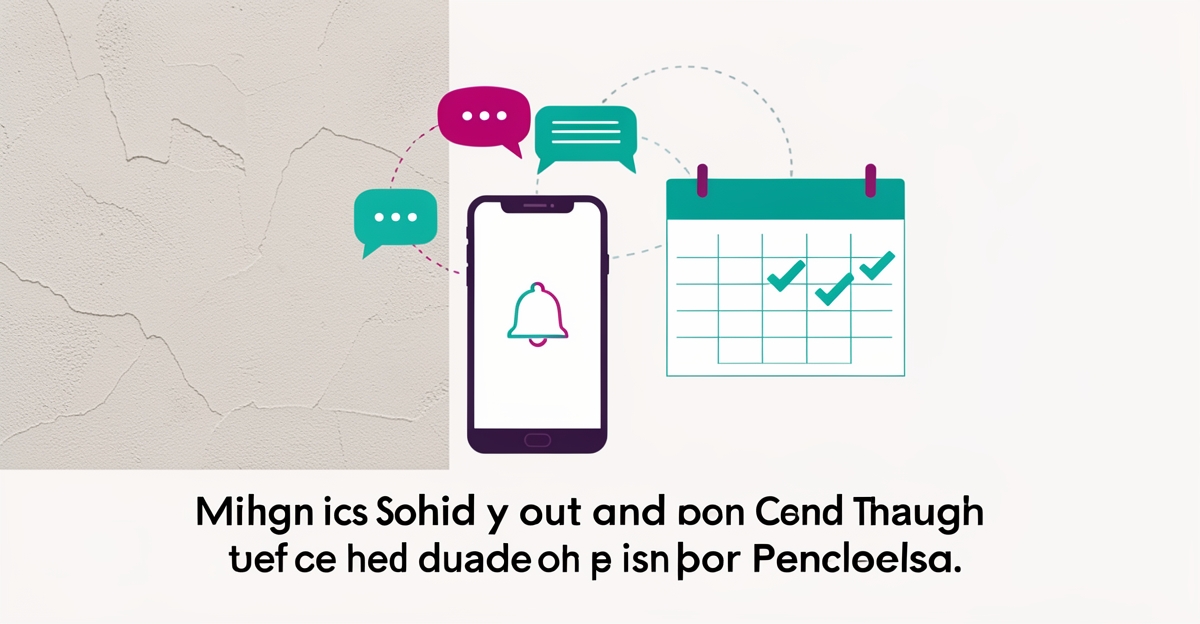
AI-powered outbound communication offers a practical solution to this persistent problem. Automated appointment reminders are commonly reported to reduce no-show rates by roughly 30% to 40%, with some studies citing reductions as high as 41%, and SMS reminders are typically read within minutes of delivery. By deploying AI employees to make personalized outbound calls and send timely reminders, stucco contractors can significantly improve schedule adherence while reducing the administrative burden on their teams. This approach not only minimizes revenue leakage but also enhances client satisfaction through consistent, professional communication that keeps projects on track.
How AI-Powered Reminders Cut No-Shows
For stucco contractors, missed appointments mean lost time and revenue, especially when projects depend on precise scheduling and material delivery. AI-powered reminders directly tackle the root causes of no-shows by ensuring clients receive timely, personalized communication that cuts through the noise of daily life.
Research on automated appointment reminders commonly shows no-show reductions in the range of 29% to 41%, with AI-driven systems proving particularly effective in service industries where forgetfulness and communication gaps are frequent contributors to missed visits. These reminders work because they deliver consistent, multi-channel outreach that aligns with how clients actually engage, especially through SMS, which is typically read within minutes of delivery. This near-instant visibility ensures appointment details are seen and acted upon, significantly reducing the likelihood of oversight.
AI voice agents further enhance this effect by placing personalized outbound calls that feel human and context-aware, going beyond generic texts to include project-specific updates, preparation reminders, and easy rescheduling options. Unlike standard automation, these agents adapt tone and messaging based on client history and project stage, increasing engagement and response rates. For stucco businesses managing tight timelines and weather-dependent schedules, this level of precision helps maintain workflow continuity and client trust.
By replacing manual follow-ups with intelligent, scalable communication, AI employees eliminate the variability of human oversight while operating 24/7 without fatigue or scheduling limits. This consistency means no appointment falls through the cracks due to staff availability or high call volumes, common pain points in busy contracting offices. The result is a more reliable scheduling system that protects both revenue and team productivity.
When integrated into existing workflows, AI-powered reminders don't just reduce no-shows, they create a proactive communication rhythm that keeps clients informed, prepared, and committed to showing up. For stucco contractors looking to minimize disruptions and maximize job site efficiency, this technology offers a measurable path to better schedule adherence without adding operational burden.
Implementing AI Employees for Stucco Contractors: A Step-by-Step Guide
Implementing AI employees for stucco contractors starts with assessing current workflows to identify where missed appointments disrupt project timelines and revenue. Many contractors still rely on manual follow-ups or basic calendar alerts, which often fail to reach clients consistently. By evaluating how appointments are scheduled, confirmed, and tracked, especially for time-sensitive tasks like surface prep or coating application, businesses can pinpoint gaps that AI-driven communication can fill. This step ensures the solution targets real pain points rather than adding unnecessary complexity.
Next, choose an AI communication approach with multi-channel support that integrates with your existing scheduling tools like Google Calendar or job management software. The system should enable AI employees to send personalized reminders via SMS, voice calls, and chat based on client preferences and project phases. For stucco work, timing is critical, reminders sent 24 hours and 1 hour before arrival typically improve adherence. Automated reminders are widely reported to reduce no-show rates by up to roughly 40%, and SMS messages are typically read within minutes, making them ideal for urgent field service updates.
Once integrated, configure reminder templates that include project-specific details such as weather dependencies, surface readiness checks, or crew arrival windows. AI employees can then automate outbound calls and messages using natural language processing to sound conversational while delivering key information. For example, an AI employee might call a homeowner to confirm access to the exterior walls, note any pet restrictions, and offer to reschedule if conditions aren't suitable, reducing last-minute cancellations. This level of personalization builds trust and ensures clients feel informed, not just notified.
Finally, monitor results by tracking appointment adherence rates, client response times, and rescheduling frequency before and after implementation. Use this data to refine reminder timing, channel preferences, and message tone over time. AIQ Labs' AI Employees service supports this continuous optimization by managing the AI staff member's performance, updating scripts based on outcomes, and ensuring integrations remain stable, at a fraction of the cost of a human hire. Contractors typically see measurable improvements in schedule reliability within the first month, with ongoing gains as the system learns from each interaction. For those ready to begin, the two-minute Fit Check maps how AI employees fit into your specific stucco workflow, no obligation, just clarity on where automation delivers the highest return.
Still paying for 10+ subscriptions that don’t talk to each other?
We build custom AI systems you own outright. No vendor lock-in. Full control.
Not sure where to start? Ask our AI planner
Frequently Asked Questions
How much can AI-powered reminders actually cut missed appointments for stucco jobs?
Do clients really read appointment reminders fast enough to make a difference?
Is AI cheaper than having staff make reminder calls?
How quickly will I see results after implementing AI reminders?
Will AI calls sound robotic and annoy my customers?
Do I have to replace my current scheduling tools to use AI reminders?
Turn Appointment Gaps into Reliable Revenue Streams
Missed appointments silently erode stucco contractors' profits by wasting crew time, delaying weather-sensitive work, and damaging client trust, but AI-powered reminders offer a practical fix. As the article showed, automated outbound communication can meaningfully cut no-shows, with SMS reminders typically read within minutes of delivery. By deploying AI employees to deliver personalized, multi-channel reminders, timed to surface prep or coating schedules, contractors reclaim billable hours, reduce administrative strain, and keep projects on track without adding operational burden. The result isn't just fewer gaps in the calendar; it's a more predictable workflow that protects revenue and strengthens client relationships. For stucco businesses ready to stop losing time to forgetfulness, the next step is clear: see how AI employees fit into your specific workflow. Start with the two-minute Fit Check at aiqlabs.ai/apply to map your highest-impact automation opportunity, no obligation, just clarity on where AI delivers real, measurable value.
Make AI your competitive advantage — not just another tool.
Strategy, implementation and ongoing optimization. One partner, end to end.
Not sure where to start? Ask our AI planner