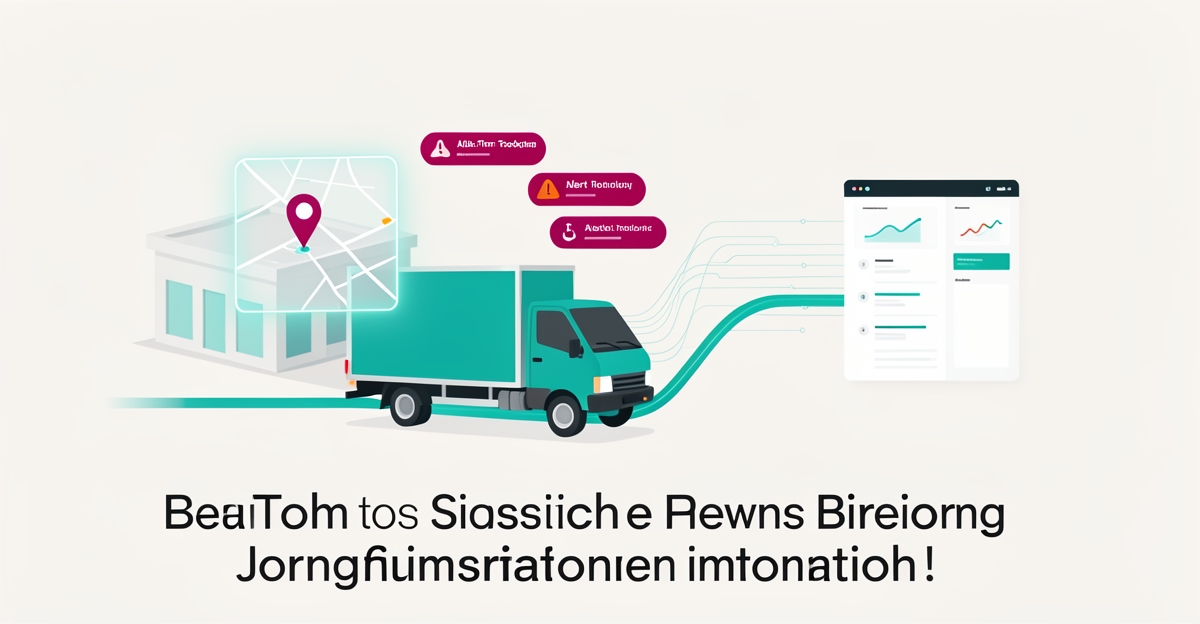
How AI Can Reduce Missed Deliveries in Ice Management: Real-Time Tracking & Alerts
Key Facts
- Eight in 10 of the global workforce say they lack enough time or energy to do their work according to industry research.
- 60% of meetings happen as ad hoc calls outside pre-scheduled day-to-day as reported in workplace studies.
- AI cut average logistics distance from roughly 900 km to 600–700 km per tonne for two Indian FMCG firms in AI-driven logistics case studies.
- Nestlé and Hindustan Unilever cut an estimated ₹400–500 crore in logistics and inventory waste in one year using AI-driven logistics.
- ML-driven production planning across 20+ plants cut waste by up to 40% and aligned output per supply chain analysis.
- Researchers were able to fool AI 100% of the time when nudged out of its comfort zone in a neural network study.
Hire a team member that works 24/7 — for less than a part-time wage.
AI receptionists, SDRs, dispatchers and 99+ roles. Trained on your business, fully managed.
Not sure where to start? Ask our AI planner
The Hidden Cost of Missed Ice Deliveries and Dispatcher Overload
Missed ice deliveries don’t just mean unhappy customers, they reflect a deeper strain on the people managing the process. Dispatchers and logistics teams in ice management operate under constant pressure, juggling route changes, weather disruptions, and last-minute customer calls. Research shows that eight in 10 of the global workforce say they lack enough time or energy to do their work, a reality amplified in high-touch, time-sensitive services like ice delivery where delays can cascade quickly according to industry research. This isn’t merely a routing problem, it’s a human capacity issue.
When teams are stretched thin, responses to disruptions become reactive rather than preventive. Instead of anticipating delays, staff scramble after a delivery is missed, trying to contact customers, reschedule, and absorb the fallout. The research notes that 60% of meetings are happening as ad hoc calls or quick chats outside the pre-scheduled day-to-day, highlighting how much time is lost to unplanned, interrupt-driven work as reported in workplace studies. In ice management, this looks like dispatchers fielding frantic calls from customers wondering where their order is, while simultaneously trying to reroute trucks and update internal logs, all without a system to flag issues early.
This constant context-switching drains focus and increases the chance of oversight. AI doesn’t replace the dispatcher’s expertise; it reduces the noise so they can focus on what matters. By automating real-time tracking and triggering alerts when a delivery deviates from schedule, AI creates space for human judgment to shine, turning missed deliveries from inevitable oversights into rare, manageable exceptions. For businesses using AI-powered voice and communication systems, this means missed deliveries aren’t just detected, they’re followed up on instantly, preserving trust without adding to the team’s load. AIQ Labs' [AI Employees](/ai-employees) can handle these follow-ups efficiently.
Real-Time Tracking, Predictive Alerts and AI-Powered Follow-Up
In ice management, a single missed delivery can trigger a cascade of customer dissatisfaction and operational strain. AI transforms this vulnerability by augmenting human judgment with live GPS, order, and weather data to predict delays before they happen. By recalculating ETAs in real time and detecting disruptions early, AI enables proactive adjustments that keep service reliable and customers informed. AI cut average logistics distance from roughly 900 km to 600–700 km per tonne for two of India’s largest FMCG companies, demonstrating how intelligent routing creates structural efficiency that reduces the likelihood of missed deliveries.
When a deviation is detected, such as a vehicle stalled in winter traffic or a sudden demand spike, AI instantly triggers alerts and initiates automated voice or SMS follow-ups. These communications apologize for the delay, explain the cause, and offer a revised time slot or reassignment option, turning a potential service failure into a moment of accountability. This approach aligns with the insight that AI allows us to be faster. Customer experience requires us to be better, emphasizing that technology should enhance, not replace, the human touch in service recovery.
AIQ Labs applies this principle through its AI workflow builds, which use conversational AI to manage sensitive, time-sensitive interactions at scale. The system doesn’t just send alerts, it engages customers in natural dialogue, captures their rescheduling preferences, and feeds that information back into dispatch systems for immediate action. By combining predictive analytics with empathetic communication, AI reduces the cognitive load on teams while ensuring no delivery falls through the cracks due to oversight or delay. Eight in 10 of the global workforce say they lack enough time or energy to do their work, making AI-driven automation not just efficient, but essential for sustaining operational focus and customer trust in high-stakes, time-sensitive services like ice management.
Human-in-the-Loop Reassignment That Protects Customer Retention
When a delivery is missed, the real risk isn't just the delayed product, it's the erosion of trust that follows. AIQ Labs applies its proven voice and communication AI, originally designed for sensitive collections follow-up, to transform these moments into opportunities for proactive service. The system automatically detects a missed delivery through real-time tracking deviations, then triggers an AI voice agent to contact the customer with empathy and clarity.
This approach directly addresses the cognitive overload faced by logistics teams, where eight in 10 of the global workforce say they lack enough time or energy to do their work. By automating the initial follow-up, the AI reduces the burden on human dispatchers who would otherwise juggle reactive calls amid other urgent tasks. The voice agent explains the delay, offers a revised time slot, and gathers any special instructions, all while maintaining a natural, helpful tone that reinforces reliability.
Critically, the AI does not act autonomously in sensitive customer interactions. Instead, it suggests a reassignment or communication plan for human review, ensuring a human-in-the-loop safeguard. This aligns with research showing that AI systems can be fooled 100% of the time when pushed beyond their training parameters, making oversight essential for preserving customer relationships. The human manager reviews the AI’s suggestion, approves adjustments, or takes direct control if the situation requires nuanced judgment, such as addressing a frustrated long-term client or coordinating a high-priority restock.
This structured handoff turns a potential service failure into a demonstration of accountability. As noted in industry insights, AI allows us to be faster. Customer experience requires us to be better. By combining automated detection with human-approved reassignment, AIQ Labs enables ice management providers to not only recover missed deliveries but to strengthen retention through transparent, timely communication, proving that technology’s true value lies in elevating, not replacing, the human touch.
Implementation Roadmap for Ice Delivery Teams
Implementing real-time tracking and alerting for ice delivery teams requires a structured, step-by-step approach that integrates AI with existing operations. The process begins by unifying data sources such as GPS trackers, order management systems, and customer databases into a centralized AI platform. This foundation enables continuous monitoring of delivery status against schedules, allowing the system to detect deviations, like a truck stalled in traffic or a missed drop-off, as they happen. According to industry research, AI-driven systems can predict more reliable ETAs by recalculating routes in real time and detect disruptions earlier, enabling proactive responses before delays impact the customer ai-driven logistics. Once data integration is complete, predictive models are deployed to anticipate risks based on weather, traffic patterns, and historical delivery performance, shifting the team from reactive firefighting to preemptive action.
With real-time visibility and predictive insights in place, the next step is automating alerting and follow-up workflows. When the AI identifies a delivery at risk of being missed, it triggers immediate alerts to both the dispatch center and the customer via preferred channels, SMS, email, or voice call. AIQ Labs’ [AI Employees](/ai-employees) excel here, using natural-sounding voice agents to proactively contact customers, explain delays, offer rescheduling options, and log interactions for audit trails. This automation reduces the cognitive load on human dispatchers, who, as research shows, often lack enough time or energy to manage repetitive tasks amid constant ad hoc demands cognitive overload. To ensure accountability and nuanced judgment, a human-in-the-loop protocol is established: supervisors review AI-generated alerts, validate recommendations, and approve service reassignments or special handling when needed.
Finally, the system enters a continuous refinement loop. Performance data, such as alert accuracy, customer response rates, and reassignment success, is fed back into the models to improve prediction precision and communication effectiveness. Over time, this creates a compounding advantage: fewer missed deliveries, higher on-time rates, and stronger client trust. Teams using AI for demand-sensing have reported aligning output with real-time needs and cutting waste by up to 40% through better forecasting ai-driven logistics. By following this roadmap, integrate, predict, automate, oversee, and refine, ice delivery teams transform missed deliveries from a chronic issue into a rare, manageable exception.
Still paying for 10+ subscriptions that don’t talk to each other?
We build custom AI systems you own outright. No vendor lock-in. Full control.
Not sure where to start? Ask our AI planner
Frequently Asked Questions
How does AI actually detect a missed or delayed ice delivery before the customer complains?
What happens after an alert is triggered, does someone have to call every customer manually?
Won't automated calls feel cold and damage customer relationships?
Why can't we just rely on our dispatchers to catch these problems themselves?
Can AI really make routing and deliveries more efficient, or is it just hype?
What does implementing this look like for a small ice delivery team?
Turning Missed Deliveries into Moments of Trust
AI doesn’t just prevent missed ice deliveries, it transforms them into opportunities to strengthen customer relationships. By combining real-time tracking, AI-powered alerts, and human-in-the-loop oversight, ice management teams can shift from reactive firefighting to proactive service, reducing cognitive load while preserving trust. The result is fewer disruptions, clearer communication, and a service experience that feels reliable even when challenges arise. For teams stretched thin by ad hoc demands and tight schedules, this isn’t about adding complexity, it’s about removing noise so expertise can shine. Ready to see how AI can work for your specific workflow? Start with a free strategy call to map your biggest bottleneck and explore where AI delivers real value, no obligation, just clarity. Book your free 30-minute strategy call and discover how AIQ Labs helps SMBs build owned, production-ready systems that scale with confidence.
Make AI your competitive advantage — not just another tool.
Strategy, implementation and ongoing optimization. One partner, end to end.
Not sure where to start? Ask our AI planner