# How AI-Powered Dispatch Systems Improve On-Time Service Delivery in Generator Installations
**Quick Answer:** AI-powered dispatch improves on-time generator installs by matching technician skills, weather, and live traffic to optimize routes in real time, typically cutting travel waste and increasing daily job completions for field service teams.
## Key Facts
- Many homeowners report difficulty finding trustworthy, timely service providers, a persistent gap in field service reliability.
- AI-driven scheduling is widely reported to reduce travel time and increase daily job completions for field service fleets, though exact figures vary by operation.
- AI route optimization can meaningfully reduce fuel consumption for fleets driving thousands of miles monthly.
- Real-time technician assignment improves on-time arrival and first-time fix rates by pairing the right tech with the right job.
- Reliable, transparent scheduling is one of the strongest drivers of customer satisfaction and repeat business in trades.
## Table of Contents
- [The On-Time Delivery Gap in Generator Installations](#the-on-time-delivery-gap-in-generator-installations)
- [How AI Dispatch Optimizes Technician Assignment and Routing](#how-ai-dispatch-optimizes-technician-assignment-and-routing)
- [From Faster Routes to Higher Customer Satisfaction](#from-faster-routes-to-higher-customer-satisfaction)
- [Implementing AI Dispatch Without Disruption](#implementing-ai-dispatch-without-disruption)
## The On-Time Delivery Gap in Generator Installations
Finding reliable, on-time generator installation service remains a persistent challenge for homeowners, with many reporting frustration over missed appointments and unclear scheduling. A large share of homeowners say they struggle to find trustworthy and timely service providers, highlighting a systemic gap in the industry's ability to deliver consistent experiences. This trust deficit often stems from manual dispatch processes that fail to account for real-world variables like technician availability, job complexity, and weather disruptions.
Manual scheduling creates predictable failure modes that directly impact service reliability. Dispatchers relying on spreadsheets or basic calendars frequently double-book technicians, underestimate travel time between jobs, or overlook last-minute cancellations, leading to missed appointments and costly emergency callbacks. These inefficiencies waste fuel and labor, and they erode customer confidence when homeowners are left waiting or forced to reschedule multiple times. The result is a cycle of delays, increased operational costs, and damaged reputations that manual systems struggle to break.
AI-powered dispatch systems address these bottlenecks by continuously analyzing technician schedules, job requirements, and environmental factors to optimize assignments in real time. By automating routing decisions and prioritizing urgent requests, these systems reduce travel waste and improve first-attempt completion rates. Industry reporting on AI-driven scheduling consistently points to meaningful reductions in travel time and more jobs completed per day. For businesses seeking to close the on-time delivery gap, intelligent dispatch represents a practical step toward more reliable, scalable service operations.
## How AI Dispatch Optimizes Technician Assignment and Routing
Generator installation crews lose hours every day to guesswork on who goes where and when. AI dispatch removes that friction by turning live operational data into instant assignment decisions.
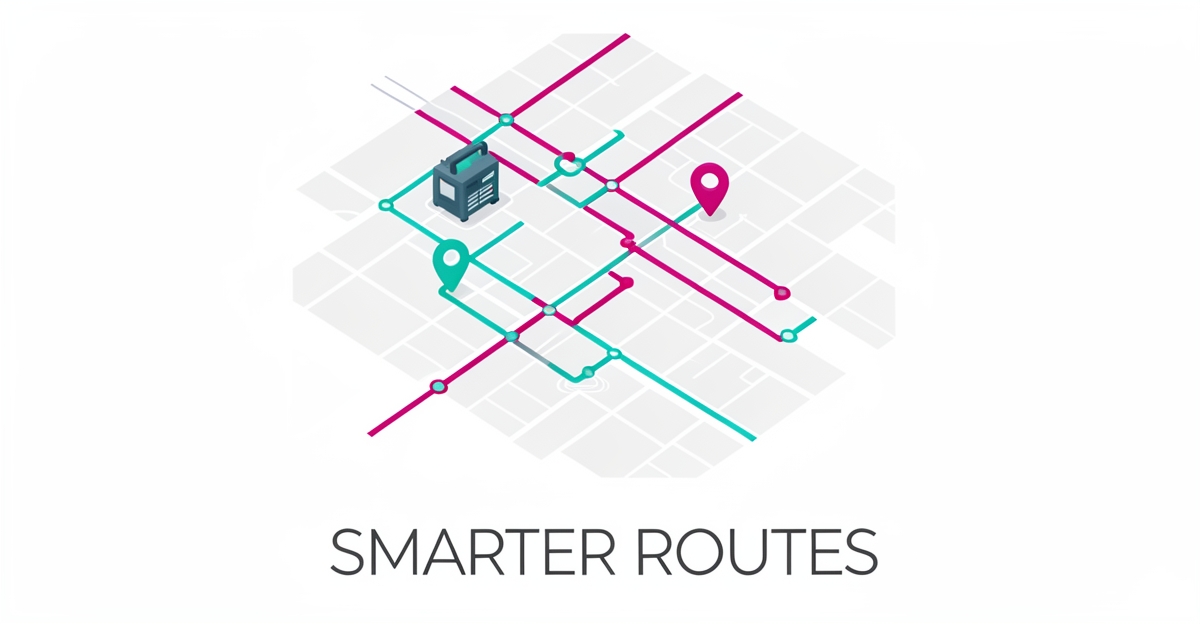
The system continuously evaluates technician availability, current location, skill certifications, and open job complexity. Weather conditions, site access constraints, and real-time traffic are layered in to avoid late arrivals and failed first attempts. This creates **auto-scheduling that adapts as conditions change**, not a static morning route sheet.
The gain comes from pairing the right technician with the right job at the right moment, rather than filling slots sequentially. Routing intelligence goes beyond shortest distance: the engine predicts delays, reroutes around congestion, and sequences installs to maximize billable hours per day. Fleets that adopt AI route optimization typically report lower fuel consumption, a direct cost saving for field service teams driving thousands of miles monthly.
Prioritization logic balances urgency, customer impact, and technician fit. Emergency generator installs, weather-sensitive sit
AI Employees
Hire a team member that works 24/7 — for less than a part-time wage.
AI receptionists, SDRs, dispatchers and 99+ roles. Trained on your business, fully managed.
See If You’re a Fit — AI Employees from $700/mo
Not sure where to start? Ask our AI planner
es, and customers with narrow access windows get flagged automatically. The dispatcher can focus on exceptions while the system handles routine triage and reassignment.
Real-time technician assignment is especially valuable in trades where job complexity varies widely. Live data on skills, parts availability, and travel time improves on-time arrival and first-time fix rates.
AI dispatch optimizes assignment and routing by:
- Matching technician skills and certifications to job complexity and equipment requirements
- Integrating live traffic, weather, and site access data to reroute before delays occur
- Prioritizing installs based on urgency, customer history, and estimated completion time
- Auto-adjusting schedules when a job runs long or a technician becomes available early
These capabilities align with AI Workflow Builds, where AIQ Labs rebuilds the one workflow that costs you the most, often dispatch, at a fixed price and in phases. The approach shifts routine scheduling and routing decisions to automation so human dispatchers can resolve complex issues.
The result is measurable operational lift: shorter drive times, more jobs completed per day, lower fuel spend, and fewer missed appointments. For generator installers, that translates to on-time service delivery when customers need power most.
## From Faster Routes to Higher Customer Satisfaction
When service teams arrive faster and fix issues right the first time, customers notice. AI-powered dispatch systems don't just optimize routes, they build trust through reliability, turning one-time jobs into lasting relationships.
Faster response windows mean fewer missed appointments and quicker resolutions for generator installations. When technicians arrive on time with the right parts and diagnostics, frustration drops and confidence grows. Industry reporting consistently links reliable arrival windows and first-time fixes to higher customer satisfaction and stronger repeat business.
- Performance monitoring tracks on-time arrival rates and first-time fix percentages, highlighting areas for continuous improvement.
- AI-powered diagnostic tools integrated with dispatch help catch issues early, reducing repeat visits and unexpected costs for clients.
- Transparent, AI-informed scheduling and pricing build the kind of trust that drives referrals and repeat business.
These outcomes compound over time: satisfied customers refer others, call back for maintenance, and choose providers they know will show up as promised. For businesses using AI dispatch, whether through an AI Employee dispatcher or a custom workflow build, the result is a service operation that's not just faster, but fundamentally more trustworthy. AIQ Labs helps generator installers turn operational precision into long-term customer loyalty, one on-time arrival at a time.
## Implementing AI Dispatch Without Disruption
Generator firms can't afford trial-and-error dispatch when a missed appointment erodes trust and revenue. Implementing AI dispatch without disruption starts with treating the rollout as an operational upgrade, not a rip-and-replace project.
Data quality and integration set the foundation. AI-powered dispatch systems require clean, structured data to function effectively, including technician skills, job history, inventory, and real-time location. Mapping these sources before activation reduces errors and prevents the AI from learning on noisy inputs. Integration with existing CRM, scheduling, and work-order tools ensures the dispatcher works inside current workflows rather than alongside them.
A phased pilot limits risk while proving value. Start with one territory or service line, feed the system historical jobs, and run parallel dispatch for two weeks. This approach surfaces data gaps, validates routing logic, and builds dispatcher confidence before broader rollout. **Clean data and tight integration** are the non-negotiable prerequisites for reliable automation.
Scaling considerations shape architecture from day one. As businesses grow, dispatch systems must scale to meet increasing demands without manual reconfiguration
AI Development
Still paying for 10+ subscriptions that don’t talk to each other?
We build custom AI systems you own outright. No vendor lock-in. Full control.
See If You’re a Fit — AI Employees from $700/mo
Not sure where to start? Ask our AI planner
. Modular design allows additional technicians, vehicles, and service types to be added without rebuilding core logic. Real-time analytics also enable priority handling for urgent generator installs, where weather and load complexity change quickly.
Technology investment should match maturity. AI-powered dispatch systems can be complex to implement and require real investment in technology and training. Firms benefit from a model where the system is built in phases and owned outright rather than rented forever. AIQ Labs offers exactly that through AI Operating Systems, one connected operating layer, built in phases, owned by you, or a managed AI Employee dispatcher at roughly 80% less cost than a human hire.
Practical rollout steps that preserve service continuity include:
- Audit and standardize technician availability, certifications, and job data before training models
- Connect dispatch to existing scheduling, CRM, and field service tools for single-source truth
- Pilot with a limited crew, measure travel time and completions, then expand territory by territory
- Train dispatchers on exception handling so humans supervise edge cases the AI flags
Early adopters consistently report shorter travel times, more completed jobs per day, and lower fuel spend. With so many homeowners having trouble finding trustworthy, timely service providers, faster and more reliable dispatch directly protects reputation and repeat business.
## Frequently Asked Questions
**How does AI-powered dispatch reduce travel time for generator installation technicians?**
AI-powered dispatch optimizes routing using real-time traffic, weather, and technician location. Most field service teams see meaningful travel-time reductions, though exact figures depend on the operation.
**What impact does AI dispatch have on daily job completion rates for generator installers?**
AI-driven scheduling increases daily job completions by matching the right technician to the right job at the right time, reducing guesswork in assignments and idle drive time.
**Can AI dispatch systems help reduce emergency repairs in generator installations?**
Yes. AI-powered diagnostic tools integrated with dispatch help catch issues early, reducing repeat visits and unexpected costs for clients.
**How does AI dispatch improve customer trust and repeat business for generator service providers?**
Reliable arrival windows, first-time fixes, and transparent scheduling build the trust that drives referrals and repeat business.
**What fuel savings can generator installation companies expect from AI route optimization?**
AI route optimization typically reduces fuel consumption for field service fleets, with savings depending on territory size and route density.
**Is it difficult to implement AI dispatch without disrupting current generator installation operations?**
Implementation can be done without disruption by starting with a phased pilot, ensuring clean data integration, and training dispatchers to handle exceptions while the AI manages routine triage.
## Turning On-Time Service into Your Competitive Edge
AI-powered dispatch systems close the on-time delivery gap by matching the right technician to the right job at the right moment, cutting travel waste, increasing daily job completions, and reducing fuel use through intelligent routing. These gains translate directly into higher customer satisfaction, fewer missed appointments, and stronger trust in your service reliability. For generator installers looking to move beyond manual scheduling and build a reputation for showing up when it matters most, the path forward starts with clean data, seamless integration, and a phased rollout that protects service continuity. Start with AIQ Labs' 2-minute Fit Check, then book a free 30-minute strategy call where we map your biggest bottlenecks and identify high-ROI automation opportunities, no sales pitch, just clarity on your AI opportunity.
AI Transformation Partner
Make AI your competitive advantage — not just another tool.
Strategy, implementation and ongoing optimization. One partner, end to end.
See If You’re a Fit — AI Employees from $700/mo
Not sure where to start? Ask our AI planner