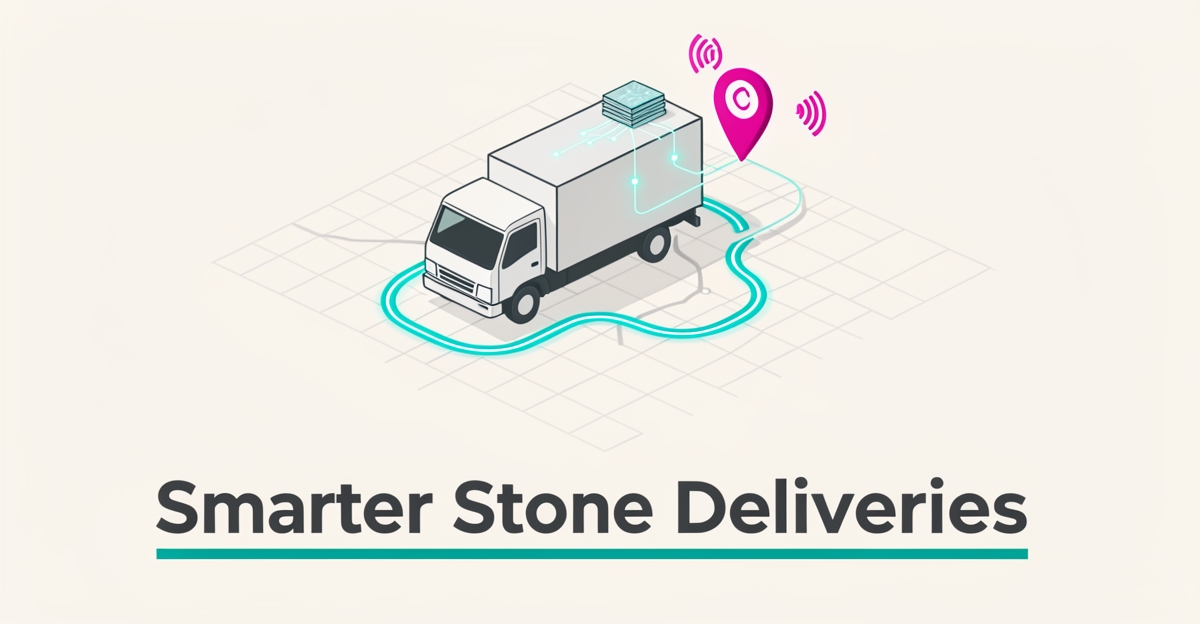
How an AI Dispatch Agent Can Optimize Delivery Scheduling for Stone Suppliers
Key Facts
- AI dispatch agents typically reduce delivery times meaningfully through optimized routing and predictive scheduling
- Automating route planning cuts the manual errors, double bookings, missed constraints, wrong sequences, that cause costly reschedules
- Automation can significantly reduce the cost of manual distribution tasks, from scheduling calls to status updates
- Automated SMS notifications can cover multiple distinct stages of the delivery process, from route start to completion
- AI dispatch agents provide real-time fleet and inventory tracking for live visibility into vehicle locations and delivery progress
- Predictive analytics in AI dispatch systems can anticipate supply chain disruptions before they occur
- Seamless integration between tools ensures dispatch decisions reflect real inventory and site status, not stale spreadsheets
Hire a team member that works 24/7 — for less than a part-time wage.
AI receptionists, SDRs, dispatchers and 99+ roles. Trained on your business, fully managed.
Not sure where to start? Ask our AI planner
The Stone Delivery Scheduling Bottleneck
A single mis-timed slab delivery can idle a full crew, blow a site window, and cost a supplier the next job. For stone suppliers, dispatch is where profit is won or lost, and most still run it on whiteboards, phone calls, and guesswork.
The core problem is that stone deliveries are unforgiving. Loads are heavy, sites have narrow access windows, and a crane or forklift is often booked for a specific hour. When a truck arrives late, the whole downstream schedule slips. Manual, reactive dispatch creates delays that cascade across an entire day's route plan.
Manual scheduling also multiplies errors. A dispatcher juggling calls, spreadsheets, and driver texts can easily double-book a truck, miss a weight restriction on a route, or forget to confirm a site is ready. Automated route optimization and dispatch significantly reduce these manual errors, a meaningful margin in a business where one wrong delivery can mean a wasted trip and a lost afternoon.
Customer coordination is the other frequent failure point. Contractors and homeowners want to know when the stone will actually arrive, so office staff spend hours making confirmation and follow-up calls. Modern route platforms now automate this entirely, sending SMS updates at multiple stages, route start, upcoming stop, advance reminders, and completion alerts, with variables like ETA and live tracking links built into each message. Without that automation, every update is a manual task that competes with actual dispatching work.
Then there's the cost pressure. Fuel burned on inefficient, unoptimized routes compounds daily, and missed on-time windows damage the delivery reliability that customers judge suppliers on. Industry analyses of logistics automation consistently find that streamlining operations from inventory to delivery cuts the cost of manual distribution tasks substantially, while AI-driven routing shortens delivery times.
The typical pain points stack up quickly:
- Delivery delays that cascade through tight site windows and idle waiting crews
- Manual dispatch errors, double bookings, missed constraints, wrong sequences
- Hours of phone-tag coordinating delivery times with customers
- Excess fuel spend from unoptimized routing of heavy loads
- Eroding on-time delivery rates that cost repeat business
The pattern across all of these is the same: dispatch decisions made from incomplete, stale information. That's precisely the gap AI dispatch agents are built to close, managing routes, tracking vehicle and resource availability in real time, and communicating with field teams as conditions change. At AIQ Labs, our AI Employees include dispatch roles that plug into the logistics and scheduling tools stone suppliers already use, so the fix works with your existing operation rather than around it.
How AI Dispatch Agents Optimize Routes and Real-Time Operations
Stone suppliers move heavy, fragile loads under tight site windows. An AI dispatch agent brings predictive planning and live coordination to that complexity, turning scheduling from reactive calls into a data-driven operation.
These agents manage delivery routes through predictive analytics, track vehicle and resource availability in real time, and automate communication between dispatchers and field teams. Industry research on logistics AI consistently shows that optimized routing shortens delivery times meaningfully, a gain that matters when stone loads are constrained by weight limits and access times.
Real-time fleet and inventory tracking gives dispatchers live visibility into vehicle locations, delivery progress, and inventory status. That visibility is crucial for stone suppliers who must coordinate heavy deliveries and ensure materials arrive when crews are on site. Route optimization also improves operational efficiency by cutting the paperwork and miscommunication that cause costly reschedules.
Predictive supply chain optimization analyzes historical data, weather patterns, traffic conditions, and other factors to anticipate delays and proactively adjust schedules. This capability is particularly valuable for stone logistics where site accessibility, fragile handling requirements, and customer coordination create unpredictable friction.
AI-based route and delivery management sequences stops to account for weight restrictions, delivery windows, and site-specific constraints. The system continuously re-optimizes as conditions change, keeping trucks loaded efficiently and crews productive.
Automated communication reduces manual follow-ups while improving customer experience. Modern route planning platforms outline multiple automated notification stages that keep customers informed without dispatcher effort:
- Route Started Alert when the driver begins the route
- Upcoming Stop Alert triggered as the driver approaches the location
- One-Day Advance Route Alert sent the day before delivery
- Completed Stop Alert confirming delivery or failure
- General updates for all scheduled deliveries
Messages can include variables for driver name, estimated arrival time, and a live tracking link, creating transparency that builds trust for high-value stone deliveries.
Integration is key to adoption. AI dispatch agents work alongside ERP, TMS, fleet management and warehouse systems so data flows without manual re-entry. Seamless integration between tools ensures dispatch decisions reflect real inventory and site status, not stale spreadsheets.
AIQ Labs builds custom AI agents that work seamlessly with existing logistics and scheduling tools, managing delivery routes, tracking availability, and communicating with field teams in real time. The result is fewer delays, higher on-time delivery rates, and a dispatch operation that scales with demand without adding headcount.
Automated Communication That Protects On-Time Delivery Reputation
Stone suppliers face constant pressure to maintain their on-time delivery reputation while managing complex logistics involving heavy materials and precise timing. Automated communication systems powered by AI dispatch agents directly address this challenge by delivering timely, relevant updates without manual intervention, ensuring customers and field teams stay informed throughout the delivery process.
Modern AI dispatch systems support multi-stage automated notifications triggered by key delivery milestones, significantly reducing the burden on dispatch teams. These systems can send alerts at five distinct stages: when a route begins, when approaching a customer location, one day in advance of delivery, upon completion of a stop, and for general updates to all scheduled deliveries. This structured approach ensures consistent communication without requiring dispatchers to manually track and message each delivery milestone.
Customizable message templates further enhance the effectiveness of these automated notifications, allowing stone suppliers to include critical details that build trust and transparency. Using variables such as driver or agent name, real-time estimated arrival time, and a live tracking link, each message becomes personalized and actionable. This level of customization eliminates generic updates while providing customers with the specific information they need to prepare for delivery, reducing missed appointments and improving overall satisfaction.
By automating these touchpoints, stone suppliers can dramatically reduce manual follow-up efforts that traditionally consume valuable dispatcher time. Industry analyses of logistics automation consistently find that automation substantially cuts manual distribution tasks, freeing staff to focus on exception handling and strategic planning rather than routine notifications. This efficiency gain directly contributes to improved on-time delivery rates, as dispatchers can allocate more attention to resolving delays before they impact customer commitments.
The cumulative effect of timely, personalized communication is stronger customer relationships and higher retention, particularly vital in the stone supply industry where reliability is a key differentiator. When customers receive proactive updates about their delivery status, they experience fewer surprises and greater confidence in the supplier's dependability. This proactive communication approach transforms what could be a source of frustration into an opportunity to reinforce the supplier's reputation for reliability, turning delivery notifications into a competitive advantage rather than just an operational necessity.
Integration and Implementation for Stone Suppliers
For stone suppliers, integrating an AI dispatch agent with existing operational systems transforms delivery scheduling from a manual chore into a streamlined, intelligent workflow. This integration ensures that route optimization, real-time tracking, and automated communication work in concert with ERP, TMS, fleet, and warehouse platforms, creating a unified operational view. AIQ Labs specializes in building these deep two-way API connections that eliminate data silos and enable seamless information flow across departments.
The practical setup begins with configuring automated notifications and dispatch workflows tailored to stone delivery nuances. Suppliers can enable five distinct SMS notification stages, route started, upcoming stop, one-day advance, completed stop, and general updates, each customizable with variables like driver name, ETA, and tracking links. Multi-stage communication of this kind reduces manual follow-ups while improving customer experience through timely, relevant updates.
Implementation follows a clear pilot-to-scale path. Start with a single workflow fix, such as automating dispatch notifications for one delivery route, through AIQ Labs' Workflow Builds, which rebuild the one workflow that costs you the most at a fixed price, in phases. This allows you to validate results before expanding to full fleet integration. Suppliers who want a full connected operating layer across dispatch, scheduling, and customer communication can graduate to an AI Operating System, built in phases and owned outright, no vendor lock-in, no renting your own infrastructure. As confidence grows, the AI dispatcher role scales across teams, continuously learning from performance data to refine routes, anticipate disruptions, and coordinate field teams in real time, working around the clock without fatigue, at a fraction of the cost of an additional human hire.
Still paying for 10+ subscriptions that don’t talk to each other?
We build custom AI systems you own outright. No vendor lock-in. Full control.
Not sure where to start? Ask our AI planner
Frequently Asked Questions
How does an AI dispatch agent actually help stone suppliers avoid late deliveries?
Will automating dispatch create more errors or fewer?
Do customers really get better updates with AI dispatch?
Can an AI dispatcher work with the ERP and TMS we already use?
What kind of cost savings should we expect from AI dispatch?
How do we start without ripping out our current process?
From Guesswork to Reliable Delivery: The Stone Supplier's Dispatch Advantage
Stone suppliers know that a single late slab can idle a crew, blow a site window, and cost the next job, yet many still manage dispatch with whiteboards, phone calls, and guesswork. As we've seen, AI dispatch agents close that gap by bringing predictive planning, real-time tracking, and automated communication to the complexity of heavy-load logistics. They optimize routes to shorten delivery times, cut manual scheduling errors, and automate customer updates across key delivery stages, freeing dispatchers from hours of phone tag while building trust through transparency. For stone suppliers operating on tight margins and unforgiving schedules, this isn't just about efficiency; it's about protecting reputation, preserving crews, and turning delivery reliability into a competitive edge. The path forward starts with pinpointing your biggest bottleneck. Take the two-minute Fit Check at https://aiqlabs.ai/apply to see where AI can unlock measurable gains in your dispatch operation, no obligation, just clarity on your highest-ROI opportunity.
Make AI your competitive advantage — not just another tool.
Strategy, implementation and ongoing optimization. One partner, end to end.
Not sure where to start? Ask our AI planner