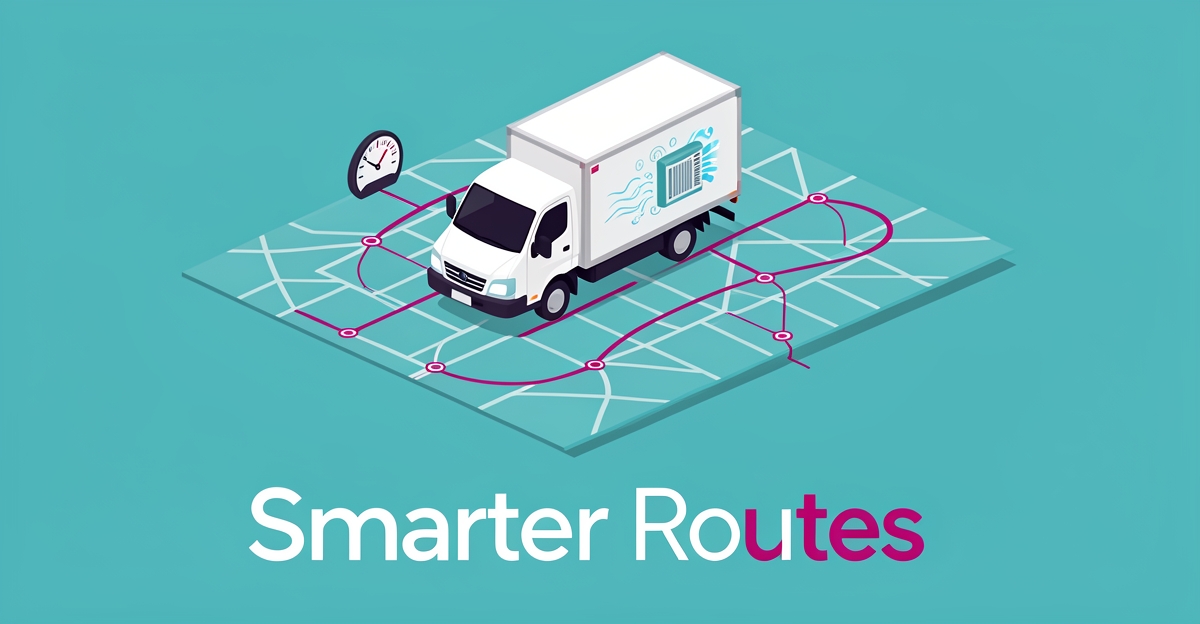
How an AI Dispatcher Can Optimize Delivery Routes for Your Meat Distribution Network
Key Facts
- AI dispatchers optimize routes by analyzing location data, service constraints, and real-time conditions like traffic and delivery windows
- Meat distribution demands strict cold-chain management: temperature excursions can mean rejected shipments, spoilage, and regulatory exposure
- AI systems fail at scale without operational design, visibility, rate limits, and human-in-the-loop guardrails are what keep dispatch reliable
- AIQ Labs has deployed 200+ multi-agent systems and runs 4 live SaaS products daily, applying that operational experience to logistics-heavy workflows
- AIQ Labs' AI Employee model integrates scheduling, tracking, and customer communication end-to-end as a managed dispatcher role
Hire a team member that works 24/7 — for less than a part-time wage.
AI receptionists, SDRs, dispatchers and 99+ roles. Trained on your business, fully managed.
Not sure where to start? Ask our AI planner
The Meat Delivery Efficiency Gap
The meat distribution network operates under relentless pressure where every minute counts and temperature integrity is non-negotiable. Unlike shelf-stable goods, meat products demand strict cold-chain management from warehouse to doorstep, turning route planning into a high-stakes balancing act of perishability, compliance, and customer expectations. Traditional dispatch methods, reliant on static routes and manual adjustments, buckle under real-time variables like traffic delays, last-minute order changes, or equipment fluctuations, each posing a risk of spoilage, rejected shipments, or costly reroutes.
This operational fragility is amplified by narrow delivery windows dictated by retail receiving schedules and food safety regulations, leaving little room for error. Dispatch teams often juggle dozens of variables simultaneously, temperature logs, driver availability, route efficiency, while manually updating schedules in spreadsheets or legacy systems. The result is chronic overload, where human dispatchers become bottlenecks rather than enablers of flow. Even advanced tools falter without robust operational design, which is why so many AI pilots stall before they reach production.
For meat distributors, the cost of inefficiency extends beyond fuel or labor, it includes product loss, brand damage, and regulatory penalties. Manual routing struggles to dynamically optimize for temperature-sensitive constraints, such as prioritizing shorter hauls for ground beef or avoiding heat-exposure corridors during peak summer hours. Without real-time visibility into vehicle location, cargo temperature, and delivery adherence, teams react to problems instead of preventing them. This gap between planning and execution erodes margins and trust, especially as customers demand traceable, on-time deliveries with zero compromise on freshness. Addressing this requires shifting from reactive dispatch to intelligent, adaptive orchestration, where AI doesn't just suggest routes, but continuously optimizes them against the living realities of cold-chain logistics.
From Model Hype to Operational AI Dispatch
The AI industry is repeating the cloud computing playbook: first came excitement about raw model capability, and now the real competitive edge belongs to operators who can run AI reliably at scale. As of late 2026, the conversation among serious operators has shifted from "which model is best" to "which system runs every morning without breaking", a shift that matters enormously for meat distributors deciding how to automate their delivery networks.
For logistics-heavy operations, this means an AI dispatcher's value comes less from clever algorithms and more from how well the system handles the messy realities of daily routing. AI dispatch software optimizes delivery routes by analyzing location data, service constraints, and real-time conditions, generating dispatch-ready itineraries that account for multiple stops and variables like delivery windows. In meat distribution, those constraints compound quickly: refrigeration limits, tight customer receiving hours, and perishable inventory leave little room for error. Systems that manage delivery schedules, track temperature, and enforce timely delivery convert routing intelligence into actual customer satisfaction, a capability AIQ Labs deploys as part of its AI Employees for logistics-heavy operations.
But deployment alone isn't enough. AI requests can fail at scale due to capacity limits and unmanaged complexity, which is why operational discipline separates working systems from stalled pilots. Distributors evaluating AI dispatch should demand three things from any implementation:
- Visibility, the ability to track where AI spend goes, how agents perform, and which routes or decisions drive outcomes, because you cannot operate what you cannot see.
- Control, rate limits, budget caps, and safeguards on agent actions to prevent runaway resource consumption and unpredictable behavior.
- Guardrails, validation layers, human-in-the-loop escalation, and audit trails so a misrouted cold-chain load never goes unreviewed.
The market is voting for this operational approach with its wallet. Workflow automation spending has been projected to keep growing steadily through 2030, and organizations that treat AI as an operations capability, not a one-off tool, typically see compounding returns as routes, schedules, and communications tighten up. Adoption is also bottom-up: team members increasingly bring their own AI tools to work, especially in SMBs, the very businesses that make up most of the meat distribution supply chain.
The lesson from the cloud era applies directly here. The winners in AI-powered logistics will not simply be those with access to the most powerful models, but those who treat AI as a long-term engineering and operations capability, building dispatch systems with the visibility, control, and guardrails to run reliably every single morning, routes locked and trucks rolling.
How an AI Dispatcher Optimizes Routes, Temperature, and Timeliness
Meat distribution faces unique challenges where route efficiency, temperature integrity, and on-time delivery directly impact product safety and customer trust. AI dispatchers transform these operational variables into coordinated, data-driven processes that adapt in real time to changing conditions.
An AI dispatcher generates dynamic routes that account for multi-stop delivery sequences, vehicle capacity, time windows, and traffic patterns, optimizing for both distance and delivery sequence to minimize transit time while preserving cold chain integrity. By integrating temperature sensor data from refrigerated units, the system continuously monitors cargo conditions and can trigger alerts or reroute shipments if thresholds are approached, reducing spoilage risk. Real-time re-routing capabilities allow the dispatcher to respond instantly to delays, road closures, or urgent order changes, maintaining schedule adherence without manual intervention. Automated customer updates provide proactive notifications on estimated arrival times and delivery status, improving communication and reducing inbound inquiries.
These capabilities align with broader trends in AI-driven logistics, where operational excellence determines success. The shift from model-focused AI to operational excellence mirrors the evolution of cloud computing, where managing infrastructure effectively became as important as the technology itself. Winning organizations treat AI as a long-term engineering and operations capability rather than just accessing powerful models.
AIQ Labs delivers this operational precision through its AI Employee model for dispatchers, a managed solution that integrates with existing logistics tools to handle scheduling, tracking, and customer communication end-to-end. With 200+ multi-agent systems deployed and 4 live SaaS products the company runs daily, the operational playbook is proven in production, not just in demos. By combining dynamic route generation, temperature-aware routing, and real-time adaptability, AI dispatchers help meat distributors maintain product quality, reduce waste, and deliver reliably, turning logistics complexity into a competitive advantage.
Implementing an AI Dispatcher Without Operational Risk
Implementing an AI dispatcher for your meat distribution network requires a disciplined approach to avoid operational risk while capturing efficiency gains. The shift toward AI operations means success depends less on raw model power and more on structured implementation practices that ensure reliability and scalability from day one. Begin by defining clear operational goals, such as reducing delivery times or improving on-time performance for temperature-sensitive shipments, so the AI dispatcher's behavior aligns with business outcomes. Establish visibility and attribution early by tracking route efficiency metrics and agent decision logs to identify bottlenecks and measure impact. Implement control mechanisms like rate limits on dispatch requests and budget caps on AI spend to prevent resource overconsumption and maintain cost predictability. Optimize application design through efficient prompt engineering and streamlined agent interactions, which can significantly reduce unnecessary token usage and cost. Prioritize infrastructure management by monitoring utilization patterns and right-sizing resources to avoid bottlenecks that degrade performance. Finally, consider multi-agent orchestration where specialized agents handle distinct tasks, such as route planning, temperature monitoring, and customer notifications, collaborating through a coordinated framework to enhance reliability and scalability.
AIQ Labs supports this phased approach through its Workflow Builds service, rebuilding the one workflow that costs you the most at a fixed price, validated stage by stage, or, for networks that need a fully connected layer across dispatch, inventory, and customer communication, an AI Operating System built in phases and owned outright. Flexible payment models, Start Monthly, Build in Milestones, or Own It Outright, let you validate each stage before full commitment while retaining all work completed to date. This methodical rollout minimizes disruption and builds confidence in the system's ability to handle real-world logistics complexity. By grounding implementation in operational excellence rather than chasing model hype, your AI dispatcher becomes a dependable extension of your team, optimizing routes, ensuring compliance, and delivering consistent value without introducing avoidable risk.
Still paying for 10+ subscriptions that don’t talk to each other?
We build custom AI systems you own outright. No vendor lock-in. Full control.
Not sure where to start? Ask our AI planner
Frequently Asked Questions
How does an AI dispatcher handle real-time traffic delays while keeping meat shipments within safe temperature limits?
What kind of return on investment can meat distributors expect from implementing an AI dispatcher for route optimization?
Why do some AI dispatch systems fail when scaled up, and how can meat distributors avoid this risk?
What specific controls should meat distributors look for in an AI dispatcher to prevent unexpected costs or system overload?
Can an AI dispatcher integrate with our existing logistics tools, or do we need to replace our current systems?
How do we get started with an AI dispatcher for our meat distribution network?
From Route Planning to Reliable Delivery: Making AI Work for Your Meat Network
This article has shown how AI dispatchers transform meat distribution by dynamically optimizing routes, monitoring temperature integrity, and adapting in real time to traffic, delays, and order changes, turning cold-chain logistics from a reactive scramble into a predictable, efficient operation. The true value lies not in the AI model itself, but in operational excellence: visibility into performance, control over resource use, and guardrails that prevent costly errors. For meat distributors facing tight margins and zero tolerance for spoilage, this means less waste, fewer rejected shipments, and stronger customer trust through consistent, on-time delivery. The path forward starts with a clear assessment of your biggest bottlenecks. Take the first step with a free, no-obligation strategy call to see where AI can deliver measurable impact in your network, without the hype or hidden risks.
Make AI your competitive advantage — not just another tool.
Strategy, implementation and ongoing optimization. One partner, end to end.
Not sure where to start? Ask our AI planner