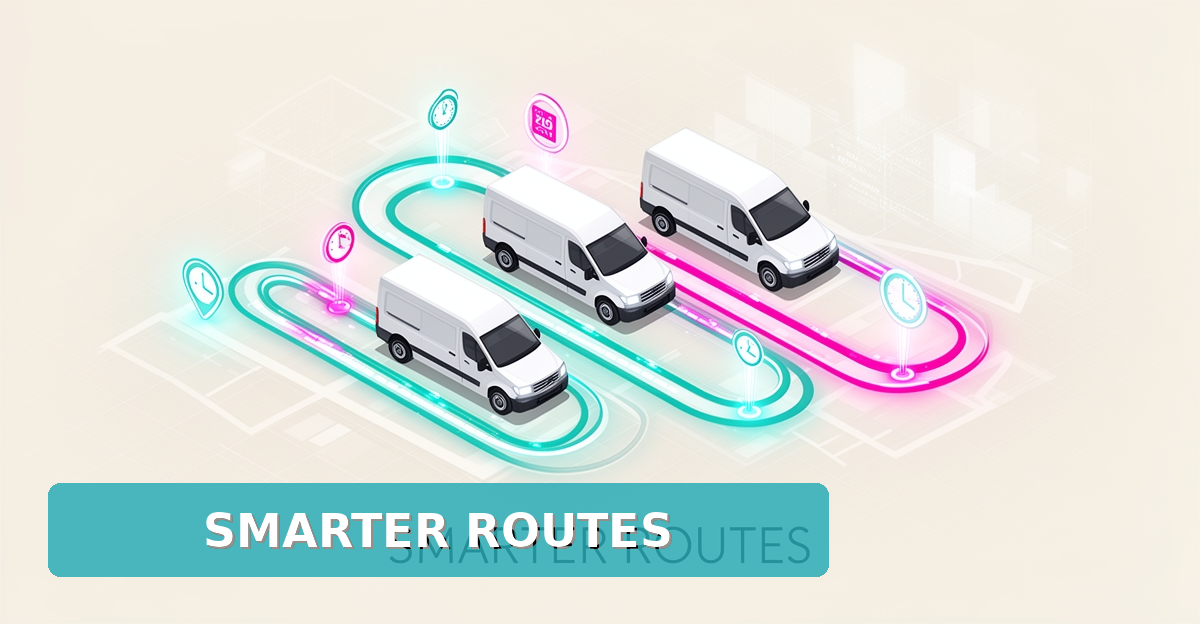
How an AI Dispatcher Can Optimize Delivery Scheduling for Your Wrap Shop Fleet
Key Facts
- AI dispatch software typically cuts manual planning time dramatically—often by more than half—compared to spreadsheets and phone tag.
- On-time delivery rates typically improve meaningfully once routing and assignments are optimized in real time.
- Real-time re-sequencing prevents idle vans and missed install windows when jobs run long or customers reschedule.
- Integration with your shop calendar and customer database eliminates double entry and booking conflicts.
- AIQ Labs has deployed 200+ multi-agent systems and runs 4 live SaaS products daily.
Hire a team member that works 24/7 — for less than a part-time wage.
AI receptionists, SDRs, dispatchers and 99+ roles. Trained on your business, fully managed.
Not sure where to start? Ask our AI planner
The Wrap Shop Dispatch Bottleneck
Wrap shops often face a persistent dispatch bottleneck that turns scheduling into a daily scramble. Manual planning consumes hours every week—time that AI dispatch software can reclaim—yet many shops still rely on spreadsheets and whiteboards, leading to idle vans, missed install windows, and technician downtime. When appointments shift last-minute, the lack of real-time visibility forces reactive decisions that disrupt workflow and increase operational friction.
These inefficiencies directly impact service reliability and customer satisfaction. Manual scheduling struggles to adapt to changing technician availability or urgent job requests, resulting in missed delivery windows and underutilized fleets. Every missed window costs trust as well as time. Without dynamic routing and workload balancing, wrap shops lose opportunities to maximize vehicle utilization and technician productivity.
Common pain points include technicians waiting for next assignments, vans idling between jobs, and installers arriving early or late due to rigid schedules. Last-minute cancellations or emergency repairs further destabilize the day's plan, often requiring phone trees and manual rescheduling that eat into productive time. AIQ Labs' AI Dispatcher AI Employee addresses this by continuously monitoring job status, technician location, and appointment windows to optimize scheduling in real time.
- Idle vans during gaps between jobs
- Missed installation windows due to poor routing
- Technician downtime from unclear next assignments
- Last-minute changes disrupting entire schedules
- Excessive time spent on manual planning and rescheduling
The cumulative effect is a cycle of inefficiency where shops pay for idle time, rush to fix missed appointments, and operate below capacity—all while trying to maintain service quality. Breaking this cycle requires shifting from static, manual dispatch to intelligent, adaptive scheduling that responds to real-time conditions. AI dispatch software enables this shift by automating route optimization, balancing workloads, and providing accurate ETAs, directly reducing the friction that causes delays and underutilization. For wrap shops aiming to deliver consistent, on-time installations, overcoming the dispatch bottleneck is not just about saving time—it's about building a reliable, scalable operation.
How AI Dispatchers Optimize Fleet Scheduling in Real Time
Wrap shop fleets live or die on minutes between installs, and manual dispatch bleeds both. An AI dispatcher replaces spreadsheets and phone tag with real-time orchestration of appointments, routes, and technician availability.
The system continuously ingests shop calendar, customer database, and live traffic to re-sequence jobs as conditions change. That real-time view reduces idle time, prevents missed appointments, and keeps crews moving on billable work instead of waiting.
The time savings compound quickly. Planning that once took an hour of spreadsheet work each morning typically shrinks to minutes of review, letting managers react to last-minute changes in seconds rather than hours.
On-time performance improves materially. Businesses that move from manual dispatch to AI-driven scheduling typically report meaningful gains in on-time delivery rates, because routes, assignments, and ETAs stay accurate as the day unfolds instead of falling apart after the first disruption.
In practice, the dispatcher handles three core workflows at once:
- Appointment scheduling that syncs with shop calendar and customer database to avoid double-booking and travel gaps
- Vehicle routing and dynamic re-routing for fuel efficiency and maximized vehicle utilization
- Technician availability matching based on skill, location, and current workload
This is where real-time optimization replaces reactive firefighting. When a job runs long or a customer reschedules, the AI reassigns the next closest qualified tech and pushes updated ETAs and proactive notifications automatically.
For wrap shops, that means fewer missed windows and more installs per day without adding headcount. AIQ Labs builds custom AI systems that sync with your shop's calendar and customer database to ensure seamless operations, integrating dispatch logic directly into existing tools instead of adding another dashboard.
The result is a dispatch layer that learns your routes, preferences, and constraints, then executes consistently. Crews get clear assignments, customers get accurate ETAs, and owners get visibility without micromanagement.
Core Features That Drive Efficiency and Customer Experience
The difference between a wrap shop fleet that runs on gut feeling and one that runs on intelligent automation often comes down to a handful of core capabilities. When these features work together, the results are measurable: manual planning time drops sharply, freeing your team to focus on installs rather than logistics.
Knowing where every vehicle and technician is at any moment transforms how a wrap shop operates. Real-time tracking lets you spot delays before they cascade, reroute a driver stuck in traffic, and answer customer questions with confidence instead of callbacks. This visibility is the foundation for proactive ETAs — customers receive accurate arrival windows and live updates rather than vague half-day windows.
Manual scheduling breaks down fast when a shop juggles multiple vehicles, mobile install teams, and drop-off appointments. An AI dispatcher assigns jobs based on technician availability, skill set, location, and job duration — instantly and without the phone tag. Planning cycles that once consumed a manager's morning typically compress to a short review-and-approve step.
Every unnecessary mile costs fuel and every idle hour costs revenue. Route optimization sequences stops to minimize drive time, while capacity planning ensures no vehicle sits empty and no technician gets double-booked. For wrap shops running mobile installs or material pickups, this translates directly into fuel savings and higher fleet utilization — more jobs completed per day with the same resources.
The capabilities worth prioritizing include:
- Live GPS tracking with automated customer ETA notifications
- Intelligent job assignment based on technician skills and availability
- Dynamic route optimization that adapts to traffic and schedule changes
- Capacity and workload balancing across your entire fleet
- Two-way sync with your shop calendar and customer database
A dispatcher is only as smart as the data it can access. When the system syncs directly with your shop's calendar and customer records, it eliminates double entry, prevents booking conflicts, and keeps every appointment detail — vehicle info, wrap specs, customer history — attached to the right job. This is where custom-built systems earn their keep: AIQ Labs designs AI dispatchers that connect natively with the tools a shop already runs on, so scheduling, routing, and customer communication operate as one continuous workflow rather than disconnected tasks.
The compounding effect matters most. Each feature reinforces the others — tracking feeds better ETAs, optimization improves utilization, and integration keeps everything accurate — which is how a well-built dispatcher becomes the most reliable part of your operation rather than another tool to babysit.
Implementation Roadmap for Wrap Shops
Rolling out an AI dispatcher doesn't have to mean months of disruption. Wrap shops that follow a structured roadmap—needs assessment first, training last—consistently see faster payback.
Start with a needs assessment. Map out your fleet size, technician count, and typical delivery routes, then identify where scheduling breaks down today—double bookings, idle vans, or missed appointment windows. This audit becomes the benchmark you measure improvement against.
Next, define your integration requirements. Your dispatcher needs to sync with your shop's calendar, customer database, and any existing scheduling tools, or you'll just add another silo. Custom AI systems like those built by AIQ Labs connect directly to the tools you already use, so appointment data, customer records, and technician availability stay in one place.
Before committing, evaluate options on three fronts:
- Cost structure—upfront investment versus ongoing subscription or ownership models
- Features—real-time tracking, automated dispatch, route optimization, and capacity planning
- Scalability—whether the system grows with your fleet and appointment volume
Then implement in phases. Configure your technicians and vehicles in the system, set routing rules that reflect how your wrap jobs actually sequence, and run the AI dispatcher alongside your current process for a few weeks. This parallel approach catches edge cases before they affect real customers.
Training is where many implementations stall. Technicians and front-desk staff need role-specific training, not a generic demo—show installers how job assignments appear on their end, and show schedulers how the AI handles conflicts. When teams understand the system works for them rather than replacing their judgment, adoption follows.
Finally, commit to ongoing monitoring and optimization. Review on-time performance weekly, adjust routing rules as your service area changes, and retrain the system with real-world data. Shops that treat this as a continuous process keep improving long after the initial rollout.
The right engagement model depends on your situation. A Start Monthly approach lets you deploy an AI dispatcher with a flat monthly plan—build, training, integrations, and monitoring included—and pause or adjust anytime. Build in Milestones suits shops that want to phase in a full dispatch workflow while paying per approved stage. For shops ready to make dispatch a permanent competitive asset, the Own It Outright model transfers full ownership of the code, agents, and data to you. You can compare all three on the pricing page.
If you're unsure where to begin, a free 30-minute strategy call can map your biggest scheduling bottleneck and identify the highest-ROI automation opportunities—no obligation, just clarity on what's worth building.
Still paying for 10+ subscriptions that don’t talk to each other?
We build custom AI systems you own outright. No vendor lock-in. Full control.
Not sure where to start? Ask our AI planner
Frequently Asked Questions
How much time can an AI dispatcher save on manual planning for a wrap shop?
Will an AI dispatcher improve our on-time installation rates?
How does an AI dispatcher handle last-minute changes like cancellations or delays?
Can an AI dispatcher work with our existing shop calendar and customer database?
What kind of ROI can we expect from implementing an AI dispatcher?
Is implementing an AI dispatcher disruptive to our current operations?
From Reactive Dispatch to Reliable Revenue
Wrap shops don't need more vans or longer hours — they need dispatch that adapts in real time. Moving from spreadsheets and phone tag to an AI dispatcher eliminates idle time, missed install windows and reactive rescheduling by continuously syncing your shop calendar, customer database and technician availability, then re-sequencing routes and assignments as conditions change. The result is fewer gaps between jobs, accurate proactive ETAs, and crews focused on billable installs instead of waiting for instructions. If you want to see where the biggest friction is in your fleet today, start with a clear audit of routes, double bookings and idle time, then test real-time optimization in parallel with your current process. AIQ Labs builds custom AI systems that integrate natively with the tools you already use to make this shift seamless. Start the 2-minute Fit Check at https://aiqlabs.ai/apply for a free 30-minute strategy call to map your bottleneck and identify the highest-ROI automation opportunities — no obligation, just clarity.
Make AI your competitive advantage — not just another tool.
Strategy, implementation and ongoing optimization. One partner, end to end.
Not sure where to start? Ask our AI planner