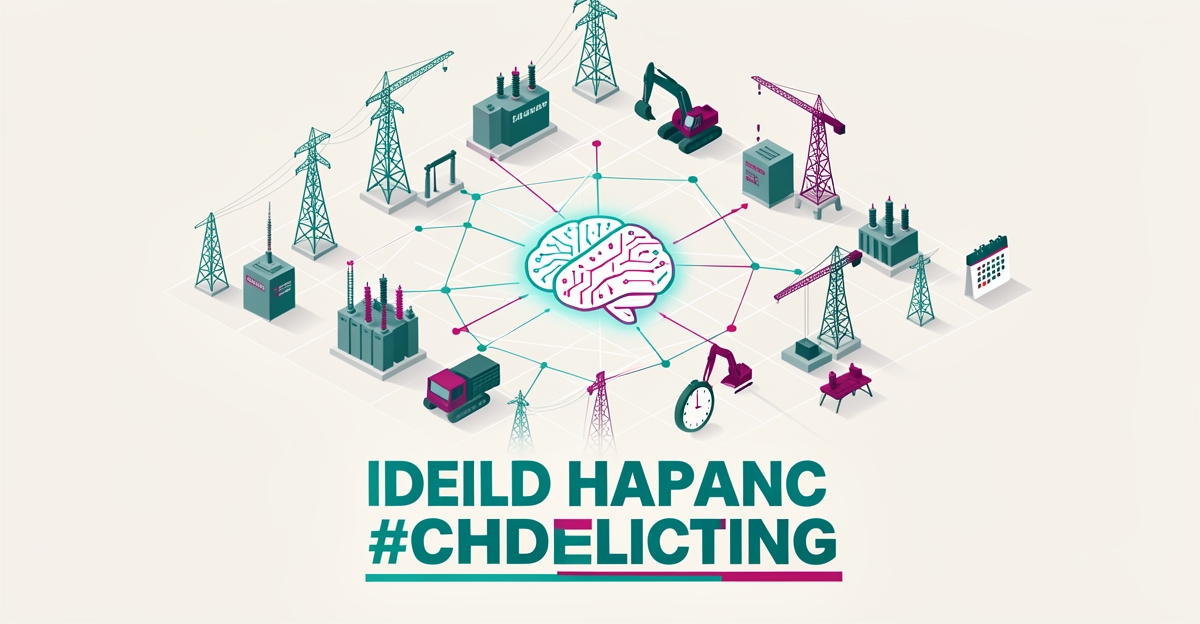
How an AI Dispatcher Can Optimize Equipment Scheduling in Substation Construction Projects
Key Facts
- Dispatch optimization AI is a fast-growing segment of construction and field-service software, with industry analyses as of late 2026 showing sustained double-digit annual growth
- AI-powered dispatching can reduce delays and costs by dynamically adjusting routes and schedules based on real-time conditions
- AI route optimization can reduce fuel consumption by minimizing unnecessary mileage and idling
- AI-powered dispatching can improve stakeholder satisfaction with real-time updates and tracking
- AI integration in substation construction can materially improve equipment scheduling and reduce idle time
Hire a team member that works 24/7 — for less than a part-time wage.
AI receptionists, SDRs, dispatchers and 99+ roles. Trained on your business, fully managed.
Not sure where to start? Ask our AI planner
Idle Equipment and Scheduling Delays in Substation Projects
Manual dispatching in substation construction creates expensive gaps between plan and reality. Equipment sits while crews wait, crews move while equipment is unavailable, and site rotations slip with every phone call and spreadsheet update.
Manual processes rely on static schedules and human memory. Dispatchers juggle equipment availability, crew certifications, travel time, and site access windows without real-time visibility. The result is idle equipment and misaligned crews that compound across remote job sites.
Industry analyses of dispatch optimization AI consistently point to the same pain: contractors are moving away from manual coordination because static plans cannot keep up with field conditions. As of late 2026, dispatch optimization AI remains one of the faster-growing segments of field-service and construction software, with sustained double-digit annual growth reported across market studies.
Manual dispatching produces predictable, costly friction points:
- Equipment idle time from late releases and poor handoffs between sites
- Crew misalignment when skills, certifications, and location do not match the assigned task
- Site rotation delays caused by reactive rescheduling and incomplete visibility into travel and setup
- Reduced stakeholder satisfaction from missed windows and lack of real-time updates
These inefficiencies drive direct cost and reputational risk. AI-driven dispatching addresses them by leveraging real-time data, automation, and predictive analytics to reduce delays and keep service on schedule. AI-powered route optimization can also reduce fuel consumption and operating costs by minimizing unnecessary mileage, idling, and fuel-wasting behaviors.
Stakeholder impact is immediate. AI-powered dispatching can improve satisfaction by providing real-time updates, tracking, and alerts that enhance transparency. In substation work, where outages and access windows are tightly constrained, visibility translates to trust.
The contrast with manual dispatch is clear. Manual dispatching offers low upfront costs and easy implementation but creates inefficient routing, delays, and missed windows. AI-powered dispatching delivers improved operational efficiency and reduced costs, though it requires investment in infrastructure, training, and data analytics.
AIQ Labs approaches this through AI Workflow Builds, rebuilding the dispatch workflow that costs the most, equipment allocation, crew assignments, and site rotations, at a fixed price and in phases. AI dispatchers work alongside project managers to ensure coordination across remote job sites without replacing the human oversight that substation work demands.
How AI-Powered Dispatching Optimizes Allocation and Rotations
Substation construction projects involve intricate coordination of specialized equipment, skilled crews, and multiple remote sites. Traditional manual dispatching methods often lead to inefficiencies, delays, and increased costs. AI-powered dispatching offers a practical alternative.
AI-driven dispatching systems leverage real-time data, automation, and predictive analytics to optimize equipment allocation, crew assignments, and site rotations. Market studies as of late 2026 continue to show strong, sustained growth in dispatch optimization AI, reflecting how many field operations are moving in this direction.
One key benefit of AI dispatching is its ability to dynamically adjust routes and schedules. When a crew finishes early, a transformer delivery slips, or a site access window changes, the system re-optimizes immediately instead of waiting for the next morning's spreadsheet revision. This route optimization minimizes unnecessary mileage, idling, and fuel-wasting behaviors, reducing fuel consumption and operating costs.
Moreover, AI dispatchers can process large amounts of data to make informed decisions. They consider factors such as equipment availability, crew skills, site requirements, and real-time conditions to optimize allocations. This ensures that the right resources are at the right place at the right time, preventing idle time and delays.
The benefits extend beyond operational efficiency. By providing real-time updates, tracking, and alerts, these systems enhance transparency and improve the stakeholder experience across project owners, site leads, and utility coordinators.
At AIQ Labs, we deploy AI dispatchers as managed AI Employees that work alongside project managers to ensure coordination across remote job sites, typically at a fraction of the cost of a human hire. With 200+ multi-agent systems deployed and four live SaaS products we run daily, we help businesses optimize their equipment scheduling with systems that are already proven in the field.
While implementing AI-powered dispatching requires investment in infrastructure, training, and data analytics, the long-term benefits are substantial: less idle equipment, fewer missed access windows, and schedules that hold up under real field conditions.
To put AI dispatching to work, consider the following steps:
- Assess your current dispatching processes and identify the workflow that costs the most
- Invest in the necessary infrastructure, including data collection and analytics tools
- Partner with an experienced AI provider to build a dispatching system around your actual constraints
- Train your team on the new system and establish clear protocols for its use
- Continuously monitor and refine the system based on performance data and feedback
By adopting AI-powered dispatching, substation construction companies can optimize their equipment allocation, crew assignments, and site rotations. This leads to improved operational efficiency, reduced costs, and better on-time delivery in an increasingly competitive industry.
From Manual Dispatch to Real-Time AI Coordination
Substation construction projects have long relied on manual dispatching, where coordinators juggle spreadsheets, phone calls, and static schedules to manage equipment and crews. This approach often leads to inefficient routing, extended idle time, and costly delays, especially across remote job sites where real-time visibility is limited. Manual methods struggle to adapt to changing conditions, resulting in wasted fuel, missed deadlines, and frustrated stakeholders.
AI-powered dispatching transforms this process by continuously analyzing equipment locations, job priorities, and site availability to optimize scheduling in real time. Unlike static plans, AI systems dynamically adjust routes, rerouting vehicles, reassigning crews, and rescheduling tasks as conditions shift, minimizing unnecessary mileage and idling. This capability reduces fuel consumption and operating costs by eliminating fuel-wasting behaviors like detours and prolonged waiting. Teams using AI dispatching typically see measurable gains in resource utilization within the first project cycle.
Beyond cost savings, AI dispatching enhances transparency by providing live updates to project managers and stakeholders through integrated dashboards and automated alerts. Crews receive instant schedule changes on their devices, while managers gain a clear view of equipment utilization across all sites. This real-time coordination improves stakeholder satisfaction by ensuring timely arrivals and reducing unexpected delays. The sustained growth in dispatch optimization AI as of late 2026 reflects increasing demand for these capabilities in field operations.
However, adopting AI dispatching requires upfront investment in compatible infrastructure, staff training, and data analytics capabilities. Companies must integrate GPS telematics, fleet management tools, and project scheduling platforms to feed accurate data into the AI system. Training ensures teams trust and effectively use the technology, while ongoing data analysis refines predictive models over time. One caution: the current automation landscape has a poor signal-to-noise ratio, with many tools failing to meet the dynamic needs of construction environments, vetting vendors matters. AIQ Labs supports this transition by deploying AI Employees that work alongside human dispatchers, providing managed expertise without the complexity of building systems from scratch.
Implementing an AI Dispatcher for Substation Construction Teams
Implementing an AI dispatcher in substation construction begins with aligning AI capabilities to specific project workflows, ensuring the system supports real-time equipment allocation and crew coordination. AIQ Labs deploys managed AI Employees as dispatchers that work alongside project managers, using integrated data from job site tools to prevent scheduling conflicts and reduce idle time. This approach optimizes equipment allocation, crew assignments, and site rotations, leading to improved operational efficiency and reduced costs.
The implementation follows a phased rollout tailored to substation project timelines, with payment models like Start Monthly or Build in Milestones to manage risk and demonstrate value early. Teams begin by integrating the AI dispatcher with existing project management and scheduling platforms, enabling automated data synchronization across CRM, calendar, and inventory systems. This foundation allows the AI to monitor equipment availability, crew locations, and task dependencies in real time, dynamically adjusting schedules to minimize delays and fuel-wasting behaviors.
Key steps include configuring the AI dispatcher to prioritize critical path activities, setting up real-time alerts for equipment delays or site access issues, and establishing feedback loops where project managers refine AI decisions based on field conditions. Over time, the system learns from historical data to predict bottlenecks and recommend proactive adjustments, such as pre-positioning transformers or scheduling crew rotations during optimal weather windows.
To ensure smooth adoption, AIQ Labs provides training for project managers and site leads on interpreting AI recommendations and overriding decisions when necessary, maintaining human-in-the-loop control for critical choices. The AI Employee model includes ongoing monitoring, performance tuning, and tool integration updates, ensuring the dispatcher evolves with project needs. Substation teams can start with a single workflow, such as equipment dispatch for a specific substation phase, and scale toward a full AI Operating System as confidence grows.
This structured approach transforms manual, reactive scheduling into a proactive, data-driven process that keeps equipment moving and crews productive. By embedding AI dispatching into core operations, substation construction teams reduce downtime, avoid costly delays, and improve on-time delivery rates without expanding headcount.
Still paying for 10+ subscriptions that don’t talk to each other?
We build custom AI systems you own outright. No vendor lock-in. Full control.
Not sure where to start? Ask our AI planner
Frequently Asked Questions
How much can AI dispatching actually reduce equipment idle time in substation construction?
What does it cost to implement an AI dispatcher for a construction crew?
Will an AI dispatcher replace my project managers or dispatchers?
How does AI dispatching improve stakeholder satisfaction in substation projects?
What's the biggest risk when switching from manual to AI dispatching?
How quickly can a substation construction team see results from AI dispatching?
From Idle Assets to On-Time Delivery
Manual dispatching in substation construction creates the expensive gap between plan and reality, idle equipment, misaligned crews, and reactive rotations that erode margins and trust. AI-powered dispatching closes that gap by using real-time data, automation, and predictive analytics to dynamically allocate equipment, match crews to certifications and site windows, and reroute as conditions change, cutting fuel waste and missed access windows while giving managers and stakeholders live visibility. The shift is already underway, with dispatch optimization AI continuing its strong growth as of late 2026. For teams ready to move from spreadsheets to real-time coordination, start by mapping your current dispatch bottlenecks, aligning AI capabilities to specific substation workflows, and piloting on one phase with human-in-the-loop oversight. AIQ Labs deploys managed AI Employees as dispatchers that work alongside project managers to prevent idle time and delays without replacing human control. Take the 2-minute Fit Check at aiqlabs.ai/apply, then book a free 30-minute strategy call to map your biggest bottleneck and identify high-ROI automation opportunities.
Make AI your competitive advantage — not just another tool.
Strategy, implementation and ongoing optimization. One partner, end to end.
Not sure where to start? Ask our AI planner