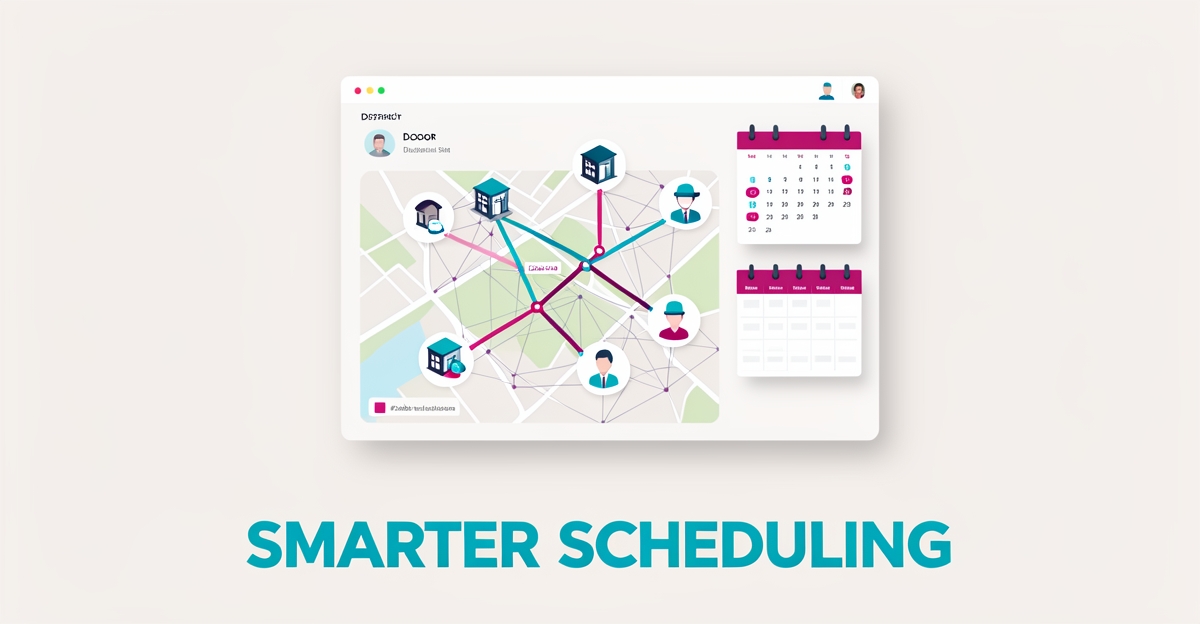
How an AI Dispatcher Can Optimize Field Technician Scheduling for Door Installations
Key Facts
- A large majority of decision-makers say they need better tools to manage field technician scheduling according to industry research.
- Manual dispatching can increase drive time by up to 20% compared to AI-optimized alternatives per operational analyses.
- Smart routing typically delivers fuel savings in the range of 12-18% by minimizing unnecessary travel per widely cited industry findings.
- Organizations adopting digital scheduling have reported capacity gains of up to 40% according to published case accounts.
- AI-driven scheduling has been shown to cut drive time by roughly 20% for field service teams per field service studies.
- Digital scheduling adoption has been associated with overtime reductions of around 6% in field service operations per operational analyses.
Hire a team member that works 24/7 — for less than a part-time wage.
AI receptionists, SDRs, dispatchers and 99+ roles. Trained on your business, fully managed.
Not sure where to start? Ask our AI planner
The Hidden Cost of Manual Scheduling in Field Service Operations
Manual dispatching in door installation businesses often leads to significant operational waste that erodes profitability and technician morale. Without intelligent scheduling tools, dispatchers rely on static spreadsheets or intuition, resulting in prolonged technician idle time between jobs. This inefficiency is widespread, a large majority of decision-makers report lacking adequate tools to manage field technician scheduling effectively, leaving teams vulnerable to avoidable delays and underutilized labor. Industry research confirms that manual processes struggle to balance location, skill, and job complexity in real time, creating bottlenecks that automated systems resolve instantly.
These scheduling gaps translate directly into financial losses through routing waste and unnecessary overtime. Technicians frequently backtrack or take suboptimal routes due to poor sequencing, burning fuel and eating into service windows. Companies that fail to optimize routing miss out on potential fuel savings, smart routing has been associated with reductions in the 12-18% range, while unbalanced workloads drive overtime costs. Operational analyses further suggest that manual dispatching can increase drive time by up to 20% compared to AI-optimized alternatives, directly impacting daily job capacity and customer wait times.
Skill mismatches compound these issues, as dispatchers often assign jobs without real-time visibility into technician certifications or recent training. A specialist might be sent to a simple hinge adjustment while a complex custom door installation goes to a less-experienced tech, increasing the risk of callbacks and reducing first-time fix rates. This misalignment not only wastes high-skill labor on low-value tasks but also frustrates customers who expect expertise-matched service. Field service studies show that aligning jobs with technician proficiency improves both efficiency and outcomes, something manual systems cannot consistently achieve at scale.
For door installation businesses, these inefficiencies accumulate into measurable revenue leakage. Idle technicians represent paid hours with no output, inefficient routes increase vehicle maintenance and fuel costs, and skill-based errors trigger rework that damages reputation. AIQ Labs addresses these challenges through AI Employees like the AI Dispatcher, which continuously optimizes assignments using live location data, skill matrices, and job complexity scores, turning scheduling from a cost center into a competitive advantage. By eliminating guesswork, businesses reclaim technician productivity, reduce operational waste, and deliver more reliable service without expanding headcount. Real-world implementations demonstrate that automated dispatching closes the gap between planned and actual capacity, enabling sustainable growth in field service operations.
How AI Dispatchers Optimize Technician Assignment Using Real-Time Data
AI dispatchers transform field technician scheduling by using machine learning to evaluate multiple variables simultaneously, technician location, skill set, job complexity, and real-time traffic conditions, to generate optimal assignments in seconds. This dynamic approach allows businesses to respond to changing conditions throughout the day while maximizing resource utilization. Industry research shows that AI-powered scheduling can evaluate thousands of possible schedule combinations rapidly, selecting the optimal configuration across the entire workday.
The impact of this technology is measurable. Organizations implementing AI-driven scheduling have reported capacity gains of up to 40% after adopting digital scheduling solutions according to published case accounts. Smart routing capabilities have been associated with fuel savings in the 12-18% range by minimizing unnecessary travel and optimizing route sequences per widely cited industry findings. These improvements directly translate to reduced operational costs and increased service throughput without adding headcount.
- Real-time traffic integration adjusts routes dynamically based on current conditions
- Skill matching ensures technicians are assigned only to jobs within their certified expertise
- Job complexity analysis prevents over- or under-assignment of tasks
- Location optimization minimizes drive time between sequential appointments
- Workload balancing distributes jobs evenly to prevent technician burnout
AIQ Labs incorporates these intelligent dispatching principles into our AI Employee solutions for field service businesses, helping organizations reduce idle time and improve first-time fix rates through data-driven technician assignment. By continuously learning from historical performance data, these systems refine their recommendations over time, adapting to seasonal patterns, technician availability fluctuations, and evolving job requirements. The result is a scheduling system that becomes more accurate and efficient with each completed job, creating a sustainable competitive advantage for field service operations.
Implementing an AI Dispatcher: From Data Readiness to Measurable Gains
Many door installation businesses still rely on manual scheduling, which struggles to balance technician location, skill set, and job complexity in real time. This often leads to idle time, missed appointments, and lower first-time fix rates. According to industry research, a large majority of decision-makers say they need better tools to manage field technician scheduling, highlighting a widespread gap in current operations.
Implementing an AI dispatcher begins with data readiness, ensuring job duration history, technician skill profiles, and SLA rules are accurate and up to date. Poor data quality can undermine even the most advanced AI, as missing or stale information degrades scheduling outcomes regardless of the platform used. Businesses should audit their current data sources, cleanse inconsistencies, and establish ongoing maintenance processes before integration.
Next, define clear KPIs to measure success, such as first-time fix rate, average drive time per job, and technician utilization. These metrics align with reported benefits: companies using AI-driven scheduling have seen drive time reductions of roughly 20% and meaningful gains in technician productivity. Tracking these KPIs ensures the AI dispatcher delivers measurable gains over time.
AIQ Labs supports this transition through end-to-end implementation, from data preparation and system configuration to integration with existing CRM and scheduling tools. Our approach includes training, performance monitoring, and continuous optimization, ensuring the AI dispatcher adapts to evolving business needs while maintaining high accuracy in job assignments. This structured path helps door installers move from manual inefficiencies to intelligent, automated scheduling with clear ownership and accountability.
Still paying for 10+ subscriptions that don’t talk to each other?
We build custom AI systems you own outright. No vendor lock-in. Full control.
Not sure where to start? Ask our AI planner
Frequently Asked Questions
How much can AI dispatching improve technician capacity for door installation businesses?
What fuel savings can door installers expect from using an AI dispatcher for route optimization?
Does using an AI dispatcher reduce overtime costs for field technicians?
How much can AI dispatching reduce drive time between jobs for door installation technicians?
Do most decision-makers feel they need better tools for field technician scheduling?
Can an AI dispatcher help improve first-time fix rates for door installations?
Turning Scheduling Chaos into Competitive Advantage
The hidden costs of manual scheduling, idle technicians, inefficient routes, skill mismatches, and overtime, add up to real revenue leakage for door installation businesses. As the data shows, AI-powered dispatching can reclaim that lost capacity, with reported gains of up to 40% in technician capacity and fuel savings in the 12-18% range, by intelligently matching jobs to technician location, skills, and job complexity in real time. The path forward starts with clean data, clear KPIs, and a partner who understands both the technology and your operational reality. AIQ Labs helps door installers make this shift through AI Employees like the AI Dispatcher, built and managed as true extensions of your team, no vendor lock-in, just measurable gains in efficiency and service reliability. Ready to see where your scheduling bottlenecks are costing you most? Start with a free Fit Check to map your biggest opportunity and explore how AI can turn field service from a cost center into your next competitive edge.
Make AI your competitive advantage — not just another tool.
Strategy, implementation and ongoing optimization. One partner, end to end.
Not sure where to start? Ask our AI planner