How an AI Energy Auditor Can Identify High-Potential Homes Before a Physical Visit
Key Facts
- AI-powered audits can analyze hundreds of parameters simultaneously according to future energy audit research.
- Over 10 notable smart energy audit tools and platforms are shaping the industry today per sustainability audit overview.
- Utilities are among the earliest adopters of AI in energy management per industry coverage.
- AI algorithms can forecast energy use, detect anomalies, and suggest energy-saving actions according to smart tools analysis.
- AI-powered audits can help reduce energy waste and lower utility costs per future energy audit research.
- AI pre-screening prioritizes homes by predicted savings potential before physical visits.
- Machine learning models rank homes by predicted savings potential using historical usage and property data.
Hire a team member that works 24/7 — for less than a part-time wage.
AI receptionists, SDRs, dispatchers and 99+ roles. Trained on your business, fully managed.
Not sure where to start? Ask our AI planner
The Problem: Wasted Time on Low-Value Audits
Scheduling a physical energy audit without knowing the upside is expensive. Teams drive to homes that show little savings potential while high-value properties wait in the queue, draining crews and budgets.
Traditional triage relies on snapshots and assumptions. That approach misses hidden inefficiencies and forces inefficient resource allocation across the field team. The result is missed opportunities to focus on homes where upgrades deliver real impact.
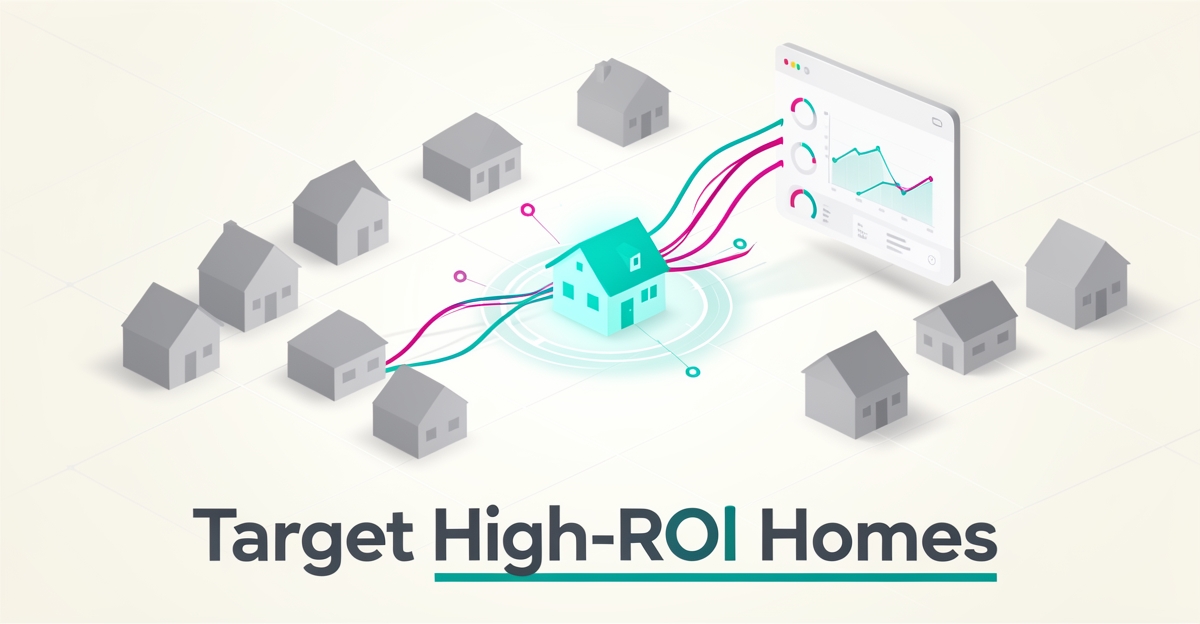
AI changes the pre-visit decision. By analyzing historical data, property types, and energy usage patterns, AI energy auditors can prioritize high-value audits before anyone leaves the office. This pre-screening lets companies focus field efforts more efficiently and reduce energy waste, according to future energy audit research.
Granularity is the first shift. Industry analysis of smart tools notes traditional audits often rely on snapshots of usage data, while AI-powered audits can analyze hundreds of parameters simultaneously. That depth reveals patterns a walkthrough would miss.
Predictive capability adds a second layer. AI algorithms can forecast energy use, detect anomalies, and suggest energy-saving actions. The same research highlights predictive insights and proactive maintenance as core benefits of AI-powered audits. Companies can move from reactive visits to targeted interventions.
The market is already moving. Smart energy audit tools are no longer experimental; as of late 2026 they're shaping how buildings, businesses, and homes manage energy use. Current market coverage identifies over 10 notable tools and platforms shaping the industry, with utilities among the earliest adopters of AI in energy management.
Pre-visit prioritization typically considers:
- Historical consumption trends and seasonal anomalies from utility data
- Property type, age, square footage, and envelope characteristics
- IoT sensor signals for lighting, HVAC, and appliance behavior
- Predicted savings potential and upgrade cost-effectiveness
This is where AI Customer Journey Optimization fits for audit firms. By integrating historical data and usage patterns into CRM workflows, teams can score leads, route the best opportunities to auditors, and shorten the path from inquiry to high-impact visit. AIQ Labs builds this kind of lead-scoring and routing workflow through AI Workflow Builds, rebuilt around the one process that costs you the most.
The net effect is fewer wasted visits and more high-value audits completed per crew per week. Field teams arrive with context, homeowners see clearer ROI, and the business captures energy cost savings faster.
How AI Pre-Screens Homes for Maximum Impact
AI energy auditors are transforming how companies identify homes with the greatest potential for energy savings before ever setting foot on the property. By analyzing historical utility data, property characteristics, and consumption patterns, these systems can prioritize audits where interventions will yield the highest return on investment. This pre-screening approach allows energy service providers to focus field teams on homes most likely to benefit from efficiency upgrades, reducing wasted effort and accelerating impact.
Industry research shows that AI-powered audits can analyze hundreds of parameters simultaneously, far exceeding the granularity of traditional methods that rely on limited data snapshots. This increased accuracy enables more precise predictions of energy use and better identification of hidden inefficiencies such as phantom loads, HVAC short-cycling, or insulation gaps. Machine learning models trained on regional climate data, building age, and appliance types can typically forecast seasonal consumption with high reliability, helping utilities and auditors plan proactive maintenance rather than reactive fixes.
Studies indicate that predictive insights from AI algorithms not only forecast energy use but also detect anomalies in real time, suggesting targeted energy-saving actions before problems escalate. For example, unusual spikes in nighttime electricity might indicate a malfunctioning water heater or inefficient refrigeration, while abnormal heating patterns could point to air leaks or thermostat misconfigurations. These early warnings allow for timely interventions that prevent waste and lower utility costs over time.
- Historical usage trends reveal seasonal patterns and behavioral habits
- Property type and age inform baseline efficiency expectations
- IoT sensor data provides real-time appliance and system performance
- Digital twins simulate upgrade impacts before physical changes
- Machine learning models rank homes by predicted savings potential
AIQ Labs helps energy auditors deliver these insights at scale, integrating pre-screening models with the CRM and field service tools you already use. By combining historical analysis with predictive modeling, companies can shift from broad, indiscriminate audits to targeted interventions that maximize energy savings per visit. This approach not only improves operational efficiency but also accelerates progress toward sustainability goals by directing resources where they matter most. As smart energy audit tools mature, AI-driven pre-screening is becoming a standard practice for utilities and energy service providers aiming to optimize both cost and environmental impact.
Real-World Applications of AI in Energy Audits
Smart energy audit tools are no longer experimental; they're already shaping how buildings, businesses, and homes manage their energy use. AI is moving energy auditing from reactive checklists to predictive, data-driven prioritization before a technician ever arrives on site.
Utilities are among the earliest adopters of AI in energy management. They use historical consumption data, property types, and usage patterns to flag high-potential accounts for targeted outreach. This pre-screening lets field teams focus on homes where upgrades will deliver the greatest savings.
Commercial real estate portfolios are increasingly turning to AI-powered audits to meet sustainability goals and reduce costs. Large building owners analyze hundreds of parameters simultaneously instead of relying on snapshots of usage data. Future energy audit research notes AI-powered audits can analyze hundreds of parameters simultaneously, increasing data granularity and accuracy.
The residential sector is catching up quickly. Homeowners are beginning to access the same level of intelligence previously reserved for commercial facilities. IoT sensors monitor lighting, HVAC, appliances, and more, while AI and machine learning models detect unusual patterns and predict future energy use.
Real-world applications cluster around three high-impact use cases:
- Utility-led efficiency programs that prioritize homes for rebates based on predicted savings
- Commercial portfolio owners using digital twins to simulate efficiency scenarios before capital spend
- Residential providers offering pre-audit risk scores that shorten on-site time
Predictive insights drive proactive maintenance and cost control. AI algorithms can forecast energy use, detect anomalies, and suggest energy-saving actions. Industry coverage of smart tools highlights that AI can forecast energy use and detect anomalies for proactive maintenance.
The market is active. Over 10 notable tools and platforms are shaping the industry today. The sustainability audit overview identifies over 10 notable tools and platforms currently shaping the industry.
For companies running audit programs at scale, the value is operational focus. By pre-screening homes with AI, teams reduce wasted visits and improve close rates on high-value upgrades. If you'd rather not add headcount to run this screening operation, AIQ Labs also offers AI Employees, managed AI staff that handle lead scoring, outreach, and dispatch coordination at a fraction of the cost of a human hire.
Energy cost savings follow when audits target the right properties first. AI-powered audits can help reduce energy waste and lower utility costs. That efficiency compounds for utilities, landlords, and homeowners alike.
Steps to Implement AI Energy Auditing in Your Business
Implementing AI energy auditing begins with recognizing that traditional snapshots of energy usage no longer meet the demands of modern efficiency programs. AI-powered audits can analyze hundreds of parameters simultaneously, delivering the data granularity needed to prioritize high-value homes before a technician ever arrives on site. This shift from reactive inspection to predictive intelligence allows businesses to allocate field resources where they generate the highest return.
The technical foundation rests on three integrated layers. IoT sensors deployed across a property capture real-time data from lighting, HVAC, and appliance loads. Machine learning models trained on historical consumption patterns then detect anomalies, forecast future demand, and simulate retrofit scenarios through digital twins. Finally, a unified data infrastructure ingests these streams, normalizes them, and surfaces actionable scores directly inside the CRM workflows your teams already use.
- Deploy wireless IoT sensors to monitor critical energy loads continuously
- Train custom ML models on historical usage and property typology data
- Build digital twins for virtual retrofit simulation and ROI modeling
- Integrate scoring outputs into existing CRM and dispatch systems
- Establish governance frameworks for data privacy and regulatory compliance
Overcoming infrastructure gaps and regulatory hurdles requires a partner who has architected production-grade AI systems in regulated environments. AIQ Labs has deployed 200+ multi-agent systems and runs four live SaaS products daily, so the engineering is proven, not theoretical. If you want the pre-screening workflow connected to everything else, scheduling, dispatch, follow-up, reporting, an AI Operating System builds one connected layer across the business in phases, and you own it outright. No subscription sprawl, no rented tooling.
The fastest path to value starts with a single workflow: pre-screening inbound leads to surface the top 20 percent of homes by retrofit potential. A focused pilot proves the model, validates the data pipeline, and creates the internal champion needed to scale. Ready to map the highest-ROI entry point for your operation? Take the 2-minute Fit Check at aiqlabs.ai/apply, then book a free 30-minute strategy call to scope the build.
The Future of Energy Audits: Smarter, Faster, More Efficient
The energy audit of tomorrow will not begin with a clipboard and a flashlight, it will begin with data. AI is fundamentally reshaping how auditors work, moving the industry from reactive snapshots to continuous, intelligent analysis that identifies problems before anyone sets foot in a building.
At the heart of this shift is increased data granularity. Where traditional audits rely on limited snapshots of usage, AI-powered audits can analyze hundreds of parameters simultaneously, drawing on IoT sensors that monitor lighting, HVAC, and appliances throughout a building. This depth of insight means auditors arrive on-site already knowing where the problems are.
The second transformation is predictive intelligence. Machine learning models trained on historical usage patterns can forecast future energy consumption, detect anomalies that signal hidden inefficiencies, and recommend the most effective efficiency upgrades. Instead of documenting waste after the fact, AI flags it proactively, turning audits from a retrospective exercise into a forward-looking strategy. The result is tangible: reduced energy waste and lower utility costs for the buildings being assessed.
These capabilities are already moving into the mainstream. Over 10 notable smart energy audit tools and platforms are shaping the industry today, and adoption is spreading across sectors:
- Utilities, among the earliest adopters of AI in energy management, are embedding these tools into their operations
- Commercial real estate portfolios are using AI-powered audits to meet sustainability goals while cutting costs
- Homeowners are beginning to access the same intelligence once reserved for large commercial facilities
For energy service companies, the implications go beyond the audit itself. AI can analyze historical data, property types, and energy usage patterns to prioritize which homes warrant a physical visit first, focusing field crews on high-value opportunities instead of spreading effort thin. This is fundamentally a data-orchestration challenge, which is why AIQ Labs builds pre-screening systems that integrate directly with existing CRM tools, delivering insight at scale across an entire service territory.
Challenges remain, of course. AI-powered audits demand high-quality data, robust infrastructure, specialized technical expertise, and careful alignment with existing regulations and standards. Companies that clear these hurdles, however, gain a durable advantage: smarter targeting, faster audits, and less energy waste.
As the technology matures and becomes more accessible, expect the gap between AI-enabled audit operations and traditional ones to widen. The future of energy auditing is not just faster, it is fundamentally more intelligent.
Turning Data Into Targeted Action
AI energy auditors are reshaping how efficiency programs begin, shifting from guesswork to precision by analyzing historical usage, property traits, and real-time sensor data to pinpoint homes with the highest savings potential before a technician leaves the office. This pre-screening reduces wasted visits, accelerates ROI on upgrades, and lets field teams focus where impact is greatest. For energy service providers looking to scale smarter, AIQ Labs builds these systems directly into your CRM workflows, turning data into dispatch-ready priorities. Ready to see where your highest-ROI opportunities lie? Take the 2-minute Fit Check at aiqlabs.ai/apply, then book a free 30-minute strategy call to map your path forward.
Make AI your competitive advantage — not just another tool.
Strategy, implementation and ongoing optimization. One partner, end to end.
Not sure where to start? Ask our AI planner