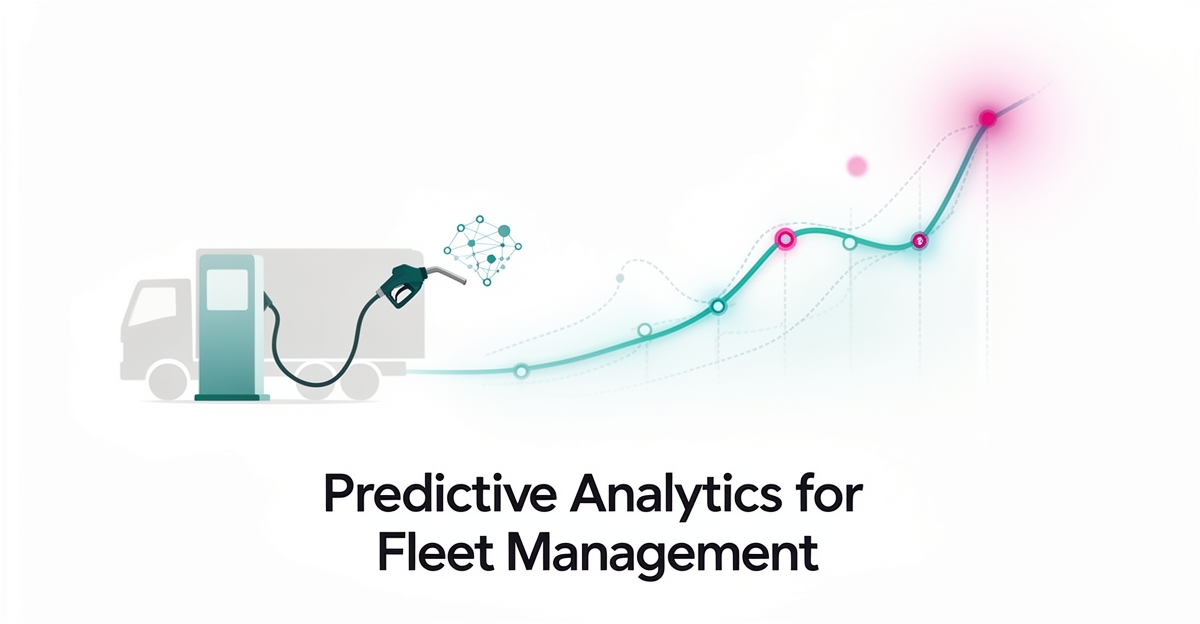
How an AI Fuel Analyst Can Predict Fuel Demand and Optimize Card Spending
Key Facts
- Industry reporting on AI-powered fuel efficiency analysis commonly cites savings in the range of 8-12%, though results vary by fleet and data quality
- Physics-informed machine learning models can add several percentage points of additional fuel gain on top of standard AI analysis, per recent research findings
- AI route optimization can reduce diesel miles substantially—often cited near 15%—directly lowering fuel demand and card spend
- Typical payback windows for AI fuel efficiency implementations run roughly 6-18 months depending on fleet size and starting inefficiency
- Data quality is critical for accurate fuel efficiency analysis—noisy GPS or missing CAN signals can ruin models
Hire a team member that works 24/7 — for less than a part-time wage.
AI receptionists, SDRs, dispatchers and 99+ roles. Trained on your business, fully managed.
Not sure where to start? Ask our AI planner
The Hidden Cost of Reactive Fuel Management in Fleet Operations
Fleets operating on reactive fuel management are leaking value with every mile driven. Without forward-looking insights, decisions are made in hindsight—leading to overpayments, inefficient card usage, and missed optimization opportunities that compound across large fleets. This reactive approach ignores patterns in driving behavior, seasonal demand shifts, and vehicle-specific consumption that could otherwise inform smarter spending.
Fleets relying on manual or lagging indicators often overpay for fuel due to untimely purchases and suboptimal routing. By analyzing historical fuel card transactions, GPS telematics, and vehicle utilization, predictive models can anticipate demand spikes before they occur—enabling pre-approval of optimal spending limits and reducing wasteful expenditures. Industry reporting on AI-powered fuel efficiency analysis commonly cites savings in the 8-12% range, directly addressing the cost bleed from reactive practices.
These savings stem not just from lower fuel volumes but from eliminating avoidable costs like premium pricing during peak demand periods or unauthorized card use. Reactive systems lack the foresight to set dynamic spending thresholds, resulting in either restrictive limits that hinder operations or overly generous ones that invite misuse. AI closes this gap by aligning card approvals with predicted needs—ensuring funds are available when and where they're needed, without excess.
- Unplanned idling and route deviations go undetected until after fuel is wasted
- Fuel card reconciliation becomes a monthly surprise rather than a controlled process
- Seasonal trends in consumption are missed, leading to chronic over- or under-buying
- Vehicle-specific inefficiencies remain hidden, preventing targeted maintenance or replacement
- Opportunities to leverage off-peak pricing or alternative fuels are overlooked
The financial impact extends beyond the pump. Reactive fuel management strains administrative teams with exception handling, disputes, and manual audits—diverting attention from strategic fleet optimization. Meanwhile, the lack of predictive insight prevents integration with broader financial planning, making fuel one of the least controlled variable costs in operations. AIQ Labs' custom forecasting engines help close this loop by turning fuel data into a forward-looking asset—enabling smarter card policies, better vendor negotiations, and measurable reductions in total fuel spend. When fuel is predicted, not just paid for, fleets stop reacting and start optimizing.
How AI Fuel Analysts Forecast Demand Using Driving Patterns and Seasonal Trends
Every fuel transaction tells you what happened yesterday. An AI fuel analyst tells you what will happen next month—and that difference is where the real savings live.
The core methodology behind AI demand forecasting starts with historical telematics data. By analyzing GPS traces, CANbus signals, and fuel card transactions together, machine learning models build a fuel burn profile for each vehicle in the fleet. Fleets using AI-driven fuel analysis typically report savings in the 8-12% range, with physics-informed machine learning models adding several additional percentage points on top, according to recent industry research.
Vehicle type matters just as much as driving history. A loaded diesel box truck burns fuel differently than a light service van, and AI models account for these differences when projecting demand. The models learn each vehicle's baseline consumption, then adjust predictions based on the routes, loads, and duty cycles that vehicle actually performs. This is what makes predictive fuel burn modeling so powerful: fuel needs are anticipated before they occur, rather than discovered after the card is swiped.
Seasonal trends add the final predictive layer. Fuel consumption rarely follows a flat line through the year—winter idling, summer air conditioning, and seasonal route changes all shift demand in predictable patterns. AI models detect these fluctuations automatically and fold them into forward-looking forecasts. When a fleet manager can see that February demand will spike three weeks out, fuel budgets and card spending limits can be set with precision instead of guesswork.
The downstream effect on card spending is significant. Once demand is forecast, optimal spending can be pre-approved: the right fuel amount, at the right stations, for the right vehicles. This prevents overpayments, flags anomalous transactions instantly, and ensures resources are allocated efficiently. Route optimization compounds these gains—AI-driven route planning is often cited at around a 15% reduction in diesel miles, directly shrinking both fuel demand and card spend. Typical payback windows for these implementations run 6-18 months.
The quality of the forecast depends entirely on the quality of the data feeding it. Research is blunt on this point: data quality is critical for accurate fuel efficiency analysis, because noisy GPS signals or missing CANbus data can ruin models and produce misleading results. Before any forecasting begins, data sources should be audited end to end:
- GPS and telematics feeds for signal integrity and completeness
- CANbus data for engine and fuel consumption signals
- Fuel card transactions for matching against actual miles driven
- Historical baselines from a representative pilot group of vehicles
This is where custom-built forecasting engines earn their keep. Rather than forcing fleets into rigid off-the-shelf platforms—each with trade-offs in scalability or customization—AIQ Labs builds forecasting systems tailored to a fleet's specific telematics stack, vehicle mix, and seasonal patterns, delivered through AI Workflow Builds at a fixed price and in clear phases. The result is a demand forecast the business owns outright, one that turns fuel card spending from reactive record-keeping into a forward-looking, pre-approved allocation strategy. As comparisons of AI versus traditional fleet management show, the gap between manual planning and predictive intelligence keeps widening—and fuel spending is one of the clearest places to close it.
From Prediction to Profit: Implementing AI-Optimized Fuel Card Spending with AIQ Labs
Turning fuel card spend from a cost center into a predictable operation starts with a forecasting engine that learns from the fleet itself. When historical driving patterns, seasonal trends, and vehicle types feed a custom model, spend can be pre-approved at the optimal level before the pump is hit.
Implementation begins with data integration. GPS, CANbus, and fuel card transactions are audited for completeness because data quality is critical for accurate fuel efficiency analysis. Noisy GPS or missing CAN signals can ruin models and lead to inaccurate results, so the pipeline is cleaned and unified before training begins.
Model training follows a focused pilot approach. A representative vehicle set is selected, baseline collection runs, and initial models are trained on real burn patterns. The engine learns vehicle-specific consumption, route profiles, and seasonal variance to forecast demand by card, vehicle, and depot.
Pilot deployment ties prediction to spending control. Forecasts generate pre-approvals for optimal fuel card limits, flag anomalies, and trigger alerts for coaching or route review. Fleets using AI in fuel efficiency analysis commonly report savings in the 8-12% range, with route optimization alone often driving a substantial reduction in diesel miles.
AIQ Labs maps this workflow to its three entry points. AI Workflow Builds rebuild the one workflow that costs you the most—fuel spend forecasting and card control is often exactly that workflow—delivered at a fixed price and in phases. AI Employees act as spend monitors and exception handlers around the clock, at roughly 80% less cost than a human hire. And when fuel forecasting needs to connect to dispatch, maintenance, and finance, AI Operating Systems tie it into one connected operating layer you own outright.
Scaling is deliberate and measurable. After the pilot, fuel delta is measured and a scaling plan is prepared. Typical payback windows run 6-18 months, and payment flexes to fit: start monthly, build in milestones, or own the system outright. No fake prices, no invented case-study numbers—just a measured fuel delta before anything scales fleet-wide.
A production workflow typically includes:
- Data integration and audit of GPS, CANbus, and fuel card sources
- Representative pilot cohort selection and baseline collection
- Custom model training for predictive fuel burn and demand forecasting
- Pilot deployment with pre-approval rules, alerts, and driver coaching
- Measurement of fuel delta and phased rollout across the fleet
Ownership remains with the client. Systems are built to be owned outright, with no vendor lock-in, and can be extended as the fleet grows. Prediction becomes profit when forecasts drive pre-approval, avoid overpayments, and allocate resources efficiently across the network.
Still paying for 10+ subscriptions that don’t talk to each other?
We build custom AI systems you own outright. No vendor lock-in. Full control.
Not sure where to start? Ask our AI planner
Frequently Asked Questions
How much fuel cost can a fleet actually save with AI forecasting?
What data does an AI fuel analyst need to predict fuel demand accurately?
How long does it take to see a return on investment from AI fuel management?
How does AI forecasting improve fuel card spending specifically?
Do I need a data science team or can I use off-the-shelf AI fuel tools?
Can AI really account for seasonal changes and different vehicle types in fuel planning?
Stop Paying for Yesterday's Fuel
Reactive fuel management leaks value with every mile—overpayments at the pump, missed seasonal patterns, and card spending approved only after the damage is done. By analyzing telematics, driving patterns, and vehicle-specific consumption, AI forecasting flips this dynamic: demand is predicted weeks ahead, spending limits are pre-approved with precision, and route optimization alone can deliver a meaningful reduction in diesel miles. The path forward starts with auditing your data sources and piloting a representative vehicle cohort—proving the model before scaling fleet-wide. AIQ Labs builds these custom forecasting engines as owned assets, integrating directly with your card processors and telematics stack so you control the system, not a vendor. With 200+ multi-agent systems deployed and four live SaaS products we run daily, we know what works in production. If you're ready to turn fuel from a reactive cost center into a predictable operation, start with the two-minute Fit Check at aiqlabs.ai/apply, then book a free 30-minute strategy call to map your highest-ROI opportunity. If there isn't a clear win, we'll tell you.
Make AI your competitive advantage — not just another tool.
Strategy, implementation and ongoing optimization. One partner, end to end.
Not sure where to start? Ask our AI planner